REVIEW · PARO
Amazing Bhutan in 7 Days
Book on Viator →Operated by Heavenly Bhutan · Bookable on Viator
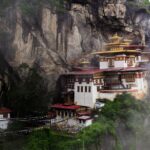
Tiger Nest is the reason people come to Bhutan. This 7-day private trip starts in Paro and strings together Bhutan’s big icons with hands-on culture, from traditional dress and archery in Paro to village food and temple days. I like how the planning is handled for you, including visas, transport, and hotel stays, so your time goes to seeing real places. I also love the mix of spiritual stops and everyday life—dzongs and monasteries right alongside local markets and farmhouse visits.
One thing to weigh: the tour price covers a lot, but international flights and a language-speaking guide (if you want one) are not included. It also runs on a weather-dependent schedule, since the experience requires good conditions for the key sights.
In This Review
- Key things I’d plan around
- Entering Bhutan via Paro: the early start that makes the week feel easy
- Thimphu without the car mindset: walks, dzongs, and practical craft culture
- Dochula Pass to the crane valley: mountain views and a slower rhythm
- Punakha: the rivers confluence day that feels like Bhutan’s postcard
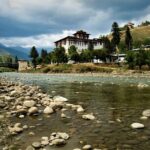
- Paro old town, museums, and the Rinpung Dzong glow
- The Tiger Nest climb and Kyichu Lhakhang legends: the spiritual finish that stays with you
- What you’re really paying for in $1,800 per person
- Practical notes: traditional dress, archery, and getting your body ready
- Should you book Amazing Bhutan in 7 Days?
- FAQ
- What’s the start time and location?
- Is this tour private or shared?
- What’s included in the price?
- Are flight fares included?
- Are tickets for major sights included?
- Does the tour include meals?
- Is traditional dress and archery included?
- Can I add a farmhouse visit with a local family?
- Do I need to arrange a language-speaking guide?
- What happens if the experience is canceled due to bad weather?
- Is this tour refundable if I cancel?
Key things I’d plan around
- 5:00am pickup in Paro sets a smooth rhythm for the week and helps you start before crowds and traffic.
- Tiger Nest (Taktsang Gompa) is included, and it’s scheduled as a true highlight day, not a quick drive-by.
- Thimphu crafts stops include places like Zorig Chusum and the Royal Textile Academy, where you can see skills tied to daily Bhutanese life.
- Phobjikha is about cranes and village routine, including a farmhouse visit and time in the valley.
- Punakha is the architecture-and-rivers day, with Punakha Dzong at the confluence of two rivers.
- Paro old town is walkable with museum time plus Rinpung Dzong and local street shopping.
Entering Bhutan via Paro: the early start that makes the week feel easy
Your first morning begins at Paro Airport at 5:00am, with pickup offered. That early time sounds intense, but it’s one of the ways this kind of Bhutan package keeps the schedule from turning into nonstop rushing.
Paro is also the right launch pad for a first trip. You’re close to temple sites, the old town, and the iconic pilgrimage climb at Tiger Nest. By the time you reach the quieter valleys later in the week, you’re already oriented to how Bhutan feels: small distances on the map, but big scenery on the road.
If you’re coming from abroad, it helps to know what the trip does—and doesn’t—handle. The tour includes visa fees and Bhutan’s SDF (Sustainable Development Fees) and taxes, plus accommodation and daily meals. You still arrange and pay for flights separately, so check your budget early.
You can also read our reviews of more tours and experiences in Paro
Thimphu without the car mindset: walks, dzongs, and practical craft culture
You’ll spend real time in Thimphu, and the way it’s set up is one of my favorite parts. There’s a walking-style city focus, and you’ll get a feel for Thimphu’s everyday pace without treating it like a checklist you race through.
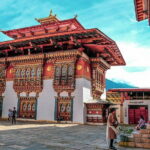
One of the first sights is Tashichho Dzong, the fortress that dominates the valley and houses the office of the King of Bhutan. Even if you only have a brief moment there, the setting tells you a lot about how Bhutan organizes power, faith, and community space.
From there, the tour leans into viewpoints and culture stops that are easy to enjoy:
- Memorial Chorten and the Buddha Dordenma viewpoint area
- Motithang Takin Preserve (a short hike to see takins and other animals)
- Zorig Chusum, where students learn Bhutan’s traditional arts
- The Royal Textile Academy of Bhutan, focused on weaving and textile craft
- The National Folk Heritage Museum in a traditional-style building
- Thimphu’s Weekend Market, a vegetable market that gathers sellers from across the country and is closed only on Tuesdays
What I like here is that these stops don’t just show buildings. They show skills. You’ll see craft education (tailoring, sculpture, painting, pottery and more are part of the training described), and you can understand why Bhutanese textiles and arts aren’t souvenirs-on-a-shelf. They’re part of a system.
Potential downside: several of these stops are “in-and-out” style (think 40 minutes to an hour). If you prefer slow museum wandering, you may want to pick what you linger on and let the rest move by.
Dochula Pass to the crane valley: mountain views and a slower rhythm
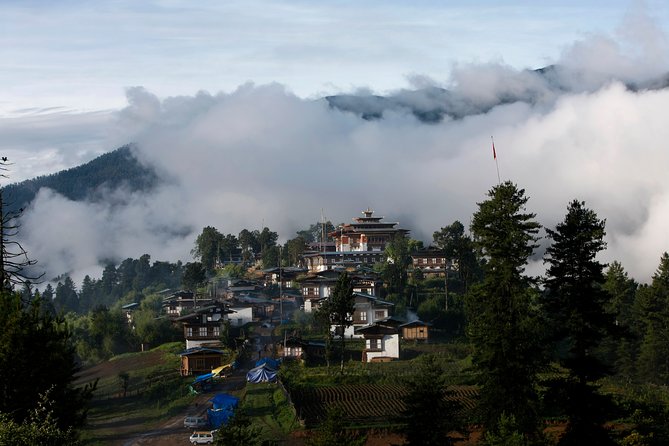
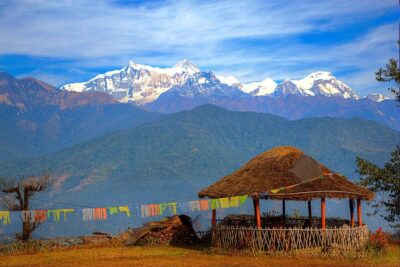
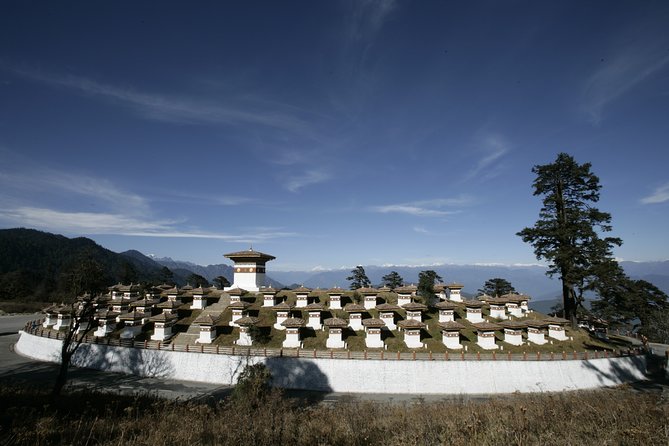
A big scenic hinge in the trip is Dochula Pass, where you stop for tea or coffee with wide Himalayan range views. The view is described as especially clear on winter days, which matters because Bhutan’s best photo moments can depend heavily on weather and visibility.
After that viewpoint break, you head toward Phobjikha Valley, and this is where the trip slows down in a good way. You’ll visit the Black Necked Crane Center, which is centered on the cranes and a particularly moving story: an injured crane named Karma, kept in an enclosure due to a broken wing. That kind of stop can shift your perspective from sightseeing to stewardship.
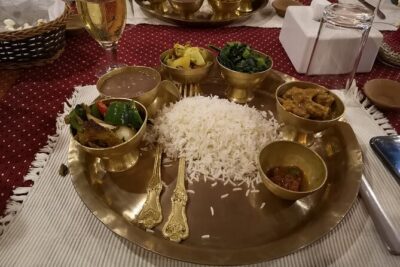
Then comes the farmhouse portion in Phobjikha. The tour can include a farmhouse visit/meals with a local family, giving you a direct look at village life rather than just watching from the roadside. Even if you keep expectations realistic (you’re still on a schedule), it’s one of the most “Bhutan-shaped” experiences in the whole week because it’s about daily routine.
You’ll also pass key valley landmarks like Gangtey Monastery later on, but Phobjikha first matters because it sets up the theme of the region: faith, animals, and community in a landscape that seems designed for patience.
One practical note for this part of the week: Wangdue Dzong is mentioned as being under construction after a fire. So if you’re hoping for a perfect, uninterrupted fortress photo, plan for views that may be affected by rebuilding.
Punakha: the rivers confluence day that feels like Bhutan’s postcard
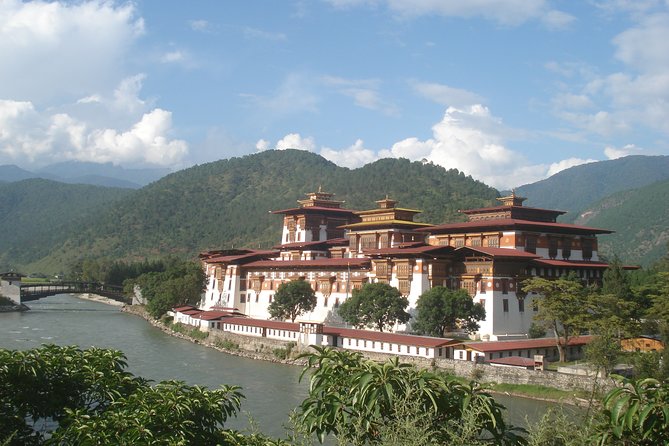
When Punakha comes, it feels like a change in mood. You move toward one of the most striking combinations of Buddhist architecture and river landscape: Punakha Dzong, described as the Palace of Great Happiness (Bliss), located at the confluence of Po Chu and Mo Chu.
This is a longer visit stop (about three hours included), which is helpful. You’re given time to take in the buildings, not just snap-and-go. Dzongs are powerful in Bhutan, and Punakha’s specific setting helps you understand why they matter beyond religion: they’re also about geography, protection, and gathering.
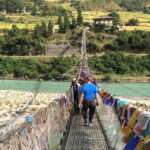
Right alongside that, the tour includes Chimi Lhakhang Temple, reached by walking between paddy fields. It’s a fertility temple tied to blessings for those seeking richness. Even if that spiritual meaning isn’t your focus, the route through farmland tends to feel calmer and more human than a pure temple highlight.
Potential drawback: if you’re sensitive to steep steps or uneven paths, be mindful. The paddy-field walk and temple grounds can have uneven terrain. Comfortable shoes help more than fancy ones.
Paro old town, museums, and the Rinpung Dzong glow
After time in the central valleys, Paro comes back into focus with a day built around culture and town wandering. You’ll include a stop at Paro Airport Bird’s Eye View Point for a photography angle, described as one of the best places to capture Paro Dzong, Ta Dzong, and the airport view.
Then you shift into museum and fortress territory:
- National Museum of Bhutan with arts, religious thanka paintings, relics, and Bhutan’s postage stamps
- Rinpung Dzong, noted for fine architecture and spectacular fortress views over nearby villages, plus the detail that it’s lit up at night
That night lighting detail matters if you like atmosphere. When historic sites glow after dark, it changes how the architecture reads. It’s the kind of small scheduling choice that makes the evening feel planned, not random.
You’ll also explore Paro town on foot, with painted wooden shops, restaurants, cafés, and souvenir stops along the main street. Paro is described as one of the best Bhutanese towns to explore on foot, which is a nice break from constant vehicle windows.
If you love local browsing, this is your chance. If you’re more into big sights, use Paro town time strategically: pick one area for souvenirs and keep the rest for wandering and photos.
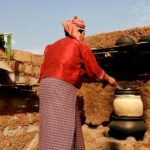
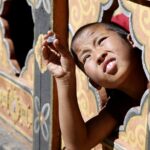
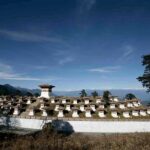
The Tiger Nest climb and Kyichu Lhakhang legends: the spiritual finish that stays with you
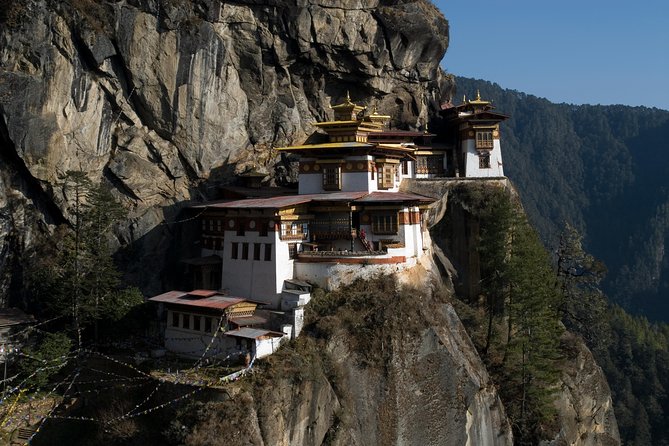
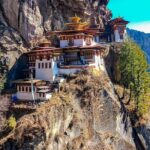
Your signature religious day includes Taktsang Gompa (Tiger Nest Temple). The tour describes it as an essential pilgrimage climb and says it will take your breath away. The key point for you as a planner: the admission ticket is included, and this is treated as a real highlight rather than a quick pass.
After Tiger Nest, you’ll also visit Kyichu Lhakhang, described as one of Bhutan’s oldest temples, dating back to the 7th century. The background is tied to the Tibetan king Songtsen Gampo, and there’s a legend about the temple being built on the left foot of a giant demon. That kind of story matters because it explains why the temple’s location and symbolism are taken seriously.
Practical reality: temples mean rules. You’ll want to dress respectfully and keep your pace steady. The weather-dependent nature of the experience also means you should pack flexibility in your mind. On a clear day, these sites can feel almost unreal; on a bad day, you rely on the tour’s ability to reschedule.
What you’re really paying for in $1,800 per person
At $1,800 per person for about 7 days, this tour sits in the “don’t cheap out on Bhutan” category. Bhutan is not a budget destination, and this package is designed to reduce your mental load.
Here’s what the price covers, based on what’s included:
- Visa fees for Bhutan
- SDF (Sustainable Development Fees) and taxes
- Accommodations in best rated hotels on twin/triple sharing
- Entrance, museum, and park fees listed in the program
- Bottled drinking water throughout the journey
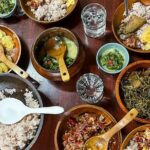
- Meals: breakfast 6, lunch 6, dinner 6
- Traditional dress and archery in Paro
- Transport between stops
- A farmhouse visit/meals with local family can be organized
What you still pay for:
- Flight fares (from cities like Singapore, Bangkok, Delhi, Kathmandu, Kolkata, Dhak—listed as options)
- Personal expenses (phone calls, laundry, shopping, and the like)
- Tipping/gratitude
- Single room supplement
- Travel and medical insurance
- Language-speaking guide (available for additional cost)
- Extra paid activities like cycling, motorbike, river rafting, horse ride, hotstone bath (listed as add-ons)
Value take: you’re paying for time, logistics, and “approved access.” The hardest part of Bhutan for many first-timers isn’t the sights—it’s the process: arranging visas, coordinating transport, and moving between places with proper timing. This tour bundles that into one package.
The other big value point: accommodations, meals, and water are handled. That reduces day-to-day decision fatigue and keeps you from spending energy negotiating costs in a place where you should be focusing on the experience.
Practical notes: traditional dress, archery, and getting your body ready
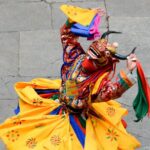
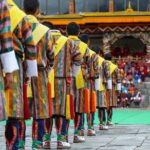
Two activities are built into the experience in a very Bhutan-specific way: wearing traditional dress and archery in Paro. Even if you’re not an athlete, archery here isn’t about winning a tournament. It’s about participating in a local practice in a setting designed for visitors.
For walking days (Thimphu, paddy fields in Punakha area, old town time in Paro), plan for uneven pavement and stairs. The trip includes plenty of short-to-medium stops, so you’ll be on your feet more than you might expect from a “7 days, 7 highlights” headline.
Also, check weather before you go all-in on photo expectations. The experience requires good weather. If it’s canceled due to poor weather, you’ll be offered a different date or a full refund. That’s the right kind of safety net, since Bhutan’s best moments are tied to visibility.
Should you book Amazing Bhutan in 7 Days?
Book it if you want an organized Bhutan introduction that covers Paro, Thimphu, Phobjikha, and Punakha with iconic spiritual highlights and real culture stops, without you playing logistics manager. This is especially a good fit if you value included hotels, included meals, and an experience that clearly understands pacing.
I’d also consider booking if you’re the type of traveler who likes skill-based stops. Zorig Chusum and the Royal Textile Academy aren’t just “look and leave.” They give you context for what Bhutanese craft education looks like.
Skip it, or at least adjust your expectations, if you want maximum free time in one place, a luxury hotel upgrade, or a detailed English narration built in automatically. A language-speaking guide can be added for extra cost. Also, this trip isn’t built to be flexible if your schedule is tight, since it depends on good weather for the key experience.
FAQ
What’s the start time and location?
Pickup starts at Paro Airport in Bhutan at 5:00am.
Is this tour private or shared?
This is a private tour/activity, so only your group participates.
What’s included in the price?
Visa fees, SDF (Sustainable Development Fees) and all taxes, accommodations (twin/triple sharing), specified entrance/museum/park fees, bottled drinking water, traditional dress and archery in Paro, and meals (breakfast 6, lunch 6, dinner 6).
Are flight fares included?
No. Flight fares are not included. Flights are available from cities listed in the tour details (Singapore, Bangkok, Delhi, Kathmandu, Kolkata, Dhak).
Are tickets for major sights included?
The program lists ticket inclusion for Taktsang Gompa (Tiger Nest). Other admissions are included or not included based on the stop.
Does the tour include meals?
Yes. Breakfast is included for 6 days, lunch for 6 days, and dinner for 6 days.
Is traditional dress and archery included?
Yes. You’ll wear traditional dress and get to play archery in Paro.
Can I add a farmhouse visit with a local family?
A farmhouse visit/meals with local family can be organized.
Do I need to arrange a language-speaking guide?
A language-speaking guide is available on additional cost.
What happens if the experience is canceled due to bad weather?
It requires good weather. If canceled due to poor weather, you’ll be offered a different date or a full refund.
Is this tour refundable if I cancel?
The experience is non-refundable and cannot be changed for any reason; the amount paid is not refunded.