REVIEW · PARO
Western Bhutan Tour-7 Days
Book on Viator →Operated by OMSHA Travel - Travel Guide to Bhutan · Bookable on Viator
A Bhutan week with temples, hikes, and warm hospitality. I love how this western Bhutan loop links Thimphu culture to the Punakha and Paro fortresses, and you get two true highlights: a sunrise-style hike to Taktsang and time for a traditional hotstone bath. One consideration: there’s hiking on multiple days, so plan on moderate fitness and solid shoes.
What makes this trip feel smooth is the way it’s built around a licensed Bhutanese guide and private transportation. The operator is known for calm, careful day-to-day coordination, and names like Sonam, Sherab, Pemba, Nawang, with drivers such as Yeshey and Ugyen, come up when people talk about feeling well taken care of.
Before you fall in love with the temples, do the math. The listed price is $1,350 per person, but you still need to budget separately for Bhutan’s Sustainable Development Fee (SDF) of $600 per person and a $40 visa fee, plus your flight and any drinks.
In This Review
- Key Things I’d Plan For
- Western Bhutan in One Week: what this route really delivers
- Day 1 in Thimphu: chortens, stamps, and the dzong you can’t miss
- Tango Buddhist Institute and Thimphu’s hands-on culture day
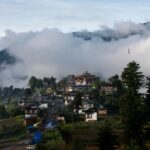
- From Buddha Dordenma to Dochula Pass: the scenic arc into Phobjikha
- Gangtey Monastery and Chimi Lhakhang: Punakha’s temple highlights
- Khamsum Yulley Namgyal Chorten and Paro’s fortress layer
- Taktsang morning hike plus Tshering Farmhouse dinner and hotstone bath
- Price and value: what $1,350 includes, and what you must budget separately
- Who this Western Bhutan tour fits best
- Should you book this 7-day Western Bhutan tour?
- FAQ
- What is the duration of the Western Bhutan 7-day tour?
- Where does the tour start and end?
- Which places in western Bhutan will I visit?
- Is pickup included?
- What meals are included in the tour price?
- What is included in the price of $1,350 per person?
- What fees are not included?
- Is the Taktsang hike included?
- How much hiking is involved besides Taktsang?
- Is this tour private?
Key Things I’d Plan For
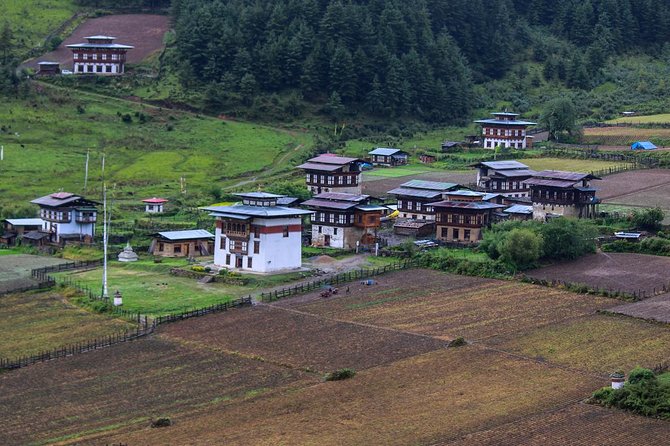
- A tight western route that hits Thimphu, Gangtey/Phobjikha, Punakha, and Paro without feeling like you’re constantly changing gears
- Taktsang Monastery hike on a schedule that starts early enough to make the day count
- Gangtey and the black-necked crane season setting, with a nature trail and a crane information stop
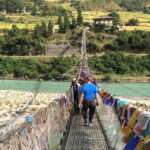
- Punakha’s “river junction” fortress vibe, plus the long 180 m suspension bridge crossing
- Real hands-on culture stops like a handmade paper factory and a postal museum
- Meals handled for you across the week, which keeps your pace relaxed instead of chaotic
Western Bhutan in One Week: what this route really delivers
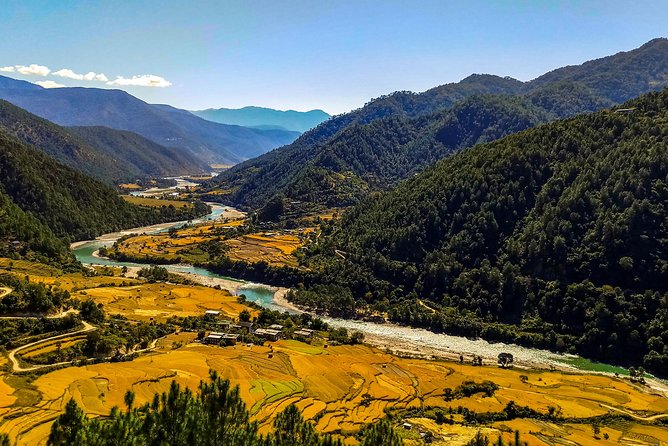
This is the kind of trip that makes sense if you want more than one “big day” in Bhutan. In 7 days, you’ll cover four base areas in western Bhutan—Thimphu, Gangtey, Punakha, and Paro—and the days are arranged so you see major religious sites, key fortresses, and Himalayan scenery without wasting half your trip on transfers.
I also like the balance. You get town landmarks in Thimphu, nature in Phobjikha valley, then fortress-and-temple days in Punakha and Paro. You’re not stuck doing only museums, and you’re not stuck doing only hiking.
One more practical win: the tour includes monument fees for dzongs and temples and museum fees, plus breakfasts, lunches, and dinners. That matters because in Bhutan, you can’t always count on being able to pay ad hoc at every stop. Here, your day-to-day costs are more predictable.
You can also read our reviews of more tours and experiences in Paro
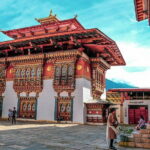
Day 1 in Thimphu: chortens, stamps, and the dzong you can’t miss
Thimphu is your warm-up day—light enough to get your bearings, but full enough to set the tone for Bhutan.
You start with a quick stop at Tachogang Lhakhang Bridge near the Paro–Thimphu highway. It’s only about a 10-minute walk from the road, and it’s the kind of place where the scenery does the talking. Think photo-friendly views, quiet ambience, and a gentle start that gets you out of “airport mode.”
Then comes Memorial Chorten, one of the most important daily worship spots in Thimphu. This is the kind of place where you’ll notice everyday rhythm—people coming and going, prayers happening as part of daily life, not as staged sightseeing.
Next is a stop that many visitors skip: the Bhutan Postal Museum. If you like stamps, you’ll enjoy how specific it is—different stamp shapes and types, including 3-D designs. Even if you don’t collect stamps, it’s a smart way to learn how Bhutan communicates with the outside world while staying distinct.
Finally, you reach Tashichho Dzong (Thimphu Dzong). This is a fortress you can feel in your bones. Dzongs aren’t just architecture; they’re religious and administrative centers. If you’re trying to understand Bhutan’s system at a glance, this is a strong first “big building” moment.
What to watch for: Thimphu days can feel a bit outdoors-heavy because you’re walking between stops. Wear sunscreen and keep water handy, even though the tour includes bottled water in the car.
Tango Buddhist Institute and Thimphu’s hands-on culture day
Day 2 leans more local and a bit more off the standard tourist track.
You head to Tango Buddhist Institute, about 14 kilometers from the city center. It’s known for calm and open views over the valley—exactly the kind of mental reset you want after the first-day sightseeing circuit.
Then you meet Bhutan’s national animal at Motithang Takin Preserve, sometimes described like a mini zoo. This is one of those stops where you’ll either love it instantly or feel indifferent—but it’s uniquely Bhutan. It also sets up a theme for the trip: Bhutan protects what matters, from animals to temples.
After that, you get a mini “culture sampler” day:
- National Folk Heritage Museum gives you a visual bridge to rural Bhutan through exhibitions tied to the rural past.
- Thimphu Handicrafts Market is where you can look for Bhutan-made crafts without making it a scavenger hunt.
- Jungshi Handmade Paper Factory lets you see traditional paper-making methods at work. This is the sort of craft stop that can quietly become one of your favorite moments because it’s tangible and slow-moving.
You wrap with Changlimithang Stadium and Archery Ground. Bhutan’s national sport is more than a pastime here. Seeing the archery setting gives you context for why so many Bhutanese traditions revolve around community and competition, not just religion or politics.
Potential drawback to keep in mind: This is a “many stops in one day” day. If you like long breaks, ask your guide for a little extra decompression time during any transfer or between venues.
From Buddha Dordenma to Dochula Pass: the scenic arc into Phobjikha
Day 3 shifts your focus toward wide views and spiritual monuments before you reach the nature landscape around Gangtey and Phobjikha valley.
You’ll start at Buddha Dordenma, a massive golden Buddha on a hill in Thimphu. The statue measures about 51.5 meters. That scale matters because you don’t just see a landmark—you feel it as a gravity point. It’s also a strong introduction to why so many Bhutanese religious sites are placed for both devotion and visibility.
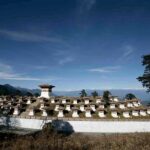
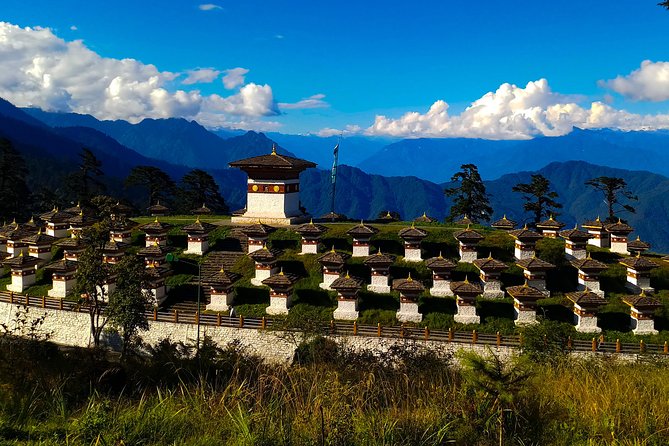
Next is Dochula Pass, at roughly 3,100 meters (10,200 feet). This pass is a viewpoint with a history of itself—mountain passes in Bhutan are often where weather, travel, and spirituality meet. In practice, it’s your “high-altitude pause,” and it helps break up the route as you move toward the western valley landscapes.
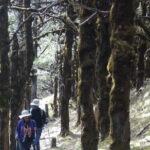
Then you head to the Phobji Nature Trail—about 1.5 hours for the hike portion, with views over Phobjikha valley. A nature trail here isn’t about conquering terrain. It’s about seeing how the valley looks from the inside, on foot.
You finish with the Black Necked Crane Center, where you get information about the winter home of black-necked cranes in Phobjikha valley. Even if you’re not there at peak crane season, this stop helps you understand why conservation and seasonal migration show up in Bhutan’s culture so strongly.
Tip: If you’re sensitive to altitude or cool mountain weather, plan a layer strategy. Even without dramatic weather swings, your body will notice elevation changes.
Gangtey Monastery and Chimi Lhakhang: Punakha’s temple highlights
Day 4 is a classic western Bhutan day: start with a monastery perched for long views, then shift to Punakha’s famous religious sites and fortress atmosphere.
You begin at Gangtey Monastery (Gangtey Gompa), dating back to the 17th century. It’s perched on a small hill above the Phobjikha Valley, so you’re rewarded with sweeping sightlines.
Then you travel toward Punakha and visit Chimi Lhakhang Temple, often known as the Fertility Temple. It’s a well-known stop and is especially associated with the belief tradition around children. Even if you approach it in a secular way, it’s still a fascinating look at how belief shapes what people visit and why.
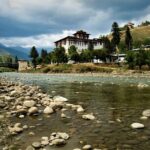
Punakha Dzong follows. This fortress sits at the confluence of the Mo Chhu (Female) and Pho Chhu (Male) rivers. Getting to the dzong means crossing the Bazam Bridge, which ties the architecture to the river-crossing logic of daily life and old travel routes.
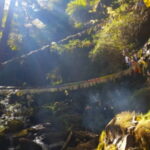
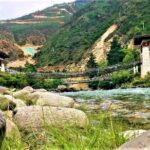
Finally, you add Punakha Suspension Bridge—the longest suspension bridge in Bhutan, measuring 180 meters. This is the kind of moment where the bridge becomes a viewpoint tool. You get river views plus a sense of scale.
Consideration: If you’re prone to motion discomfort, the suspension bridge can feel like a slow sway. Most people find it fine, but bring that awareness.
Khamsum Yulley Namgyal Chorten and Paro’s fortress layer
Day 5 is where the trip starts to “stack” experiences: a hike, a ridge-top chorten view, then more fortress-and-museum time in Paro.
You begin with Khamsum Yulley Namgyal Chorten, including a hike to reach it. The setting matters: you’ll be looking at rice terraces along the river from a ridge. It’s one of those landscapes where the view makes the effort feel worth it because it ties farming to faith.
Then you go to Rinpung Dzong, also known as Paro Dzong. It houses both monastic bodies and district government offices, including local courts. It was built in 1644 under the order of Zhabdrung Ngawang Namgyal. This is a big detail because it reinforces a key Bhutan pattern: religious authority and civic life are intertwined in the dzong system.
After that, you visit the National Museum near Paro Dzong. If you want a single place to get your mind around Bhutanese heritage through preserved artifacts, this helps.
You also stop at Namgay Artisanal Brewery in Paro. There’s no price info here beyond what’s listed as not included, but the key thing is simple: it’s a beer and apple cider stop with multiple beer types. If you don’t drink, you can treat it as a cultural palate stop rather than a must-do.
What to do if you dislike brewery stops: Tell your guide you’d rather swap time here for a different viewpoint. Since your tour is private, flexibility is usually easier to request.
Taktsang morning hike plus Tshering Farmhouse dinner and hotstone bath
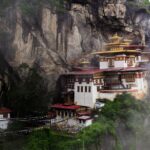
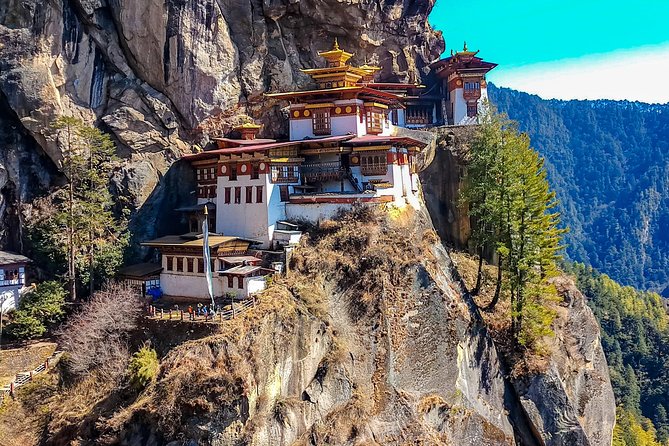
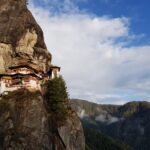
Day 6 is the day most people remember, and for good reason. You do the Paro Taktsang breakfast hike to Taktsang Monastery, perched on a cliff in the upper Paro Valley.
The walk is about 2 to 2.5 hours one way. That’s substantial. This isn’t a quick photo walk—you’re committing to a hike, and the payoff is that the monastery feels dramatic, not just scenic.
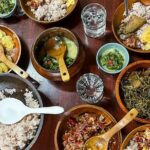
After the monastery, you transition into something more human: Tshering Farmhouse. This is a visit to Bhutanese homes for dinner with local hospitality. It also matches the tour’s promise of traditional experience time, including the traditional hotstone bath element mentioned in the overview. If you’ve only experienced Bhutan from temple steps and car windows, this is where the country changes from scenery to daily life.
You finish with a stroll around Paro downtown for shopping. It’s your chance to pick up small gifts and crafts if you didn’t do enough browsing earlier.
Planning tip: The Taktsang morning hike sets the energy level for the rest of your day. Keep your evening flexible and don’t schedule anything intense after dinner.
Price and value: what $1,350 includes, and what you must budget separately
The headline price is $1,350 per person for 7 days (about 6 nights). For Bhutan, that’s not just a “ticket price.” It bundles major pieces that otherwise eat your time and attention:
- Private transportation and 3-star accommodation
- A licensed Bhutanese tour guide
- Monument fees for dzongs and temples plus museum fees
- Bottle of water in the car
- Meals: 6 breakfasts, 6 lunches, and 6 dinners
Here’s the part to calculate clearly: the big government fees are not included. You still need to budget:
- Sustainable Development Fee (SDF): $600 per person
- Visa fee: $40 per person
- Your flight
- Drinks & beverages
- Personal expenses like laundry and tips
- Travel insurance
So, your realistic base budget before flight is closer to $1,990 per person (plus drinks and incidentals), depending on how you manage beverages and personal spending.
I like this pricing structure because it reduces uncertainty. Once the meals and site fees are covered, you spend your mental energy on the day itself, not on constantly checking what costs extra.
One more practical note: this tour tends to book far ahead. If you’re set on a specific week, you’ll want to start early.
Who this Western Bhutan tour fits best
This works best if you want a well-paced introduction to western Bhutan without jumping between hotels constantly. The mix of Thimphu landmarks, Gangtey/Phobjikha valley nature, Punakha fortress temples, and the Paro Taktsang hike creates a complete “west of Bhutan” story.
You should feel comfortable booking if:
- You like a mix of religion, views, and practical cultural stops (paper making, postal museum, craft market)
- You don’t mind hikes: Taktsang plus additional trail time in Phobjikha and Punakha
- You prefer having meals handled, with a guide to manage timing and entry
You might want a different style of trip if you’re expecting mostly short walks and lots of free afternoons. The day-to-day structure is active by design.
Should you book this 7-day Western Bhutan tour?
If your goal is to experience western Bhutan in one focused week—without spending your time figuring out logistics—this tour is a strong choice. I’d book it if you’re excited for Taktsang, you want Punakha’s dzong-and-river energy, and you like the idea of pairing major sights with hands-on culture stops like Jungshi handmade paper and the Bhutan Postal Museum.
I would hesitate only if you can’t handle multiple hikes. The route includes real walking time, including the Taktsang monastery hike that’s about 2 to 2.5 hours one way.
FAQ
What is the duration of the Western Bhutan 7-day tour?
It runs for 7 days (about 6 nights).
Where does the tour start and end?
It starts at Paro Airport in Bhutan and ends back at the same meeting point.
Which places in western Bhutan will I visit?
You’ll cover Paro, Thimphu, Gangtey, and Punakha.
Is pickup included?
Yes, pickup is offered, and private transportation is included.
What meals are included in the tour price?
Breakfast (6), lunch (6), and dinner (6) are included.
What is included in the price of $1,350 per person?
Included are private transportation, 3-star accommodation, a licensed Bhutanese tour guide, bottle of water in the car, monument fees (dzongs and temples) and museum fees, and the scheduled meals.
What fees are not included?
Your flight is not included. Drinks and beverages are not included, and the Sustainable Development Fee (SDF) of $600 per person and a visa fee of $40 per person are not included. Personal expenses like laundry and tips, plus travel insurance, are also not included.
Is the Taktsang hike included?
Yes. You’ll do the Paro Taktsang breakfast hike to Taktsang Monastery, and the admission ticket is included.
How much hiking is involved besides Taktsang?
You also have a hike on the Phobji Nature Trail (about 1.5 hours) and a hike to Khamsum Yulley Namgyal Chorten (about 2 hours).
Is this tour private?
Yes, this is a private tour/activity, and only your group participates. It’s geared for travelers with moderate physical fitness.