REVIEW · PARO
10 Days Bhutan In-depth Culture & Nature Travel Experience
Book on Viator →Operated by Bhutan Acorn Tours and Travel · Bookable on Viator
Bhutan changes your pace fast. This 10-day trip pairs responsible, low-impact travel with real cultural sites across valley, fort, and monastery country.
What I like most is how the days stay balanced: you get major Bhutan landmarks like Punakha Dzong and Paro Taktsang, plus quieter, more local-feeling hikes and village time. I also really appreciate the hands-on feel from the licensed guide and driver team, with names like Tashi, Norbu, Gyeltshen, and Nidup popping up in standout feedback from past groups.
One thing to consider: this isn’t a sit-and-shop itinerary. You’ll face early starts and several multi-hour walks and car days, and the longer hikes really do take time on your feet.
In This Review
- Key highlights
- Paro to Thimphu: your first taste of Bhutan’s mix of city and faith
- Royal Takin Preserve to Punakha Dzong: icons, then river-valley scale
- Phobjikha Valley ridge hike and Gangtey Nature Trail: monks, pine forest, and open air
- Trongsa fortress and the Yotongla pass road to Bumthang: the journey is part of the point
- Tang Valley Burning Lake and Tamshing Lhakhang: sacred objects, then story-rich temple time
- Domestic flight to Paro and Ta Dzong: the 17th-century watchtower museum day
- Chele La to Haa Valley: a less visited Bhutan with older temples
- Katsho Goemba farmers: learning how daily life fits the land
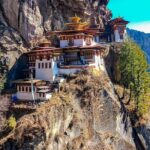
- Paro Taktsang (Tiger’s Nest): a classic hike with cliffside drama
- Final transfer back to Paro Airport: don’t stress the last step
- Price and value: what $3,300 per person really covers
- Responsible Bhutan: authentic culture with minimal impact
- Prep tips: altitude, early mornings, and hike timing
- Should you book this 10-day in-depth Bhutan culture and nature tour?
- FAQ
- Where does the tour start?
- Where do I go at the end of the trip?
- Is a domestic flight included?
- What kind of accommodations are included?
- Are meals included?
- Are entry fees included?
- Do I need to arrange my own visa?
- How large is the group?
- How long is the hike to Paro Taktsang?
- What’s not included in the price?
Key highlights
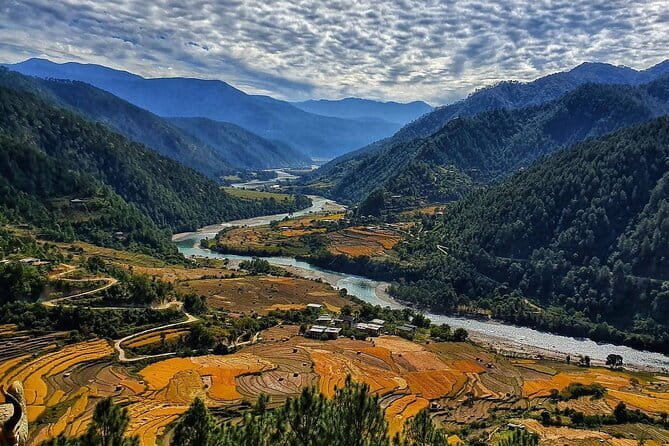
- Paro Taktsang on an 800-meter cliff with a round-trip hike of about 4-5 hours
- Bumthang to Paro via a domestic flight, saving you backtracking across mountain roads
- A licensed English-speaking guide and a driver who can keep long travel days moving
- Haa Valley with limited international tourism (opened in 2002, with high-end hotels banned)
- A route that mixes fortresses, monasteries, and nature trails instead of only temple touring
- Meals, entry fees, and transport included, so your daily budget feels calmer
Paro to Thimphu: your first taste of Bhutan’s mix of city and faith
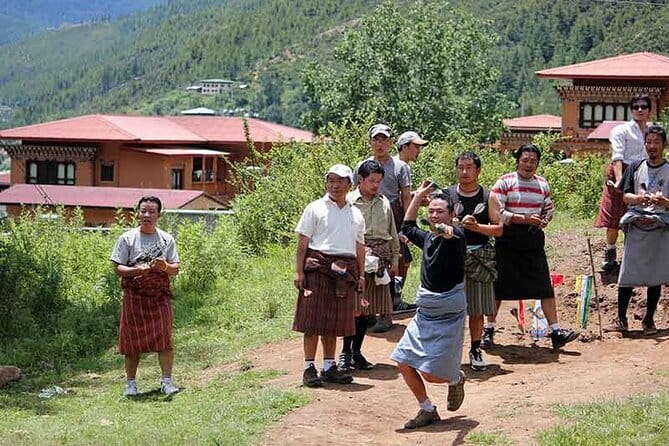
Your trip starts with pickup at Paro International Airport, then you head to Thimphu, about 1.5 hours away. Thimphu is Bhutan’s capital and it’s the place where religion and commerce overlap in the same small city energy. You’ll likely settle into the rhythm quickly because the schedule doesn’t waste time.
I like this first transfer because it’s “warming up” without being boring. You get oriented fast: how people move through the city, how the pace feels, and how the rest of your trip will likely go—short waits, lots of looking, and then off again.
A practical note for day one: because your start is airport-to-city, you’ll want to keep your first-day plan simple. Pack layers, keep water handy, and trust that the guide will set the tempo for the week.
You can also read our reviews of more tours and experiences in Paro.
Royal Takin Preserve to Punakha Dzong: icons, then river-valley scale
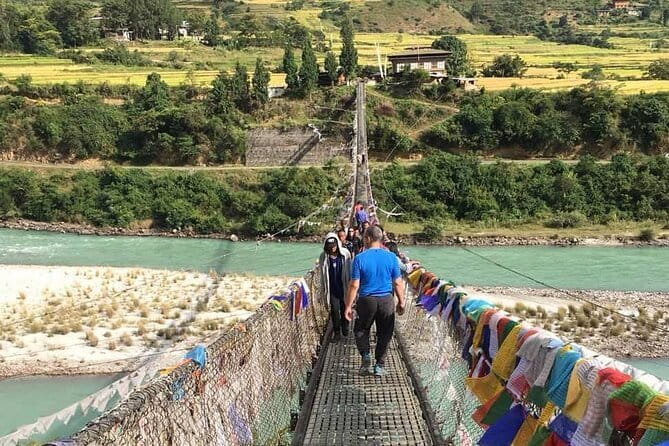
Before heading toward Punakha, you visit Bhutan’s Royal Takin Preserve. This is Bhutan’s national animal, the takin, and it’s a fun early reminder that this country protects wildlife as seriously as it protects temples.
Then you drive to the Punakha valley and, if timing allows, visit Punakha Dzong. The big draw here is the story: it was originally built in 1637 by Zhabdrung Ngawang Namgyel, a key figure who founded the national state of Bhutan. Expect a focused visit—about an hour is built in—so you can absorb what you’re seeing without sprinting through it.
This day works well if you like contrasts. You’re moving from an animal preserve into a fortress-temple setting, and the change in scenery helps your brain reset. Just remember that “included” still means you’re on your feet and in vehicles for a good chunk of the day.
Phobjikha Valley ridge hike and Gangtey Nature Trail: monks, pine forest, and open air
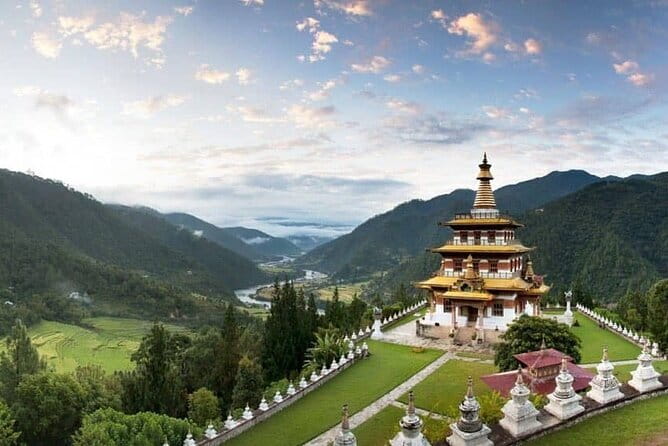
A great portion of the trip is the mix of a temple setting plus actual walking through nature. You start early with a hike to Khamsum Yuelley Namgyel Chorten on a ridge, with a round-trip walk of about 2.5-3 hours. The payoff is the view over the Punakha valley area, with the hike moving through countryside scenery along the way.
After that, you shift into Phobjikha Valley time and head to Gangtey Nature Trail. You’ll meet monks first, then continue onto a roughly 2.5-hour hike through pine forests, grasslands, traditional farmhouses, and a scenic stretch of open space. The trail length is “doable,” but it’s long enough to feel like you earned your photos.
I like how this day doesn’t treat religion and nature like separate boxes. The monastery stop gives you the human side, and the hike gives you the land-based side. If you tend to rush on vacation, slow down here. This is the day where your attention should wander—politely—and take it all in.
Trongsa fortress and the Yotongla pass road to Bumthang: the journey is part of the point
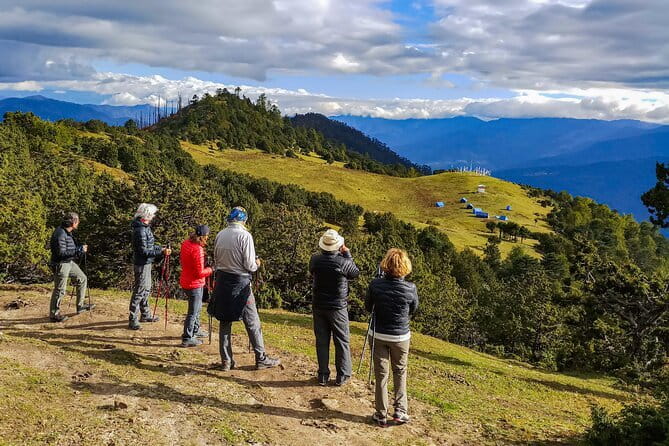
Travel days in Bhutan aren’t just transfers. The road experience matters because the scenery changes as elevation and valleys shift.
From Thimphu-area positioning, you set out for Trongsa District, with about a 4-hour drive. The stop is the largest fortress in Bhutan, and it’s a strong “big-picture” moment: Bhutan’s architecture and power history show up clearly when you look at fort size and placement. After lunch in Trongsa, you continue onward toward Bumthang (often associated with the Jakar area).
The route includes Yotongla mountain pass at 3,425 meters. It’s a reminder that you’re not just sightseeing at ground level—you’re traveling across real altitude. If you’re the type who gets lightheaded easily, this is where you take your time, sip water, and avoid sprinting from vehicle to viewpoints.
There’s also a village stop in the Chumey area, built into the drive. You get to break up the day with something more local than another temple hall.
Tang Valley Burning Lake and Tamshing Lhakhang: sacred objects, then story-rich temple time
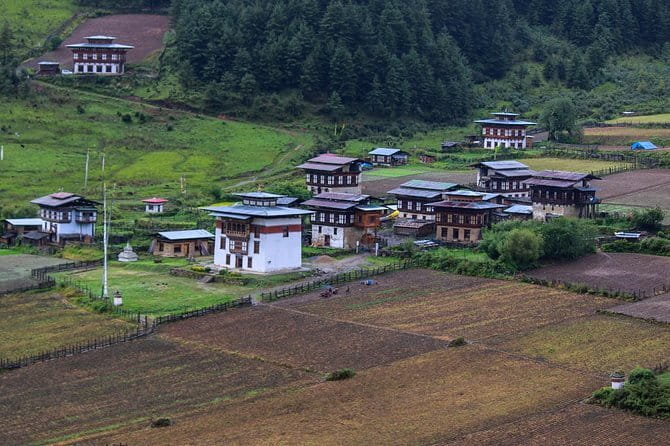
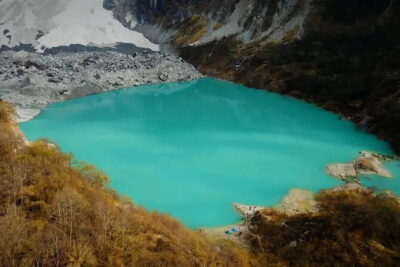
One of the most intriguing days is built around Tang Valley, about 45 minutes from Chamkhar. The spotlight is Mebartso, the Burning Lake. The description notes that a sacred object was discovered there in the 15th century, which adds mystery without needing extra drama.
After time in Tang Valley, you head back to proper Bumthang and visit Tamshing Lhakhang. This temple was built in the early 16th century by Terton Pema Lingpa. You’ll spend about two hours here, including time to see the temple’s key relics, including a sacred statue.
I like that this day feels like two different flavors of spiritual culture. One is tied to a natural feature with a discovery story. The other is a structured temple visit with lineage and relic focus. If you enjoy learning the “why” behind places, this day is one to pay attention on rather than just photograph.

Domestic flight to Paro and Ta Dzong: the 17th-century watchtower museum day
On your way back toward Paro, you switch gears. You take a 30-minute domestic flight from Bumthang to Paro on the schedule, which is a smart way to cut down on long road time.
In Paro, you visit the National Museum in Ta Dzong, a 17th-century watchtower. This is one of the best ways to cool down after travel and still move your understanding forward. A museum visit also helps you connect dots between fortresses, temple styles, and Bhutan’s cultural logic.
This is the day I recommend going a bit slower with your attention. Instead of rushing from room to room, pick one or two topics that catch your eye and let them steer your questions for the guide.
Chele La to Haa Valley: a less visited Bhutan with older temples
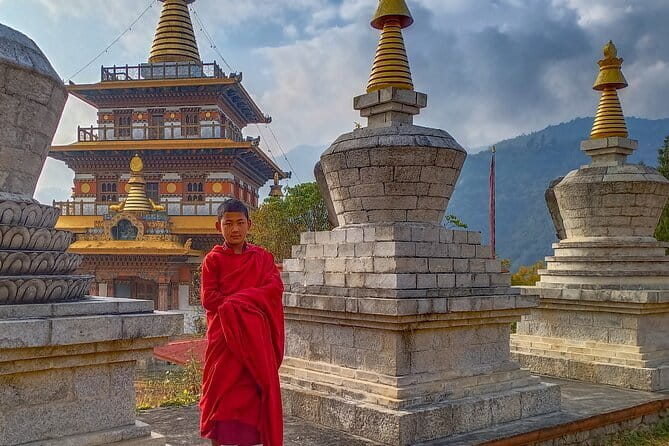
Next comes the quieter side of the route. You rise early and head to Chele La and then down into Haa Valley, which was opened to international tourism only in 2002. The description also notes that development is restricted—high-end hotels are banned, which helps keep the area from feeling like a theme park.
In Haa Valley, you visit two of the oldest temples: Lhakhang Karpo (White Temple) and Lhakhang Nagpo (the Black Temple). One is described as 7th-century, and the visit is about three hours total.
This part of the trip is valuable because it reduces repeat scenes. Thimphu and Punakha are strong, but Haa is where you feel the difference between “well-known” and “still living.” If you like seeing places at a human scale, this day is a highlight.
Katsho Goemba farmers: learning how daily life fits the land
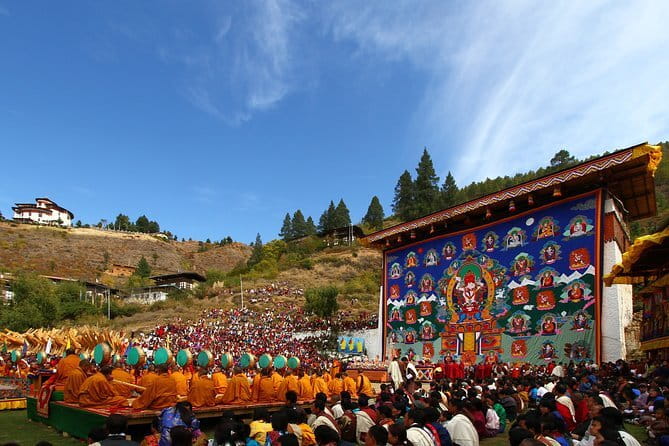
You’ll spend time in the village of Katsho Goemba, with a focus on meeting local farmers and learning about their daily lives. This isn’t just a quick stop for pictures—it’s scheduled at about five hours, which signals that you’re expected to slow down and talk.
The tour setup emphasizes living in harmony with nature around them, which matters in Bhutan because it’s not only a cultural slogan. It shapes how people farm, build, and manage time.
I love days like this because they give your trip texture. Temples and fortresses explain the past. Village interactions help you understand the present.
Paro Taktsang (Tiger’s Nest): a classic hike with cliffside drama
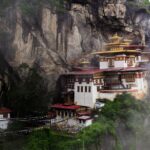
Few Bhutan sights are as recognizable as Paro Taktsang, also known as Tiger’s Nest. Your hike starts after breakfast and goes to a monastery on the face of a sheer 800-meter rock cliff.
The round-trip hike is listed as about 4-5 hours for most visitors. The schedule also recommends starting early, and you should take that advice seriously. Early starts make the day feel calmer and help you avoid the late-day rush feeling.
Practical tip: treat this hike like a real hike, not a stroll. Wear comfortable shoes, plan to take breaks, and don’t judge your pace too quickly. If you pair good pacing with steady walking, the views and setting land better than if you rush.
Final transfer back to Paro Airport: don’t stress the last step
Your final day is straightforward. After breakfast, you’re transferred to Paro International Airport for your onward journey. The time on the schedule is about 30 minutes, and your guide assists with exit formalities before you check in.
This matters more than it sounds. Bhutan travel involves specific timing, and having a guide handle the paperwork step reduces stress right when you’re tired.
Now you can walk out with your head clear and your phone charged, instead of searching for counters and rules while your jet lag fights you.
Price and value: what $3,300 per person really covers
At $3,300 per person, you’re paying for a lot that most travelers end up piecing together on their own. The big value points are all meals (breakfast, lunch, dinner plus light snacks), twin-sharing accommodations in 3-star hotels certified by the Tourism Council of Bhutan, and all ground transportation, including round-trip airport transfers.
Also included is the domestic flight from Bumthang to Paro, plus an experienced English-speaking licensed guide. Entry fees and internal taxes for the listed services are covered too. On top of that, the tour includes the visa fee and processing.
What’s not included is worth planning for: travel insurance, your international flights, alcoholic beverages, laundry, telephone call charges, emergency evacuation, and tips for guide and driver. If you like to drink during meals or you’re the type who forgets insurance until the last minute, factor that in early.
Net: this price can feel fair if you compare it to booking hotels, guides, entry fees, internal flights, and meals separately. It feels less fair only if you’re already set up to self-tour or you don’t want any hike time.
Responsible Bhutan: authentic culture with minimal impact
The trip is described as responsible and sustainable, designed to support local communities directly and keep a minimal environmental impact. While you can’t measure “impact” in a simple spreadsheet, you can see the shape of that approach in how the day-to-day works.
You travel with a licensed local guide, and you spend time at cultural and community-focused stops rather than only scenic lookouts. Your group size is capped at 12 travelers, which tends to keep the experience from turning into a loud, high-throughput sightseeing line.
You’ll also notice the itinerary leans into monasteries, fortresses, and nature trails, with real walking time built in. That’s often where authentic culture happens—less in rushed photo stops, more in patient observation and conversation.
Prep tips: altitude, early mornings, and hike timing
This tour has a clear physical rhythm. Several days include hikes of 2.5-3 hours, and your big mountain hike is Paro Taktsang at 4-5 hours. You’ll also deal with long road days, including a drive that totals about 4 hours toward Trongsa and another day that passes the 3,425m Yotongla pass.
So, pack for variation: thin layers for mornings, a warmer layer for higher elevations, and shoes you trust on uneven paths. On hike days, plan to move slowly the first 20 minutes. Your body adjusts faster than your ego does.
One more practical thing: since the schedule repeatedly starts you early—especially around ridge hikes and mountain pass driving—set your phone alarm and ignore the urge to snooze. You’ll get more out of the day when you’re not half-awake.
Should you book this 10-day in-depth Bhutan culture and nature tour?
If you want a Bhutan trip that mixes temples, fortresses, village life, and real hikes with the logistics handled, this is a strong fit. The route balances big landmarks like Punakha Dzong and Tiger’s Nest with quieter, less-touristed areas like Haa Valley and community-focused time in places such as Katsho Goemba.
I’d especially recommend it if you like traveling with a small group and you’re happy to walk for hours as part of seeing Bhutan properly. If you get cranky with early mornings or you need a very low-activity vacation, this might feel too structured.
Finally, pay attention to the guide-and-driver element. Past feedback highlights care and communication, including standout names such as Tashi, Sonam, Norbu, Nidup, Gyeltshen, and others. In a trip like this, that human support can make the difference between seeing Bhutan and understanding it.
FAQ
Where does the tour start?
The tour starts at Paro Airport in Bhutan, with your guide and driver meeting you on arrival.
Where do I go at the end of the trip?
On the last day, you transfer to Paro International Airport for onward travel, with your guide assisting with exit formalities before check-in.
Is a domestic flight included?
Yes. There is a domestic flight from Bumthang to Paro on Day 06, included in the tour.
What kind of accommodations are included?
You get twin-sharing accommodation at 3-star hotels certified by the Tourism Council of Bhutan.
Are meals included?
Yes. All meals are included: breakfast, lunch, and dinner, plus light snacks (with breakfast listed as 9 times and lunch/dinner each listed as 9).
Are entry fees included?
Yes. The tour includes all entry fees and all internal taxes for the services listed.
Do I need to arrange my own visa?
No. The tour includes visa fee & processing, and you receive an e-Visa within 4-5 business days.
How large is the group?
The tour has a maximum of 12 travelers.
How long is the hike to Paro Taktsang?
The round-trip hike takes about 4-5 hours for most visitors.
What’s not included in the price?
Not included are travel insurance, international flights, alcoholic beverages, laundry, telephone call charges, emergency evacuation, and tips to the guide and driver, plus personal expenses.