REVIEW · KATHMANDU
Kathmandu: 6 Days Langtang Valley Trek with Kyanjin Ri
Book on GetYourGuide →Operated by MTA Trekking Pvt. Ltd. · Bookable on GetYourGuide
Langtang is the kind of trek that feels personal fast. I love how this route mixes big Himalaya views with real village life, from the Langtang River trails to Tamang stops like monasteries and cheese-making. I also like that the optional Kyanjin Ri sunrise hike gives you a clear “why we came” payoff.
One thing to consider: altitude. Langtang and especially the Kyanjin Ri climb can trigger AMS symptoms in some people, even if you feel fine at the start. Plan your pace, listen to your guide, and don’t treat the climb like a race.
If you want a short trekking adventure with warmth, good organization, and time for breaks, this is a smart pick. You’ll hike remote trails, sleep in mountain towns, and come back with stories that don’t fade quickly.
In This Review
- What Makes This Trek Worth Your Time (6 quick hits)
- The Big Picture: Langtang Valley in 6 Days
- Kathmandu to Syabrubesi: Start With a Real Mountain Gateway
- Pahiro to Ghoda Tabela: Forest Trails, Waterfalls, and Peak Glimpses
- Ghoda Tabela to Kyanjin Gompa: Tamang Life at High Elevation
- Kyanjin Gompa to Thangsyap: The Optional Kyanjin Ri Push
- Thangsyap to Syabrubesi: The Long Way Back With Fresh Perspective
- Returning to Kathmandu: Time to Reset
- Price and Value: What $179 Really Buys You
- Guides, Pace, and Safety: Why Organization Matters on a Short Trek
- What to Pack (So You Don’t Suffer for No Reason)
- Day-by-Day Reality Check: What Each Stop Feels Like
- Who This Trek Fits Best
- Should You Book It?
- FAQ
- How long is the Langtang Valley trek?
- Where does the trek start from, and is pickup included?
- What’s the highest point on the optional route?
- What’s included in the trek package?
- Are meals included?
- What should I bring for the trek?
- Is alcohol allowed during the trek?
What Makes This Trek Worth Your Time (6 quick hits)
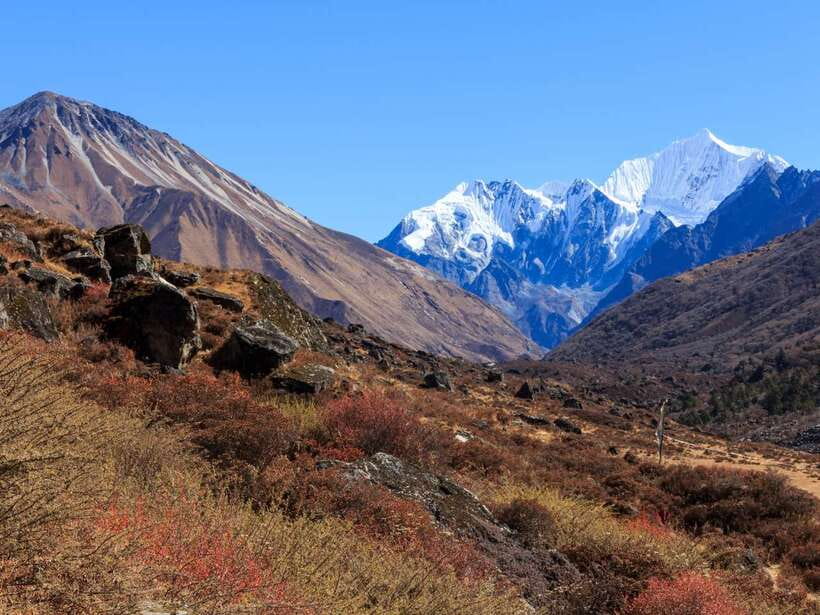
- Tamang culture on the trail: You’re not just walking through scenery; you’re passing daily life in Tamang villages.
- Kyanjin Gompa and its monastery visits: You get a spiritual stop that also helps you understand how people live in the mountains.
- Kyanjin Ri at dawn (optional): The highest-effort moment comes with big panoramic payoffs when visibility cooperates.
- Guides who manage your pace: Names like Ghanshyam and Sudarshan show up in feedback for caring, flexible guidance.
- Private group feel on a fixed trek: You get your own party with an organized plan, not a chaotic free-for-all.
- Permits and paperwork handled: Trekking permits and TIMS/Trekkers’ Information Management System fees are included, which saves you stress.
The Big Picture: Langtang Valley in 6 Days
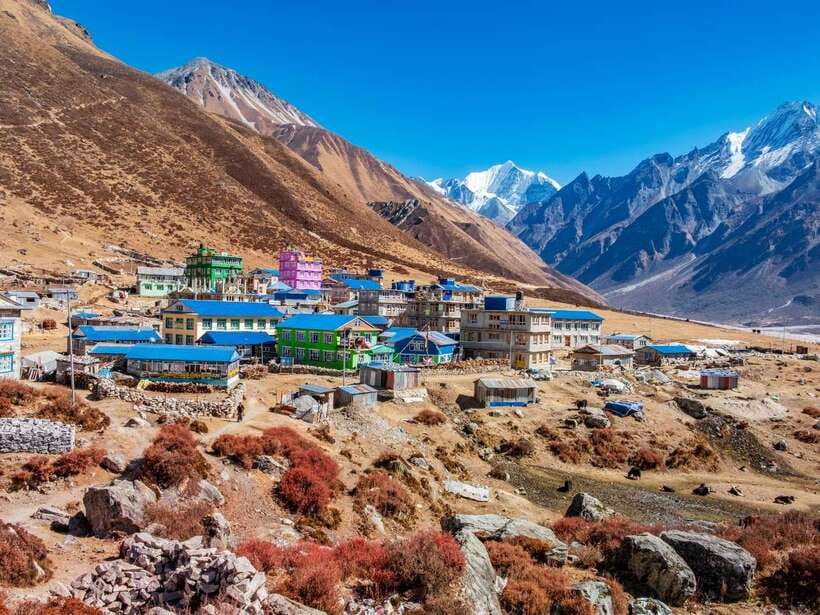
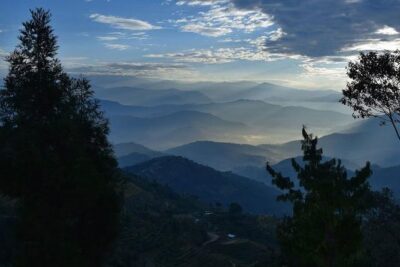
Langtang Valley is a smaller trek than the most famous Everest routes, but it delivers the same “wow” factor in a more human-sized package. You’ll spend your days moving through forests, stone villages, and mountain views that keep widening as you gain elevation.
What makes this trek particularly appealing is the mix of nature and culture. You’ll walk the Langtang River area, cross rhododendron-covered terrain depending on season, and then reach Tamang community stops where monastery life and local food matter.
You’re also not stuck with just sightseeing. You can choose the optional Kyanjin Ri hike if you’re feeling steady that morning. It’s the kind of climb that turns into a morning mission: head out early, work for the views, then return with tired legs and a clear sense of achievement.
You can also read our reviews of more hiking tours in Kathmandu
Kathmandu to Syabrubesi: Start With a Real Mountain Gateway
The trek begins with hotel pickup in Kathmandu. The driver meets you about 10 minutes before the scheduled time, holding a sign with your last name, so you don’t end up wandering the lobby like a lost extra in a movie.
From Kathmandu, you’ll travel to Syabrubesi, the classic gateway to the Langtang region. This part matters more than people think. The road time gives you a buffer to get your gear organized and settle into the rhythm before you start hiking seriously.
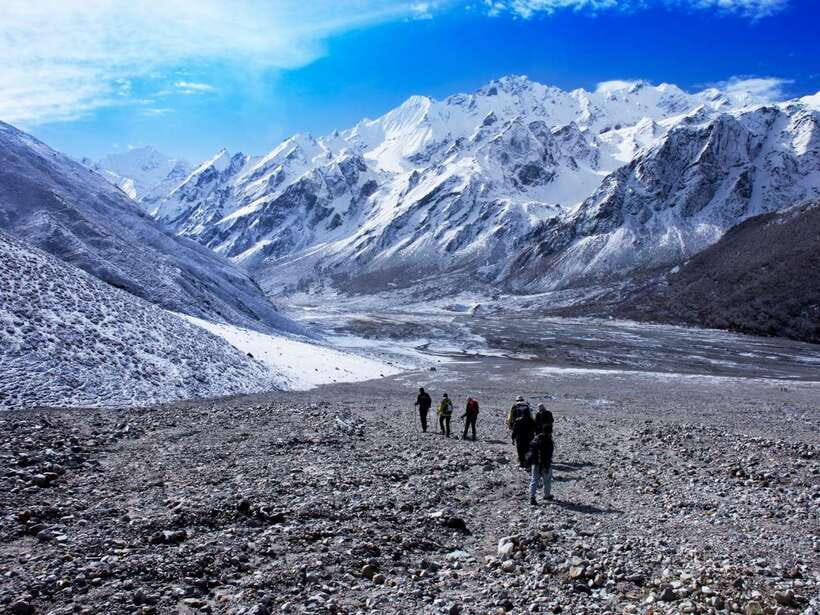
Then you move into the first hiking segment toward Pahiro (1,550m). This day is about easing in. Expect peaceful walking along the Langtang River and forest paths, with enough scenic variety to keep it interesting while your body adjusts.
Practical note: this first day is often when you learn how your pack feels. If you’re carrying extra water or snacks that you don’t need, you’ll feel it early. Don’t be shy about distributing weight and keeping your essentials accessible.
Pahiro to Ghoda Tabela: Forest Trails, Waterfalls, and Peak Glimpses
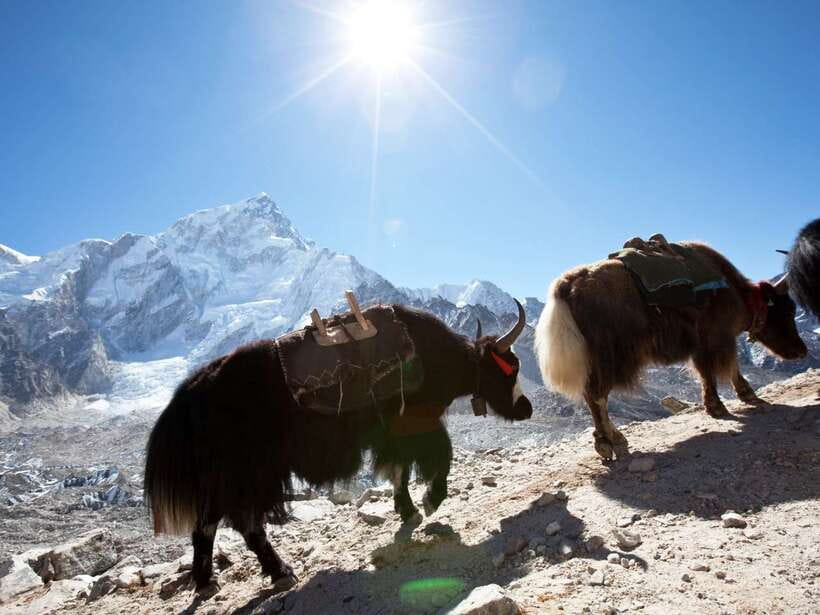
On the next stretch, the route climbs to Ghoda Tabela (2,900m). You leave the early comfort zone behind and start seeing more dramatic terrain shaping the valley.
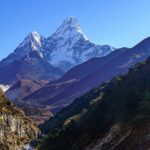
This day typically feels like a long, steady conversation between trees and stone. You’ll walk through greener forest segments, pass small village areas, and catch moments of waterfalls. And when the light hits right, you’ll get first glimpses of snow-capped peaks.
Why this matters: it’s not just “pretty.” It’s acclimatization by design. You’re rising gradually while the trail keeps you moving in a manageable way. If you’re prone to getting winded, this is the kind of day where a guide who encourages regular stops can make the difference between enjoying the hike and counting minutes.
If you’re booking with a team that assigns a guide and porter, it can also change the feel of the day. One feedback highlight: guides like Ghanshyam and porters (like Projol mentioned in one account) helped keep people comfortable and in control of pace.
Ghoda Tabela to Kyanjin Gompa: Tamang Life at High Elevation
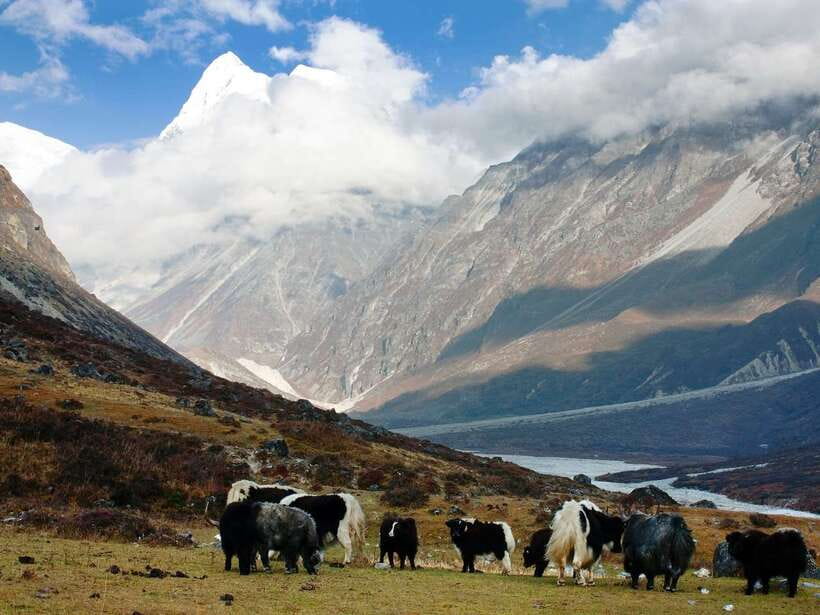
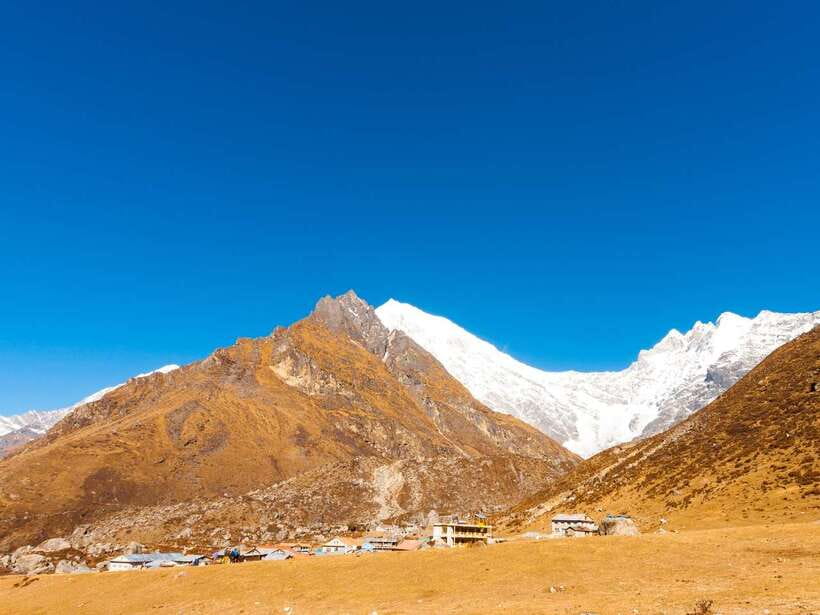
Now you’re heading toward Kyanjin Gompa (3,870m), and the trail starts to feel like it’s stepping into a different world. The higher elevation tightens the air. Your breathing becomes more deliberate.
This is also the point where culture becomes a major part of the experience, not an afterthought. You’ll continue meeting Tamang community presence along the way and reach the traditional high-mountain village centered around the monastery.
At Kyanjin Gompa, you get a meaningful visit to ancient monastery spaces. You also have time to visit a local cheese factory and spend time with friendly locals. That cheese stop isn’t just a quirky roadside moment. It’s a window into how people make and sustain food in a place where supplies aren’t easy.
The tradeoff here is physical. You’ll be higher, so rest matters. If you’re prone to headaches or nausea, tell your guide quickly. The altitude affects everyone differently, and a good leader will slow you down when needed.
In multiple accounts, Ghanshyam was praised for checking in on health and adjusting breaks so the trek felt manageable, especially for first-time trekkers.
Kyanjin Gompa to Thangsyap: The Optional Kyanjin Ri Push
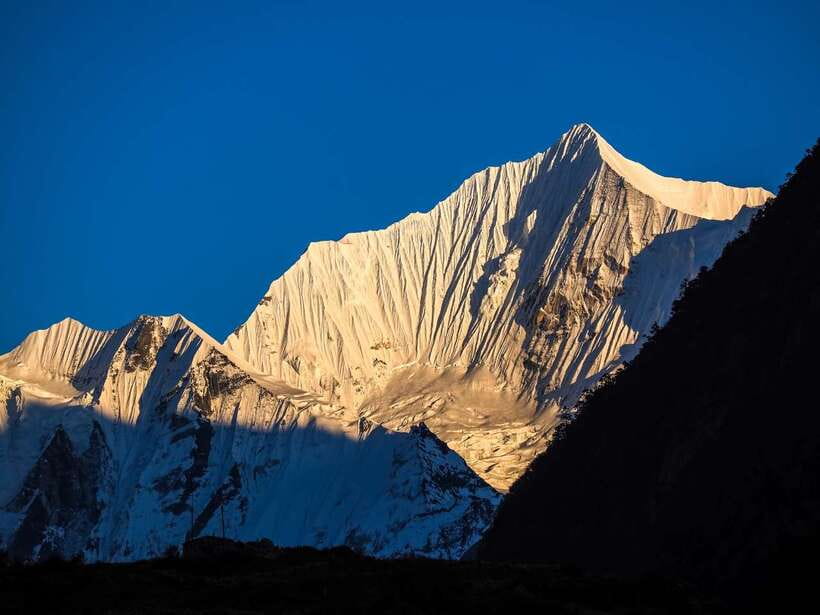
This day is the decision day. Start in the morning from Kyanjin Gompa, then choose whether to go for Kyanjin Ri (4,770m).
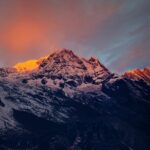
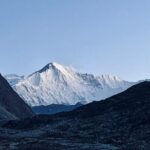
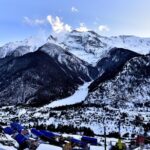
If you do the optional hike, it’s challenging. That’s not a marketing line—it’s just physics. Higher elevation plus a steep early start means you’ll work for every gain. But when visibility is clear, the reward is the kind of panoramic view you remember for years: snow-covered peaks, glacial valleys, and a sense that you’re watching the Himalaya on a giant stage.
Even if you choose not to hike to the summit, you’ll still descend to Thangsyap (3,200m) later, which gives your body a welcome break. That up-and-down shape is useful for managing fatigue and altitude stress.
How to plan your energy: treat Kyanjin Ri like a slow climb, not a sprint. Go steady, drink water, and keep your effort consistent. Your guide can help pace you so you’re not burning out before the viewpoints.
In feedback from different people, sunrise at Kyanjin Ri came up as an absolute highlight when conditions were clear. One person specifically mentioned clear views and wildlife sightings along the way, which is the kind of bonus that makes early starts worth it.
You can also read our reviews of more tours and experiences in Kathmandu
Thangsyap to Syabrubesi: The Long Way Back With Fresh Perspective
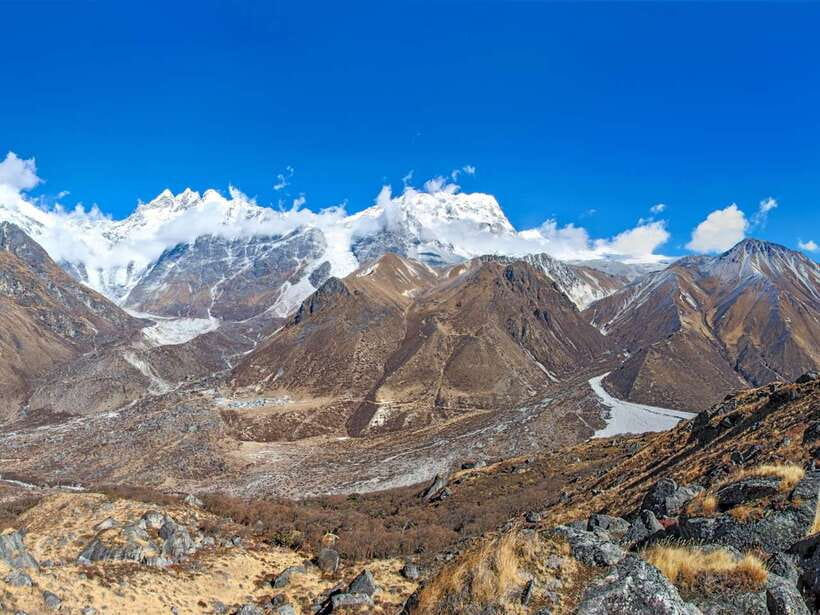
After all that altitude work, the return day is mentally different. You’re going downhill, walking near the Langtang River again, and watching the valley change as you lose elevation.
This segment brings you back toward Syabrubesi (1,550m). You’ll move through forests and follow the quieter flow of the river corridor, with less of the “climb mindset” and more of the “notice everything” mindset.
This is where you’ll appreciate small details: how villages sit against steep slopes, how trails look when the air is less thin, and how your body feels when it doesn’t have to fight altitude every step.
Also, it’s a good day to reflect on your pace decisions. If you didn’t push too hard earlier, you’ll probably feel steady enough to enjoy the final kilometers rather than just “survive” them.
Returning to Kathmandu: Time to Reset
On the last day, you’ll drive from Syabrubesi back to Kathmandu. This is your decompression window. You’ll likely feel the trek in your legs even after a comfortable drive, but it’s a different kind of tired—more satisfaction, less strain.
One practical benefit of a well-run trek: the handoff back to Kathmandu is usually smooth. You’ll already have permits, lodging arrangements, and the route managed, so you’re not figuring it out while sore.
When you reach town, spend your first evening eating something easy and hydrating. The mountain gives you a lot. Your body still needs to catch up.
Price and Value: What $179 Really Buys You
At about $179 per person, this trek can be good value if you line up your expectations with what’s included.
Here’s the value math in plain terms:
- You’re getting hotel pickup and drop-off, trekking permits and necessary paperwork, and the TIMS/Trekkers’ Information Management System fee(s).
- You’re also getting a guide (English, with Hindi also mentioned) and private comfortable accommodations during the trek (listed as five nights).
- There’s transportation to and from the trailhead included as shared transport.
The big “watch the fine print” point is meals. The included meals are described as covering breakfast, lunch, and dinner during the trek for the full package only. If your booking includes those meals, your daily budget stays predictable. If not, you’ll need extra spending for food and drinks.
Also consider what’s not included: travel and rescue insurance (you’ll want your own), Nepalese visa fee and international flights, and personal expenses like bottled/boiled water, soft/hard drinks, laundry, and phone charging.
My take: if you want a short trek with paperwork handled, a real guide, and consistent meals (when selected), this price can make sense. If you’re already paying for extra expenses out of pocket every day, the value drops fast.
Guides, Pace, and Safety: Why Organization Matters on a Short Trek
In a short 6-day trek, you don’t have “time to figure things out.” That’s why guide quality matters.
Names like Ghanshyam and Sudarshan show up in feedback for specific strengths: checking in on wellbeing, adjusting to the group’s pace, answering questions clearly, and keeping people calm when it’s their first long trek. One review also praised the guide for flexibility when logistical issues popped up and for providing important route info ahead of time.
This isn’t soft skill fluff. On an altitude trek, small decisions affect the whole day: when you stop, how fast you climb, how you hydrate, and whether you notice symptoms early.
Porters are also part of the comfort equation. One account highlighted Projol as a professional porter, which is a helpful reminder: if you’re worried about carrying your own pack, using a porter can make the trek feel more enjoyable and less punishing.
And yes—safety came up directly. People felt they’d return to Kathmandu safely because the team kept a close eye on needs and health.
What to Pack (So You Don’t Suffer for No Reason)
You’ll get best results if you bring the basics listed: passport or ID card, sleeping bag, flashlight, sunscreen, hiking shoes, gloves, water, a jacket, trekking gear, and sunglasses.
A few practical packing ideas that match the trek’s reality:
- Sleeping bag matters because mountain accommodation can mean cooler nights.
- Gloves and a jacket are not optional when mornings start early for viewpoints.
- A flashlight helps because you’re waking up before full daylight on summit-style mornings.
- Keep sunglasses and sunscreen handy. Higher elevation sun is no joke.
Also plan for water access. Bottle or boiled water isn’t listed as included, so treat it as a daily expense. If you rely on phone maps or take lots of photos, battery recharge can also become a personal cost.
Day-by-Day Reality Check: What Each Stop Feels Like
Here’s the emotional rhythm you’ll likely experience:
- Day 1: gentle start. You’re learning your walking pace and gear comfort.
- Day 2: forest walking plus gradual climbing. You get your first stronger valley views.
- Day 3: Kyanjin Gompa arrives with big altitude feel. Culture and monastery visits become central.
- Day 4: optional Kyanjin Ri is the effort peak. Sunrise hikes reward discipline.
- Day 5: descent and return. You get relief and time to enjoy the river corridor.
- Day 6: drive back and reset. You’ll feel the trek, but it’s the satisfying kind.
The big drawback risk is altitude, but the fix is simple: pace yourself and communicate early. Guides who adapt your speed make this trek much more comfortable, especially if it’s your first serious hike.
Who This Trek Fits Best
This trek is a strong fit if you:
- want a Himalayan experience without committing to a long multi-week trek
- like culture stops (monasteries and local food production), not just viewpoints
- appreciate a guided plan with private group attention
- may be new to trekking and want support for pacing and breaks
It may be less ideal if you:
- hate cold mornings and early starts, especially if you choose Kyanjin Ri
- have medical concerns that altitude could worsen (in that case, get medical advice first)
- want lots of free time to wander off-route without structure
Should You Book It?
If you want an efficient, scenic, and culturally grounded Himalayan trek, I’d book this—especially if you care about a guide who adjusts to your pace and you’re interested in the monastery and Tamang village feel. The optional Kyanjin Ri sunrise hike is the main reason to pick this route, and when conditions are clear, it sounds like the kind of moment you’ll talk about for a long time.
If you’re uncertain about altitude, don’t skip communication with your guide. Choose your effort level on summit day. With the right pace and care, this 6-day trek can be a real sweet spot: big views, manageable duration, and mountain hospitality that feels human.
FAQ
How long is the Langtang Valley trek?
It’s a 6-day trek, starting in Kathmandu and returning to Kathmandu on the last day.
Where does the trek start from, and is pickup included?
You get hotel pickup in Kathmandu. The driver meets you in the hotel lobby about 10 minutes before the scheduled pickup time.
What’s the highest point on the optional route?
The optional hike to Kyanjin Ri reaches 4,770m.
What’s included in the trek package?
Included details are hotel pickup/drop-off, an authorized English-speaking guide (porter charges extra), trekking permits and paperwork (including TIMS fees), private comfortable accommodation for five nights during the trek, and transportation as per the itinerary for the number of people.
Are meals included?
Meals are included (breakfast, lunch, and dinner) during the trek for the full package only.
What should I bring for the trek?
Bring passport or ID card, a sleeping bag, flashlight, sunscreen, hiking shoes, gloves, water, a jacket, and trekking gear and sunglasses.
Is alcohol allowed during the trek?
Alcohol and drugs are not allowed.