REVIEW · KATHMANDU
Kathmandu: 6-Day Limitless Langtang Trek
Book on GetYourGuide →Operated by Himalayan Nomad Treks Pvt. Ltd. · Bookable on GetYourGuide
Langtang Valley is quiet in all the right ways. This 6-day trek blends Langtang Valley scenery with Tamang village life, monastery calm, and a moderate route that feels realistic for first-time trekkers.
I especially like how the trek builds toward the big views without jumping straight into the deep end. You spend time in the Kyanjin Gompa area, including local spots like monasteries and a cheese factory, before you choose how far to push on the higher side trip; one consideration is that you should be ready for moderate-to-steep hiking days and cold nights if you go for the peak option.
In This Review
- Key things you’ll notice on this Langtang trek
- First stop: Kathmandu to Syabrubesi, then into the forest trail
- Day 2’s goal: Ghoda Tabela’s forests, villages, and waterfalls
- Kyanjin Gompa day: the Tamang heart of Langtang
- Day 4: Thangsyap, plus the Kyanjin Ri peak option
- Day 5: downhill reset toward Syabrubesi
- Day 6: shared bus back to Kathmandu, and your last mountain morning
- The guide and support setup that make this trek feel manageable
- Accommodation and meals: comfortable basics that help you recover
- Weather, packing, and the cold reality at altitude
- Fitness level: moderate trek, but don’t ignore the steep parts
- Price and value: what $181 includes, and what costs extra
- Who should book this Langtang trek
- Should you book Himalayan Nomad Treks’ Langtang 6-day trek?
- FAQ
- What is the duration of the Kathmandu: 6-Day Limitless Langtang Trek?
- Where does the trek start and end?
- What are the highest elevations on this route?
- Are meals included?
- What permits and fees are covered?
- Is a guide included, and what languages do they speak?
- What is included in the price besides the guide?
- What is not included?
- Is this trek suitable for everyone?
Key things you’ll notice on this Langtang trek
- Tamang community encounters: You’ll actually pass through villages and spend time with local people, not just walk past them.
- Kyanjin Gompa area time: Expect monasteries plus practical local life, including a cheese factory.
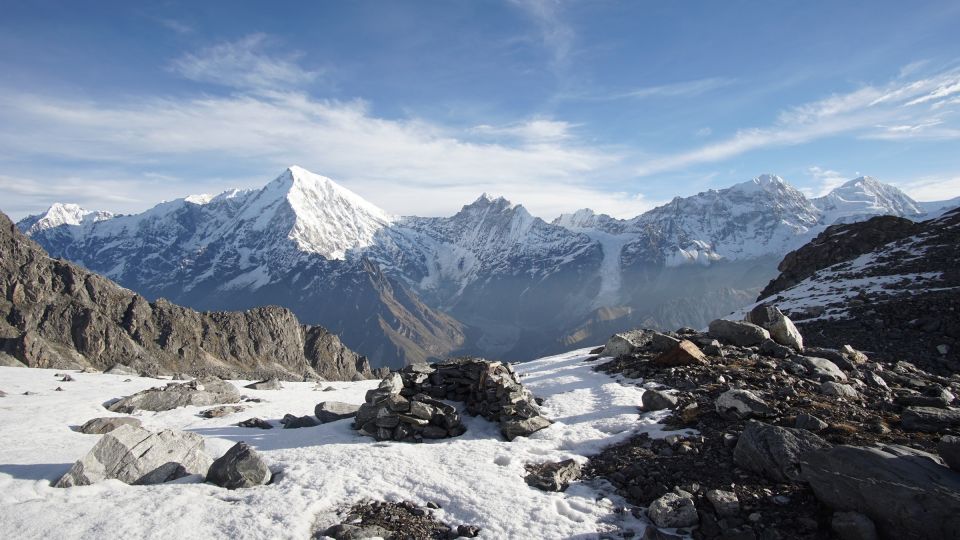
- Peak option, not a forced grind: The Kyanjin Ri side trek to about 4,770m is described as optional/harder, so you can match your fitness.
- A steady altitude rhythm: Days are structured so you sleep at lower elevations after higher efforts.
- Guides who manage the details: Many guides are praised for staying supportive, organized, and helpful with what to do next.
First stop: Kathmandu to Syabrubesi, then into the forest trail
Day 1 starts with a drive from Kathmandu to Syabrubesi. The road ride is long (around 6 hours), but it’s also part of the experience because you watch the terrain shift from busy city energy to river-and-hills country.
Once you reach Syabrubesi, you switch from vehicle to feet. You’ll trek about 2 hours along the forest trail, following a Langtang river. It’s a gentle on-ramp: enough movement to get warm and settled, but not the kind of day that wipes you out before the real trek begins.
If you like the feel of getting your bearings without stress, this day works. You finish in Pahiro at about 1,550m, which is high enough to feel like the hills, but still easy to settle into.
Practical note: this is a place where comfort matters. Your trip includes private comfortable accommodation for five trekking nights, plus luggage storage. That’s helpful because you can pack smarter for the mountains instead of carrying everything at once.
You can also read our reviews of more hiking tours in Kathmandu
Day 2’s goal: Ghoda Tabela’s forests, villages, and waterfalls
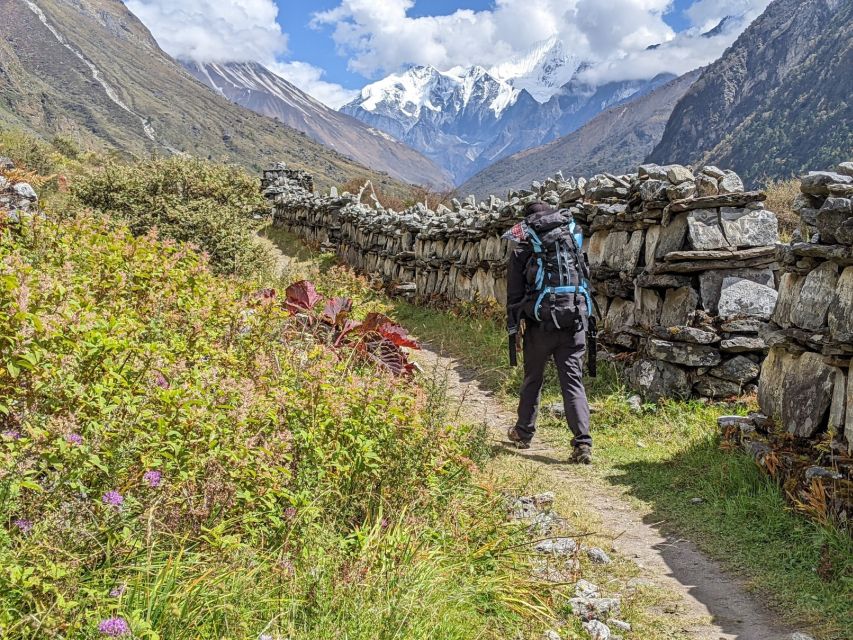
On Day 2 you hike from Pahiro to Ghoda Tabela, reaching about 2,900m. The day is described as around 6 hours of trekking, and it fits the tone of the whole route: rewarding, but not a walk in the park.
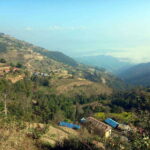
What makes this stretch feel special is the mix. You pass through lush green forest sections, then break into views of villages and water—cascading waterfalls along the way. This is the part of the trek where the trail feels alive: you’re moving through a working valley, not just marching through empty wilderness.
Ghoda Tabela is also a good “breather” stop. You spend the night there, and that helps your body adjust to altitude while you build trekking stamina.
Value detail: the trip is priced at about $181 per person for six days, and the itinerary includes the trekking permits and paperwork, plus the TIMS-related fee. Those aren’t small items in Nepal, so getting them handled means you don’t waste time or worry about compliance.
Kyanjin Gompa day: the Tamang heart of Langtang
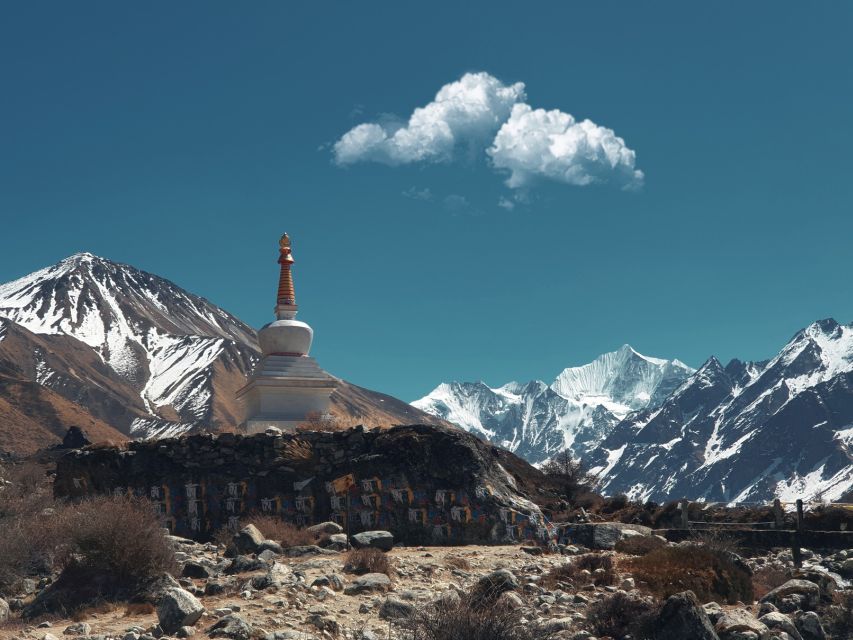
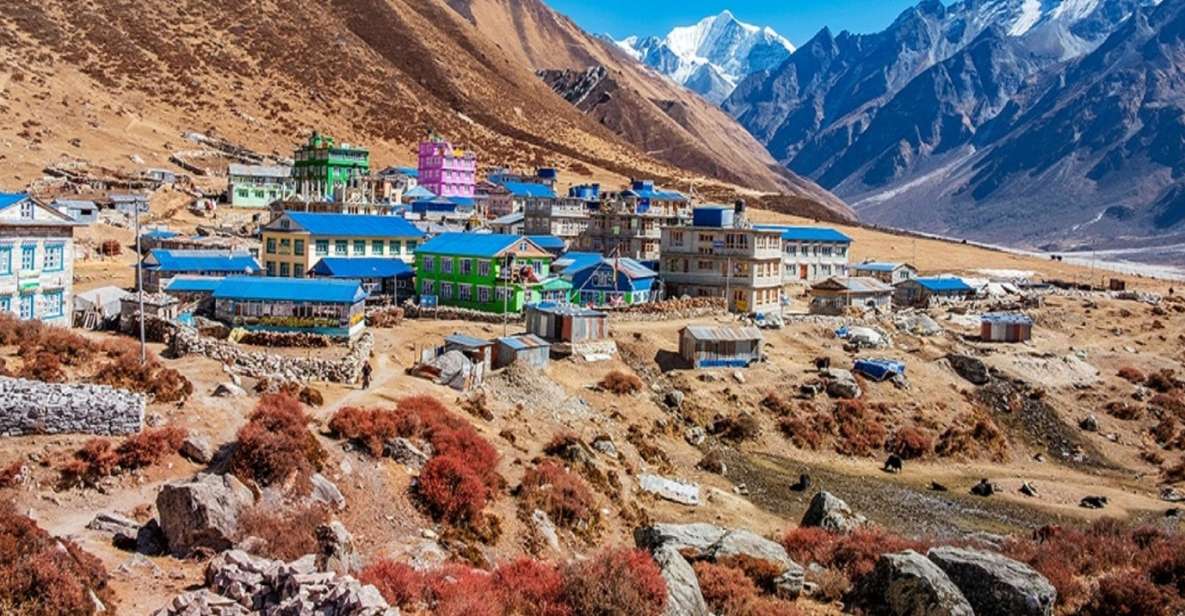
Day 3 takes you from Ghoda Tabela up to Kyanjin Gompa, reaching about 3,870m. This is where Langtang starts to feel more spiritual and more “Himalaya-specific” in your daily life.
You’ll get amazing mountain views, but what I like most here is the culture-on-the-route approach. In the Kyanjin Gompa area, you explore the village and see local landmarks like monasteries and a cheese factory. You also have time to interact with friendly locals from the Tamang community.
That matters for more than photos. When you talk with people here, you understand that the mountains are not a backdrop—they’re part of how life works. Even the practical questions are interesting: one guide is specifically praised for answering topics ranging from yak keeping to local sports, which is a fun reminder that your guide isn’t just a route map.
Overnighting in Kyanjin Gompa (instead of rushing through) gives you time to adjust, look around, and enjoy the quieter rhythm of a higher settlement. At this altitude, night can feel sharp fast, so pack warmth early and be ready to treat sleep like part of your gear.
Day 4: Thangsyap, plus the Kyanjin Ri peak option
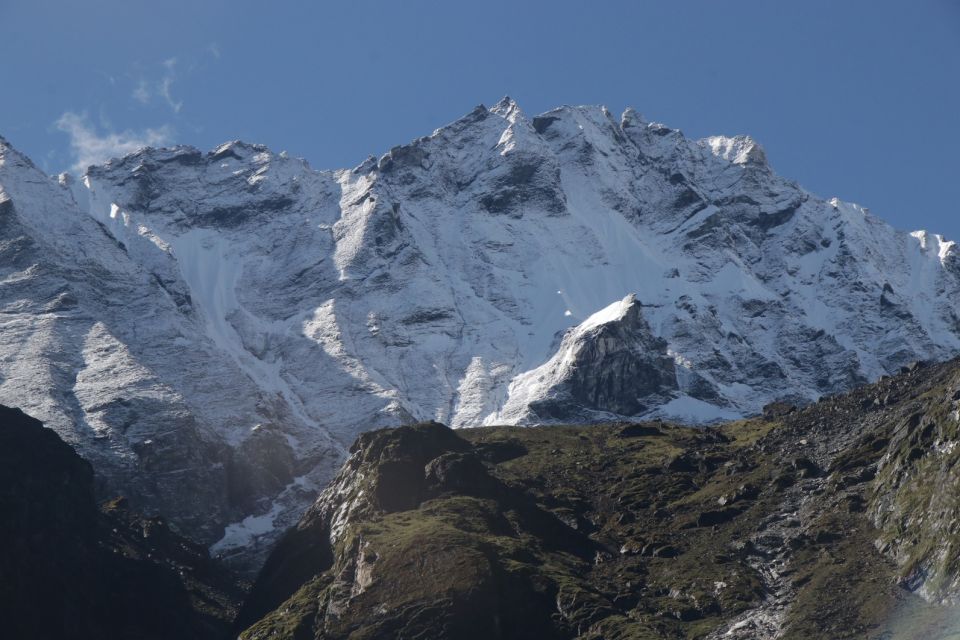
Day 4 is the big decision day. You trek from Kyanjin Gompa to Thangsyap at about 3,200m, but along the way there’s an uphill side trek to Kyanjin Ri peak (around 4,770m).
The key point: this peak push is described as optional and could be little hard for some. That’s exactly how you want it. If you’re confident and acclimated enough, the higher views can be worth the effort. If not, you still get plenty of mountain scenery and a spiritual return toward the valley vibe.
This is also where altitude planning shows up in real life. You sleep at Thangsyap, lower than the peak elevation, which helps your body recover after the higher climb. That makes the day feel more controlled, even if the ascent is tiring.
For your energy planning, treat the peak as a separate activity. Don’t mentally compare it to the easier village stretches. It’s a grind—more steep effort, more breath control, and more need for steady pacing.
If your guide is one of the highly praised names like Niraj, Bipin, Mahesh Aryal, Dipesh, or Ghanshyam, the difference is often how they manage pace and comfort. Several guides are praised for being supportive, checking in regularly, and making sure you understand the plan for tomorrow.
Day 5: downhill reset toward Syabrubesi
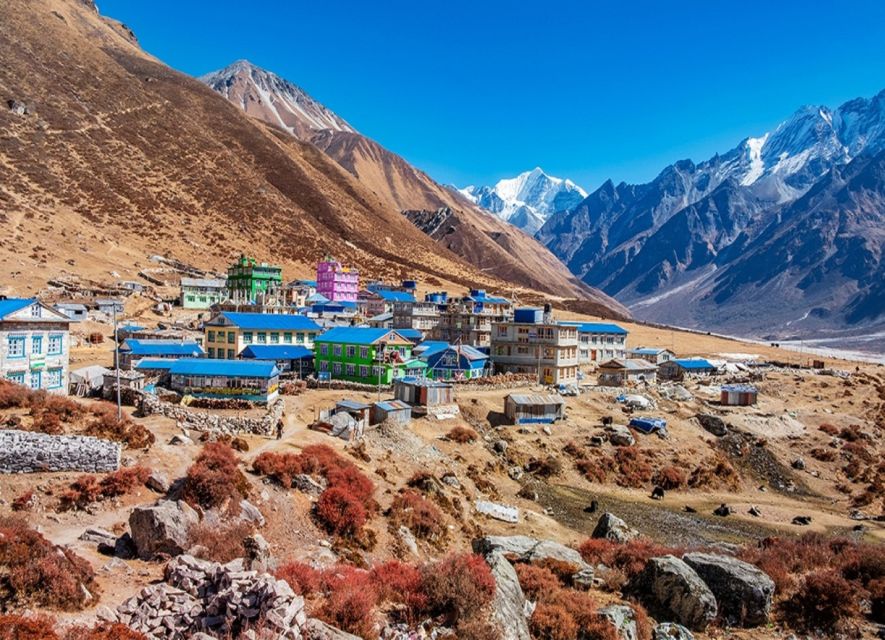
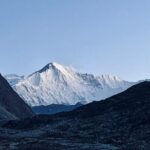
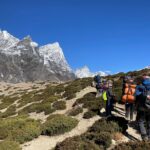
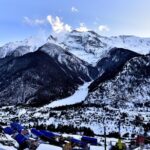
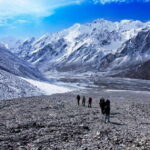
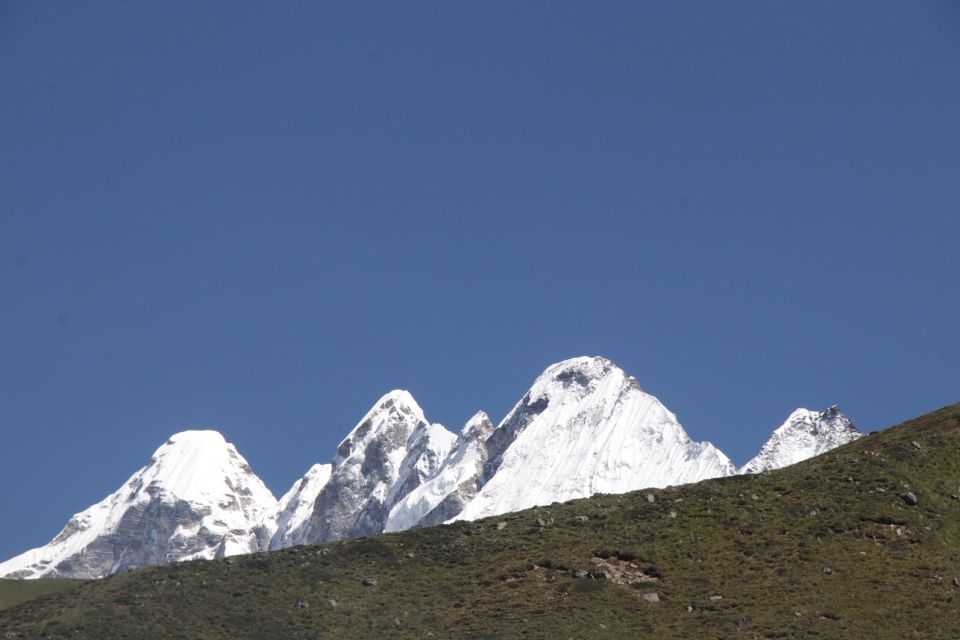
Day 5 starts with a slower rhythm at Thangsyap. You explore the surroundings and take in the Langtang range views and the surrounding Himalayan peaks. It’s basically a “collect your breath and your photos” day before the final descent.
Then you trek back toward Syabrubesi, retracing the general route with a descent alongside the Langtang river. Descending can feel easier because you’re going down, but it’s also where knees complain if your footwear and pacing aren’t solid.
This is a good day to practice smart downhill habits:
- short steps on steep sections
- frequent micro-breaks
- using trekking poles if you have them
The plan still makes sense even for a moderate trek profile, because you’re not being asked to do another peak after you already climbed Kyanjin Ri.
You can also read our reviews of more tours and experiences in Kathmandu
Day 6: shared bus back to Kathmandu, and your last mountain morning
On the final day, you return from Syabrubesi to Kathmandu by shared bus. The ride is the end of the physical work, but it’s not the end of the experience—because you’ll be leaving with that familiar post-trek feeling: a little sore, a lot grateful, and ready to replay the best moments in your head.
You’ll also have time to reflect on the whole journey. Langtang isn’t just about views; it’s about meeting people and walking through a valley with strong cultural ties and spiritual spaces like monasteries and retreats.
The guide and support setup that make this trek feel manageable
This trek runs with an authorized English-speaking guide, and the guide languages listed include English, Hindi, and Nepali. That matters because on a mountain trail, understanding your plan reduces stress.
The best part is not just “speaks English.” The guides highlighted in recent treks are praised for being proactive and supportive—checking in often, explaining daily progress, and outlining what comes next. Some guides are also specifically praised for organizing details like ordering food, showing you around lodge options, and helping with heavier backpacks when sections get tough.
There’s also a porter-charge detail to keep in mind. Porter service is mentioned as an extra, which likely means you can upgrade support if you want. If you’d rather hike lighter and preserve energy for views, it’s worth considering.
Accommodation and meals: comfortable basics that help you recover
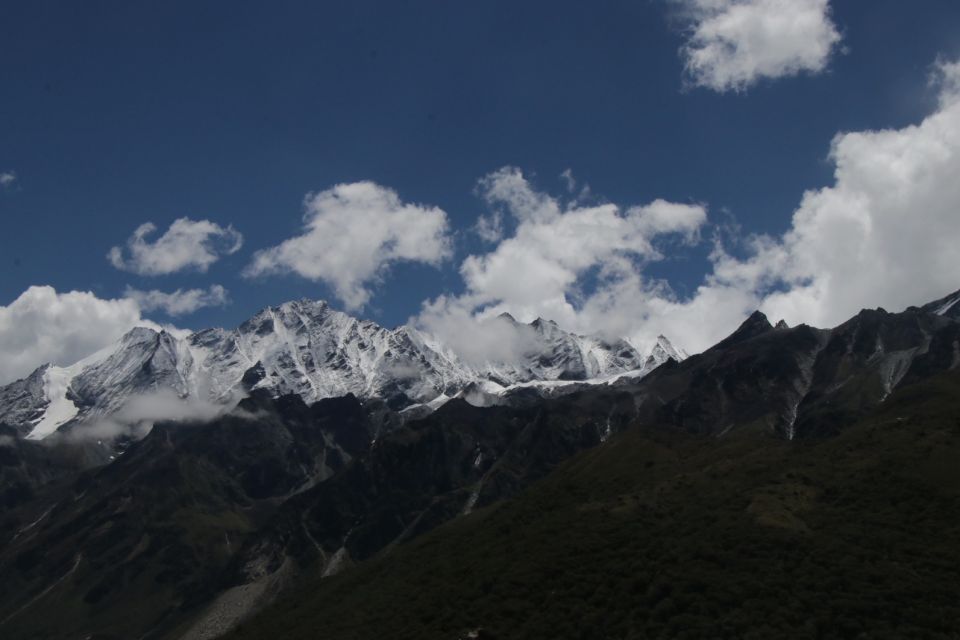
You’ll have private comfortable accommodation for the trekking nights (five nights total). That sounds simple, but in high-altitude trekking, it’s one of those “quiet wins” that can make or break the experience.
Meal support depends on package choice. The information says meals are included (breakfast, lunch, dinner) for full package only. Either way, soft and hard drinks are not included, so plan on paying separately for beverages.
What you can expect from the mountain meal rhythm: you’ll want hot food, steady calories, and a warm place to recharge. Guides who manage lodge logistics can help you get through those decisions faster so you don’t lose energy.
Weather, packing, and the cold reality at altitude
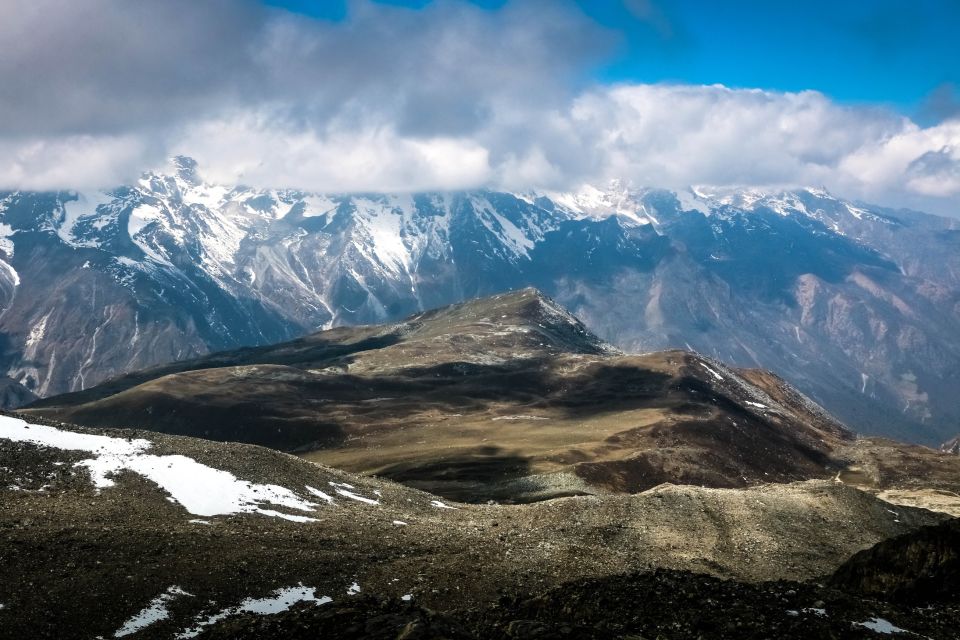
You’ll want warm layers and proper foot support. The packing list explicitly includes hiking shoes, a jacket, gloves, a hat, sunglasses, sunscreen, a sleeping bag, and a flashlight.
One practical takeaway from cold-season trekkers: nights get cold quickly. If you’re going outside the warm months, treat warm sleep gear as non-negotiable. A sleeping bag can be the difference between waking up functional and waking up miserable.
Also bring layers you can adjust during a steep push. Gloves and a jacket are listed for a reason.
Fitness level: moderate trek, but don’t ignore the steep parts
The trek is described as rewarding yet moderate and suitable for first-time trekkers. That said, one review detail is important: be ready for long days—around 8 hours on steep path sections.
So what does “moderate” mean in practice?
- You likely won’t need technical climbing gear.
- But you do need stamina for uphill walking and sustained hiking time.
- You should plan on breath control during the higher day and on careful steps during descent.
If you want a trek that’s mostly doable without heroics, keep the peak option in mind as your adjustable challenge. The peak is described as optional/harder, which is exactly what you want when you’re deciding day-by-day.
Price and value: what $181 includes, and what costs extra
At about $181 per person for six days, this is positioned as a value trek—especially because key admin items are included. Your price includes hotel pickup and drop-off, the guide, trekking permits and paperwork (including the TIMS-related fee), taxes, lodging during the trek nights, luggage storage, and staff expenses.
What’s not included is also clear:
- travel and rescue insurance
- international flights and Nepalese visa fee
- soft and hard drinks
- personal expenses like phone calls, laundry, battery recharge, and extra porters
- bottle or boiled water and showers (personal comfort costs)
My way to judge value: ask yourself whether you want the “planning headaches” handled. If yes, this package looks efficient because permits and trekking logistics are already built in. If you’re an independent type who already knows how to handle paperwork, then you might shop around. But if you want a smooth, guided flow, this hits the sweet spot.
Who should book this Langtang trek
This trek is a strong match if you want:
- a true Himalayan experience without the heaviest crowds
- Tamang village culture and monastery atmosphere
- a moderate trek that still has a satisfying challenge option (Kyanjin Ri)
It’s also a good choice for couples and solo hikers who like moving at a pace with support. Families may find it manageable if everyone can handle a few long hiking days, but the peak option may not work for everyone.
One limitation stated clearly: it’s not suitable for pregnant women.
Should you book Himalayan Nomad Treks’ Langtang 6-day trek?
If your idea of a great Nepal trek is “walk, learn, eat well, and still have time to enjoy the valley,” this is an easy yes. The route is built around Langtang’s culture and daily life—villages, monasteries, cheese factory stops—while still giving you mountain payoff through the Kyanjin Gompa area and the Kyanjin Ri option.
Book it if you’re comfortable with moderate hiking and you pack for cold nights. Consider adding porter support if you want to keep energy for views rather than heavy load management. Skip the peak option if you’re unsure about steep, high effort on Day 4—your trip still works without it.
If you want, tell me your travel month and your trekking experience level, and I’ll help you decide whether the Kyanjin Ri side trek should be on your plan.
FAQ
What is the duration of the Kathmandu: 6-Day Limitless Langtang Trek?
The trek duration is 6 days.
Where does the trek start and end?
You leave Kathmandu for Syabrubesi, where the trek starts. You return by bus from Syabrubesi to Kathmandu on the last day.
What are the highest elevations on this route?
The trek reaches about 3,870m at Kyanjin Gompa and includes an optional side trek to Kyanjin Ri peak at about 4,770m. You sleep at around 3,200m in Thangsyap.
Are meals included?
Meals (breakfast, lunch, dinner) are included for the Full Package only.
What permits and fees are covered?
The package includes trekking permits, all necessary paperwork, and the Trekkers’ Information Management System (TIMS) fee(s).
Is a guide included, and what languages do they speak?
An authorized English-speaking guide is included. Guide languages listed are English, Hindi, and Nepali.
What is included in the price besides the guide?
Inclusions include hotel pickup and drop-off, private comfortable accommodation during the trek nights, luggage storage, transportation as per the itinerary (shared), and staff expenses.
What is not included?
Not included: soft and hard drinks, travel and rescue insurance, international flights and Nepalese visa fee, and personal expenses like phone calls, laundry, bar bills, battery recharge, extra porters, and costs for water and showers.
Is this trek suitable for everyone?
It is not suitable for pregnant women. You should also be prepared for cold nights and bring the listed trekking gear (including a sleeping bag and warm layers).