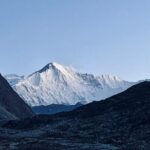
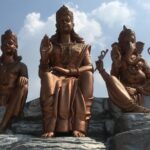
That first glimpse of Everest changes your whole mood. This trek strings together Lukla flights, classic Sherpa villages, and big-name viewpoints like Tengboche with a realistic six days of hiking. I love that it’s built around comfortable logistics (private transfers, lodge stays, and full meal coverage), and I also like the added cultural stops that go beyond just climbing for views. One drawback to keep in mind: the return flights to Lukla and the tight timing around them mean weather can affect schedules.
You’re hiking in an area where altitude and trail conditions matter, so having an experienced team is a big deal. In the reviews I saw, communication seemed strong, including smooth hotel meetups and quick answers from staff like Sobit, and another participant praised Ramesh as well. Still, you should plan to bring a solid attitude for long days on your feet and accept that this is a group trek, not a private guide-and-you-only pace.
In This Review
- Key Highlights You’ll Actually Feel on the Trail
- Why the Everest View Trek Feels Worth It (Even If You’re Not Chasing the Summit)
- Price and Logistics: What Your $790 Covers (and What You Must Budget)
- Day 1 in Kathmandu: Thamel, Bedtime Prep, and Trek-Brain Set Up
- Day 2 Flight to Lukla and the Gentle Start Toward Phakding
- Day 3 Namche Bazaar: Suspension Bridges and Your First Real Everest Read
- Day 4 Tengboche: Monastery Time and Everest-Ama Dablam View Moments
- Day 5 Manjo: Retracing Your Steps with Better Perspective
- Day 6 Down to Lukla: The Long Walk, the Downhill, and One More Look
- Day 7 Kathmandu Again: Time to Breathe, Eat Normal Food, and Reset
- Day 8 Fly Home: One Last Airport Step and the End of the Trek Story
- Guides, Safety, and the Small Things That Matter
- Who This Trek Fits Best (and Who Might Want Something Different)
- My Booking Checklist Before You Go
- Should You Book Everest Experience Trek (6-Day Hiking Adventure)?
- FAQ
- How long is the trip, and how many days of hiking should I expect?
- Where does the trek start and finish?
- Are airport transfers included?
- Does the price include trekking meals?
- What trekking permits or cards are included?
- Is a guide included, and how many trekkers is the guide for?
- Are there porters included?
- Do I need travel insurance?
- What about the flights to and from Lukla?
- What is the cancellation policy?
Key Highlights You’ll Actually Feel on the Trail
- Flight-to-Lukla start cuts out extra days and gets you hiking sooner
- Full-board meals on the trek make the daily routine easy to manage
- Permits handled for Everest National Park, TIMS, and local entry means less paperwork stress
- Monasteries with real views at Tengboche, plus Khumjung and the Hillary School in the route
- Sherpa villages and suspension bridges give you a steady mix of culture and scenery
- Spotting local wildlife like musk deer and pheasants is possible, though not guaranteed
Why the Everest View Trek Feels Worth It (Even If You’re Not Chasing the Summit)
This isn’t a summit climb. It’s the smart kind of Everest trip: you get big views, Sherpa culture, and high-altitude hiking without the extreme commitment of going for the top. The payoff is that your trip stays focused on enjoying the journey, not just surviving it.
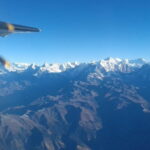
I like that the tour is structured like a proper trek, not a rushed tour bus with walking breaks. You’ll have full days outside, crossing suspension bridges, moving through pine forests, and watching the terrain turn more Himalayan by the day. At the end, you’re even rewarded with a flight back that gives you final panoramic looks.
You can also read our reviews of more hiking tours in Kathmandu
Price and Logistics: What Your $790 Covers (and What You Must Budget)
At $790 per person, the value mainly comes from what’s already wrapped into the plan. You’re getting airport-to-hotel transfers by private vehicle, lodge-based trekking on the Everest View route, and all meals during the trek days (6 breakfasts, 5 lunches, 5 dinners, plus tea or coffee with meals). You also get key paperwork handled through provided permits and cards, including the Everest National Park permit, TIMS card, and local entry tied to Pasang Lhamu Municipality.
You’re also paying for real human support: a licensed guide (for groups up to five) with meals, salary, and accommodation included. For groups larger than six, there’s an additional guide added. On top of that, the included items list mentions first-aid medicine items, plus a trip certificate and a T-shirt after completion.
What’s not included is important:
- International flights to Nepal and the Lukla flights are not covered.
- Travel insurance isn’t included.
- Tips for crew aren’t included.
- A porter isn’t included.
So the budget call is simple: this $790 is for the trekking operation, not your whole flight plan to and from Nepal. If you already have insurance and can handle your own pack, the cost lines up well with the amount you get. If you need to hire extra support for your gear, plan that cost into your trip.
Day 1 in Kathmandu: Thamel, Bedtime Prep, and Trek-Brain Set Up
You’ll land at Tribhuvan International Airport and get picked up for a transfer to a 4-star hotel in Kathmandu. Day 1 is about getting oriented: you’ll do a briefing and then settle in for an early mental start. Thamel is a practical base for this because it’s close to what you’ll need before you hike, like supplies and gear checks.
The usual mistake here is to treat Day 1 like vacation time and then scramble on Day 2. Since your trek includes flights and a schedule that follows the itinerary, you’ll do better if you use Day 1 to prepare calmly. Pack light, confirm what you need for the trail, and get ready for the big jump into mountain time.
Day 2 Flight to Lukla and the Gentle Start Toward Phakding
This is where the trek earns its “experience” reputation. You take a short flight (about 30 minutes) into Lukla, then you start hiking for roughly 3–4 hours along the Dudh Koshi River toward Phakding. The goal of this day is to get moving without smashing your legs on day one.
You’ll see the river valley feel and the trail rhythm quickly. It’s a good day for taking photos, but also a day for pacing. Even though the hiking time is moderate, you’re still adjusting to altitude and cold nights are coming.
Overnight is in Phakding at a trekking lodge. Lodges here are basic by western standards, but they’re part of the reason this trek is comfortable overall: you don’t have to figure out food, shelter, or daily logistics.
Day 3 Namche Bazaar: Suspension Bridges and Your First Real Everest Read
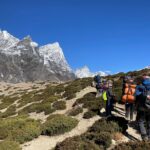
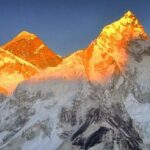
Day 3 usually hits hard in the best way. You hike around 5–6 hours and cross suspension bridges while moving through pine forests. Along the way, you start getting first views of Everest, and that’s the moment where the trek stops being a plan and starts being real.
Namche Bazaar is the key staging point. It’s where you’ll feel the “Nepal mountain town” vibe: lots of trekkers, Sherpa communities, and services that keep this region functioning. If you have time, this is often when side visits happen in the broader Everest View experience, including cultural highlights like Khumjung Monastery and the Hillary School (listed as part of the experience’s key sites).
One practical note: Namche is also where altitude starts to feel more immediate. The tour pacing gives you a climb-and-settle pattern with an overnight there, which is exactly what you want for acclimatization without turning the trip into a slow crawl.
You can also read our reviews of more tours and experiences in Kathmandu
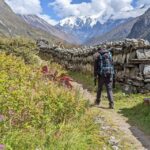
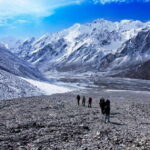
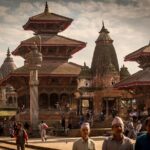
Day 4 Tengboche: Monastery Time and Everest-Ama Dablam View Moments
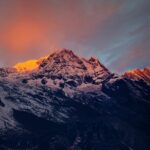
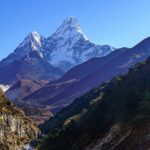
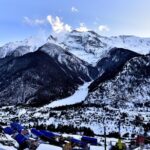
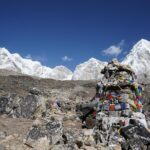
Today you head toward Tyangboche (Tengboche). Expect another 5–6 hours of hiking. The big highlight is a visit to Tengboche Monastery, paired with panoramic views that can include Everest and Ama Dablam on a clear day.
This day is special because it mixes two things you actually came for: the Himalaya views and Sherpa spiritual life. Monasteries are also a chance to slow down, drink something warm, and regain perspective after steady walking.
Overnight is in Tengboche. As the trek gets higher, you’ll feel colder at night, so pack smart and keep your essentials accessible. You’ll be glad the tour includes meals, because you won’t be hunting down food while you’re adjusting to the cold.
Day 5 Manjo: Retracing Your Steps with Better Perspective
Day 5 is a return loop back toward Manjo via Namche Bazaar. The hike is listed at about 6–7 hours. On paper, it looks like you’re going the same way again. In reality, retracing works because you notice more once you’ve “learned” the terrain once already.
You’ll also get more chances to take photos and watch the weather shift. Sometimes the best mountain light appears when you think you’re done for the day. This is also when you can spot trail animals more easily because your pace tends to slow for observation.
Overnight in Manjo. This is one of those days where the “why” matters: it’s not just moving down. It’s letting your body recover a bit while still staying in the hiking flow.
Day 6 Down to Lukla: The Long Walk, the Downhill, and One More Look
Day 6 brings you back to Lukla. The trekking time is listed at about 6–8 hours: you retrace downhill toward Phakding, then hike upward again for about three hours to reach Lukla.
This is the day people misunderstand. They assume a downhill day means easy. But because you’ll also climb for a portion to Lukla, you’ll still work. Downhill can be rough on knees, and that’s why good trekking poles (if you use them) and careful foot placement matter.
You’ll stay overnight in Lukla, which also sets you up for the final flight hop back to Kathmandu. The lodge here is part of the rhythm: sleep, meals, and minimal stress before your last travel day.
Day 7 Kathmandu Again: Time to Breathe, Eat Normal Food, and Reset
On Day 7, you fly back to Kathmandu (about 30 minutes) and then get some breathing room. The itinerary gives you time to explore or simply relax, which is the kind of flexibility that makes a trek feel like a trip instead of a drill.
Use this day to do the obvious things: shower, do laundry if you can, and grab a meal that doesn’t taste like altitude. If you want to souvenir-shop, Kathmandu is where you can wrap that up while your trek memories are still fresh.
Day 8 Fly Home: One Last Airport Step and the End of the Trek Story
Day 8 is a short airport transfer and flight out. You’ll return to Tribhuvan International Airport, then fly back home or join another program. It’s short, but it’s a nice clean landing: no last-minute hiking, no scrambling to find transport, no guessing about how your trip ends.
Guides, Safety, and the Small Things That Matter
This tour leans on organized guiding. It includes a licensed trekking guide for up to five trekkers, and it adds another guide for bigger groups. The included items also mention first-aid medicine items.
Two review details are worth your attention because they hint at how the company runs day-to-day communication. One participant described communication as easy and fast through Sobit, including a meeting at their hotel. Another praised Ramesh as a standout guide. That’s a good sign, as trekking in this region can come with questions about gear, pacing, and schedules.
Still, keep expectations realistic: flights and trail conditions are influenced by weather. Even with a solid plan, you may need patience.
Who This Trek Fits Best (and Who Might Want Something Different)
This is a good fit if you want:
- Everest region views without aiming for the summit
- A structured trek with lodge stays and meals handled
- Cultural stops like Tengboche Monastery and visits in the Namche area
- A group experience with private operation for just your group
It may not be for you if:
- You need a porter but don’t want to pay extra
- You’re hoping for fully predictable weather-based outcomes (flight timing can shift)
- You want a long, open-ended schedule with total flexibility
My Booking Checklist Before You Go
If you choose this trek, do a quick prep run so the trail feels easier:
- Pack a light day bag and keep your warm layers handy, especially for evenings in Tengboche and colder nights.
- Plan for Lukla flight logistics by keeping your Kathmandu days flexible.
- Bring travel insurance even though it isn’t included, since it’s not part of the included items list.
- Think about your tipping budget for the crew, since tips are not included.
Should You Book Everest Experience Trek (6-Day Hiking Adventure)?
I’d book it if you want the Everest story told the practical way: flights into Lukla, lodge-based comfort, full meal support, permits and cards handled, and a trek route designed for views and culture rather than summit drama. The $790 price works best when you’re already handling international travel and you can manage your own gear without a porter.
I wouldn’t book it if you’re trying to squeeze in the cheapest possible Everest trip and still expect everything to be included. The Lukla airfare, insurance, and tips are your main extra costs. Also, if you’re sensitive to schedule changes due to mountain weather, be mentally ready for that reality.
If you’re an active traveler who likes calm organization and real sights over big gimmicks, this trek is a solid choice in the Everest region.
FAQ
How long is the trip, and how many days of hiking should I expect?
The overall experience runs about 8 days, with roughly 6 days focused on trekking. The itinerary includes travel days into and out of the trek area.
Where does the trek start and finish?
You start in Kathmandu (with a hotel night in Thamel) and you finish back in Kathmandu after flying from Lukla. Day 8 includes transfer to Tribhuvan International Airport for your onward flight.
Are airport transfers included?
Yes. The tour includes all airport-hotel transfers by private tourist vehicles as per the itinerary.
Does the price include trekking meals?
Yes. Meals during the trek are included: 6 breakfasts, 5 lunches, and 5 dinners, with tea or coffee included with meals.
What trekking permits or cards are included?
The tour includes the Everest National Park permit, Pasang Lhamu Municipality entry, and the TIMS card.
Is a guide included, and how many trekkers is the guide for?
A licensed trekking guide is included for up to five trekkers. For groups over six, an additional guide is included.
Are there porters included?
No. Porter service is listed as not included.
Do I need travel insurance?
Travel insurance is not included, so you should plan to arrange it on your own.
What about the flights to and from Lukla?
Lukla airfare (Kathmandu to Lukla and back) is not included. The itinerary includes flights of about 30 minutes, but the cost is separate.
What is the cancellation policy?
You can cancel for free up to 24 hours in advance for a full refund. If you cancel less than 24 hours before the start time, the amount you paid will not be refunded.