REVIEW · POKHARA
Pokhara: Poon Hill Ghorepani Short Trek
Book on Viator →Operated by Fewa Trail Treks and Expedition Pvt Ltd · Bookable on Viator
Some mountains make you wake up early. This short Pokhara trek to Poon Hill and down through Ghorepani is one of the easiest ways into the Annapurnas, with classic views and village walking in just a few days. I like that your 2 nights of guesthouse stay are included, and you get private, guide-led attention so you’re not figuring out trail turns and timing on your own. One drawback to plan for: the schedule is built around early mornings and a moderately difficult pace, so you’ll want to be genuinely active, not just curious.
The value here comes from how little you have to arrange yourself. Hotel pickup/drop-off, national park fees, and trekking permits (ACAP and TIMS) are included, which usually means fewer headaches than DIY trekking. Still, food and drinks are not included, so you should budget for meals along the way, especially if you want warm drinks after colder early starts.
In This Review
- Key things to know before you go
- Why Poon Hill from Pokhara is such an efficient mountain trip
- Price and logistics: what you pay $290 for, and what you still cover
- Day 1: a smooth start from Pokhara to Tadapani
- Day 2 to Ghorepani: forests, green hills, and settling into trekking rhythm
- Day 3: the 4:00 AM sunrise push to Poon Hill (3210m)
- What the guide actually changes on this trek
- Difficulty level: moderately difficult, which means you should train your legs a little
- Guesthouse nights: cozy convenience with simple tradeoffs
- Transfers and how to reduce stress on a 3-day timetable
- The decision test: should you book this Poon Hill trek?
- FAQ
- How long is the Pokhara Poon Hill Ghorepani short trek?
- What does the price include?
- What isn’t included in the tour price?
- What is the difficulty level?
- What time do you start on the final day for Poon Hill sunrise?
- Are permits and passport details required?
- Can I get a refund if I cancel?
Key things to know before you go
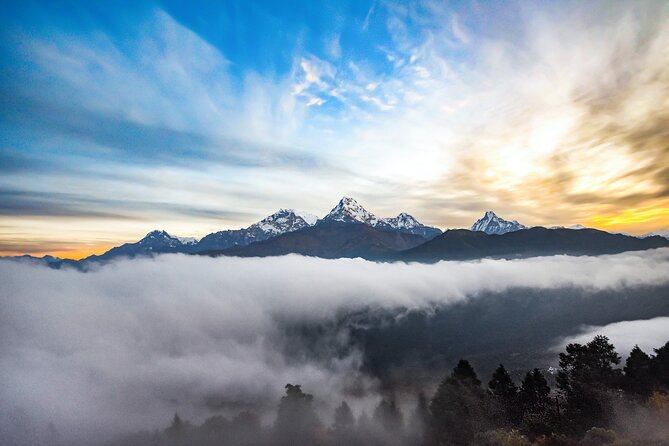
- Sunrise timing is the main event: an early wake-up and a short climb to the Poon Hill viewpoint
- Permits are included: ACAP and TIMS are covered, plus national park fees
- Guesthouse nights are part of the deal: you’ll sleep in Ghorepani for one night and another night earlier on the route
- Local guidance matters: you’ll trek with a professional guide who plans for safety and emergencies
- Transfers reduce stress: you’re taken by sharing Jeep and/or bus rather than navigating alone
- This is moderately difficult: best for active travelers who can handle sustained uphill walking
Why Poon Hill from Pokhara is such an efficient mountain trip
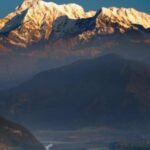
Pokhara is the jump-off point for a lot of Himalayan adventures, but Poon Hill is especially handy if you don’t have a lot of time. In about three days, you move from city-to-trail quickly, walk through familiar trekking scenery—forests, green hills, and small farming areas—and still reach one of the most famous sunrise viewpoints in the Annapurna region.
This is a trek that rewards consistency. You’re not doing technical climbing, but you are walking enough hours across several days that your body gets the real trekking benefit: steady rhythm, changing views, and that good feeling when the day’s goal appears on the horizon.
If you want a short trip with a strong payoff, this one makes sense. You’re aiming for a single big visual moment—sunrise over the Annapurna ranges—while still getting the slower, human scale of trail life: paths through countryside and the comfort of guesthouse nights.
You can also read our reviews of more hiking tours in Pokhara
Price and logistics: what you pay $290 for, and what you still cover
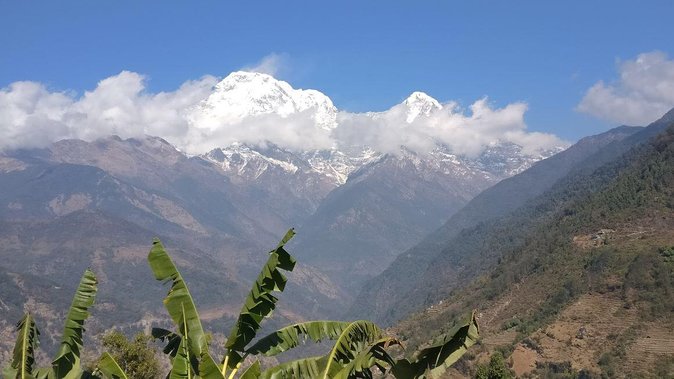
At $290 per person, the headline value is what’s included. You’re not only paying for a guide; you’re also getting:
- 2 nights accommodation in guesthouses (as per the route plan)
- Trekking permits and national park fees (ACAP and TIMS)
- Hotel pickup and drop-off
- Professional trekking guide
- Private tour for just your group
- Round trip transfers by sharing Jeep or bus
For a short trek, this kind of package is practical. Permits can be time-consuming to sort out, and missing one detail can derail the whole plan. Here, that load is taken off your plate.
Two things to keep in mind:
- Food and drinks aren’t included. Guesthouses along the route will have meals, but it’s on you to budget for your lunches and dinners.
- Private tour doesn’t mean private transport for everyone in the region—it means your trekking party is yours. You still use sharing Jeep/bus for parts of the transfer, which is part of how the trip stays affordable.
Also, there’s a mobile ticket involved, which is a nice modern touch if you like having your details on your phone.
Day 1: a smooth start from Pokhara to Tadapani
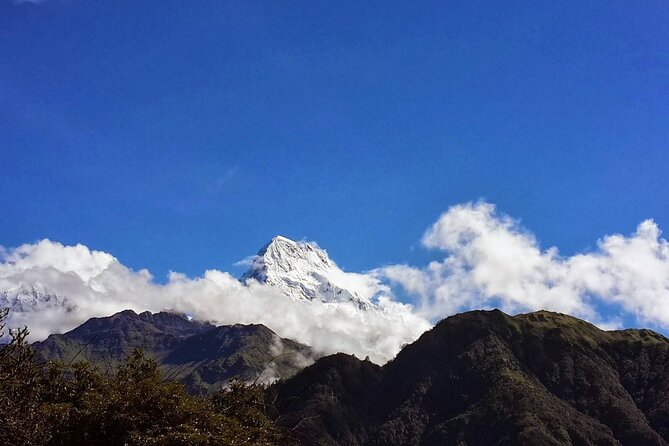
Your day begins with a real-world, get-it-done schedule. The guide meets you at your hotel lobby at 8:00 AM in Pokhara. Then you’re driven in a couple of stages: first a scenic highway ride to Nayapul (about 1.5 hours), then an off-road transfer to Kimche by sharing Jeep (about 1 hour).
Why I like this for first-day comfort: it reduces the amount of awkward “waiting around” you might feel on other short treks. You transition from the city to trail mode without spending half the day lost in transport logistics.
After the transfers, you walk on to Tadapani, with a total day of around 7 hours. Tadapani is a smart first-night stop because it breaks the journey into a manageable second day. It’s also the kind of place where you can settle in, eat, and be ready for the big early start ahead.
Possible consideration: since Day 1 already stacks several hours of movement, you’ll feel the trek more if you treat today like a casual stroll. Bring layers and pace yourself. You want to finish the day tired in a good way, not exhausted.
Day 2 to Ghorepani: forests, green hills, and settling into trekking rhythm
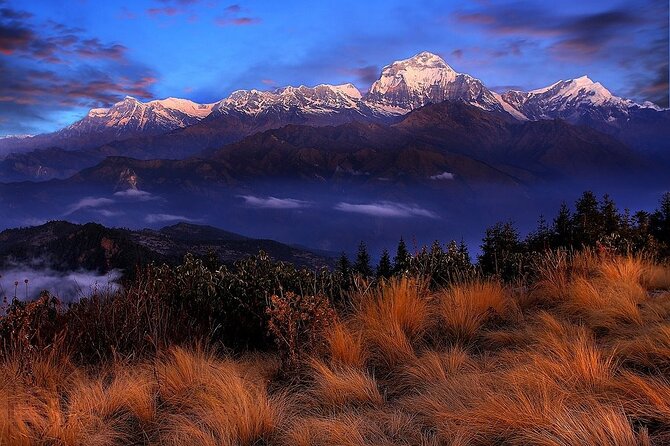
Day 2 is built around walking for about 6 hours to reach Ghorepani, and it’s where the route starts to feel like the classic Annapurna short-trek experience. You begin with trail time through forests, then the views open into green hill scenery and Annapurna views along the way.
This is the day that helps your body adjust to the altitude and rhythm. Even if you’re not climbing steeply, you’re moving long enough to get used to the steady effort. That’s important because Day 3 is all about early sunrise timing.
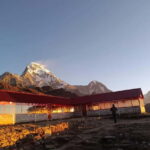
You’ll sleep overnight in a guesthouse in Ghorepani. In practical terms, Ghorepani is a great base for a sunrise hike because it’s where you’ll be positioned to start early without needing extra, complicated repositioning.
One thing to watch: guesthouses run a bit “basic but comfy.” What you gain is convenience and a warm meal after your walk. What you may not get is the kind of comfort you’re used to in a city hotel. If you’re okay with that trade, this day is a win.
Day 3: the 4:00 AM sunrise push to Poon Hill (3210m)
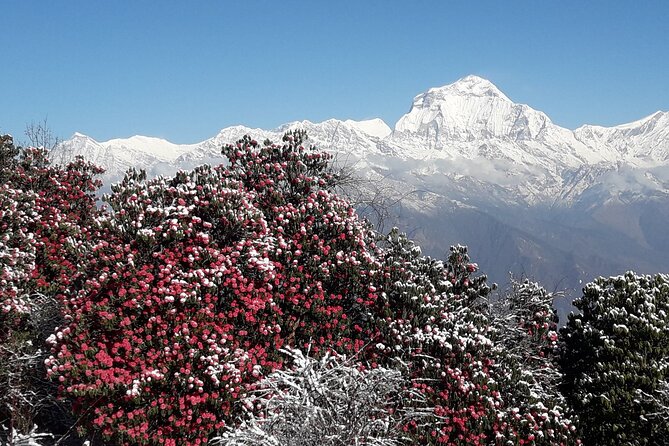
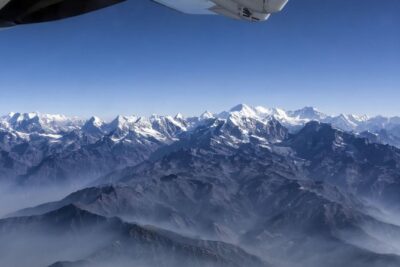
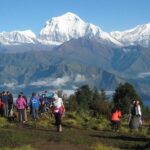
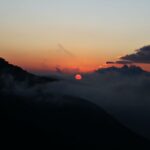
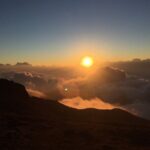
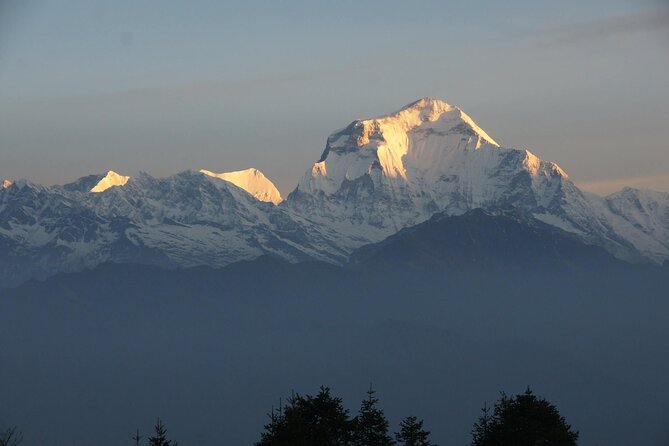
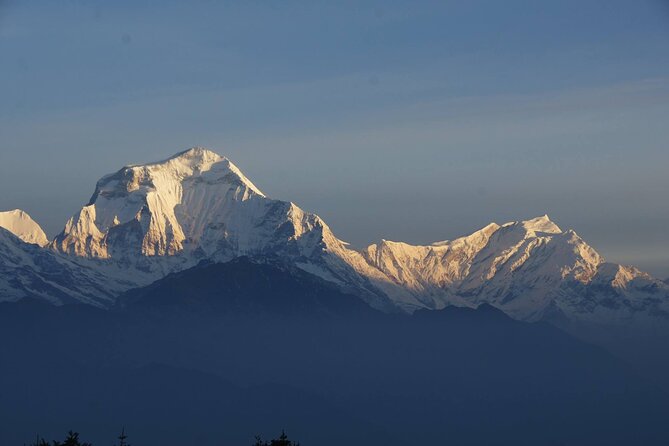
The trek’s big moment arrives early. You’ll wake up at 4:00 AM, then trek for about 45 minutes to reach Poon Hill (3210 meters). The reward is sunrise with panoramic views across the Annapurna ranges.
This part is where the whole trek earns its reputation. The climb is short enough that you don’t need marathon stamina, but early enough that you feel the anticipation. It’s also the easiest “wow per hour” mountain experience I can point to in the short-trek category: you’re working for a clear target, and the timing is tight on purpose.
After enjoying the sunrise, you descend back to Ghorepani. Your day is listed as about 9 hours total, which tells you that today includes more than just the short summit push. Expect a longer wrap-up day that also ties into the included return transfers.
A small reality check: 4:00 AM is early. If mornings are difficult for you, plan to treat today like a serious outing, not a casual extra activity. The good news is that the summit portion itself is relatively short—so you’re not committing to hours of uphill at the most demanding time of the day.



What the guide actually changes on this trek
A lot of treks sell the view. This one also sells the support system, and that’s where it becomes more than just a route.
You get a professional trekking guide, and it’s a private tour, meaning you’re not being herded with strangers. That matters for pacing, questions, and comfort—especially on days where timing is everything.
The name Dodi comes up in customer feedback as a guide who’s both friendly and attentive. The vibe sounds right: professional, warm, and tuned in to your needs without hovering. I’d take that as a good sign that you’ll get real trail guidance, plus space to rest when you need it.
You’ll also want a guide who knows how to handle the unlikely but important stuff. This trip emphasizes trekking safely and acting properly during emergencies. Even if you never need that knowledge, it reduces stress for everyone.
Difficulty level: moderately difficult, which means you should train your legs a little
This trek is described as moderately difficult, best for active travelers. That’s a useful label. It usually translates to:
- Enough daily walking hours that you can’t coast
- Uphill and uneven trail footing
- Early start demands (especially Day 3)
I’d treat this as a “doable with preparation” trek, not a casual hike. If you already walk regularly—hills, stairs, long walks—you’ll feel more confident. If you’re starting from a low baseline, give yourself time to build leg strength and endurance in the weeks before you go.
You don’t need to be a mountaineer. But you do need to be comfortable walking for hours at a steady pace.
Guesthouse nights: cozy convenience with simple tradeoffs
You’ll spend 2 nights in guesthouses, including one night in Ghorepani and another night earlier on the route. Guesthouse trekking is part of the charm of the Annapurna short paths: you sleep close to the trail, meet other trekkers, and refuel without carrying a heavy pack.
The tradeoff is that guesthouses are simpler than full-service hotels. Rooms can be basic, and comfort depends on the property. But since transfers and permits are handled for you, these nights become a straightforward part of the experience rather than a logistics puzzle.
If you like the rhythm of trail life—walk, eat, rest, repeat—guesthouses are a good match. If you need a lot of hotel-style comfort, you might find the accommodations a bit plain.
Transfers and how to reduce stress on a 3-day timetable
Three days is short enough that small delays can start to feel big. This tour helps by including round trip transfers by sharing Jeep or bus, plus hotel pickup/drop-off.
That means less time:
- figuring out where to start
- negotiating local transport on your own
- worrying about meeting points
It also means you’re building the day around set timing. That’s a plus if you like structure, and it can be a downside if you hate rigid schedules. Still, for a sunrise trek, structure is your friend.
The decision test: should you book this Poon Hill trek?
I think this trek is a strong choice if you:
- want a short Annapurna experience from Pokhara
- care about sunrise views at Poon Hill
- prefer a private, guide-led setup with permits handled
- can handle a moderately difficult walking pace
- are okay covering food and drinks yourself
I would hesitate if you:
- need lots of hotel-level comfort
- struggle with very early mornings
- want a totally laid-back hike with minimal effort
If that all sounds like you, booking makes sense. You get a focused mountain experience, with the important paperwork handled and a guide who seems to bring both professionalism and warmth.
FAQ
How long is the Pokhara Poon Hill Ghorepani short trek?
It’s approximately 3 days.
What does the price include?
It includes 2 nights accommodation in guesthouses (as per the route plan), trekking permits (ACAP and TIMS) and national park fees, hotel pickup and drop-off, a professional trekking guide, and round trip transfers by sharing Jeep or bus.
What isn’t included in the tour price?
Food and drinks are not included. You can purchase meals along the way.
What is the difficulty level?
The trek is described as moderately difficult and best suited to active travelers.
What time do you start on the final day for Poon Hill sunrise?
You wake up at 4:00 AM, then trek about 45 minutes to reach Poon Hill (3210 meters).
Are permits and passport details required?
Yes. Trekking permits (ACAP and TIMS) are included in the tour price. Also, at booking time you need the passport name, number, expiry, and country for all participants, and you need a current valid passport on the day of travel.
Can I get a refund if I cancel?
You can cancel up to 6 days in advance of the experience for a full refund, or 2–6 days in advance for a 50% refund.