REVIEW · POKHARA
3 Day Australian Camp Dhampus Ghandruk Easy Trek in Pokhara
Book on Viator →Operated by Shriyan World Wide Tours Private Limited · Bookable on Viator
Short trek, big Himalayan payoff. This 3-day easy trek in the Annapurna region mixes Annapurna viewpoint moments with Gurung village time, all starting and ending in Pokhara. You’re on a gentle route meant for beginners and families, but you still get classic mountain drama.
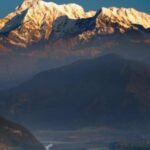
I especially like the way the schedule builds toward the best views: Australian Camp gives you wide sightlines across Annapurna and Machhapuchhre. I also like the cultural stop at Ghandruk, where the Gurung Museum adds context so the villages feel more than just a photo backdrop.
One thing to consider: meals are not included, and the overnight stays are basic guest houses. That’s not a deal-breaker, but it does affect your comfort and your total budget.
In This Review
- Key Highlights You’ll Actually Care About
- Pokhara to the Trailhead: Easy Logistics That Matter
- Day 1: Lumle to Australian Camp for First-Rate Mountain Views
- Australian Camp Village Walk and Viewpoint Time
- Day 2: Ghandruk Village and the Gurung Museum
- Day 3: Sunrise, Birethanti Descent, and Back to Pokhara
- Price and Value: What $195 Buys You (and What It Doesn’t)
- What the “Easy Trek” Label Really Means Here
- Small Comforts and Practical Tips That Improve Your Odds
- Who Should Book This Trek in the Annapurna Region?
- Should You Book This 3-Day Australian Camp and Ghandruk Trek?
- FAQ
- Is hotel pickup and drop-off included?
- What does the $195 per person price include?
- Are meals included?
- What trekking permits are included?
- How long and how active is the trek?
- Can I cancel for a full refund?
Key Highlights You’ll Actually Care About
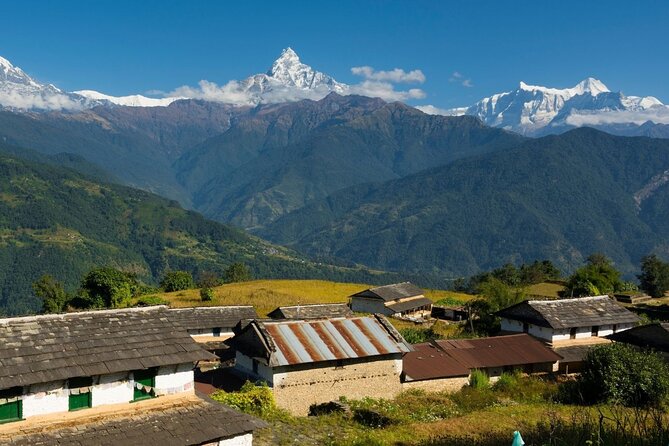
- Australian Camp viewpoints with Annapurna and Machhapuchhre in the same frame
- Gurung Museum in Ghandruk, so you understand the community beyond daily routines
- Easy trekking rhythm with gradual ascents and manageable walking blocks
- Private-group format with an English-speaking trekking guide and first-aid kit
- Clear end-to-end logistics: pickup/drop-off from Pokhara lakeside area, then back by car
Pokhara to the Trailhead: Easy Logistics That Matter
This trek is designed around convenience. You’re picked up from your hotel within the Lakeside area of Pokhara, then transferred by private car. The ride heads toward the Kande area before you start hiking, so you’re not spending half a day just getting into position.
From a value standpoint, that matters more than it sounds. In Nepal, the fastest way to ruin a good trek is to arrive late, confused, or underprepared. Here, the tour keeps the start clean: pickup, a scenic drive (listed around 50 minutes for the first link), then right into the hike.
If you’re nervous about coordinating transport on your own, this format helps. You’re also getting trekking permits and the TIMS card handled, which removes a common headache for short Himalayan itineraries.
You can also read our reviews of more hiking tours in Pokhara
Day 1: Lumle to Australian Camp for First-Rate Mountain Views
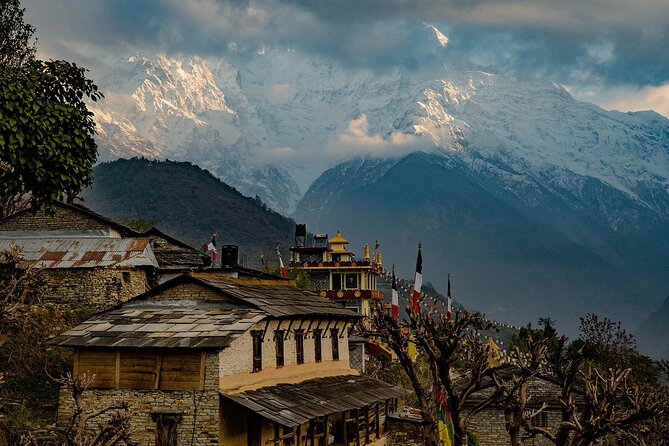
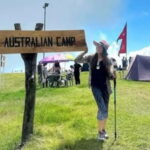
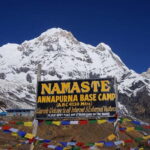
The first walking day is built for that satisfying first hit of altitude scenery. After pickup, you connect to the start point by car and begin trekking toward Australian Camp. The uphill portion is listed as about 3 hours, and you’ll pass through dense forest along the way.
I like this setup because it keeps effort reasonable while still delivering rewards. Dense forest hiking means you’re not staring at the climb the whole time—you’re walking through a real trail environment. Then, as you reach the top at Australian Camp, the views open up.
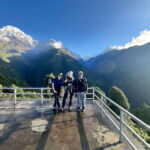
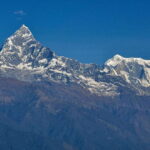
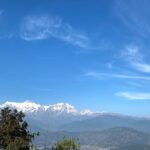
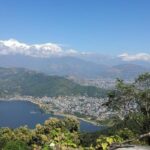
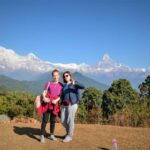
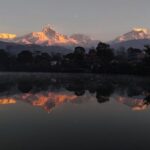
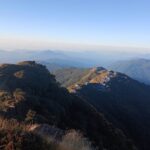
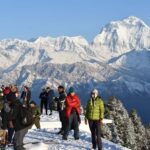
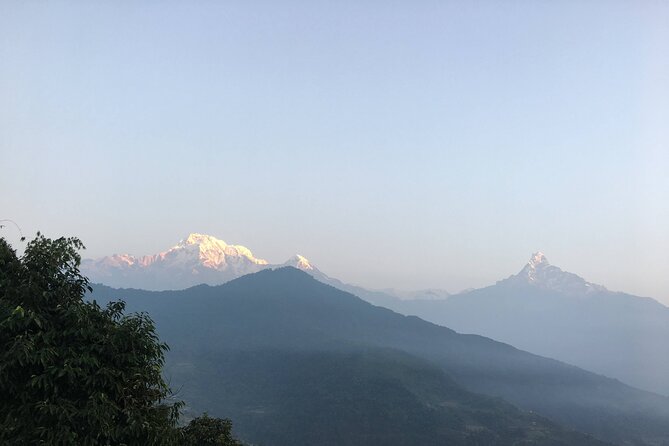
The tour specifically calls out breathtaking sightlines of the Annapurna mountain ranges and Machhapuchhre (the famous Fishtail peak). This is the kind of moment that makes a beginner-friendly trek feel like a real Himalayan experience, not a casual stroll.
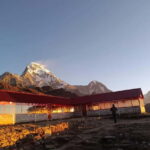
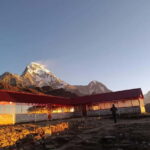
That first night is spent at Australian Camp in a basic guest house. Plan your expectations accordingly: you’ll have shelter, but not hotel-level comfort.
Australian Camp Village Walk and Viewpoint Time
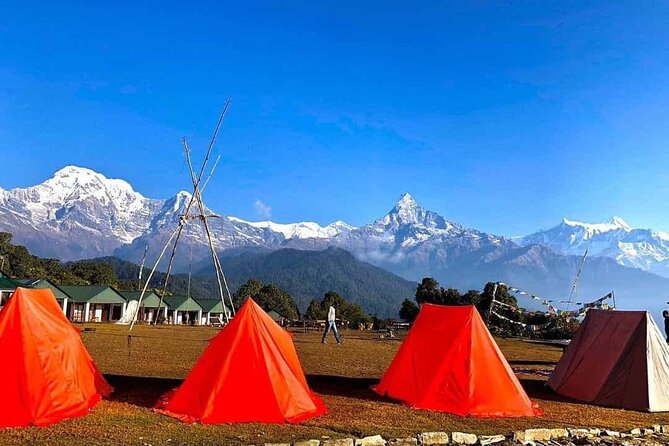
After settling in, you don’t just rush back downhill. You get a second block of time around Australian Camp—about 2 hours is listed for exploring the typical Gurung village area and going to a viewpoint.
This is the part I find most useful for first-time trekkers. You see how village life is tied to the landscape you’re trying to understand. And since the tour focuses on the Gurung community in the area, you’re not only passing through—you’re spending a short period observing and learning.
One small planning note: the schedule indicates admission ticket handling is included for the main Australian Camp visit, while the later segment is not listed as including admission. In practice, that often means the extra walk/viewpoint is either low-cost or doesn’t require an extra paid entry fee, but it’s smart to ask your guide what, if anything, you may pay on the day.
Day 2: Ghandruk Village and the Gurung Museum
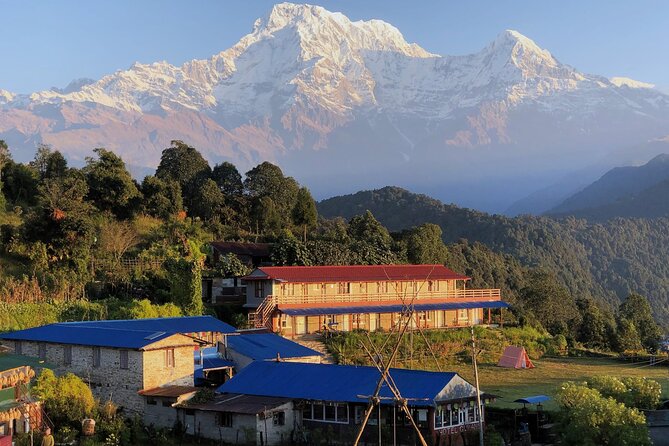
The second day shifts from pure viewpoints to deeper context. You trek onward to Ghandruk Village, with walking time listed around 5 hours. This is still an easy-route style day, but it’s longer than Day 1, so pace yourself.
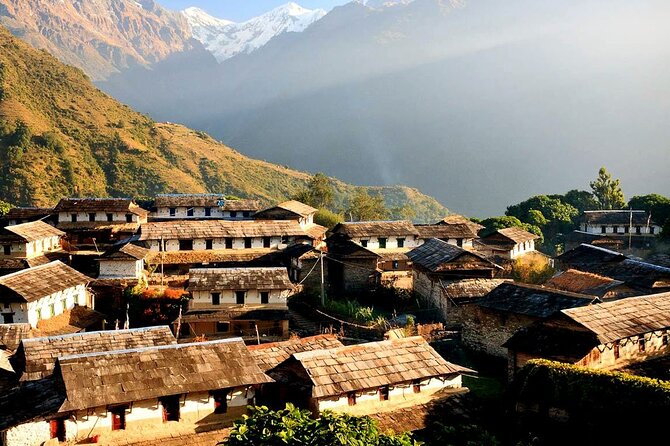
When you arrive, the value moves from scenery to meaning. The tour is centered on Gurung culture, and in Ghandruk you get time to explore the village, take in panoramic mountain views, and visit the Gurung Museum.
The Gurung Museum is a key reason to do this trek as a package. Without it, Ghandruk can feel like a set of charming viewpoints and stone paths. With it, you’re learning the cultural heritage and history of the Gurung ethnic group—exactly the kind of background that makes the villages feel real and specific.
Overnight is in Ghandruk village. Again, expect basic guest house standards rather than full-service comfort, but the payoff is that you’re sleeping in the actual village environment instead of racing back to Pokhara each night.
Day 3: Sunrise, Birethanti Descent, and Back to Pokhara
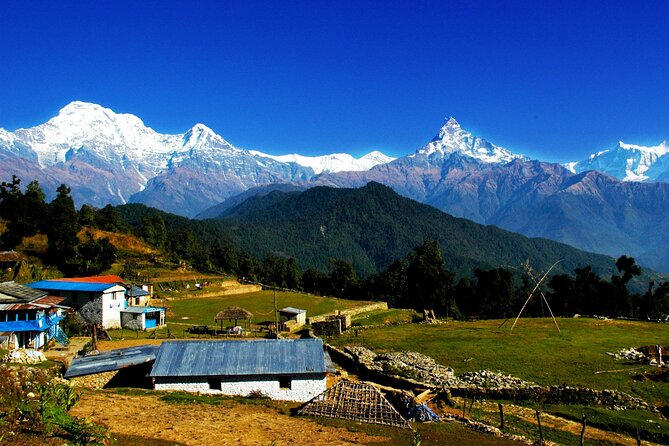
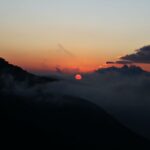
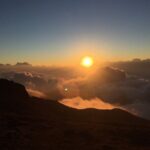
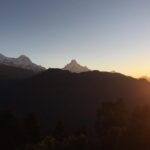
Your final day starts with a sunrise view over Mt. Annapurna. Then you begin a descent trekking to Birethanti, with walking time listed around 4 hours. The route goes through villages, forests, and along a river corridor—so you get variety instead of one long, repetitive grind.
This is the right kind of ending for an easy trek. Descent can be tougher than it sounds on tired legs, but it’s also where the trail changes pace from climb-focused to scenery-and-community focused. By the time you reach Birethanti, the trekking part of the journey is complete.
From Birethanti, you’re driven back to Pokhara, with the car time listed around 1 hour 10 minutes. That last transfer is a big quality-of-life win. You’re not hunting for shared transport while you’re already done with the hike. You also get a clear drop-off back at your hotel.
You can also read our reviews of more tours and experiences in Pokhara
Price and Value: What $195 Buys You (and What It Doesn’t)
At $195 per person, the biggest value is not just the guide—it’s the bundled essentials that usually cost you time and effort.
Here’s what’s included:
- Hotel pickup and drop off (from within the Lakeside area of Pokhara)
- Round trip transfer by private car
- Trekking permit and TIMS card
- English speaking trekking guide
- Accommodation in basic guest house
- First aid kit (with guide)
- Private trip (only your group)
What’s not included:
- Meals (available on purchase, about USD 25 per person per day)
- Gratitude (optional)
Let’s talk about how this affects real budgeting. If meals run close to the listed ~$25 per person per day, you’ll want to plan roughly $75 for food across the 3 days. That brings your likely all-in cost closer to around $270 per person, depending on what you choose to eat.
Still, you’re paying for more than walking. You’re paying for permits handled, a guide, and two full transfers that end you back in Pokhara. For short treks, that’s often the difference between a smooth trip and a stressful one.
Also, the tour notes mobile ticket and offers group discounts. The key detail for expectations: it’s described as private, meaning your group keeps the experience focused and managed rather than mixed with strangers.
What the “Easy Trek” Label Really Means Here
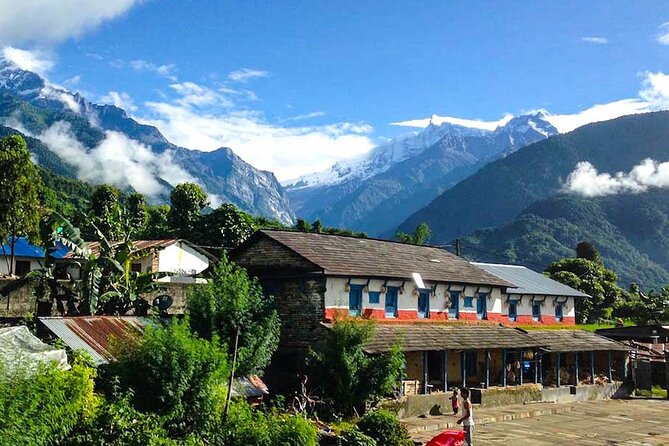
This is positioned as beginner- and family-friendly. The days are structured with gradual ascents and manageable walking blocks, and the operator states that most travelers can participate.
Still, easy doesn’t mean zero effort. You’re hiking uphill to Australian Camp (about 3 hours) and then continuing with a longer 5-hour trek to Ghandruk. If you can handle steady walking for half a day at a time, you’re likely in the right zone.
What helps most is pacing with breaks built into the schedule. You’re not doing nonstop motion; you have viewpoint time and village exploration, which turns the hike into an experience rather than a test.
Small Comforts and Practical Tips That Improve Your Odds
Based on how this kind of trek runs, a few practical choices will make your time better.
First, plan for guest-house reality. The tour includes basic accommodation, which usually means simple rooms and basic facilities. Bring patience for limited comfort, and aim to enjoy the setting rather than compare it to a hotel.
Second, budget your meals early. Meals are on purchase, not included, so decide whether you’ll stick to simple local options or you’ll spend more on variety. Either way, give yourself a little flexibility for snack breaks.
Third, lean on the guide for timing. With permits handled and an English-speaking guide included, you can ask straightforward questions: where you’ll pause, what to expect next, and how to handle any stronger uphill moments. That’s especially helpful if it’s your first Himalayan trek.
Who Should Book This Trek in the Annapurna Region?
I’d put this trek on the short list if you want:
- A 3-day format that’s long enough to feel real but short enough to fit a tight schedule in Pokhara
- Big Annapurna and Machhapuchuchhre viewpoint time without committing to a hardcore trek
- Cultural stops you can understand, including the Gurung Museum in Ghandruk
- A trip with a guide, permits, and transport managed end-to-end
It’s also a strong choice for small groups who want their own pace. The tour is described as private, so you’re not stuck with a chaotic mix of walkers.
If you’re looking for a purely luxury experience, this likely won’t match. Basic guest houses and meals on purchase aren’t meant to be high-comfort. But if you want authenticity with manageable effort, it fits well.
Should You Book This 3-Day Australian Camp and Ghandruk Trek?
If your goal is a friendly, well-structured introduction to the Annapurna region, I think this is worth considering. You get the classic view payoff at Australian Camp, plus real cultural context through the Gurung Museum in Ghandruk—without needing weeks of trekking.
I’d book it if you:
- Like the idea of a short hike with village time
- Want your permits and transfers handled
- Are okay with basic guest-house comfort and buying your meals
I’d think twice if you:
- Need meals included to control your budget tightly
- Expect hotel-level accommodation
- Want a trek with lots of downtime in Pokhara each day (this one is focused on the mountain schedule)
If you want an easy route that still feels meaningful—views, village life, and a museum stop—this 3-day Pokhara trek makes a lot of sense.
FAQ
Is hotel pickup and drop-off included?
Yes. Pickup and drop-off are included for hotels within the Lakeside area of Pokhara.
What does the $195 per person price include?
The price includes private transfers, trekking permit and TIMS card, an English speaking trekking guide, basic guest house accommodation, a first aid kit (with guide), and a private trip format.
Are meals included?
No. Meals are available for purchase. The tour lists an approximate cost of USD 25 per person per day.
What trekking permits are included?
The tour includes trekking permit and the TIMS card.
How long and how active is the trek?
It’s a 3-day easy trekking route. Walking times listed include about 3 hours to Australian Camp on the first trekking day, about 5 hours to Ghandruk on the second day, and about 4 hours descending to Birethanti on the third day.
Can I cancel for a full refund?
Yes. Free cancellation is available up to 24 hours in advance for a full refund, based on the experience’s local time.