REVIEW · POKHARA
Pokhara: One night camping, campfire stay at Australian camp
Book on GetYourGuide →Operated by Fewa Trail Treks and Expedition Pvt Ltd · Bookable on GetYourGuide
Australian Camp earns its reputation fast: you’re up at altitude for a sunrise show without spending a week hiking. This is a 2-day, one-night camping trek that focuses on Annapurna and Dhaulagiri views, a mellow trail through villages and forest, and an evening campfire under the stars.
I love how the schedule is tight but not rushed: drive from Pokhara to Kande, hike up to the hilltop, then enjoy that famous early-morning glow over the mountains. The second big win for me is the human scale—an English-speaking local guide helps you connect the dots as you walk, including culture you’ll notice along the way through Gurung villages.
One thing to consider: the package doesn’t include meals during your stay, so you’ll want to budget for food and plan snacks. Also, this is still a real trek—bring proper hiking shoes and hiking pants, because the trail won’t be a stroll in the park.
In This Review
- Key points to know before you go
- Why Australian Camp is a fast way into Annapurna sunrise country
- Pokhara to Kande: the part that sets your whole day up
- Climbing through Gurung villages and forest trails
- Arriving at Australian Camp: your first real mountain payoff
- Campfire night under the stars: why this matters more than you think
- Sunrise over Annapurna and Dhaulagiri: the moment you came for
- Trek back toward Kande, then back to Pokhara
- Price and what $86 actually covers in this 2-day trek
- What to pack (so the short hike feels good)
- Who this trek is best for (and who should skip it)
- Provider and guide style: getting help without feeling rushed
- Should you book Australian Camp one-night camping?
- FAQ
- How long is this Australian Camp trek?
- Where does the trek start?
- Is pickup included in the price?
- Is there an English-speaking guide?
- Is the group private?
- What’s included for the overnight stay?
- Are meals included?
- What should I bring for the hike?
- FAQ
- What’s the cancellation policy?
- Is travel insurance included?
- Is there a way to keep plans flexible?
Key points to know before you go
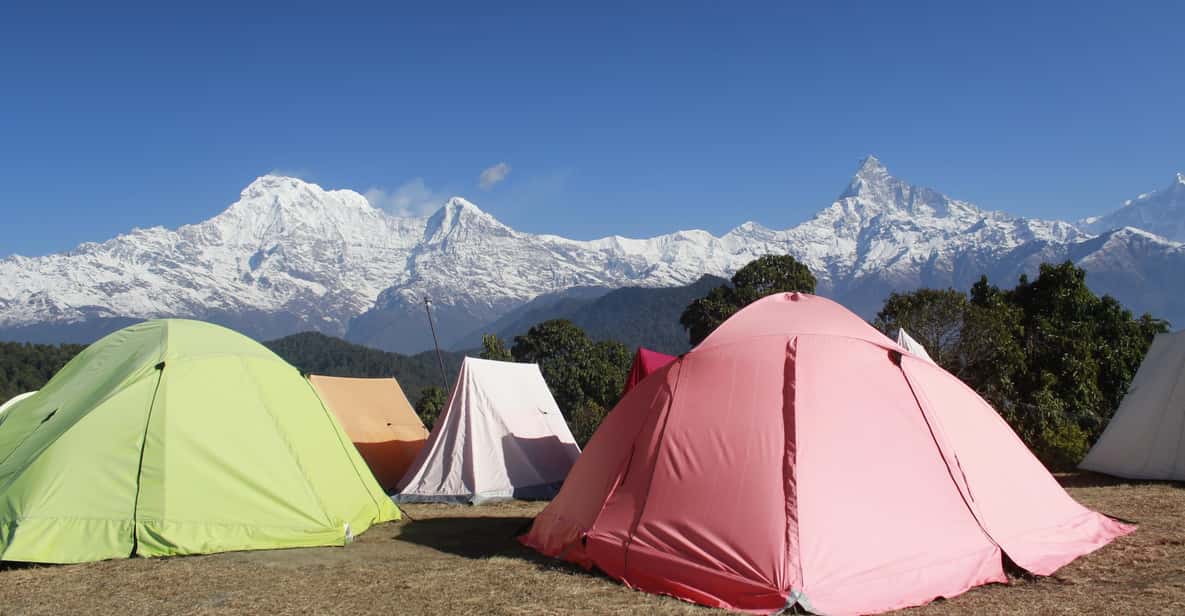
- Panoramic sunrise viewpoint: Annapurna + Dhaulagiri views from Australian Camp
- A short, satisfying trek: enough hiking to feel like you went somewhere
- Campfire night included: simple, memorable, and very “Nepal”
- Guided and English-speaking: you get help navigating and context along the route
- Bring hiking shoes and pants: required for the hike comfort and safety
Why Australian Camp is a fast way into Annapurna sunrise country
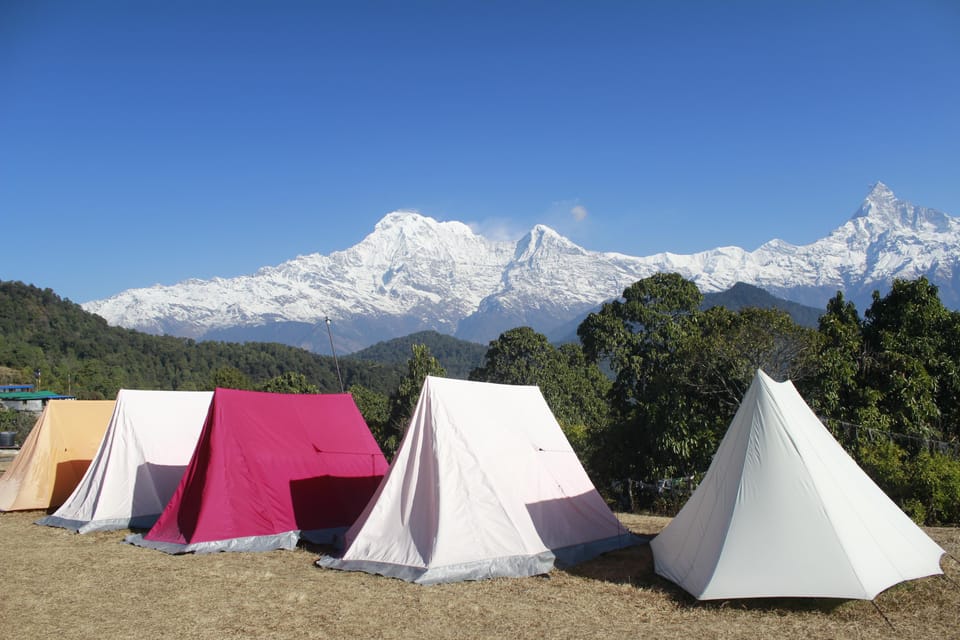
If you only have a short window around Pokhara, this trek hits the sweet spot. You get a hilltop night, a very early start, and a payoff that’s hard to beat: the mountains lighting up as the day begins. It’s the kind of experience that makes you sit up a little straighter when you look out—because the view isn’t just pretty, it’s big and clear.
I also like the way the route doesn’t demand extreme endurance. You’ll hike through lush forests, terraced fields, and past Gurung villages, so the trip feels like walking through layers of everyday Nepal—not just marching toward a single photo spot.
You can also read our reviews of more evening experiences in Pokhara
Pokhara to Kande: the part that sets your whole day up
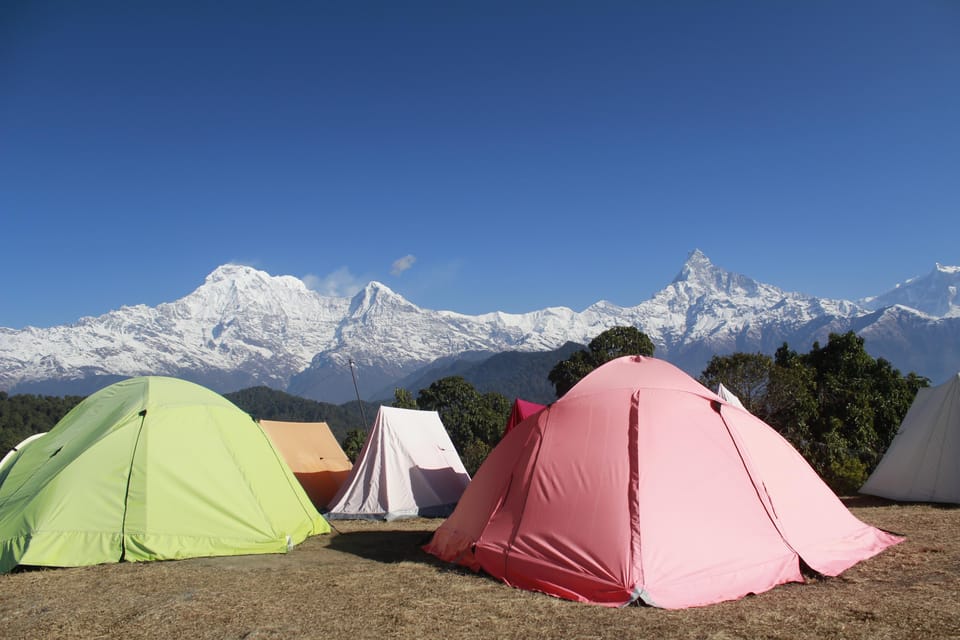
The experience starts with a scenic drive from Pokhara to Kande. Pickup is included, and they’ll pick you up about 15 minutes before the trek. That matters because it reduces “wait time stress,” especially when you’re trying to coordinate mornings and daylight.
Once you’re in the Kande area, your trek begins. Think of this as the warm-up chapter: you’re going from city energy into mountain rhythm. If you’re the type who likes to get oriented before you sweat, you’ll appreciate how the day is staged.
Climbing through Gurung villages and forest trails
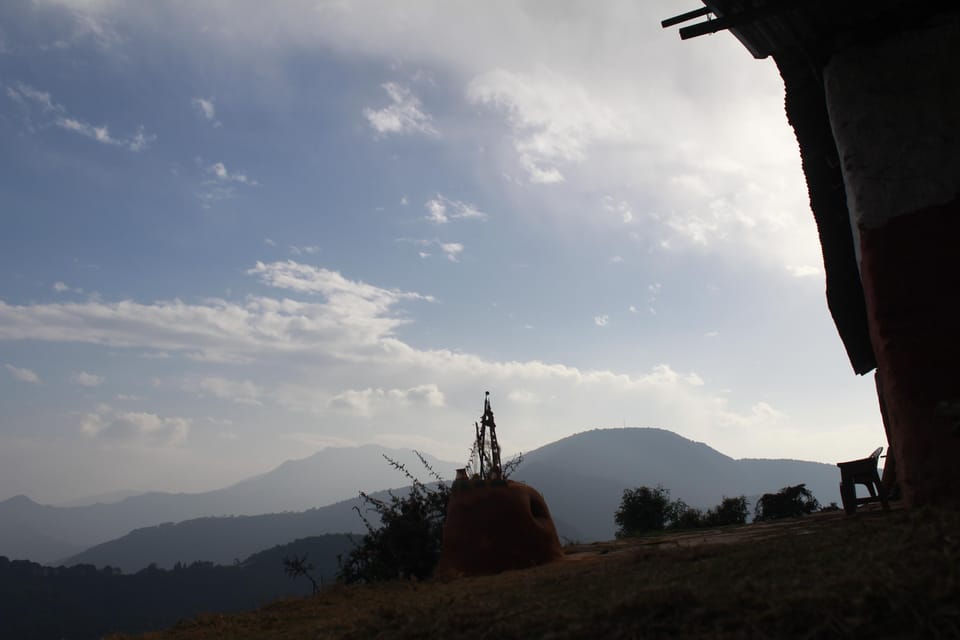
The hike goes upward through forests and cultivated slopes, with terraced fields and local village life along the way. You’ll pass traditional Gurung communities, which is more than a scenery bonus. It’s a chance to see how people live close to the trekking routes, and how culture lines up with the landscape you’re walking through.
You’ll also get plenty of chances to notice plants and wildlife. The experience highlights diverse flora and fauna, which is what you want on a shorter trek: you don’t just want one view—you want variety across the hours you’re on your feet.
Practical note: this isn’t a flat path. Even when the trail feels manageable, you’ll still deal with uneven ground and changing footing. Your best move is to pace yourself and keep your focus on where you plant each step.
Arriving at Australian Camp: your first real mountain payoff
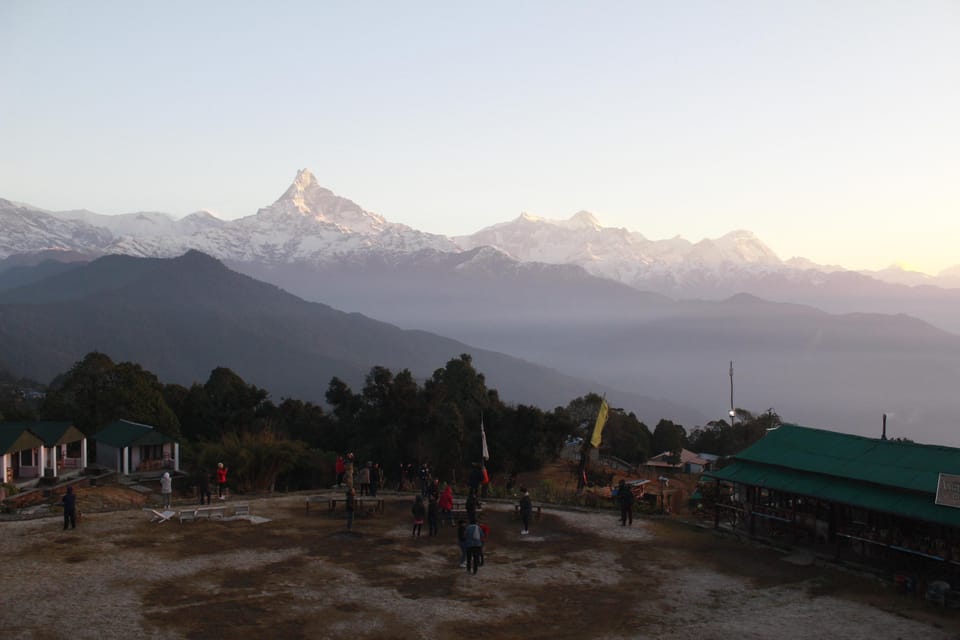
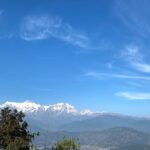
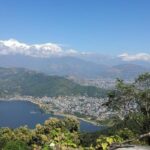
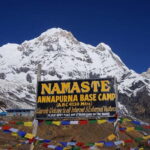
Australian Camp is the big destination. When you reach it, you’re greeted with panoramic vistas of the Annapurna and Dhaulagiri ranges. That moment is the payoff for the short ascent: suddenly, the hike shifts from “walking through Nepal” to “standing in front of Nepal.”
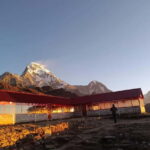
Your accommodation is in a well-equipped, comfortable camp. That’s a key difference from rougher trekking setups—on a one-night trip, comfort helps you actually enjoy the evening and wake up without feeling wrecked.
Another small but important detail: because this is a guided trek, you’re not doing the mental work of figuring out timing or route decisions. You can spend more energy on the view, the conversations, and just being present.
Campfire night under the stars: why this matters more than you think
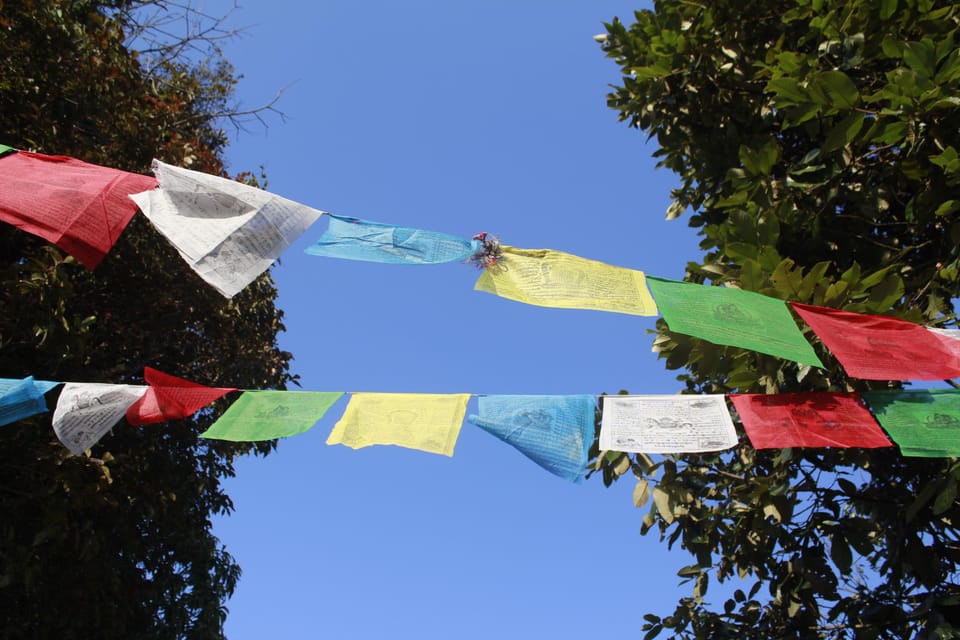
The evening is built around a cozy campfire experience. You’ll have time to sit, relax, and share stories with fellow travelers, which turns the night from “sleeping in the mountains” into “feeling part of something.”
This is also when the guide’s role becomes more than logistics. An English-speaking guide can help you read what you’re seeing—how the area works, what matters locally, and why the trails are where they are. In past experiences on this route, guides like Amrit, Arjun, and Bikram have been recognized for being patient, friendly, and attentive—so you’ll likely get real interaction, not just directions.
The campfire is simple, but it’s memorable because it slows everything down. After the hike, it feels like your brain finally catches up to what your eyes have been doing all day.

Sunrise over Annapurna and Dhaulagiri: the moment you came for
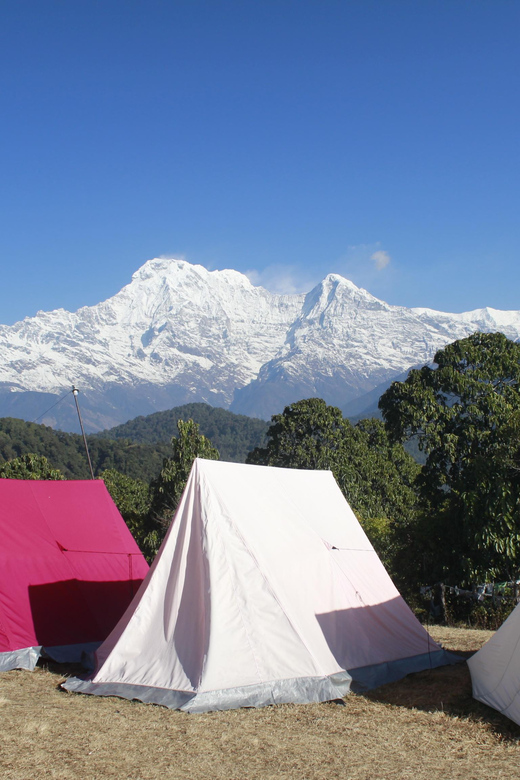
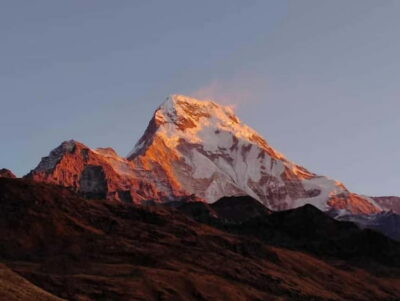
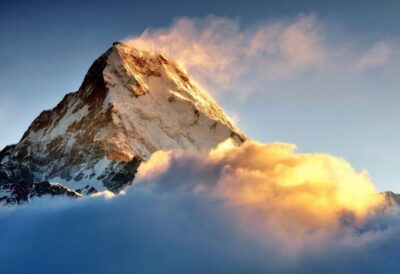
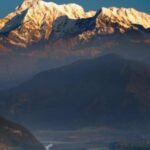
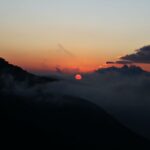
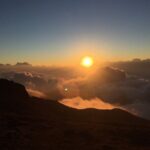
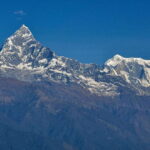
The next morning starts with an early rise for a sunrise view over the Annapurna and Dhaulagiri ranges. That early wake-up is worth it when the mountains start glowing. Even on a short trek, this is the one section that turns the whole trip into a story you’ll remember.
Breakfast time is part of the morning routine while you take in the scenery. One heads-up, though: the package notes that meals during the stay aren’t included (breakfast, lunch, and dinner). So plan on budgeting for food, even if breakfast happens during the schedule.
If you’re sensitive to cold mornings, you’ll want to be realistic about how early “early” feels at altitude. Keep it practical: get moving when they guide you, don’t linger too long before sunrise, and treat the time outside as part of the experience.
Trek back toward Kande, then back to Pokhara
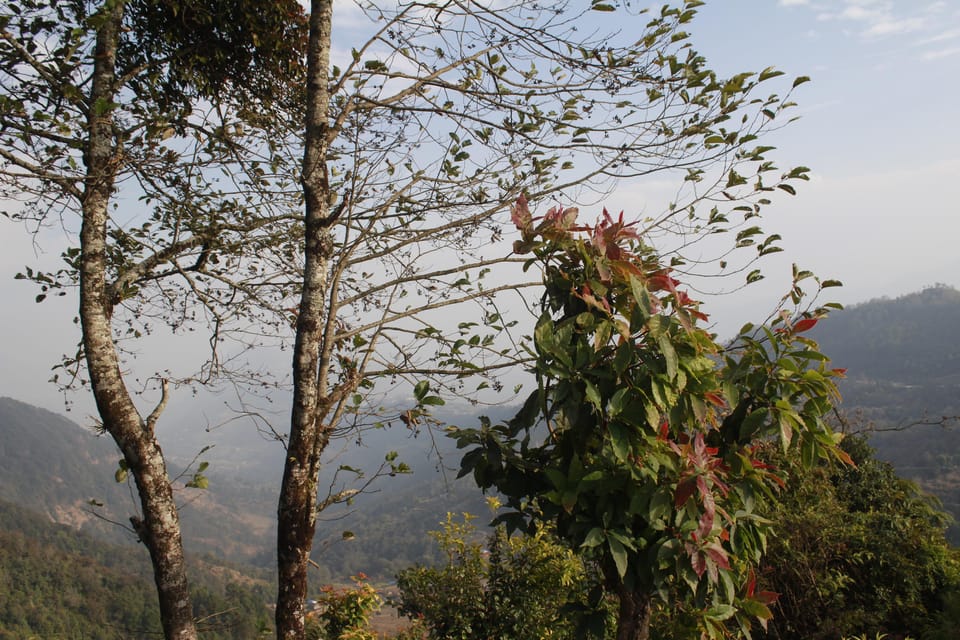
After sunrise and the morning break, you’ll trek back to Kande. The return hike is where you absorb the day. Coming down feels different from going up—you’ll notice the trail’s rhythm, and you’ll probably spot more detail on the way because you’re not fighting uphill effort.
You’ll also get another look at flora and fauna and the local hospitality of the communities along the route. It’s the “thank you for the walk” phase: you’re leaving the view behind, but the memories stick.
Finally, you’ll return to Pokhara. This matters because it turns the trek into a complete mini-break: you can go back to normal meals, hot showers, and a sense of closure without a long overland journey.
Price and what $86 actually covers in this 2-day trek
At $86 per person for a 2-day, one-night camping experience, the value is tied to what’s included.
Here’s what you do get:
- Round-trip transportation between Pokhara and Kande
- Guided trek to and from Australian Camp
- Camp accommodation in a comfortable setup
- The evening campfire experience
- Sunrise viewing over the Annapurna and Dhaulagiri ranges
- A local guide for insights and assistance
- Permits and entrance fees
Here’s what you don’t get:
- Personal expenses (snacks, souvenirs, and similar)
- Meals during the stay (breakfast, lunch, and dinner)
- Travel insurance (recommended)
- Any extra Pokhara accommodation before or after the trek
To me, the “value” sweet spot is this: you’re paying for transportation + guidance + permits + the mountain night + the sunrise moment. That’s a lot to bundle into a short timeline. The only real cost you’ll still handle yourself is food. So if you’d rather manage meals independently, you’ll be fine.
What to pack (so the short hike feels good)
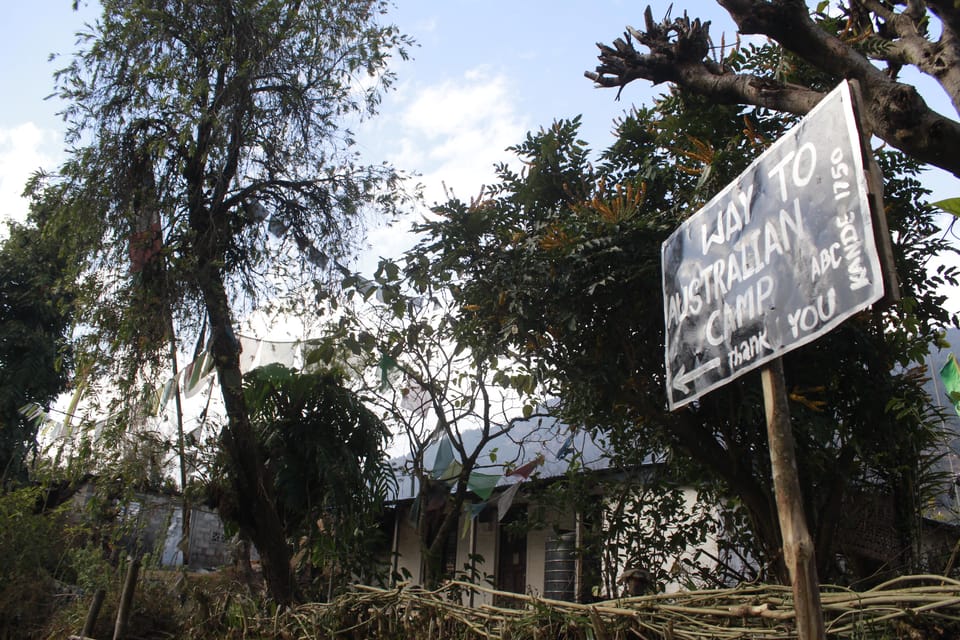
The experience specifically calls out hiking shoes and hiking pants. Stick to that. Proper footwear is what keeps your feet happy on uneven ground, and hiking pants save you from irritation on brushy parts of the trail.
Beyond that, plan for your own snacks since food isn’t included. If you like small comforts, bring them—but keep it light. One night means you don’t need a big kit, just the essentials that make you comfortable in the hike-and-view rhythm.
Also, wear clothes that work for hiking. You’ll want to move comfortably because you’ll be ascending and descending.
Who this trek is best for (and who should skip it)
This is a smart pick if:
- You’re short on time but want a real Himalayan experience near Pokhara
- You’re chasing the Annapurna sunrise vibe without a week-long trek
- You like short hikes that still include village life and forest walking
- You want English support and guidance on the route
It may not be the right fit if:
- You want multiple nights of camping or a longer, harder trek
- You don’t want to handle your own meals
- You prefer fully self-guided travel with no organized schedule
The nice part is that the trip is built around the moments that most people remember: the arrival at Australian Camp, the campfire night, and the sunrise.
Provider and guide style: getting help without feeling rushed
The experience is run by Fewa Trail Treks and Expedition Pvt Ltd. On a trek this short, the guide matters a lot, because there’s less time for “figure it out later.”
You’ll have a live tour guide in English and a private group format. Private groups are helpful when you want to ask questions, move at a comfortable pace, and not get stuck waiting for a slow or fast group dynamic.
Based on guide styles highlighted for this trek—people like Amrit, Arjun, and Bikram—the strongest common thread is attention to comfort and readiness. That usually shows up in small ways: helping you feel prepared, keeping the hike smooth, and sharing culture and context so you understand what you’re walking through.
Should you book Australian Camp one-night camping?
If your goal is a high-impact Himalayan moment in a short time, I’d say book it. For the price, you’re getting the exact ingredients that make the story: transportation, a guided hike, a comfortable camp, a campfire night, and a sunrise view over Annapurna and Dhaulagiri.
Skip it only if meals not being included would annoy you, or if you’re looking for a long multi-day trek with deeper route variety. For everyone else—especially sunrise lovers—this is the kind of trip that delivers quickly, stays manageable, and still feels real.
FAQ
How long is this Australian Camp trek?
It’s a 2-day experience with one night of camping.
Where does the trek start?
You’ll begin with a scenic drive from Pokhara to Kande, then the trek starts from there to Australian Camp.
Is pickup included in the price?
Yes. Pickup is included, and they will pick you up 15 minutes before the trek.
Is there an English-speaking guide?
Yes. The live tour guide is listed as English.
Is the group private?
Yes. The group type is a private group.
What’s included for the overnight stay?
You’ll have accommodation in a well-equipped, comfortable camp, plus an evening campfire experience.
Are meals included?
No. The tour data says all meals during the stay (breakfast, lunch, and dinner) are not included.
What should I bring for the hike?
Bring hiking shoes and hiking pants.
FAQ
What’s the cancellation policy?
You can cancel up to 24 hours in advance for a full refund.
Is travel insurance included?
Travel insurance is not included, though it’s recommended.
Is there a way to keep plans flexible?
Yes. Reserve now & pay later is listed as available, so you can book without paying today.