REVIEW · POKHARA
1 N 2 Days easy Dhampus,Australian camp trek from Pokhara
Book on GetYourGuide →Operated by Adventure in Nepal · Bookable on GetYourGuide
Two days, and the Annapurna feels close. I really like the 180-degree panoramic views on clear days and the way sunrise and sunset turn this short hike into a real highlight reel. Dhampus adds a human side with a traditional Gurung village feel instead of just viewpoint hopping.
The only real catch is that the trail can include stone steps and weather can roll in fast, so the mountains might hide in fog at times. Still, if you pack for that reality and move at a relaxed pace, the experience stays very doable.
You’ll also get a practical setup: hotel pickup and drop-off from Pokhara, an English-speaking guide, and a simple overnight at a guesthouse/lodge so you can focus on walking, photos, and mountain air.
In This Review
- Key things to know before you go
- Your 2-Day Plan: From Pokhara to Australian Camp and Back
- Day 1: Kande Naudanda to Australian Camp, plus a real sunset payoff
- Day 2: Sunrise photos, breakfast, then down to Dhampus Phedi
- Dhampus: Gurung Village Life, Terraces, and Photo Angles
- Sunrise and Sunset Views: What you’re really buying with the 2 days
- How hard is it, really? Steps, pace, and shoe choices
- Guides and safety: The real comfort factor in Nepal
- Price and value: What $86 buys you (and what it doesn’t)
- Best season and weather reality in Annapurna
- Who this trek is perfect for (and who should skip it)
- Should you book this Dhampus and Australian Camp trek?
- FAQ
- How long is this Dhampus and Australian Camp trek?
- What’s the altitude range on this route?
- Do I sleep at Australian Camp or Dhampus?
- Is food included in the price?
- What’s included in the tour price besides a guide?
- What should I bring?
- When is the best time to do this trek?
Key things to know before you go
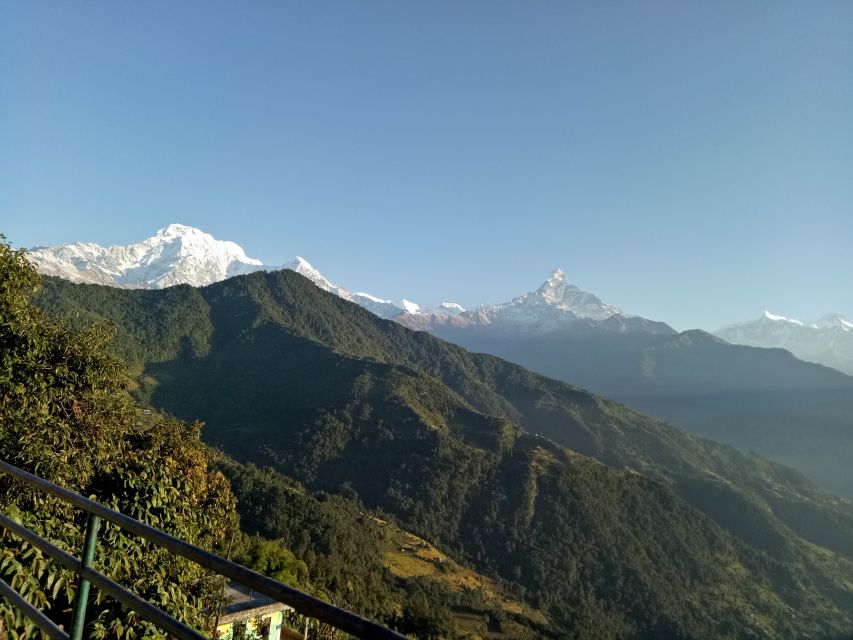
- Two viewpoints, one quick itinerary: Australian Camp at about 2,100 meters plus Dhampus around 1,700 meters.
- Sunrise and sunset timing: early morning photos, then an evening payoff after your first hike.
- Gurung village atmosphere: Dhampus is known for traditional stone houses and local daily life.
- Short walking days: the Australian Camp hike is about 2 hours, but expect some stairs.
- Weather-flex friendly guiding: guides often adjust plans when clouds block the main peaks.
- Food is on you: meals aren’t included, but you can buy food and drinks along the way.
Your 2-Day Plan: From Pokhara to Australian Camp and Back
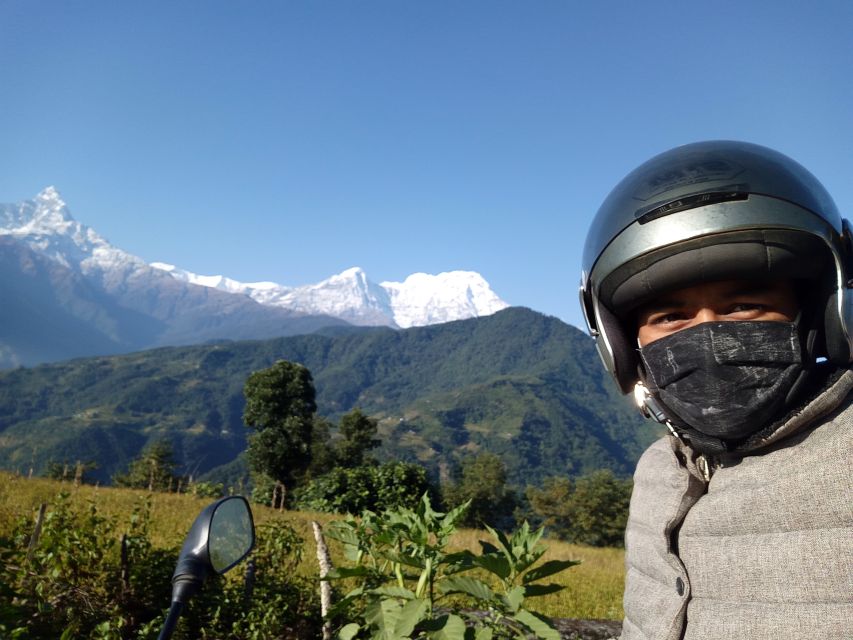
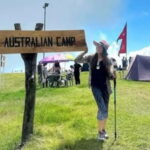
This is the kind of trek I recommend when you want the Annapurna region feeling without committing to a week or more. You’ll start in Pokhara early, drive out, then walk to Australian Camp (Thulo Kharka)—a viewpoint famous for mountain panoramas and those famous morning and evening light moments.
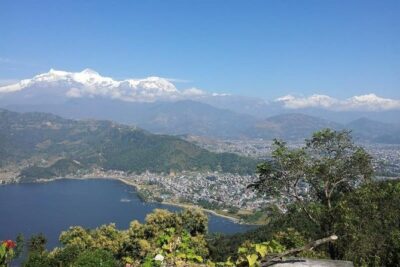
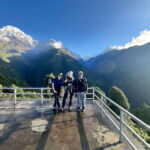
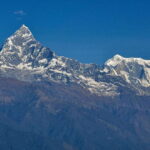
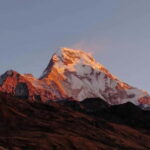
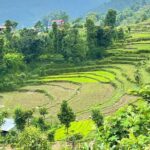
Australian Camp sits at roughly 2,100 meters, and the area around it is described as peaceful and scenic, with forests and rhododendron vibes plus terraced farmland below. On a clear day, you get broad views across the Annapurna and Dhaulagiri ranges, which is why people chase sunrise here.
Dhampus, on the other hand, gives you the cultural rhythm of a small settlement. It’s around 1,700 meters, with terraces, green hills, and traditional Gurung life. The mix of viewpoint + village is the smart part of this 2-day version.
You can also read our reviews of more hiking tours in Pokhara
Day 1: Kande Naudanda to Australian Camp, plus a real sunset payoff
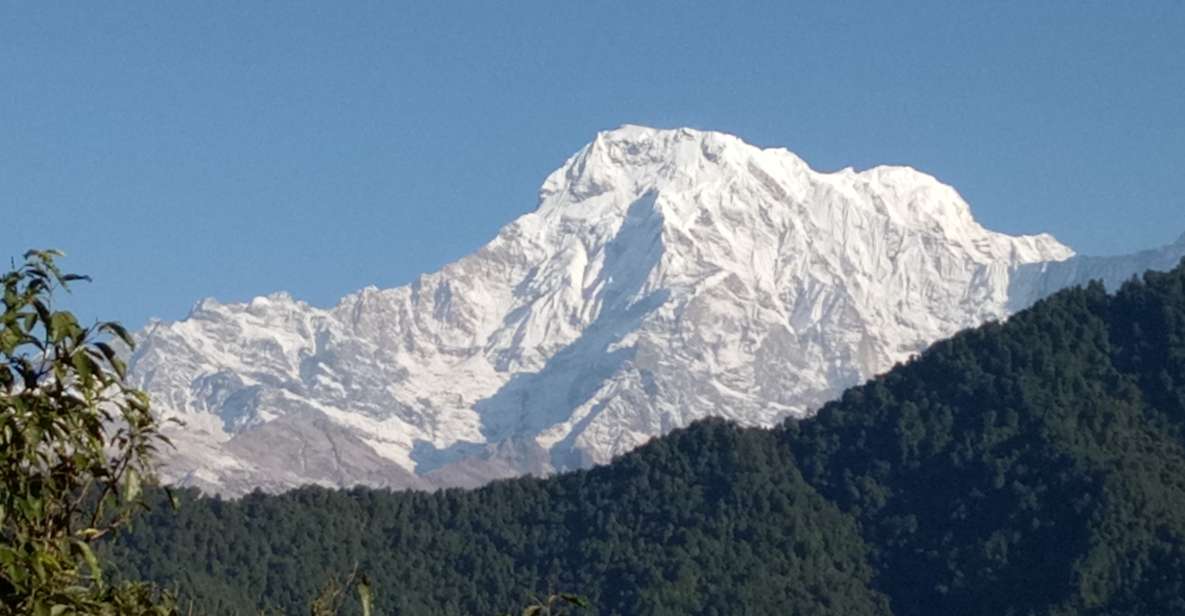
Your guide picks you up early from your hotel in Pokhara, then you drive to Kande Naudanda. From there, you trek for about 2 hours to reach Australian Camp, keeping it short enough that first-timers can usually manage it with a steady pace.
The walk is often the easiest part mentally, because you can focus on small wins: step by step, getting higher, and eventually feeling the temperature shift. And once you arrive, you have time to settle in before the evening view.
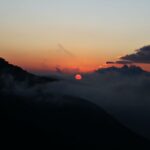
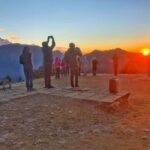
In the evening, this trek is built around sunset. That means you’re not just arriving at a place and rushing out—you’re using the light. If the sky behaves and the air is clear, you’ll get those wide mountain silhouettes as clouds move and sunlight fades.
One practical note: mountain weather in the Annapurna region can change quickly. I like that the guides on this route tend to think ahead. In past trips, guides have adjusted the overnight plan when clouds blocked the big views, to protect your experience on day two.
Day 2: Sunrise photos, breakfast, then down to Dhampus Phedi
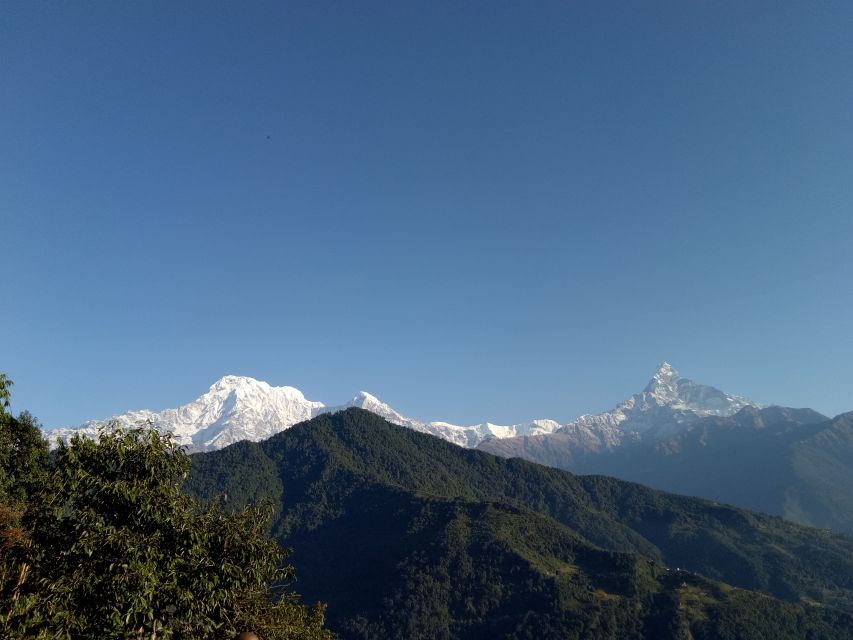
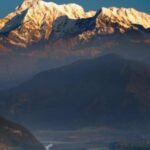
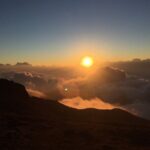
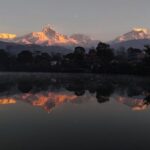
Day two starts early for sunrise. You’ll get up, move into position, and take photos while the Annapurna massif lights up. If you’re the type who gets a little obsessive about timing (no judgment), this is where you’ll use it well: sunrise often looks best when you’re not rushing.
After the morning photos, you’ll have breakfast at the lodge. Then you’ll hike down from Australian Camp to Dhampus Phedi. From there, the drive brings you back to your hotel in Pokhara.
That descent matters more than people think. It’s short, but it can feel punchy on knees and calves because you’re going from viewpoint height into the village area. It’s also where having comfortable shoes earns its keep.
Dhampus: Gurung Village Life, Terraces, and Photo Angles
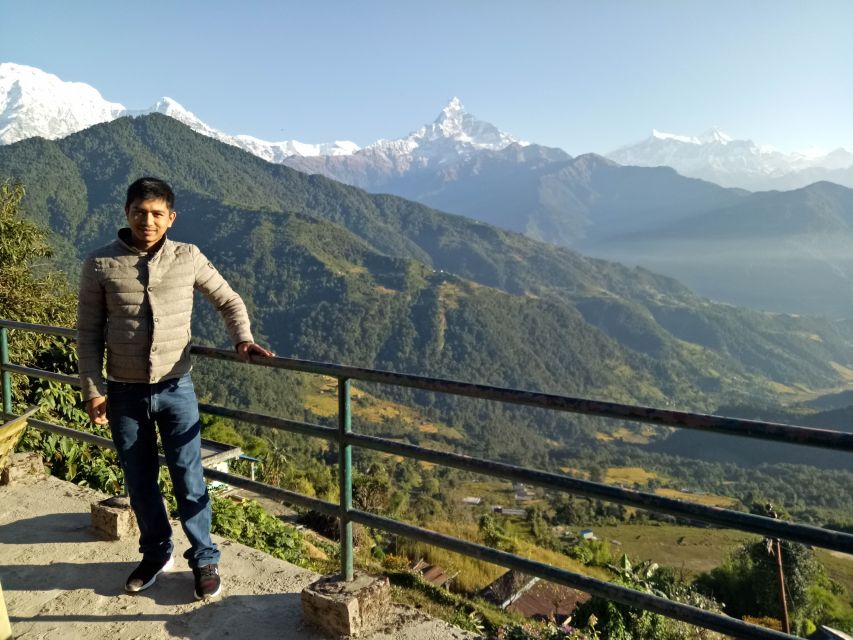
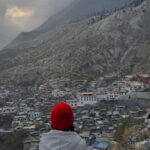
Dhampus is a real village, not just a viewpoint stop. It’s known as a traditional Gurung community, and you’ll feel that in the layout and the way people live around the terraces and stone-built homes.
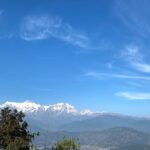
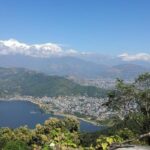
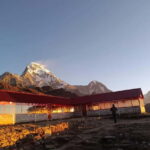
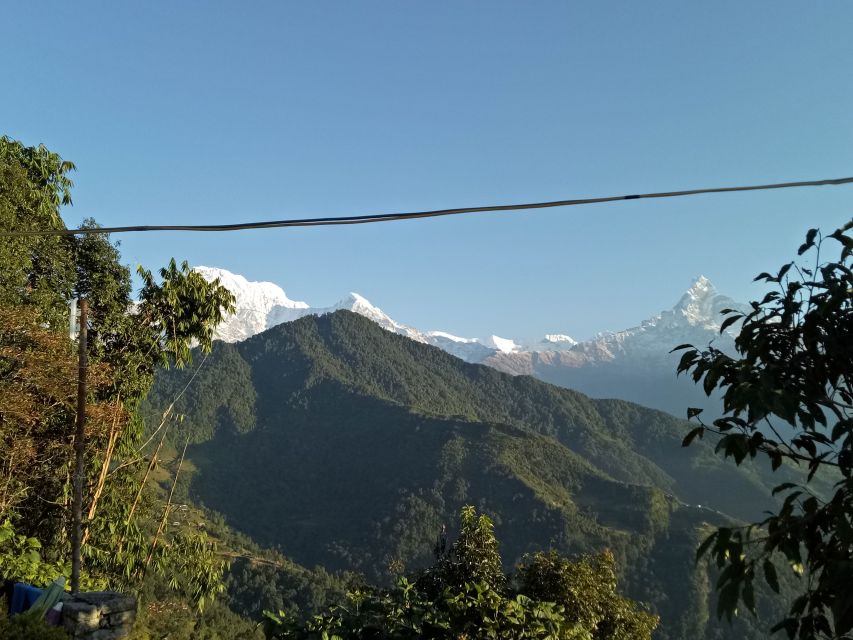
From Dhampus, you can see major peaks in the Annapurna range, including Annapurna and Machhapuchhre (Fishtail). Even when clouds soften the scene, the village setting still gives you something. The streets, small homes, and local daily rhythm make the place feel lived-in.
Now, the photo realism check: Dhampus can include visible power lines in some areas, so you may need to take a few extra seconds to find angles that avoid them. I’d rather have that honest heads-up than pretend every shot is postcard-perfect.
If you time it right, you can also catch the social side of Nepal. On certain dates, guesthouse hosts and locals may invite you to join in music or celebrations. It’s not guaranteed, but it’s the kind of thing a flexible, friendly guide helps you notice.
Sunrise and Sunset Views: What you’re really buying with the 2 days
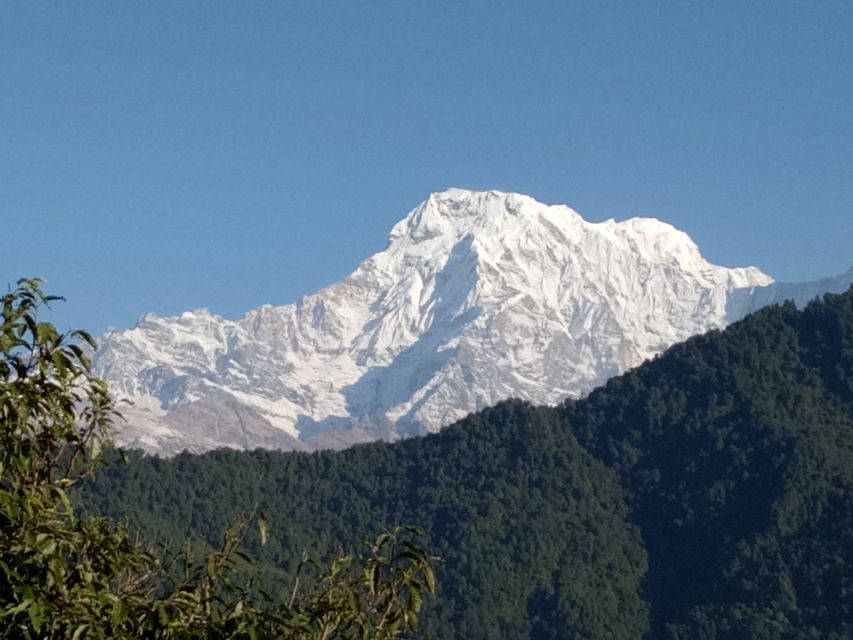
The big “why” behind this trek is the light. Sunrise and sunset change everything in the Himalayas: contrast, cloud texture, and the way peaks reveal themselves.
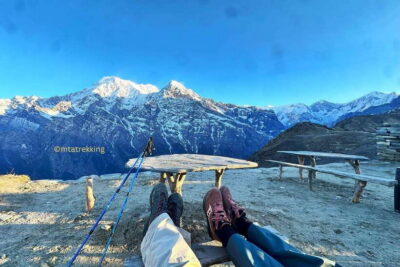
On sunny days, you’re chasing that 180-degree panoramic feeling at Australian Camp. The payoff is not just that the mountains look big—it’s that you get time to watch how they transform as the sky warms and cools. This matters, because the common failure mode on quick treks is arriving late, doing one quick look, and leaving before the view matures.
Here, you build in the right rhythm: hike in, settle, then sunset; wake up, photograph sunrise, then breakfast. It’s a simple plan, but it respects how mountain views actually work.
And when weather isn’t perfect, the experience still has legs. Even fog or cloud cover can make the village and trail feel dramatic in a different way, and a good guide can redirect you so your day doesn’t feel wasted.
You can also read our reviews of more tours and experiences in Pokhara
How hard is it, really? Steps, pace, and shoe choices
Calling this trek easy makes sense, but it’s not a stroll on flat ground. People do mention stone steps and the uphill feel on the way to Australian Camp. The distance is short, but the trail can be step-heavy, especially with uneven rock.
Here’s what I suggest you do before you decide:
- Wear comfortable shoes you can walk down in.
- Expect some stair climbing and take breaks often.
- Keep your pace slower than your excitement.
Guides on this route also tend to manage effort well. In previous trips, guides like Amrit and Biru were praised for the same theme: they told people to slow down, take time, and keep moving safely. That coaching is huge if you’re not used to altitude or uneven footing.
Also, even if you’re feeling fine at the start, save a little energy for the descent. That’s where tired legs can turn a simple day into a grumpy one.
Guides and safety: The real comfort factor in Nepal
This trek includes a professional English-speaking guide, plus an emergency first aid kit with the guide. That kind of setup matters on short treks because help is only helpful if it’s in place before you need it.
The guide role isn’t only about safety, either. Many past experiences highlight patient pacing and clear communication. If you’re lucky enough to hike with Amrit, Biru, or Milan (names that show up frequently), you can expect a guide who balances conversation with space and keeps the group comfortable.
I also like that the guide support isn’t just technical. People have mentioned being encouraged to match their own speed, with a calm approach that reduces stress. If you’re nervous about trekking in a new country, that reassurance helps more than you’d think.
Communication-wise, the trip lists English, Hindi, and Nepali as languages. If you speak basic English, you should be fine, since guides in this area often use simple, slower phrasing when needed.
Price and value: What $86 buys you (and what it doesn’t)
At about $86 per person for 2 days, this is a cost-effective way to do the Annapurna viewpoints without building a whole logistics plan yourself. The main value is what’s packaged in:
- Hotel pickup and drop-off
- Round trip private transport
- An English-speaking trekking guide
- Accommodation in guesthouse/lodge for the night
- Emergency first aid kit with guide
- All official document handling
- Private trip setup
What’s not included is equally important: food and drinks. You’ll be able to buy meals along the way, but you should budget separately for breakfasts, lunches, and dinners.
So is it worth it? For me, yes—if you want a short, guided Himalayan taste with real scenery time. If you’re the type who hates paying for transport and prefers DIY, you might compare costs. But for most people, paying for guidance plus pickup saves energy and reduces decision fatigue.
Best season and weather reality in Annapurna
The best seasons listed are March to May, and September to December. Those windows usually give you a better shot at clear skies and crisp mountain views.
Even then, expect changes. Clouds can appear quickly, especially at higher viewpoints. That’s one reason I like that guides handle plan adjustments calmly. If the weather blocks sunrise views, you still have a structured route and a cultural stop built in.
Who this trek is perfect for (and who should skip it)
This works well for:
- People who want Himalaya views fast in just 2 days
- First-time trekkers who want a guide and short walking blocks
- Solo travelers who feel safer with a private group setup
- Anyone who wants both scenery and a real village atmosphere
It may not fit for:
- Pregnant women (not suitable per the tour info)
- Wheelchair users (not suitable per the tour info)
- Anyone who can’t handle uneven stone steps and a short but active hike
If you have any medical limitations, check with your doctor first. Also, tell your guide what you can manage so they can pace the hike accordingly.
Should you book this Dhampus and Australian Camp trek?
If you want a compact trek with sunrise and sunset built into the schedule, I’d book it. The combination of Australian Camp panoramas plus Dhampus Gurung village life is a nice change from purely viewpoint-heavy days, and the guide setup makes the whole thing feel manageable.
I’d especially recommend it if you’re traveling with limited time in Pokhara and you don’t want to gamble on doing everything on your own. Just go in with the right expectations: bring shoes for stairs, accept that weather can hide peaks, and let your guide keep the pace comfortable.
FAQ
How long is this Dhampus and Australian Camp trek?
The trek runs for 2 days.
What’s the altitude range on this route?
Dhampus is around 1,700 meters and Australian Camp is around 2,100 meters.
Do I sleep at Australian Camp or Dhampus?
The plan is to overnight at a lodge after your first day at Australian Camp. The guide may make adjustments if conditions require it.
Is food included in the price?
No. Food and drinks are available for purchase.
What’s included in the tour price besides a guide?
You get hotel pickup and drop-off, round trip private transport, accommodation in a guesthouse/lodge, an emergency first aid kit with the guide, and official documents handling.
What should I bring?
Bring a passport or ID card and comfortable shoes.
When is the best time to do this trek?
March to May and September to December are listed as the best seasons.