REVIEW · KATHMANDU
Smells of Kathmandu Walking Day Tour
Book on Viator →Operated by Classic Escapades · Bookable on Viator
Follow the scents of old Kathmandu. This Asan-focused afternoon walk (around 2.5 hours) takes you through the market maze between Durbar Square and Thamel, where spices, produce, grains, and everyday food shopping all feel close enough to touch.
I especially like the way the guide turns a simple stroll into a story-led orientation. I’ve seen how guides such as Sunil (and German-speaking Rajendra) can explain what you’re looking at, from ingredients to shop routines, so the city feels less like a postcard and more like a place you could actually live in.
One heads-up: you’ll be walking through crowded lanes with active street traffic, so wear comfy shoes and come with a patient mindset. Also, the experience needs good weather, so if it’s rainy, you may be offered a different time or a refund.
In This Review
- Key things to know before you go
- Why Asan’s market smells are the best kind of orientation
- Price and logistics: what $28 buys you in real time
- The afternoon timing that makes markets easier
- Entering Asan: where the city shops for the week
- What you should watch for in Asan
- Beyond Asan: Indrachowk, beads, and the feeling of getting lost (without getting lost)
- Indrachowk: a busy crossing point
- Bead bazaar: small goods, big texture
- Bangemudha and Nardevi: extra local atmosphere
- Your guide matters: how German Rajendra and Sunil change the experience
- Local tea and a realistic way to taste Kathmandu
- What’s included vs what’s on you
- Group size and pacing: why 10 people feels right here
- Who this walk is best for
- Should you book this Smells of Kathmandu Walking Day Tour?
- FAQ
- How long is the walking tour?
- Where does the tour start and end?
- Is pickup available?
- What areas will we visit besides Asan?
- Is food or drinks included?
- Is there a maximum group size?
Key things to know before you go
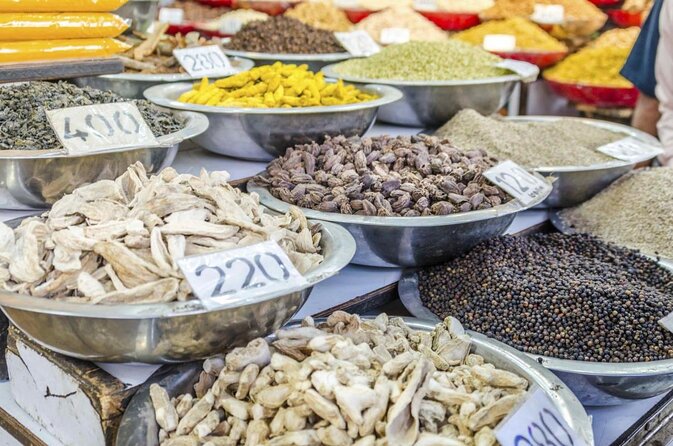
- Asan is the center of gravity: most of your time is spent in the market area, with lots to look at and smell.
- Old Kathmandu streets, not tourist-only routes: narrow alleyways and side lanes make it feel local fast.
- Small group size: capped at 10 travelers, which keeps the pace friendly and questions easy.
- Guides with real language ability: German-speaking Rajendra is one example.
- You’ll get pointed to everyday stops: including a bead area and a local tea opportunity along the way.
- You can arrange pickup: hotel pickup is available, and the day is anchored to a set meeting point.
Why Asan’s market smells are the best kind of orientation
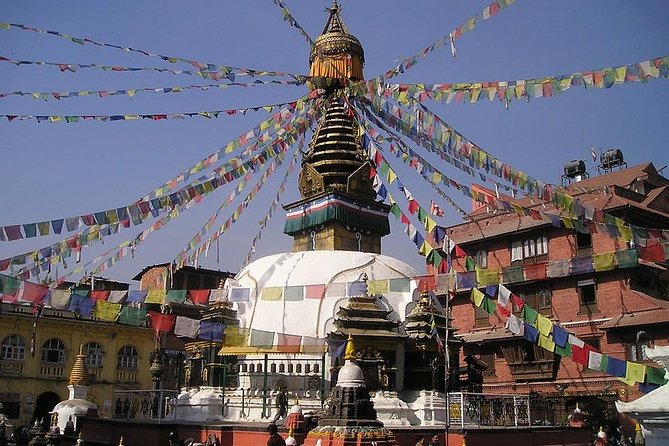
Kathmandu can be loud in your ears and crowded in your eyes. This walk handles that by giving you a clear focus: food, ingredients, and the daily buying rhythm at Asan. Instead of trying to hit every famous landmark, you slow down where locals shop—so the city’s “feel” clicks into place.
Asan sits in a key patch of Old Kathmandu, right in the zone between Durbar Square and Thamel. That matters because you get the contrast: heritage landmarks nearby, but your guide keeps you mostly inside the market world—spice stalls, grains and pulses, and all the bits that make Nepali cooking work.
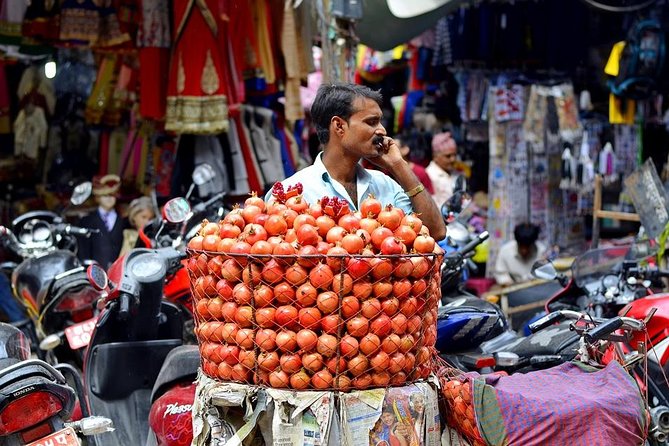
And yes, the smells are real. You’ll pass through areas where spices, fruits and vegetables, and other ingredients are part of the air itself. It’s not fancy. It’s honest. That’s why it works.
You can also read our reviews of more walking tours in Kathmandu

Price and logistics: what $28 buys you in real time
The price is $28 per person for about 2 hours 30 minutes, small-group style. For this kind of market-and-streets experience, the value comes from three things you’re paying for:
- A guide’s translation of everyday life (what’s for sale and what it means)
- Time spent in a concentrated area (so you’re not constantly relocating)
- An included admission ticket tied to the market stop (so you’re not hunting down extra fees mid-walk)
You’re also not stuck in a long day. Two and a half hours is short enough to fit into a busy travel schedule, but long enough to walk the route at a comfortable pace and let the guide explain the details as you go.
If you prefer less fuss, pickup can be arranged from your hotel. If not, you’ll meet at Karmachari Sanchaya Kosh Building, Tridevi Sadak, Kathmandu 44600 (and you return to the same meeting point after the tour). You’ll get a mobile ticket, which is handy in a city where paper can get lost in a pocket.
One practical note: the tour requires good weather. If conditions are poor, you’ll be offered a different date or a full refund.
The afternoon timing that makes markets easier
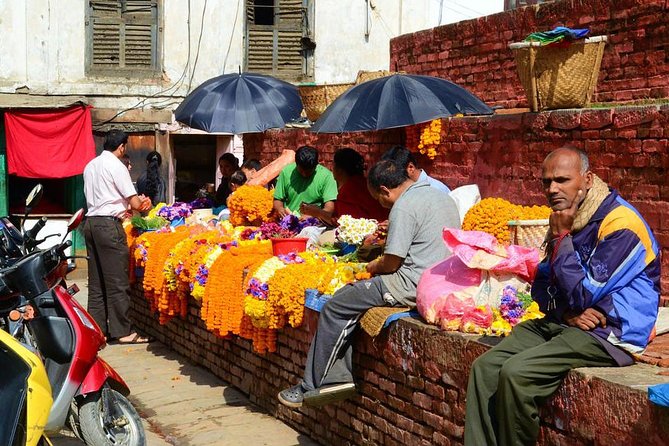
Starting at 2:45 pm is a smart choice. Markets can feel overwhelming earlier in the day, when everything is in full setup mode. Later in the afternoon, you still get plenty of action, but you can move more smoothly and get better back-and-forth with your guide.
This timing also helps with Kathmandu’s light and temperature. You’ll still need to stay hydrated, but the walk is designed to be manageable for most people, since the tour is not a full-day hike. It’s street-level exploration—flat enough for casual walking, but active enough to feel like a real neighborhood.
Entering Asan: where the city shops for the week
Asan is the main event, and you’ll spend most of your time there. Your guide brings you through Old Kathmandu surroundings including Asan itself plus nearby areas such as Indrachowk, the bead bazaar, Bangemudha, and Nardevi.
Here’s what makes Asan so useful for first-time visitors:
- You see ingredients, not just sights. You’ll find spices and cooking staples side-by-side with produce, grains, pulses, and more. It’s the kind of shopping list you don’t get from a viewpoint.
- You get the logic of the market layout. Even if you never remember every street name, you’ll understand what kind of goods tend to sit where.
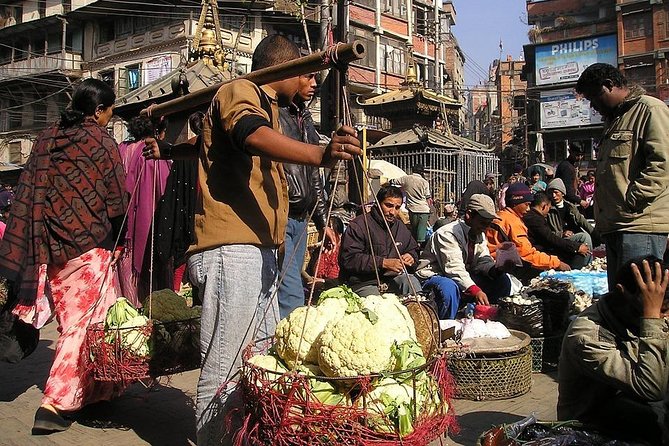
- You notice how locals move. Scooters, pedestrians, quick conversations, repeat customers—this is daily life, not a staged performance.
The guide also points out local ingredients and shares stories as you walk. That’s the difference between reading about Kathmandu’s food and actually watching where it comes from.
What you should watch for in Asan
Use your eyes and nose. If you slow down for 10 seconds at each stall, you’ll naturally start connecting the dots:
- What items look similar but aren’t
- How spices are grouped
- Where the busiest sections tend to be
- How people choose ingredients fast
If you’re the type who likes to cook or eat adventurously, Asan gives you ideas you can carry home. Even if you never buy anything, you’ll leave with a mental shopping map.


Beyond Asan: Indrachowk, beads, and the feeling of getting lost (without getting lost)
The tour is built to pull you out of the biggest market pressure and into neighboring streets and mini-centers. That’s where the walk turns from shopping observation into navigation of Old Kathmandu.
Indrachowk: a busy crossing point
You’ll visit Indrachowk, which sits in the web of streets around Durbar Square and Thamel. It’s useful because it’s the kind of place where you instantly feel how Kathmandu connects different neighborhoods. The crowd flow makes it feel real. You’re not wandering empty streets—you’re moving through an active city node.
Bead bazaar: small goods, big texture
You’ll also pass through the bead bazaar area. Even if beads aren’t your souvenir theme, it’s a great stop for understanding craft commerce. This is the kind of shop where the products and display create a different rhythm than food markets.
If you do want to shop, this is better than impulse-buying later. You can observe what’s common, what looks handmade, and how items are sold before you spend money.
Bangemudha and Nardevi: extra local atmosphere
The walk also includes areas such as Bangemudha and Nardevi. These stops matter because they expand what “Old Kathmandu” means. You’re not just in one market corridor. You’re seeing how commerce and neighborhood life mix across several small districts.
Your guide matters: how German Rajendra and Sunil change the experience
For this tour, the guide is the main value add. The route could still be enjoyable without explanation, but the feedback you’ll feel is that the walk becomes much more meaningful with the right person leading.
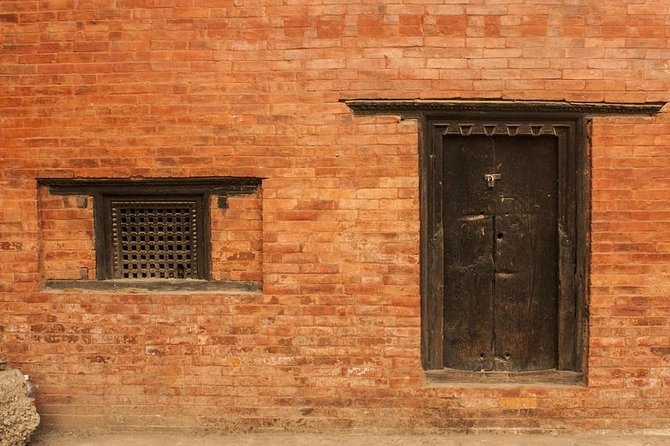
Sunil shows up in multiple accounts as someone who takes visitors into narrow streets and back alleys that most people avoid—or fail to find alone. That’s an important skill in Kathmandu. Side lanes can look similar, and you can easily waste time backtracking.
Then there’s Rajendra, noted for speaking perfect German and explaining everything with great clarity. If you’re not traveling in English, that kind of language support can make the difference between seeing a market and understanding it.
What you should expect from the guide’s approach:
- Pointing out local ingredients so you can name things later
- Sharing stories that connect the food shopping world to wider city life
- Keeping the pace right for a 2.5-hour walk, not a marathon
Local tea and a realistic way to taste Kathmandu
One highlight that pops up is a stop where you can try tea at a local place. This is the kind of pause that turns a walking tour into a lived-in neighborhood experience.
Because food and drinks aren’t included, you’ll likely be paying for whatever you order. But that’s not a downside. It means you can choose what fits your taste and budget.
If you want maximum value from the tea stop, do two things:
- Order something simple so you can compare it to Nepali tea you might find elsewhere
- Ask the guide what you’re tasting in plain terms, so it connects to the rest of the market foods you saw
What’s included vs what’s on you
Here’s the practical split:
Included:
- In-person guide with expert information
- The cultural experience of walking and learning the market area
- An admission ticket included for the market-related stop
Not included:
- Food and drinks
- Gratuities
- Shopping and anything else you buy
That structure is normal for a market walk. It’s also why this tour stays good value: you’re not paying a big all-in price, but you’re also not stuck eating a pre-selected meal.
If you plan to buy gifts or ingredients, give yourself a realistic budget. It’s easy to get tempted when you’re surrounded by spices, grains, and small craft items.
Group size and pacing: why 10 people feels right here
With a maximum of 10 travelers, you avoid two common market-tour problems:
- Too many people blocking shop entrances
- Too many bodies moving slowly through tight lanes
In a place like Old Kathmandu, space is the luxury. A smaller group means your guide can steer you with less crowding and more direct attention. You also have more chance to ask questions without the tour feeling like a conveyor belt.
Duration is also a balancing act. At about 2.5 hours, you’re not forced to power through fatigue. It’s long enough to feel like you learned something new, but short enough to keep your eyes from glazing over.
Who this walk is best for
This tour is a great fit if you want:
- A first orientation to Kathmandu that goes beyond temples and viewpoints
- A market-focused experience where you see how people shop for real life
- A guide-led walk through Old Kathmandu lanes you’d probably miss or avoid alone
- A low-stress afternoon plan that still feels “worth it”
It’s also ideal if you care about language support or clear explanations. When guides like Rajendra are available, you can get more from the experience without translation gaps.
If you strongly dislike crowds or street noise, you might find the environment challenging. The lanes are active, with pedestrians and scooter traffic, so keep that in mind.
Should you book this Smells of Kathmandu Walking Day Tour?
I’d book it if you want the kind of Kathmandu intro that feels practical: where people buy their food, how markets are organized, and how the city’s daily rhythm works. For $28 and roughly 2.5 hours, you’re paying for a guide who helps you understand the sights—especially the Asan market area—and you’re not stuck spending the whole day in transit.
Skip it if you’re looking for a landmark-heavy tour only, or if you’re very sensitive to crowded streets. But if your goal is to see Kathmandu as locals experience it, this one is strong.
FAQ
How long is the walking tour?
It lasts about 2 hours 30 minutes (approximately).
Where does the tour start and end?
The tour starts at Karmachari Sanchaya Kosh Building, Tridevi Sadak, Kathmandu 44600, Nepal, and it returns to the same point at the end.
Is pickup available?
Pickup is offered, and hotel pick up can be arranged.
What areas will we visit besides Asan?
You’ll also visit nearby local spots such as Indrachowk and the bead bazaar, along with areas including Bangemudha and Nardevi.
Is food or drinks included?
No. Food, drinks, and shopping are not included.
Is there a maximum group size?
Yes. The tour has a maximum of 10 travelers.