REVIEW · KATHMANDU
Annapurna Base Camp Trek 12 Days
Book on Viator →Operated by Adventure Glacier Treks & Expedition · Bookable on Viator
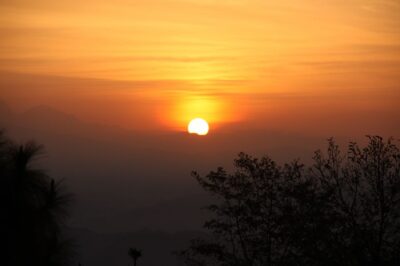
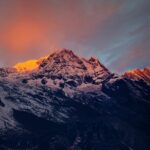
Sunrise over the Annapurnas starts early here.
This 12-day Annapurna Base Camp trek is built around a guided, safety-minded route, with a strong focus on real culture along the way and classic Himalayan viewpoints like Poon Hill. I also like that the itinerary is paced for steady trekking days, with lodge-based overnights and practical route decisions near the more technical parts of the trail. One thing to consider up front: you’ll face a real climbing workout (including a day with thousands of stone steps), and some costs like drinks, tips, and your own travel insurance are not included.
The support team matters on this trek, and the staff details in the feedback are specific.
I like that named guides such as Dil Prasad Sapkota, Arjun, Sudip, and the porter-guide Ram are described as responsive and flexible, which is exactly what you want when weather or logistics try to mess with the plan. The only drawback is that the trek’s comfort comes from lodge life, not private luxury, so you’ll want to arrive expecting simple rooms and basic mountain meals.
If you want a well-run ABC trek with strong local guiding and sunrise moments, this is a solid match—just bring the right expectations and fitness.
In This Review
- Key points I’d flag before you book
- The ABC “feel”: villages, big peaks, and real trekking days
- Kathmandu to Thamel: where your trip starts and your head clears
- Pokhara by tourist bus: long roads, short nerves
- Nayapul to Tikhedhunga: the trailhead day that sets your rhythm
- Ulleri stairs and Ghorepani: the climb workout before the sunrise payoff
- Chhomrong: where the trek feels social and grounded
- Toward the sanctuary: Deurali’s altitude reminder
- Base camp approach: avalanche-prone terrain and smarter route choices
- Coming back down to Dovan: sunrise, then steady downhill
- Sinuwa Hill and Jhinu hot spring: the practical finish you’ll remember
- Price and value: what $799 gets you (and what it doesn’t)
- Guides and support: why named people matter
- Fitness level and practical gear choices (based on the route shape)
- Should you book this Annapurna Base Camp trek?
- FAQ
- How long is the Annapurna Base Camp trek?
- Where does the experience start?
- What’s the price per person?
- Are meals included during the trek?
- Are airport transfers included?
- What permits are included?
- Is the tour private?
- Is a porter included?
- What costs are not included in the price?
- Is there free cancellation?
- Is a mobile ticket provided?
Key points I’d flag before you book
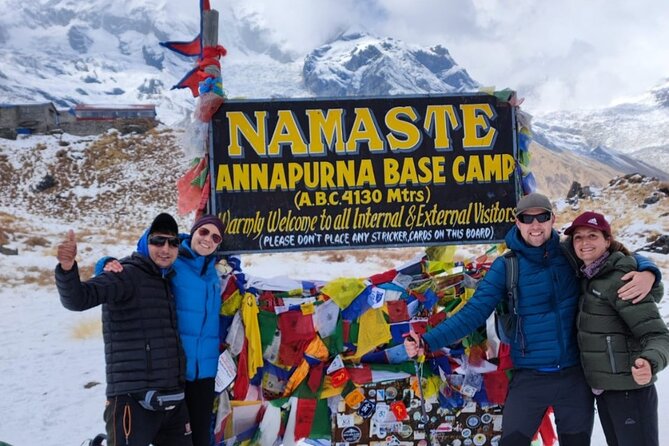
- Poon Hill sunrise built into the route, with a short hike to the viewpoint early in the morning
- Gurung village time in places like Chhomrong, where the day feels more human than just scenic
- Route choices near avalanche-prone terrain near the base camp approach, adjusted by season and conditions
- Permits and lodge logistics included, so you’re not juggling paperwork mid-trek
- Staff flexibility showed up in real situations, with weather disruption handled through planning support
- Final reward at Jhinu hot spring, timed right after the harder trekking miles
The ABC “feel”: villages, big peaks, and real trekking days
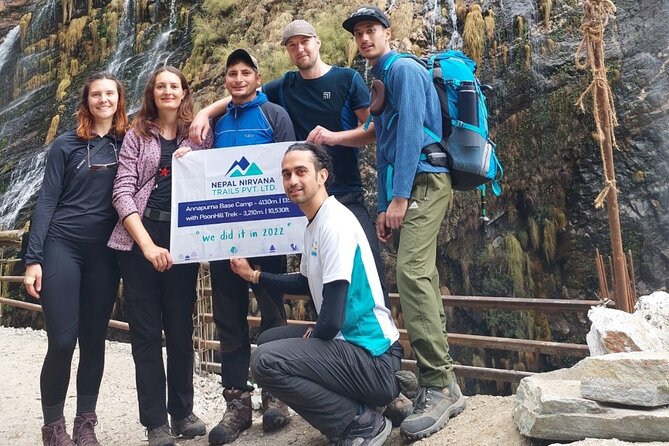
Annapurna Base Camp isn’t just a single destination. What makes this trek work well is how the route moves you through layers of the Annapurna region—starting with lively Kathmandu energy, shifting to Pokhara’s slower pace, then settling into village trails before the dramatic mountain section.
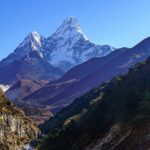
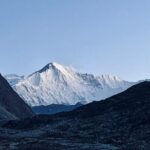
You’ll get the classic viewpoint payoff at Poon Hill and again around the base camp area, but you’re also walking through communities, not only across ridgelines. The program emphasizes connections with Gurung and Magar communities, which matters because it changes the tone of the trip from a checklist into a relationship with the places you’re passing.
Just remember: this is still a trekking program. Even on days that are “just transit,” you’ll be walking, climbing, and adjusting to altitude effects as you go higher.
You can also read our reviews of more hiking tours in Kathmandu
Kathmandu to Thamel: where your trip starts and your head clears
You’re met at Tribhuvan International Airport and transferred to a hotel in Kathmandu, with a briefing after you settle. Starting in Thamel is practical: it’s close to transport and easy to handle last-minute needs without turning the first day into a scramble.
The biggest value of this day is psychological. You get a smooth start, basic instructions, and time to get your gear sorted so you’re not improvising later when trails are steeper and weather is moodier.
This day can be as relaxed or busy as you make it, but do use the briefing time seriously. On ABC, small issues—like how you pack, what you wear for cold mornings, and your walking rhythm—can make later days feel much easier.
Pokhara by tourist bus: long roads, short nerves
The drive from Kathmandu to Pokhara typically takes about 6–7 hours, with departures usually around 7:00 a.m. It’s not a thrilling ride, but it’s predictable, and that predictability helps on a trek where your schedule gets tighter.
When you arrive, you rest at the hotel. This is a smart setup because your first real hiking day begins with trail access from the Pokhara area and the walking ramps up quickly from there.
If you’re prone to motion sickness, plan for it. Mountain roads can be bumpy, and you’d rather address that on the bus day than after you’ve started climbing trails.
Nayapul to Tikhedhunga: the trailhead day that sets your rhythm
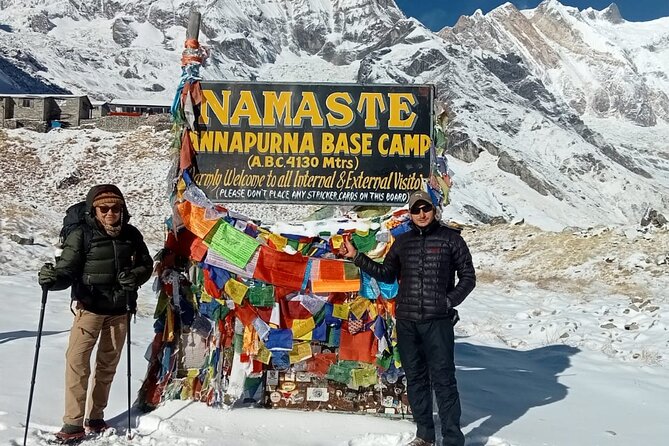
After breakfast, you move toward the trail, reaching the hiking area around Nayapul. This is where the trip starts feeling like a hike instead of a tour. Roads get replaced by paths, and that shift is the point—your body learns the walking rhythm before the bigger climb days.
You’ll pass by the Modi River confluence area, which gives the early trail a sense of place. Don’t rush this day. On trekking programs like this, the goal is to finish feeling like tomorrow is possible.
If you want a simple self-check: keep your breathing controlled and your pace steady. You’ll thank yourself later when the ascent starts stacking up.
Ulleri stairs and Ghorepani: the climb workout before the sunrise payoff
One of the most memorable practical details on this trek is the day climbing up to Ulleri. Expect around 3,000 stone steps, which take roughly 2 hours. This is the kind of day where trekking poles can feel like magic, and where good footwear matters more than you think.
From there, the route continues toward Ghorepani, setting you up for the next day’s big moment.
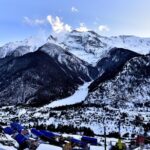
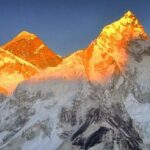
Then comes Poon Hill, one of the best viewpoint stops in the Annapurna region. You’ll walk about 50 minutes up to the viewpoint around 3,200m to catch the sunrise, with multiple peaks visible—about 15 different peaks is mentioned in the program notes.
What I like here is that the sunrise plan is realistic: you hike, you reach the viewpoint, you take photos, and you start the day with a goal. It turns “morning cold” into “I came for this.”
Chhomrong: where the trek feels social and grounded
After Tadapani, the route descends about 900 meters to the Gurjung River valley, then climbs along the ridge to Chhomrong. The day’s shape helps you feel the region changing—down into the valley, then back up into village corridors.
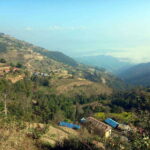
Chhomrong is described as a large Gurung village, and that’s a big part of the emotional payoff on ABC. You’re not only walking through scenery; you’re walking through daily life—houses, greetings, and that slow mountain pace that makes the trek feel human.
One practical consideration: ridgeline trails can be exposed to wind. Even when the sun is out, mornings and evenings can feel sharp. Pack for wind chill, not just temperature.
Toward the sanctuary: Deurali’s altitude reminder
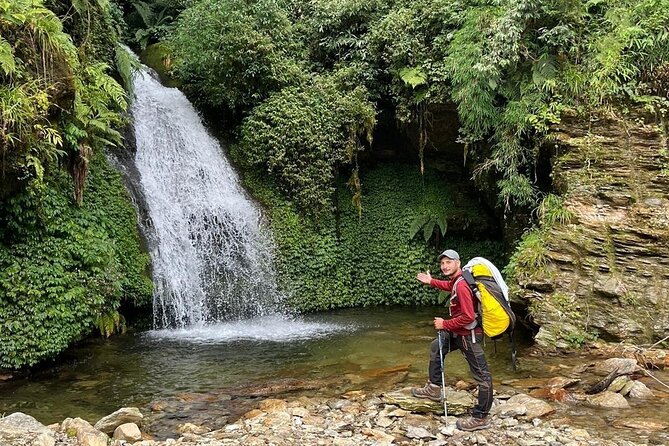
After Chhomrong, you trek down Chhomrong Khola, then go up toward Sinwa for about 3 hours. The next section moves into a steep valley heading toward the Annapurna Sanctuary foothills near Annapurna South and Fishtail.
Then Day 8 brings Deurali, where the notes explicitly mention the altitude effects showing up. You ascend slowly—about 2 hours—to another Himalayan hamlet, with a quiet forest trail vibe.
I like this staging because it doesn’t pretend altitude is nothing. Even if you feel fine, the trek is reminding you to respect the higher air and keep moving gently. If you try to “power through,” you’ll pay for it later.
Simple advice: drink water on schedule, eat even when you’re not starving, and don’t gamble with your pace to chase the group ahead of you.
Base camp approach: avalanche-prone terrain and smarter route choices
The most serious hiking day is the one leading toward Fishtail Base Camp. The program notes that the route from Deurali to the base camp area includes sections that are avalanche-prone, so they’ll adjust the route across the Modi River depending on season and conditions.
That’s not just a safety statement—it’s what makes the trek feel professionally managed. You’re not locked into one rigid path no matter what nature decides.
You’ll count roughly 2 hours to reach the fishtail base area (as stated in the program notes), then the plan shifts toward watching sunrise and returning downhill the following day.
On a trek like this, the best “value” is not only reaching the view. It’s reaching it in a way that doesn’t ignore risk.
Coming back down to Dovan: sunrise, then steady downhill
After sunrise over the Annapurnas, you hike back toward Dovan/Doban, with the first part described as steep followed by more gradual downhills. The day finishes in a river junction area where two streams meet, which helps make the end of the day feel like a real place—not just a stopping point.
This return day is important for your legs. Downhill is where ankles and knees complain. A managed group pace, trekking poles, and careful foot placement can make the difference between a fun day and a grumpy one.
Then you move along the river and into peaceful forest sections with water sounds and birds, which is a nice contrast to the harsher feeling you get as you get higher.
Sinuwa Hill and Jhinu hot spring: the practical finish you’ll remember
On the next-to-last day, the route follows paths along the river and toward Sinuwa Hill, ending with an overnight at a trekking lodge. The wording here suggests a calmer hike, more “easy hike up” than “survive the ascent,” which helps your body recover before the finale.
Day 12 is a reward day. You trek about 2 hours to Jhinu, where there are natural hot springs. You’ll spend time bathing there, have lunch, then drive back to Pokhara.
I like this ending because it’s not only scenic—it’s useful. Soaking in hot water is one of the simplest ways to reduce the soreness you’ve earned. And because you drive back after, you avoid the “one more day of walking” fatigue that can dampen your trip memories.
Price and value: what $799 gets you (and what it doesn’t)
At $799 per person for an about-12-day trip, the big value is what’s included and what’s removed from your to-do list.
Included items:
- Lodge accommodation en route
- Three meals a day (breakfast, lunch, dinner) with tea/coffee en route
- Ground transportation
- A professional guide and their expenses, including insurance and equipment
- Airport pick up/drop
- Permits and fees, including ACAP and local permits
Not included:
- Beverages and tips for your guide
- Your travel insurance
- Optional porter if you need one
- Food in Kathmandu and Pokhara beyond daily breakfast
- Accommodation in Kathmandu
For value, here’s the key question: would you rather plan permits and lodge stops yourself, or pay for a team to handle it? On ABC, logistics pile up fast, and a guided structure is usually cheaper than you think once you price your time, stress, and the cost of fixing mistakes.
Also note a subtle but important detail: your insurance is on you. The guide’s and porters’ insurance is covered, but your own medical and trip coverage still matters because altitude trekking is not a casual activity.
Guides and support: why named people matter
The strongest praise I saw wasn’t just about the trek itself. It was about how the humans handled real problems.
Dil Prasad Sapkota is mentioned as giving advice and information before the trek, and as offering quick solutions when a flight to Pokhara was canceled due to weather. That kind of support is gold because it reduces uncertainty when your schedule is fragile.
Arjun and porter Krishana are also called out for experience and professional support during the trek. Another feedback set highlighted Sudip for flexibility and service with smiles, which is exactly what you want on long days when you might be tired or cold.
And porter-guide Ram is noted for being polite, helpful, and professional. That matters because porter guidance shapes how you manage your load, your timing, and your energy.
You can read this as a promise of competence, but also as a reminder to ask questions early. The more you communicate your needs—pace, comfort, and any concerns—the more likely your guide can manage the journey well.
Fitness level and practical gear choices (based on the route shape)
The program calls for moderate physical fitness, and the itinerary supports that with a clear range of effort days. You’re looking at a mix of uphill walking, stepped climbs like the Ulleri day, and higher-altitude days where pace needs to slow.
So, prepare for:
- Cold mornings for sunrise hikes
- Knee-friendly footwear for downhill sections
- A water-and-snack rhythm so hunger doesn’t hijack your pace
You might find it helpful to consider a trekking porter if you prefer to keep energy for hiking. The trip lists porter service as optional, which gives you control over your comfort level.
Finally, remember this isn’t a hotel-to-hotel luxury itinerary. Lodge life means simpler rooms and basic amenities, but it also means your legs get a predictable place to recover each night.
Should you book this Annapurna Base Camp trek?
I’d book this trek if you want a well-run, guided ABC that balances big peak moments with village walking, and you like the idea of permits, meals, and transfers handled so you can focus on the trail. It’s a good fit for couples, friends, or anyone who wants a private experience with a team that’s responsive when plans shift.
I’d think twice if you’re not ready for the physical demands of step-heavy climbs and sustained trekking days. Also plan your budget for what’s not included: travel insurance, drinks, and guide tips, plus accommodation and meals in Kathmandu and Pokhara outside the trek.
If you come prepared, keep your pace sensible, and treat sunrise hikes as part of the adventure, this is the kind of program that makes Annapurna feel real—every day, not just at the top of the mountain.
FAQ
How long is the Annapurna Base Camp trek?
It’s listed as a 12-day trip (approx.).
Where does the experience start?
The start point is Tribhuvan Airport in Kathmandu, Nepal.
What’s the price per person?
The price is $799.00 per person.
Are meals included during the trek?
Yes. Three meals a day (breakfast, lunch, and dinner) are included, along with tea/coffee en route.
Are airport transfers included?
Yes. Airport pick up and drop are included.
What permits are included?
All applicable permits and fees are included, including ACAP and local permits.
Is the tour private?
Yes. It’s a private tour/activity, and only your group will participate.
Is a porter included?
A trekking porter is not included by default. You can arrange one if you need it.
What costs are not included in the price?
Beverages and tips, your insurance, personal expenses, and food and accommodation in Kathmandu & Pokhara outside what’s listed as included are not included.
Is there free cancellation?
The policy says you can cancel up to 24 hours in advance for a full refund.
Is a mobile ticket provided?
Yes, a mobile ticket is included.