REVIEW · KATHMANDU
Explore Kathmandu with Local Guide
Book on Viator →Operated by Sabbatical Explore Nepal (Social Tourism Nepal) · Bookable on Viator
Kathmandu feels personal when you walk it. I like the small-in-the-shadows stops inside the UNESCO core and I love that the route balances big-name temples with everyday lanes and markets. One thing to keep in mind: it’s a lot of walking, so plan on breaks when your legs ask for them.
Shiva and other guides in this style are tuned to what you want to see, not just a checklist. I also appreciate the practical touches like pickup and a mobile ticket, plus a bottled water stop so you’re not guessing what to do next.
If you’re hoping for zero-cost museum hopping, read closely: Kathmandu Durbar Square admission isn’t included, even though other key sites are.
In This Review
- Key things that make this tour worth your time
- A smart Kathmandu route: UNESCO core, but not only the obvious spots
- Price and value: what $75 really covers
- Pickup and the mobile ticket: fewer hurdles at the start
- Stop 1: Swayambhunath (Monkey Temple) with a full hour
- Stop 2: Kathmandu Durbar Square in 15 minutes (and why admission matters)
- Stop 3: Kumari Chowk, a living goddess stop without extra fees
- Stop 4: Hanuman Dhoka Palace complex and museum time
- Local and farmer’s markets: your Kathmandu story gets human-sized
- Walking time, weather, and comfort tips that actually help
- Why the guide quality really drives the experience
- Who should book this tour (and who might prefer something else)
- Should you book this Kathmandu local guide tour?
- FAQ
- How long is the Explore Kathmandu with Local Guide experience?
- Is pickup included?
- Which admissions are included and which are not?
- Is this tour private or shared?
- Does the price include water?
- What happens if the weather is poor?
Key things that make this tour worth your time
- Private group, local pace: only your group joins, and your guide can slow down for photos or rests.
- Swayambhunath with admission included: a full hour there so you’re not rushed through the monkey-temple chaos.
- Kumari Chowk stop is quick and free: a respectful glance at the living goddess place without extra entry fees.
- Hanuman Dhoka museum time with admission included: more than a view—this is where the palace-complex story gets tangible.
- Markets and farmer’s stalls are built in: you finish with daily Kathmandu life, not just monuments.
- Water is included: one bottle per person helps on warm days and downhill steps.
A smart Kathmandu route: UNESCO core, but not only the obvious spots
Most first-time Kathmandu itineraries hit the big names hard and leave you with a photo montage. This one nudges you toward the edges of those same areas—places people tend to skip when they’re moving fast.
You’ll spend most of your time in the UNESCO World Heritage zone around the Durbar Square area, where temple courtyards, palace structures, and old street corners all sit close together. That matters because Kathmandu isn’t a city of one grand landmark you can “finish.” It’s a layered walk of sights that make sense only when you see how they connect.
You can also read our reviews of more guided tours in Kathmandu
Price and value: what $75 really covers
At $75 for a 3 to 4 hour private tour, the value is in three areas: guide time, key admissions, and the small practical extras.
Admission is included for Swayambhunath (about 1 hour) and Hanuman Dhoka (about 1 hour). That alone can help you avoid the “surprise costs” feeling when you arrive. Kathmandu Durbar Square is not included, so you’ll want to budget for that separate entry if you plan to go inside.
You also get a bottle of mineral water per person. In Kathmandu’s heat and at temple-step pace, that small thing feels bigger than it sounds.
Pickup and the mobile ticket: fewer hurdles at the start
Pickup is included, which is a big deal in Kathmandu. Traffic and street navigation can eat your energy before the fun starts, especially if you’re new to neighborhoods and walking patterns.
You’ll also use a mobile ticket, which cuts down on paperwork and makes check-in easier. That means more time walking and fewer moments “figuring out the system.”
It’s also listed as near public transportation, so even if you’re adjusting your plans, you’re not stuck miles from where you can regroup.
Stop 1: Swayambhunath (Monkey Temple) with a full hour
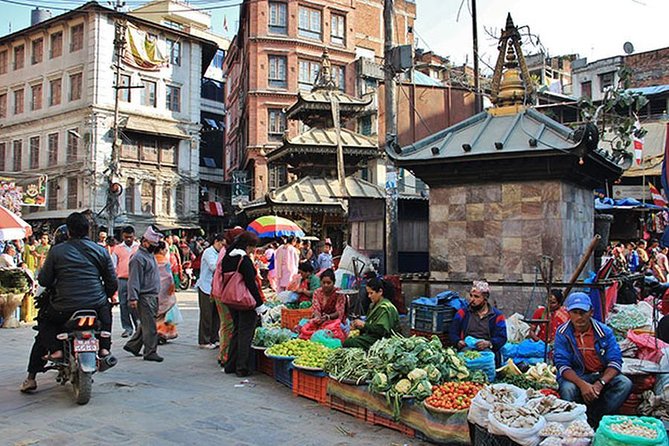
Swayambhunath is the one almost everyone recognizes in Kathmandu—and for good reason. It’s famous as the Monkey Temple, and that reputation is not just marketing. You’ll see monkeys around the grounds, and the whole place has that lively mix of worshippers, visitors, and temple architecture layered on hillsides.
The tour gives you about 1 hour here, and admission is included. I like that timing because Swayambhunath isn’t a quick “look and leave” site. You’ll naturally slow down to take in viewpoints, prayer areas, and the flow of people moving up and down.
How to make this stop easier
- Wear shoes you can walk in for steps. Some temple paths are uneven.
- Give yourself time for photos that don’t involve shoulder-to-shoulder rushing.
- If you’re tired, ask early. A flexible guide pace is a big part of why this tour gets such high marks.
Stop 2: Kathmandu Durbar Square in 15 minutes (and why admission matters)
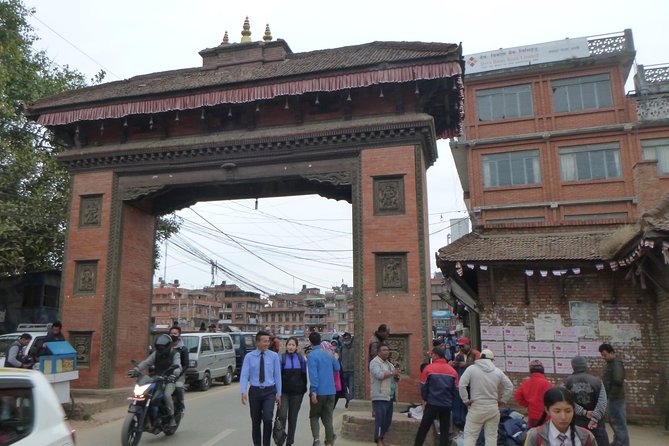
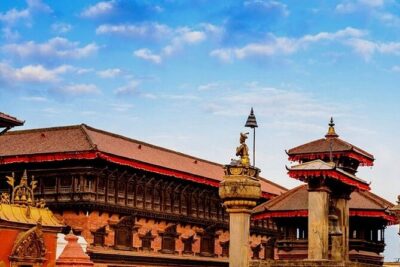
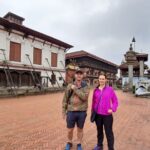
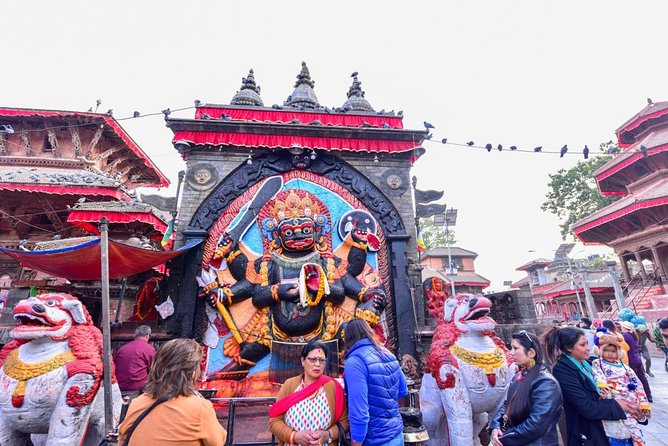
Next comes Kathmandu Durbar Square, a medieval royal palace area that’s also known as Bhadarkhal and Hanuman Dhoka Durbar. This is where you start to feel the palace-complex scale, with structures that connect across courtyards and streets.
But here’s the catch: the 15-minute stop does not include admission. That means you’re really choosing between two approaches:
- Use the short time to see what’s accessible without entry and get the layout.
- Or plan ahead to pay for entry if you want the interior palace spaces you care about.
In a place like Durbar Square, 15 minutes can be just enough to understand the setting—but not enough to absorb it all if you go deep inside. That’s why a good guide matters here: you can decide where to spend your energy based on what you personally want.
Practical tip: if you’re the type who likes to read plaques and step into museum-like spaces, you’ll likely want to factor in that Durbar Square admission cost.
Stop 3: Kumari Chowk, a living goddess stop without extra fees
Kumari Chowk is the kind of stop that makes Kathmandu feel unique. Kumari is known as the living goddess in Kathmandu, and this stop is designed to be quick and focused.
It’s about 15 minutes and the stop is listed as free. That’s helpful for pacing. You don’t feel pressured to stay long, and you can keep your energy for the heavier walking later.
This is also a good place to be respectful in both body language and tone. Even when you’re just passing through, you’ll likely notice it has a different atmosphere than a typical sightseeing square.
Stop 4: Hanuman Dhoka Palace complex and museum time
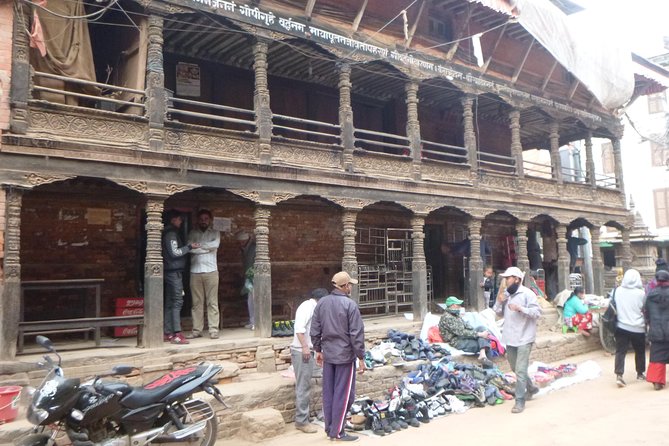
After Durbar Square, you head to Hanuman Dhoka, which is both a historical complex and a museum-style stop. Hanuman Dhoka is described as a collection of structures tied to royal palace spaces from the Malla kings and later the Shah dynasty within the Kathmandu Durbar Square area.
The tour gives about 1 hour here, and admission is included. This is one of the best parts of the route because it turns architecture into context. Instead of seeing temple shapes from the outside, you get time in a place designed to explain the palace-complex story.
A guide who knows the site can help you connect what you’re looking at to the broader idea of Kathmandu’s dynasties and temple-palace life. And that’s where the high satisfaction makes sense: people come away feeling like they understood what they stood in front of.
Local and farmer’s markets: your Kathmandu story gets human-sized
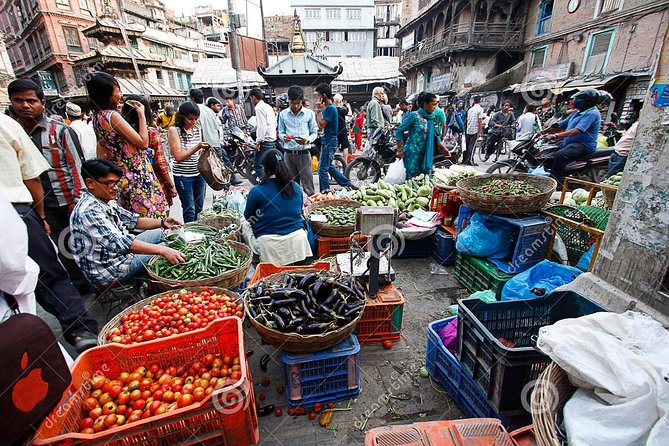
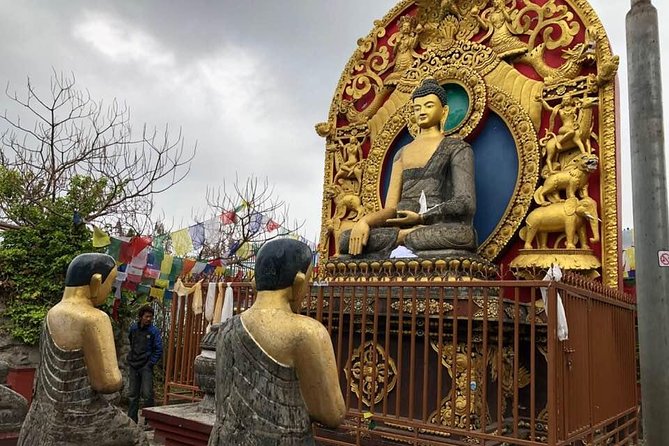
Not every tour includes markets, and that’s exactly why this one works. After temple and palace spaces, you move into local market and farmer’s market areas (listed as included).
What you get here is the city you actually live in if you’re in Kathmandu: stalls, vendors, everyday movement, and the rhythms of buying and selling. Even if you don’t stop to snack or shop, you still get something valuable—perspective.
I think this market portion helps you connect the monuments to the people who still use the same neighborhoods and pathways. It turns your trip from sightseeing-only into city understanding.
What to watch for
- Keep your phone secure while walking through crowds.
- If you want to buy anything, plan small and simple. You’re on a tight schedule.
Walking time, weather, and comfort tips that actually help
The route is clearly built for a walking pace, with multiple temple hills and palace-area steps. It’s also described as suitable for most people, but “most” still includes people who plan their comfort.
One more factor: the experience requires good weather. If conditions are poor, your tour may be canceled or rescheduled. So pick a date when Kathmandu’s skies are likely to cooperate, especially if you hate wet stone and slippery steps.
If you want the experience to feel good rather than strenuous, aim for:
- Comfortable shoes with grip.
- Light layers you can manage on temple slopes.
- Water saved for the gaps between stops (you get one bottle, but you may still feel better with a small habit of refilling later on your own).
Why the guide quality really drives the experience
This tour stands out because the guiding style shows up in the details. Names like Shiva appear in feedback, and the consistent theme is kindness and flexibility.
People appreciate that Shiva and other guides manage the pace without making you feel awkward about resting or changing priorities. That matters in Kathmandu because the city can be tiring in a hurry—crowds, steps, and heat add up fast.
If you want a tour that feels like conversation and practical direction instead of a rushed march, that’s the strength here. The route gives you structure, but the guide still gives you control.
Who should book this tour (and who might prefer something else)
This is a great fit if:
- You’re visiting Kathmandu for the first time and want a clean first impression.
- You like temple and palace architecture but also want local street-life context.
- You prefer private guiding over joining a big group.
- You want key admissions included for two big stops.
You might not love it if:
- You want a long, museum-heavy crawl with lots of entry time at every stop.
- You hate walking on uneven stone and hills.
- You dislike any additional ticket budgeting (since Kathmandu Durbar Square admission isn’t included).
Should you book this Kathmandu local guide tour?
I’d book it if you want a well-paced orientation walk that mixes UNESCO-area sights with everyday Kathmandu markets, and you value having a guide who adjusts to you. The big wins are the included admission for Swayambhunath and Hanuman Dhoka, the short free Kumari Chowk stop, and the fact that the guide approach seems genuinely flexible.
Use one budget-brain check before you go: Kathmandu Durbar Square admission is not included, so decide if you want to pay for that interior time.
If that fits your style and your legs are okay with a few hours of walking, this is a strong, good-value way to see Kathmandu with more meaning than a checklist.
FAQ
How long is the Explore Kathmandu with Local Guide experience?
It runs about 3 to 4 hours.
Is pickup included?
Yes, pickup is offered.
Which admissions are included and which are not?
Admission tickets are included for Swayambhunath and Hanuman Dhoka. Kathmandu Durbar Square admission is not included, while Kumari Chowk is free.
Is this tour private or shared?
It’s private. Only your group participates.
Does the price include water?
Yes. A bottle of mineral water is included per person.
What happens if the weather is poor?
The experience requires good weather. If it’s canceled due to poor weather, you’ll be offered a different date or a full refund.