REVIEW · POKHARA
3-Day Chitwan Jungle Safari Adventure From Kathmandu/Pokhara
Book on GetYourGuide →Operated by Snow Peak Tours and Travels pvt. ltd. · Bookable on GetYourGuide
Rhinos and Tharu culture in three days. This Chitwan Jungle Safari runs you from Kathmandu or Pokhara to Sauraha, then stacks wildlife time with local Terai culture. You get a Rapti River canoe ride, jungle walks, birdwatching, breeding-center visits, and a proper sunset-plus-dance evening.
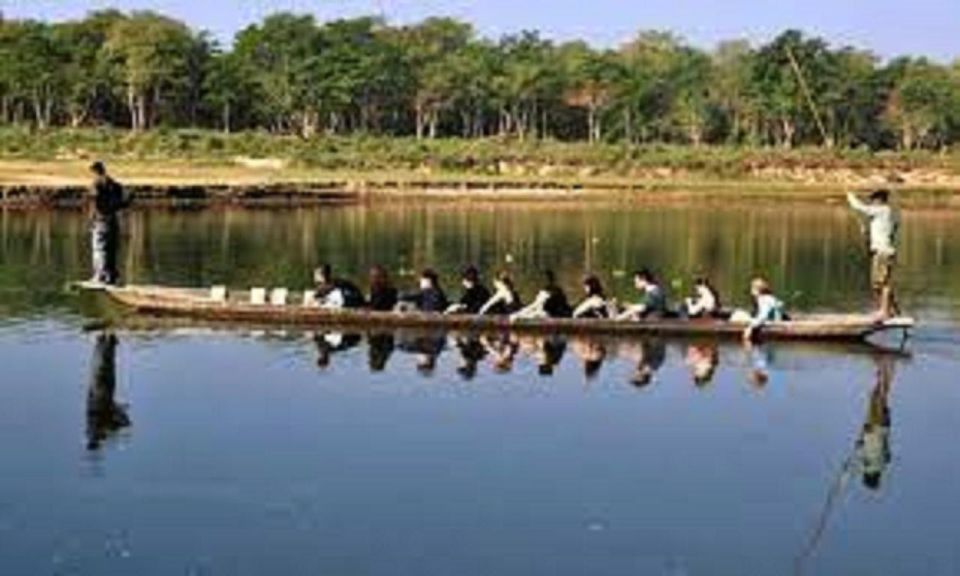
I especially like the slow, scenic Rapti River canoe ride and the birdwatching window built into the day. It’s calmer than the road and it gives you time to actually look, not just rush between stops.
I also like the way the schedule includes a Tharu village tour and a live cultural dance show. One consideration: you choose either elephant back safari or jeep safari, so you can’t do both in the same trip.
In This Review
- Key Points You Should Know Before You Go
- Chitwan National Park, Sauraha, and the Rapti River Connection
- Getting There: Kathmandu or Pokhara to Sauraha (Coach Time Included)
- Day 1: Sauraha Arrival, Tharu Village, and the Sunset-River Setup
- Day 2: Canoe Ride, Bird Watching, Jungle Walk, and Breeding Centers
- Elephant Back Safari vs Jeep Safari: Picking Your Best Wildlife Day
- Day 2 Night: Dinner, Time to Reset, and a Calm End
- Day 3: Breakfast, Departing from Sauraha, and Back to Kathmandu or Pokhara
- Where You’ll Stay: Rainbow Safari Resort (or Similar) in Sauraha
- What the $158 Price Really Buys (And Why It’s Not Just a Sticker Number)
- Included Activities vs What’s Optional (So You Don’t Get Surprised)
- Who This Tour Fits Best
- Should You Book This 3-Day Chitwan Jungle Safari Adventure?
- FAQ
- How long is the Chitwan Jungle Safari Adventure?
- Where does the tour pick you up in Kathmandu or Pokhara?
- What safari options are available on Day 2?
- Are park admission fees included?
- Are meals included?
- What accommodation is provided?
- What languages is the live guide?
- What do I need to bring?
Key Points You Should Know Before You Go
- Rapti River canoe time: a restful start to your wildlife day, plus a strong birdwatching focus.
- Tharu village evening: village tour plus a Tharu dance and music program in the same day.
- Breeding-center stops: elephant breeding and the Ghoriyal crocodile breeding center are part of the plan.
- Two safari styles: elephant-backed or jeep-based wildlife viewing, depending on what you select.
- All meals included: 2 breakfasts, 2 lunches, and 2 dinners in Chitwan, which matters on a 3-day timeline.
- Sauraha location: staying in the park area keeps your mornings and evenings efficient.
Chitwan National Park, Sauraha, and the Rapti River Connection
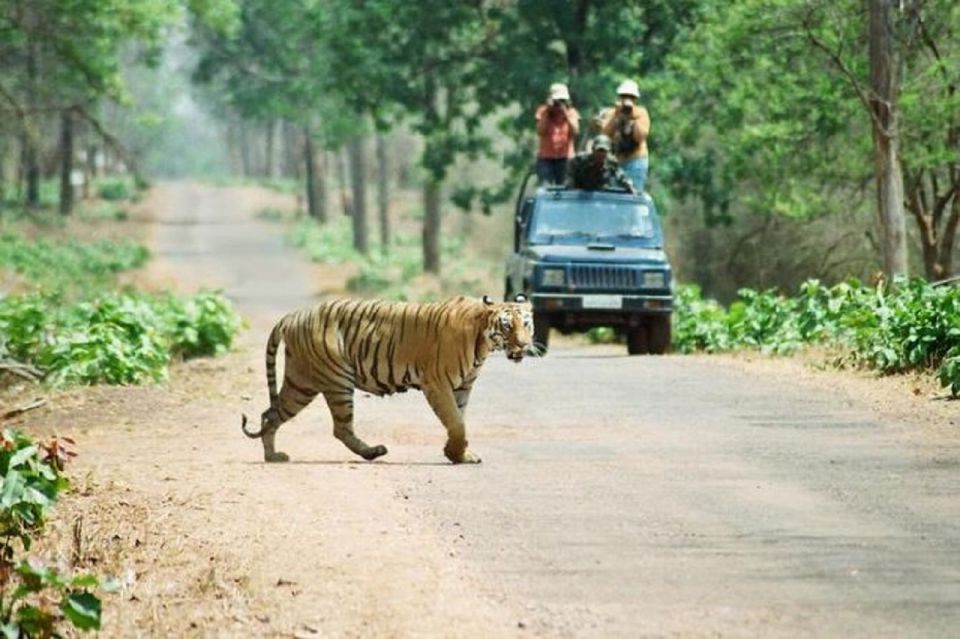
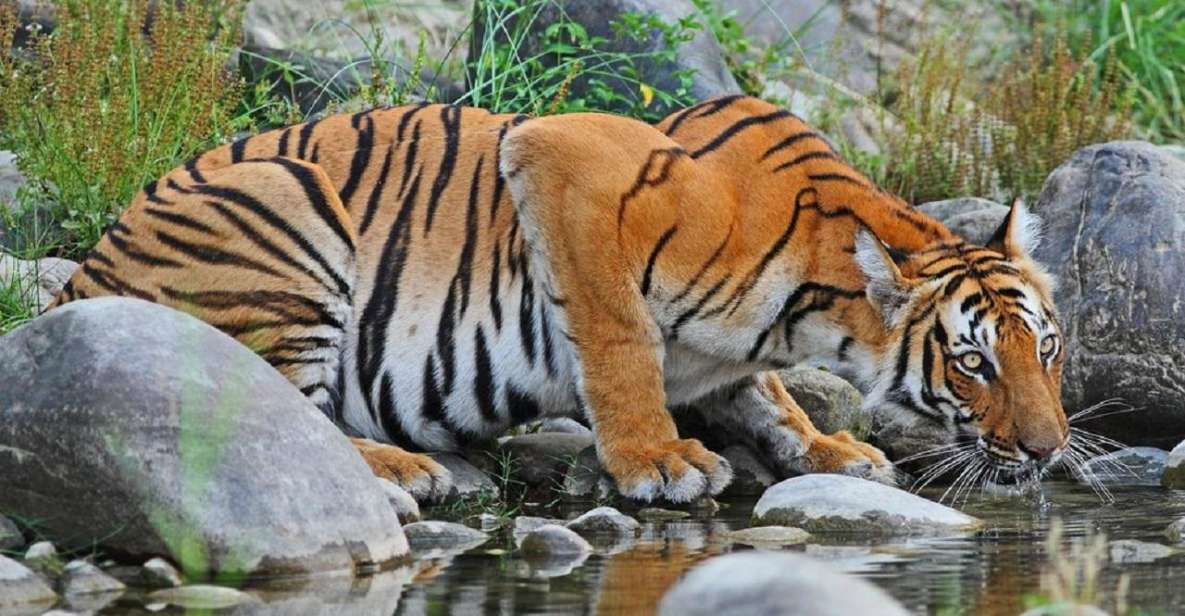
Chitwan National Park is one of Nepal’s best-known wildlife areas, and it’s famous for species like the one-horned rhinoceros and the Bengal tiger. What makes this region work for a short safari is that you’re based in Sauraha, close enough to spend real time in the park and on the river rather than burning the day on transfers.
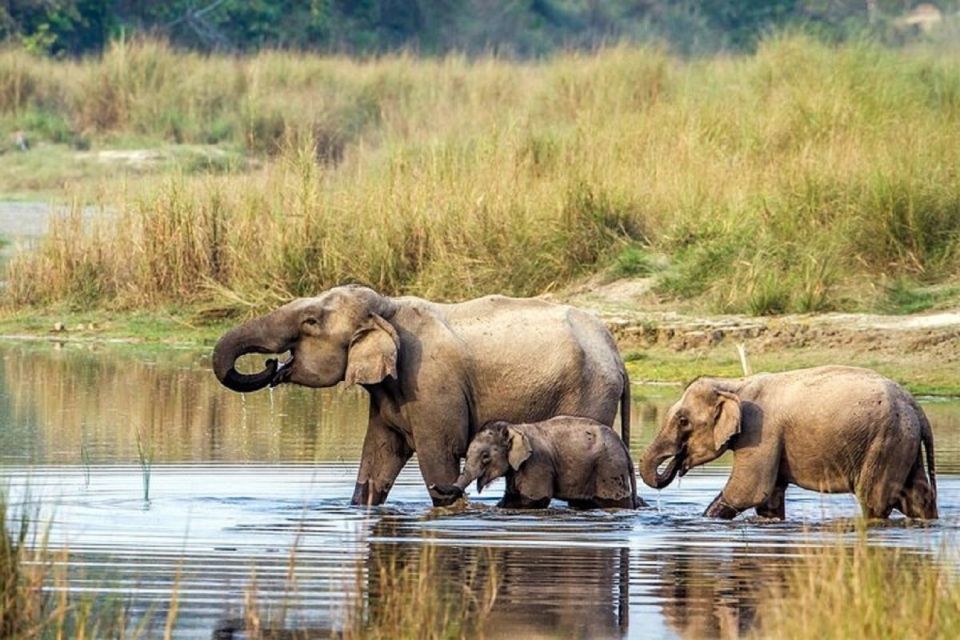
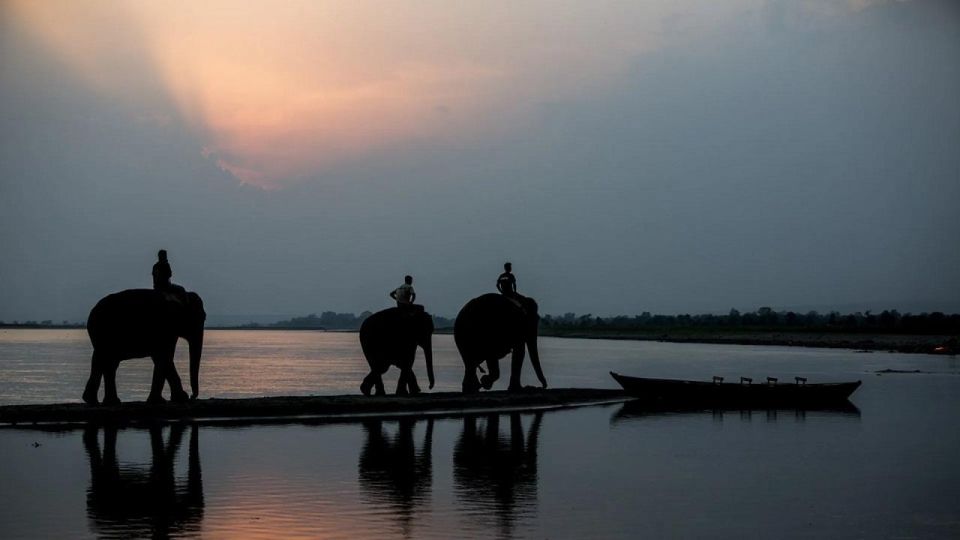
The Rapti River is the key. It’s not just scenery; it’s part of the rhythm of the trip. You start with a canoe ride style of wildlife viewing, then switch to land-based searching with jungle walks and safari time, which keeps the whole experience from feeling one-note.
You can also read our reviews of more tours and experiences in Pokhara
Getting There: Kathmandu or Pokhara to Sauraha (Coach Time Included)
You’re looking at a 6-hour tourist coach ride between Kathmandu or Pokhara and the Sauraha area, and the same happens on the return. This is long enough that comfort matters, but it also means the trip is “packaged” in a way that doesn’t require you to plan transport or coordinate multiple bookings.
You’ll get pickup points in the cities, including options in Kathmandu like Thamel and Durbar Marg, plus Pokhara Lakeside. In Chitwan, you’ll also have pickup support once you arrive, with clear meeting instructions so you’re not left hunting for a driver.
If you dislike long coach days, treat this as the price of admission for a tight 3-day wildlife program. It’s not a dealbreaker, but it is part of the experience.
Day 1: Sauraha Arrival, Tharu Village, and the Sunset-River Setup
Day 1 is built to ease you in. You’re collected from your hotel, travel to Sauraha, and then you get a welcome drink and lunch at your jungle resort. After that, the program shifts from travel mode to local experience mode.
You’ll visit a Tharu village tour, which is one of the best ways to understand what you’re seeing in Chitwan. The Terai communities have a distinct cultural pattern, and this stop gives context before the wildlife viewing ramps up.
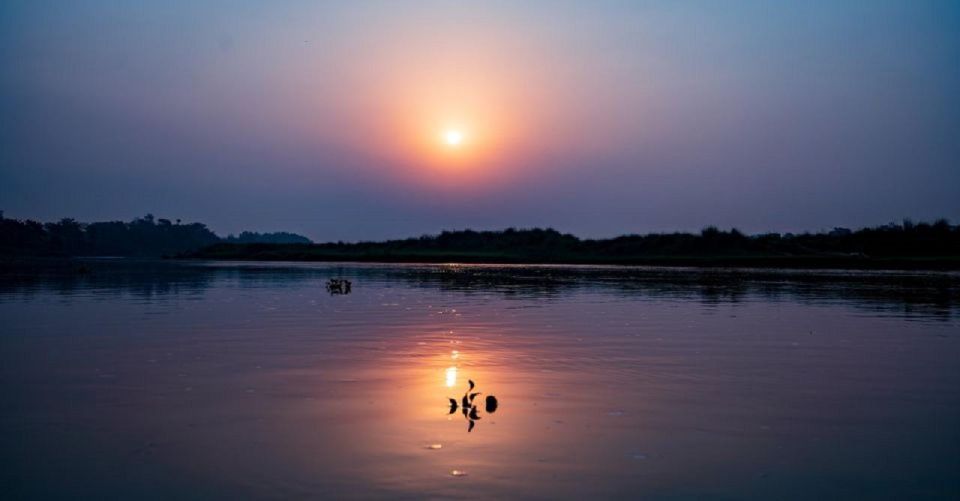
Then comes the payoff: a riverside sunset view by the Rapti River. It’s a simple moment, but it matters because it sets the tone for the next two days. The day ends with a Tharu cultural dance program, followed by dinner and an overnight stay in the resort.
Practical takeaway: Day 1 is not just a buffer day. It’s where the “place” becomes real—river first, then culture—before you chase animals.
Day 2: Canoe Ride, Bird Watching, Jungle Walk, and Breeding Centers
Day 2 starts with breakfast and then moves straight into wildlife-style time. You begin with a canoe ride and bird watching, then add a jungle walk. That mix is smart for a short trip because it covers different ways of seeing the park: from the water, at walking pace, and with guided interpretation.
Birdwatching is specifically called out as a highlight, and it’s one of the reasons people enjoy Chitwan even when wildlife sightings aren’t guaranteed every second. You’re in an ecosystem with both local and migratory birds, so your chances improve when you’re not only scanning for the big mammals.
You’ll also visit the Elephant Breeding Center. In addition, the plan includes a stop at the Ghoriyal crocodile breeding center. These are not the same thing as a jungle safari, but they do add an educational layer, especially if you like learning how conservation connects to what you’re seeing in the wild.
After lunch, the day splits into your main choice.
Elephant Back Safari vs Jeep Safari: Picking Your Best Wildlife Day
This is the one decision you’ll want to get right. Your safari option is either elephant back safari or jeep safari (not both on this 3-day plan).
An elephant-backed safari fits travelers who like the classic wildlife-farmer-to-zoo-adjacent feel of being higher up and moving through the area with animals in your mind. A jeep safari fits travelers who prefer a more flexible, road-and-tracks approach and a faster way to cover ground with a guide.
Here’s how I’d choose: if you want the most distinct Chitwan experience, pick the elephant back safari. If you care more about being able to cover more viewing time efficiently, pick the jeep safari. Either way, you’re still aiming for sightings like rhinos, deer, crocodiles, and more, with the park guide handling the searching.
One small reality check: with any wildlife-focused tour, nature controls the final script. The safari format helps you see more, but it can’t guarantee specific animals on a specific minute. What this itinerary gives you is structured time in the right places.
You can also read our reviews of more tours and experiences in Pokhara
Day 2 Night: Dinner, Time to Reset, and a Calm End
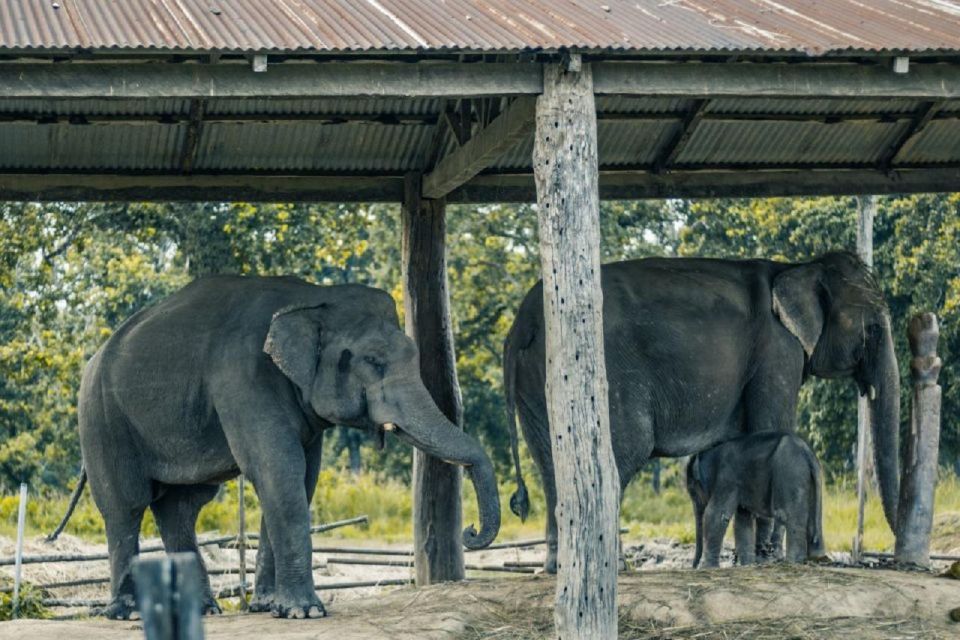
After your safari choice, you return for dinner and a relaxing evening at your resort. On a safari schedule, downtime is not a waste; it keeps you fresh for the early return on Day 3 and helps you avoid that travel exhaustion spiral.
It also lets you absorb what you saw (or didn’t see) without rushing straight into another activity. That matters because Chitwan is about patience.
Day 3: Breakfast, Departing from Sauraha, and Back to Kathmandu or Pokhara
Day 3 is straightforward. You get a wake-up call, then breakfast, then you depart for the return coach. You’ll head back to Kathmandu or Pokhara, with drop-off points in areas like Lakeside, Durbar Marg, and Thamel (plus Pokhara Lakeside).
It’s a good day for packing up calmly and not over-scheduling. You’ll already have your wildlife and culture time handled, so your goal is to stay hydrated and keep the mood light as the coach hours roll in.
Where You’ll Stay: Rainbow Safari Resort (or Similar) in Sauraha
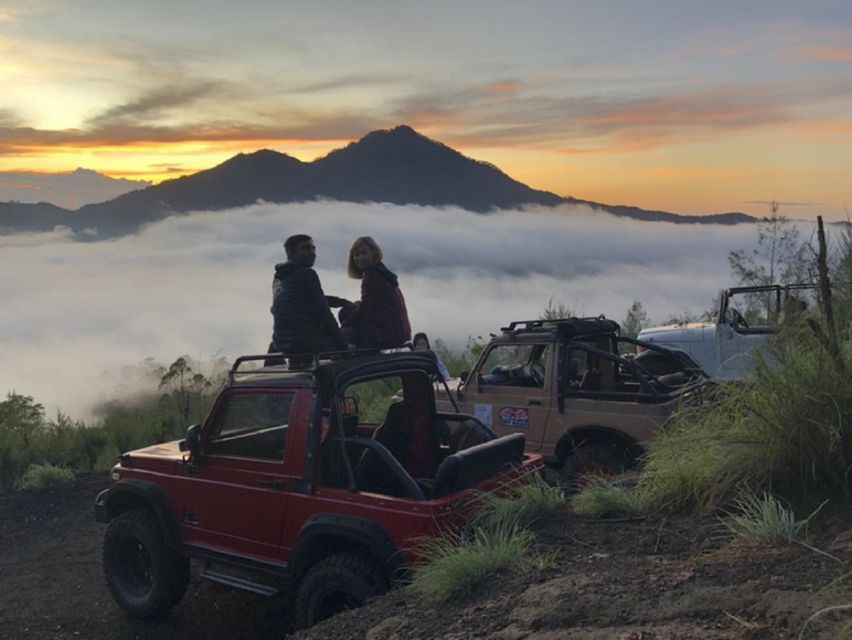
Your stay is 2 nights in private accommodation at Rainbow Safari Resort or similar. In a 3-day itinerary, hotel quality matters because you want sleep that actually refreshes you, not just a bed.
Being based in the Sauraha area also helps. You’re not constantly transferring to and from far-flung hotels, which keeps the schedule workable—especially on Day 1 and Day 2 when you have sunrise/sunset-style moments.
The best way to think of the accommodation here: it’s part of the workflow. You’re not buying a luxury retreat. You’re buying a convenient base for safari and river/culture time.
What the $158 Price Really Buys (And Why It’s Not Just a Sticker Number)
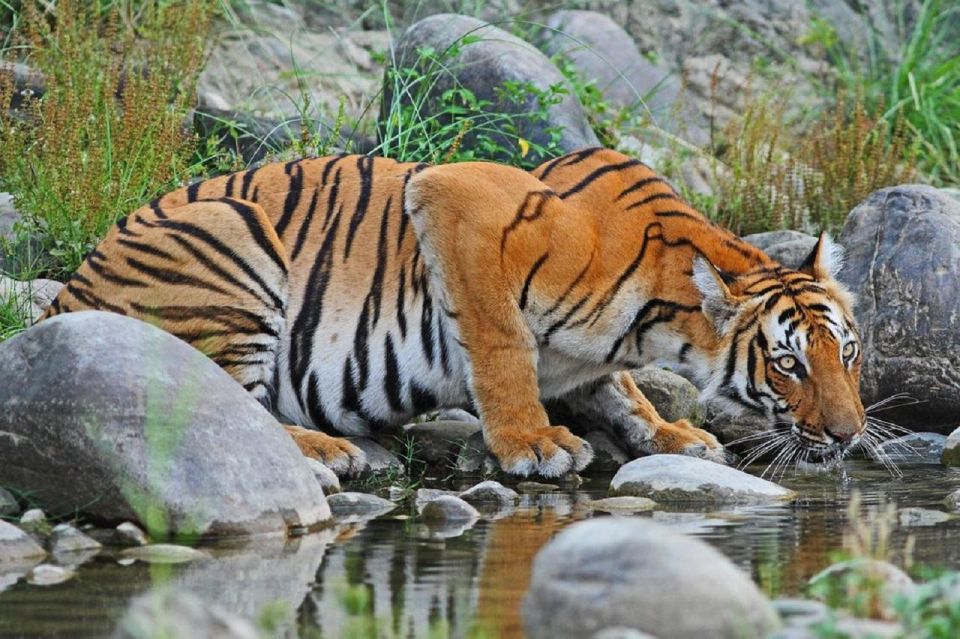
The price is listed at $158 per person for a 3-day / 2-night experience, and what makes it feel reasonable is the set of inclusions for a short safari package.
Included items:
- Round-trip tourist coach transport from Kathmandu/Pokhara to the Sauraha area (about 6 hours each way)
- National park admission fees
- A Chitwan guide for the jungle tour
- All meals in Chitwan: 2 breakfasts, 2 lunches, 2 dinners
- 2-night private accommodation at Rainbow Safari Resort or similar
- Hotel pickup and drop-off in Kathmandu/Pokhara, plus pickup/drop-off in the Sauraha area
Not included:
- Personal expenses like snacks or souvenirs
- Travel insurance
Value in plain terms: paying less for a Chitwan trip only works if you’re willing to manage transport, admissions, meals, and guide yourself. This package folds those decisions into one line item. For many people, that’s the real benefit.
Price check for decision-making: if you were to assemble transport, park fees, a guide, and meals separately, the total usually rises quickly. Here, the structure is the bargain.
Included Activities vs What’s Optional (So You Don’t Get Surprised)
The itinerary is packed, but you still have one built-in choice: elephant back safari or jeep safari. Everything else is defined in advance—canoe ride, bird watching, jungle walk, Tharu village tour, Tharu dance program, and the breeding-center stops.
Also note the tour timing includes travel days and park time built around daylight activity. The schedule calls out windows like sunrise and sunset views, so expect early starts on at least one day and a full use of each day rather than a relaxed “we’ll see how it goes” pace.
If you prefer a slow itinerary with lots of free time, this one may feel structured. If you like a clear plan that hits both wildlife and culture in only 3 days, it’s a good fit.
Who This Tour Fits Best
This tour works best if you:
- Want a first-time Chitwan experience from Kathmandu or Pokhara without doing homework on logistics
- Like seeing wildlife through multiple lenses: canoe, jungle walk, and safari
- Appreciate cultural context, not just animals—especially the Tharu village and dance program
- Prefer a guided setup with meals handled so you can focus on the day
It’s less ideal if:
- You’re unwilling to handle a 6-hour coach ride each way
- You strongly want to do both elephant-back and jeep safari in one go (this plan makes you choose one)
Should You Book This 3-Day Chitwan Jungle Safari Adventure?
If your goal is a tight, well-rounded Chitwan introduction—wildlife time plus Tharu culture—then I’d say yes. The inclusions are the selling point: transport, park fees, meals, and a base in Sauraha, all wrapped into a 3-day rhythm.
Book it if you’re happy making one safari choice and you want someone else to run the schedule. Skip it if long coach days wear you down fast or if you’re determined to do every safari format in a single weekend.
One last practical tip: bring your passport or ID card, because that’s explicitly required for the trip.
FAQ
How long is the Chitwan Jungle Safari Adventure?
It’s a 3-day tour with 2 nights of accommodation in the Sauraha area.
Where does the tour pick you up in Kathmandu or Pokhara?
Hotel pickup is available in Kathmandu and Pokhara, with meeting options including Thamel and Durbar Marg in Kathmandu and Pokhara Lakeside.
What safari options are available on Day 2?
You choose either an elephant back safari or a jeep safari for wildlife viewing after the canoe and jungle walk activities.
Are park admission fees included?
Yes. National park admission fees are included in the tour price.
Are meals included?
Yes. The package includes 2 breakfasts, 2 lunches, and 2 dinners in Chitwan.
What accommodation is provided?
You stay for 2 nights at Rainbow Safari Resort or a similar resort in the Sauraha area.
What languages is the live guide?
The guide provides live support in English, Hindi, and Nepali.
What do I need to bring?
Bring your passport or an ID card.