REVIEW · POKHARA
Pokhara: 3-Day Ghorephani and Poon Hill Private Trek
Book on GetYourGuide →Operated by Snow Peak Tours and Travels pvt. ltd. · Bookable on GetYourGuide
Poon Hill sunrise steals the show. In just 3 days, this private trek from Pokhara to Ghorepani and up to Poon Hill delivers big golden-morning views of the Annapurna and Dhaulagiri ranges, plus time in Gurung communities such as Ghandruk as you walk through rhododendron country. It’s short enough to fit a tight Pokhara stay, but still feels like a real mountain journey.
The main catch: this trek is physically demanding, especially the day-1 stair climbing between Tikhedhunga and Ulleri. Plan for cold nights at higher altitude too, and if you’re a beginner, count on a guide to help you keep a steady pace (people often mention guides like Santosh for exactly that kind of support).
In This Review
- Key things that make this trek worth your time
- Why this “3-Day” trek hits so hard
- Pokhara to Nayapul: getting set up before the climb
- Day 1: the Ulleri stairs that everyone talks about (for good reason)
- Day 2: Ulleri to Ghorepani, with views and village stops
- Day 3: Ghorepani to Poon Hill sunrise without rushing your body
- Guides, tea houses, and why the trekking feels “easy” even when it isn’t
- Food, lodging, and the cold you can’t ignore
- Gear and fitness reality check (so Day 1 doesn’t ruin your trip)
- Price and value at about $126 per person
- Should you book this trek?
- FAQ
- How long is the Pokhara to Ghorepani and Poon Hill trek?
- Is this a private trek or shared group?
- What’s included in the price?
- Do I need permits or identification?
- What about sunrise timing on Day 3?
- How physically demanding is it?
- What should I pack?
- Is travel insurance required?
Key things that make this trek worth your time
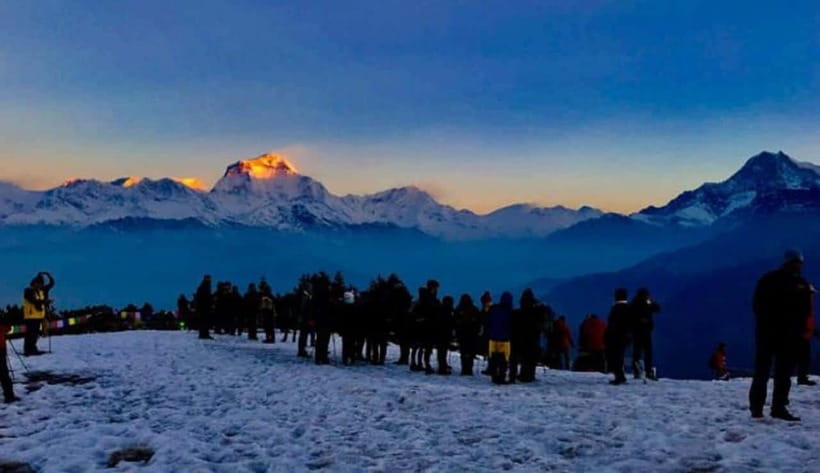
- Poon Hill sunrise with wide-range views across Annapurna and Dhaulagiri
- Ghandruk Gurung village time for culture beyond just photos
- A compact 3-day format that still hits the big trail highlights
- Rhododendron forests and Himalayan plants along the way up
- Step-heavy day 1 that many find tough, but manageable with the right pace
- Private guide support (and porters) that keeps the logistics from stealing your energy
Why this “3-Day” trek hits so hard
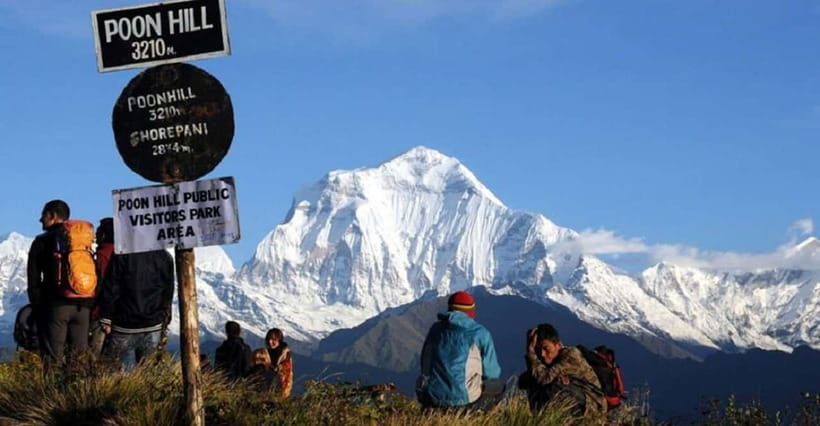
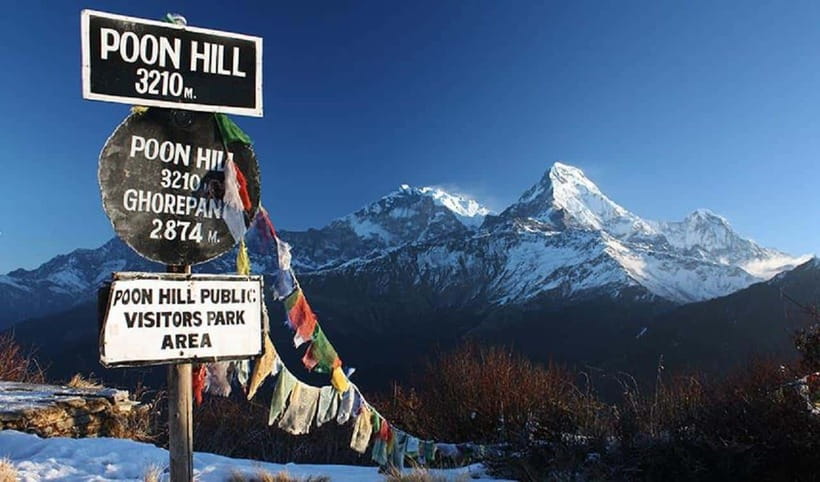
This is the Poon Hill trek in its most practical form: you’re not committing to a long itinerary, but you still get a solid taste of the Annapurna region. The route moves from Pokhara’s low elevation up toward Ghorepani (around 2,860m) and then to Poon Hill (3,210m), so you earn both the effort and the altitude payoff.
What I like most is the balance between scenery and human-scale travel. You’ll see the mountains, yes, but you’ll also walk through villages and tea-house life—so the trek doesn’t feel like a sterile hiking corridor. Guides often point out what’s growing around you and what to watch for in the mornings and evenings, especially on rhododendron-covered stretches.
If you want the classic Poon Hill moment (sunrise over the peaks) but you only have a few days, this is one of the most efficient ways to do it right.
You can also read our reviews of more private tours in Pokhara
Pokhara to Nayapul: getting set up before the climb
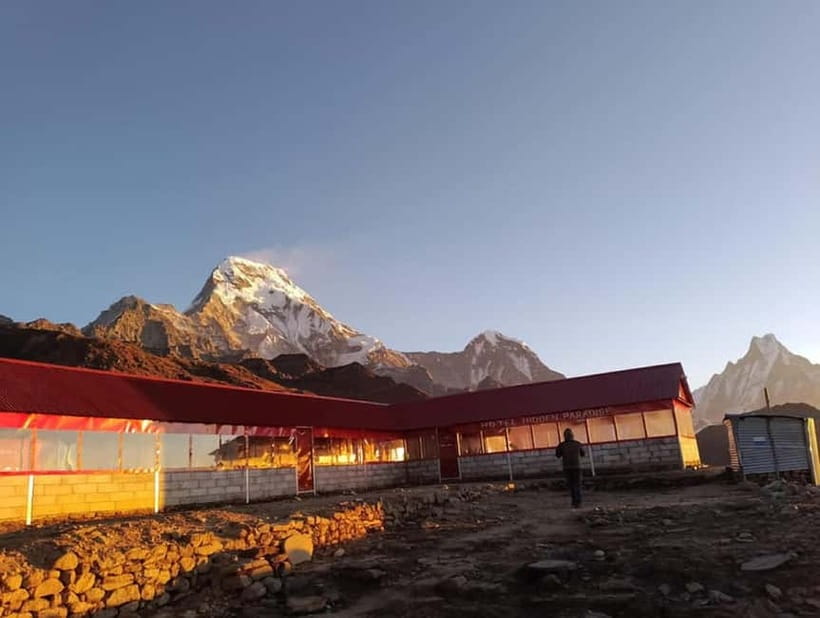
Your day starts with pickup from the Pokhara area—options include many hotels around Lakeside and even locations like Sarangkot. You’ll drive to Naya Pul, typically with short breaks and a photo stop along the way. This matters more than people think. When the start is well-organized, you don’t arrive frazzled, you arrive ready.
Once you reach the trailhead at Naya Pul, you begin gaining altitude quickly. Expect a steady ramp up to Tikhedhunga (about 1,540m). On a short trek like this, the early pace sets the tone. If you’re the type who burns out in the first hour, it’s worth telling your guide from the start and letting them pace you.
A small but real benefit here: the tour includes permits and fees, plus a guide. That means you spend your attention on the walk, not the paperwork.
Day 1: the Ulleri stairs that everyone talks about (for good reason)
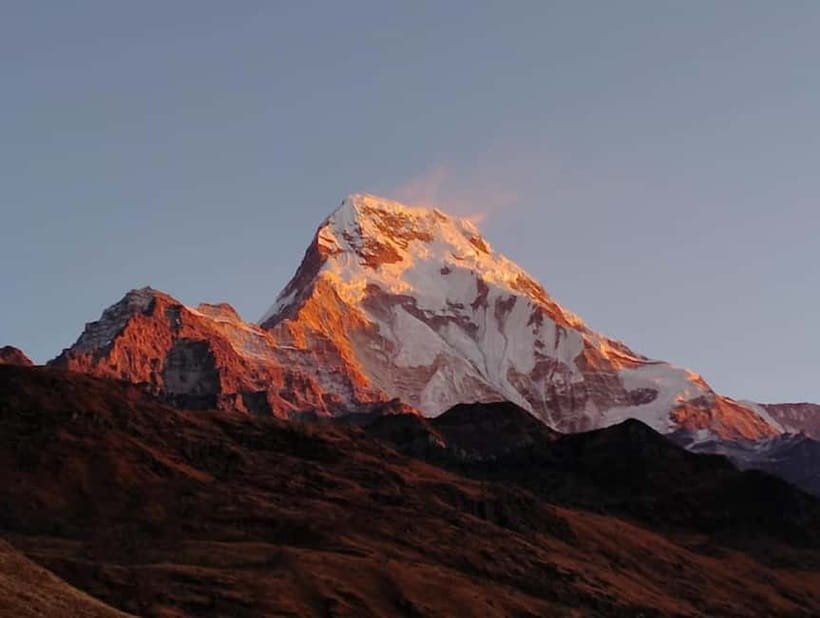
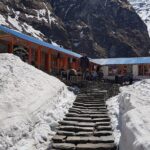
Day 1 is the hardest day on this itinerary—not because it’s the longest on paper, but because it’s the most step-heavy. After reaching Tikhedhunga, you continue up to Ulleri (about 2,070m). This is where the stairs show up in force, and where many first-time trekkers feel the difference between walking in a city and walking in altitude mode.
Here’s the practical way to think about it: don’t treat it like a race. Use small breaks, short breaths, and a rhythm your legs can repeat. Many guides in these treks are praised for doing exactly that—stopping when needed, helping with tea-house planning, and keeping the group moving without pressure. Names that come up often include Santosh, Jeet, Chandra, Laxman, and others, and the common thread is the same: pacing and encouragement.
Along this first day, you also start picking up the feel of the culture. You’re not just hiking through empty scenery. You’ll pass village life and tea-house stops where ordering food and warm drinks becomes part of the rhythm.
Best mindset for Day 1: treat it like effort management. If you finish day 1 feeling tired but okay, you’re doing it right.
Day 2: Ulleri to Ghorepani, with views and village stops
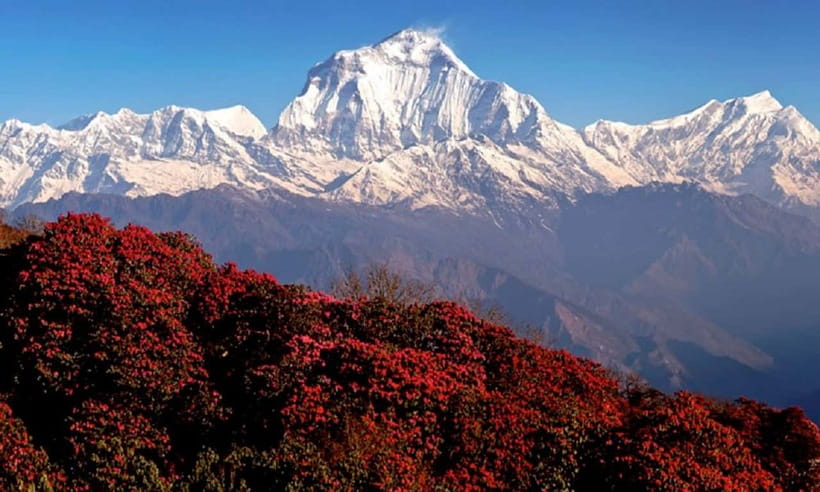
On Day 2, you trek from Ulleri up to Ghorepani (around 2,860m). This is the day where the mountains start to feel more present. The climb is usually longer (about 5–6 hours), so you’ll want to keep your energy steady rather than pushing hard early.
This is also where the trek starts to feel more “Himalayan” in a sensory way. The highlight list mentions rhododendron forests, and that matches what many people enjoy on this route: color and texture in the canopy, plus changing views as you gain height. You’re also more likely to spot interesting alpine plants and small wildlife activity around the trail and settlement edges.
On the way, there can be photo stops and guided visits at spots like Naya Pul again (earlier in the overall itinerary) and intermediate viewpoints such as Kaski and Ghode Pani. Even when these aren’t full-on destinations, they break the day into digestible pieces—useful when you’re tired and hungry.
When you arrive in Ghorepani, you’re setting up for sunrise day. That’s why dinner and sleep matter. People often talk about cozy warmth from tea-house chimneys, but also about how cold it can get up high, so plan your layers like you’ll need them overnight.
Day 3: Ghorepani to Poon Hill sunrise without rushing your body
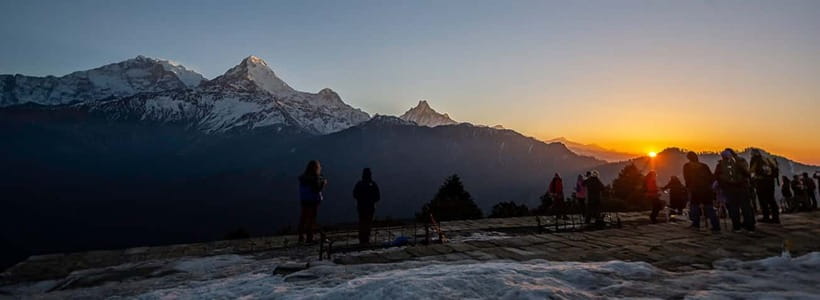
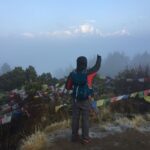
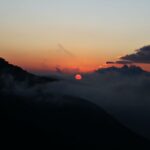
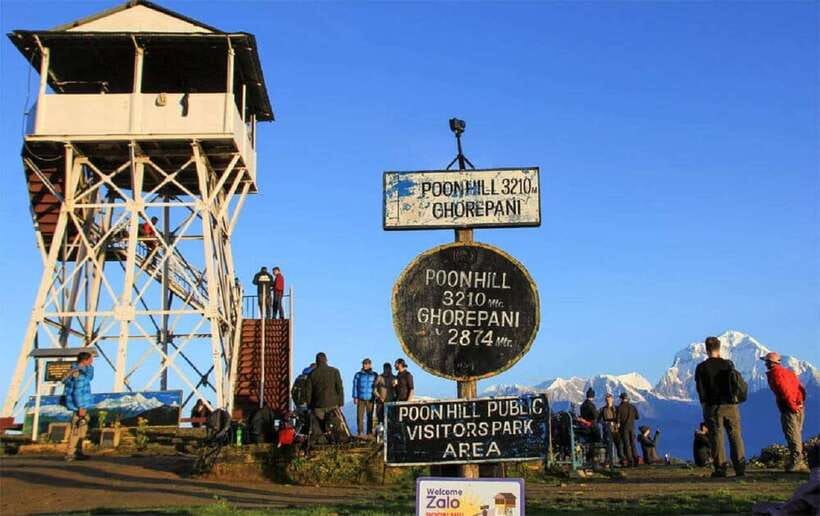
Day 3 starts early, with the hike from Ghorepani to Poon Hill. It’s about 2–3 hours up, and the sunrise viewing window typically takes around 1 hour at the viewpoint. If you’ve never hiked for sunrise before, the trick is this: the viewpoint effort is short, but it can feel intense because you’re going up in the dark or early pre-dawn cold.
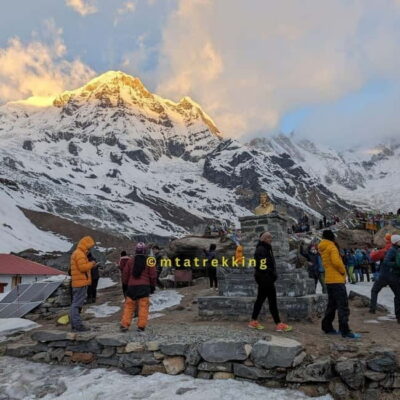
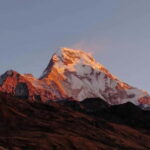
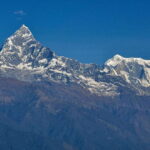
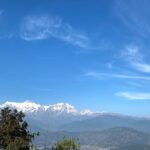
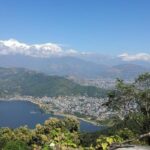
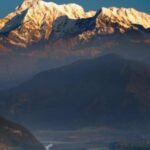
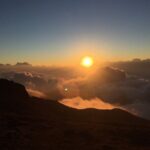
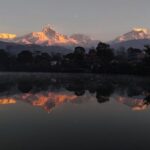
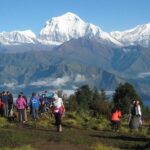
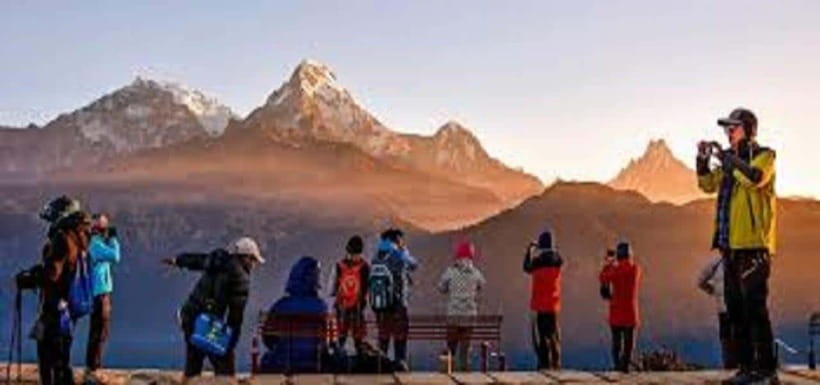
Poon Hill is famous for a reason. The highlight is the wide panorama—Annapurna and Dhaulagiri range views, often with peaks turning gold as the light hits. People repeatedly call this the moment that makes the whole trek worth it.
After sunrise, you’ll hike back down toward Ghorepani for breakfast, then continue to Nayapul and drive back to Pokhara. The return is typically easier on your lungs, but it can be tough on your knees because you’re still walking for hours. One of the nice things about this itinerary is that the final day feels like payoff: you’re going downhill more often than you’re going up.
If you want to improve your odds of good sunrise visibility, ask your guide what the weather looks like on the ridges that night. You can’t control fog, but you can control your preparation and your timing.
You can also read our reviews of more hiking tours in Pokhara
Guides, tea houses, and why the trekking feels “easy” even when it isn’t
This trek is private, and that changes everything. You’re not stuck keeping up with a random group pace. Many people specifically praise guides for:
- Adjusting to their pace, especially when someone is slower or feeling ill
- Organizing tea-house meals smoothly, so you don’t waste time hunting food
- Sharing local insight while still keeping the focus on safe trekking
- Staying cheerful and practical, which helps when stairs and cold are draining
A bunch of guide names show up across completed treks, including Santosh, Jeet, Chandra, Dhanapati, Sun Bahudur Nepali, Tanka Dahal, Thikka, Ganga, and Laxman. Even though styles differ, the consistent theme is that you’re supported—whether that’s making sure you don’t take wrong turns, refilling a hot water thermos, or helping order dishes.
Tea houses are part of the deal here. Lodging is described as private accommodation in standard lodging, and many people report the guesthouses are clean with good meals. You’ll also see mentions of hot showers and warm common areas depending on the specific lodge. One detail to note: trekking sticks are listed as provided, but at least one person said they needed to ask. Don’t assume—ask at the start, especially if you have knee or balance concerns.
Food, lodging, and the cold you can’t ignore
Meals are included if you choose the meals option, and the common base fare on this kind of trek is simple and filling (think warm soups, rice, and dal-based meals). People often highlight the quality of meals during this short trek because you’re hungry all day and you return cold.
Lodging is usually cozy in a simple way: you’re paying for warmth, a bed, and a safe place to recover. Reviews mention cozy chimneys and the need for cold-weather clothing like gloves and beanies. That’s not a minor point on this route. At higher altitude, the cold can surprise you—even if the day sun feels pleasant.
Your best strategy is layered clothing. If you pack for “a comfortable walk” but not “a freezing stop,” you’ll feel it at night and on sunrise morning.
Gear and fitness reality check (so Day 1 doesn’t ruin your trip)
This trek is short, not gentle. The big fitness issue is the stairs on day 1 and the repeated climb rhythm through the first two days. If you can walk regularly, you’ll likely manage. If you don’t exercise much right now, treat this as a serious workout.
What to bring is clearly stated:
- Warm clothing
- Hiking shoes and pants
- Waterproof bag
- A passport or ID card (a copy is accepted)
- Layers you can handle big temperature swings
Also note: travel insurance is mandatory for safety and peace of mind. Emergency rescue services are described as available if required during the trek, but insurance is still what protects you if plans go sideways.
One more practical tip: submit a passport copy at least one day before the trek so permits can be arranged.
If you want a smoother experience, practice using stairs or steep slopes before you go. If you can’t, just be ready to go slower and take breaks early rather than late.
Price and value at about $126 per person
At around $126 per person, this trek can feel like a bargain—because so much is bundled. Included items cover:
- Round-trip transportation between your Pokhara hotel (or Pokhara International Airport) and the trek start point
- Trek permits and fees
- Private accommodation in standard lodging
- Meals throughout the trek (if you select the meals option)
- An experienced certified trekking guide
- Guide and porter expenses (including meals, accommodation, insurance, salary, transportation, and equipment)
- Trekking gear like trekking sticks and sleeping bags as needed
- Luggage storage in Pokhara
- Duffel bag and first aid kits
What’s not included: personal expenses.
So where does the value come from? Mostly from the “boring” costs that add up fast when you DIY: permits, transport organization, guide/porter coordination, and the right gear for a cold, short-altitude trek. If you’re someone who wants the mountains without spending your vacation juggling logistics, the price makes sense.
Should you book this trek?
If you want the classic Poon Hill sunrise, you have only a few days in Pokhara, and you’re okay with a tough day of stairs, I’d say this is a strong choice. The private format and guide support are especially good for people who need pacing and clear instructions.
Skip it (or talk to your doctor first) if you know you struggle with steep climbing or you’re not prepared for cold nights at altitude. The trek can be “beginner-friendly” in reputation, but the legs still have to do the work.
If your dream is a short, real Himalayan trek with village life—and you want your sunrise moment organized rather than guessed—this is the one to book.
FAQ
How long is the Pokhara to Ghorepani and Poon Hill trek?
It runs for 3 days. The route includes a Day 1 hike from the trek start area to Ulleri, a Day 2 hike to Ghorepani, and an early Day 3 climb up to Poon Hill for sunrise before returning to Pokhara.
Is this a private trek or shared group?
This is a private group trek, with an experienced certified trekking guide.
What’s included in the price?
Included items cover round-trip transportation between your Pokhara hotel (or Pokhara International Airport) and the trek start, permits and fees, standard lodging, guide support (and porter expenses), first aid kits, luggage storage in Pokhara, and trekking gear such as sticks and sleeping bags as needed. Meals are included if you choose the meals option.
Do I need permits or identification?
Yes. The tour includes required permits and fees, but you must provide a passport or ID card copy (a copy is accepted). The guidance says to submit your passport copy at least one day before the trek.
What about sunrise timing on Day 3?
Day 3 includes an early hike to Poon Hill, followed by sunrise viewing at the viewpoint for about 1 hour.
How physically demanding is it?
It’s described as physically demanding for some participants, especially due to the steep sections and steps. It’s best if you’re in good health with a reasonable fitness level.
What should I pack?
Bring warm clothing, hiking shoes and pants, and a waterproof bag. Temperatures can vary a lot, and cold at higher altitude is common, so plan for both warm and cold conditions. A passport or ID is required (copy accepted).
Is travel insurance required?
Yes. Travel insurance is stated as mandatory for safety and peace of mind during the trek.