REVIEW · KATHMANDU
Pokhara: 5-Day Annapurna Base Camp (ABC) Trek
Book on GetYourGuide →Operated by MTA Trekking Pvt. Ltd. · Bookable on GetYourGuide
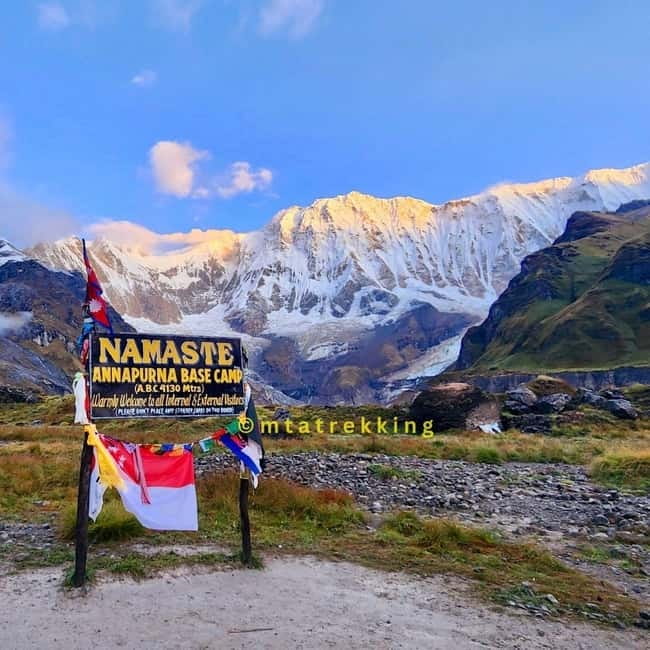
Annapurna Base Camp comes fast. In five days from lakeside Pokhara, you hike to 4,130 meters, pass rice terraces and forests, and arrive at the Annapurna massif’s dramatic amphitheater.
Two things I especially like: the chance to get those jaw-dropping Machhapuchhre views on the way up, and the option to end with a soak at Jhinu hot springs. This trek also mixes big scenery with real village life with Gurung communities along the route.
One consideration before you sign up: altitude is real at 4,130m, and conditions can turn nasty in monsoon months with heavy rain and leeches.
In This Review
- Key highlights at a glance
- Starting in Lakeside Pokhara: the smart way to begin
- Day 1: Pokhara to Lower Sinuwa via Jhinu (and an early culture + warmth hit)
- Day 2: Deurali ascent at about 3,200m (where your breathing tells the truth)
- Day 3: Annapurna Base Camp at 4,130m, with Machhapuchhre Base Camp detours
- Day 4: Base camp panoramas, then down to Bamboo (recovery is part of the trek)
- Day 5: Bamboo to Pokhara via Jhinu’s hot springs (optional, but highly tempting)
- The guiding style: why an English guide changes the experience
- Permits, permits, tea houses, and what your $136 really buys
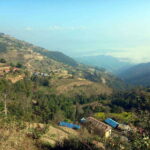
- What you’ll actually see: rice terraces, forests, and Gurung villages
- Fitness and altitude: where to be realistic
- Monsoon months and leeches: the weather you can’t ignore
- What to pack so you don’t suffer on purpose
- Should you book this 5-Day Annapurna Base Camp trek?
Key highlights at a glance
- Private, English-speaking guide with government registration and planning that keeps you moving at a sensible pace
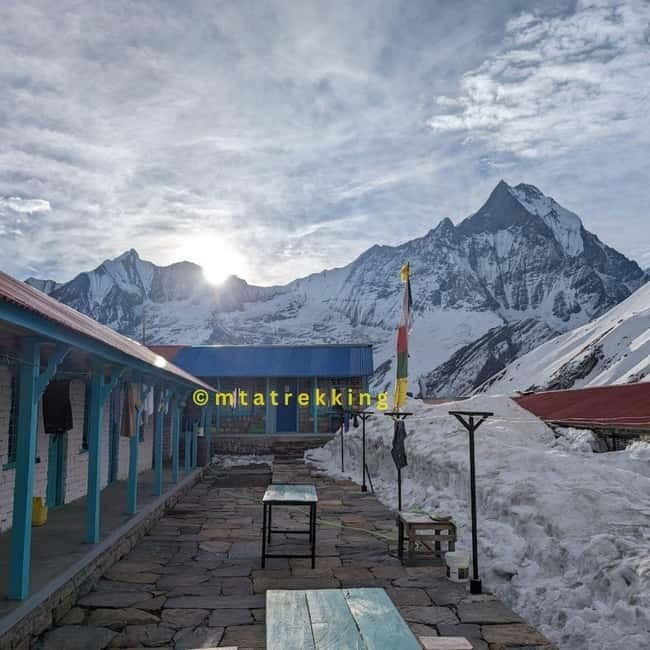
- Machhapuchhre Base Camp detour for classic Fishtail Peak sightlines
- Tea house lodging + full-board meal option, so you’re not juggling food logistics on the trail
- Jhinu hot springs built into the start and end for recovery after hiking
- ACAP + TIMS permits handled, plus a luggage storage facility in Pokhara
Starting in Lakeside Pokhara: the smart way to begin
Pokhara is a great launching pad because you’re starting your trek without the stress of long regional transfers on day one. The operator picks you up from any hotel in Lakeside Pokhara and even from the international airport, so your day doesn’t start with guesswork or extra taxi wrangling.
You also get a real sense of contrast right away. One moment you’re staring at the calm lake area; the next, you’re in a jeep heading toward the trail, easing from city comfort into mountain reality. And that matters, because Annapurna Base Camp is not a “walk in the park” kind of achievement.
You can also read our reviews of more hiking tours in Kathmandu
Day 1: Pokhara to Lower Sinuwa via Jhinu (and an early culture + warmth hit)
Day one usually begins with about a 3-hour jeep/SUV ride, followed by roughly 5 hours of hiking to Lower Sinuwa at about 2,300m. Expect a mix of trail scenery, photo stops, and the first real chance to feel the rhythm of the Himalaya—steady uphill work rather than constant steepness.
Jhinu is the key name for this day. It’s known for its natural hot springs, and it’s also a village place where you’ll see how life functions away from the main trekking corridors. You’ll get the hiking effort, but you also start building that recovery habit—because this is a trek where your body will thank you for smart timing.
The Lower Sinuwa tea house stop sets you up for the next day’s ascent. At this altitude, you’re still far from the top, but you’re also not at sea level anymore, so don’t treat day one as a warm-up only. Pace matters here.
Day 2: Deurali ascent at about 3,200m (where your breathing tells the truth)
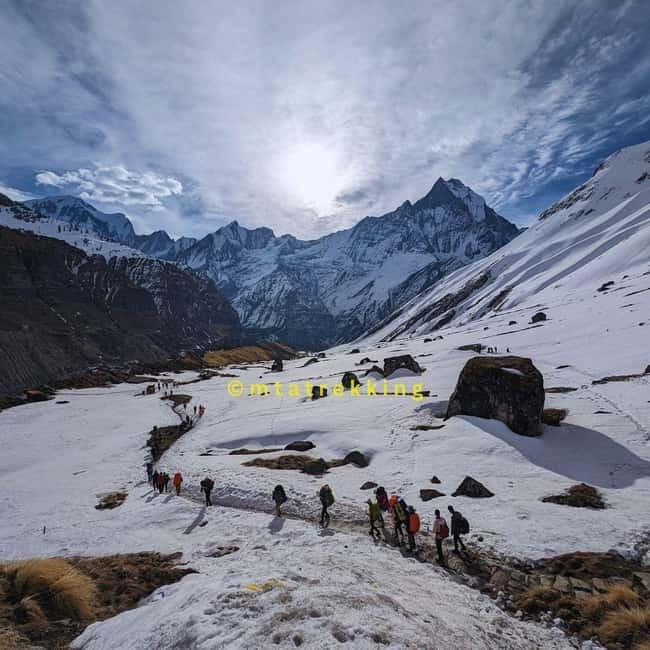
Today climbs to Deurali around 3,200m with about a 6-hour hike. This is the day where you’ll likely feel the altitude more clearly than on day one, especially if you set off too fast. A good guide helps you keep things controlled—shorter strides, consistent breathing, and breaks that aren’t too long.
Deurali is a small mountain village stop. You’ll have time for guided sightseeing and photo stops, plus the rhythm of tea-house nights in the Annapurna region. The itinerary includes moments like sunrise and sunset timing, which can be genuinely satisfying here because you’re above the valley haze and the light changes quickly.
If you’re the type who likes to understand where you are—peaks, ridgelines, village patterns—this is also where your guide’s explanation style becomes useful. English guidance helps a lot when you want names for what you see.
Day 3: Annapurna Base Camp at 4,130m, with Machhapuchhre Base Camp detours
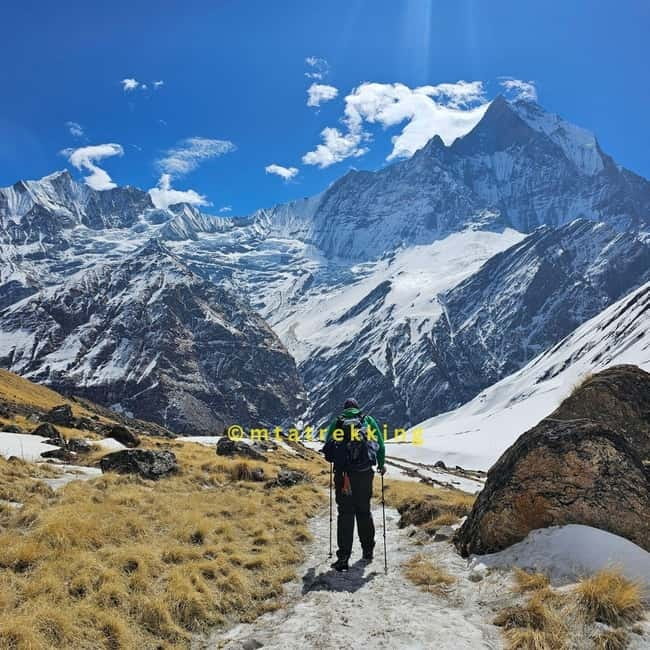
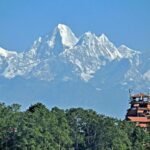
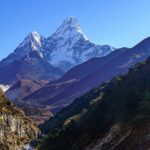
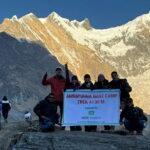
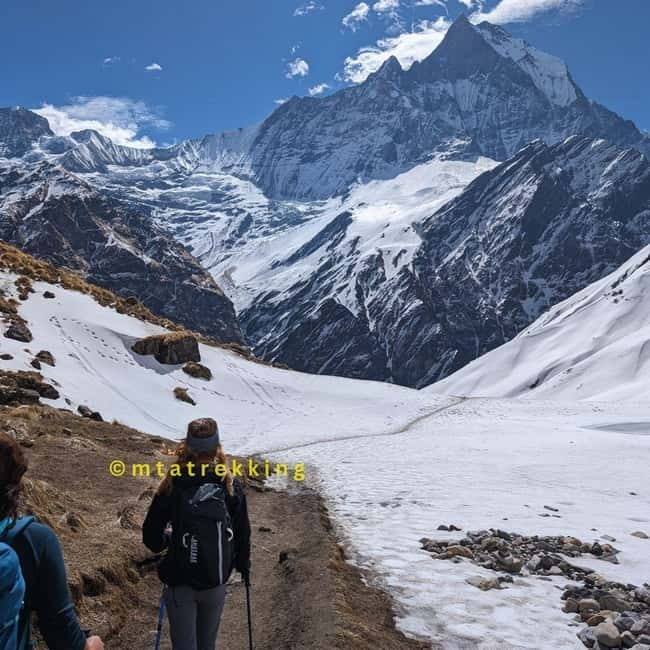
This is the big day: reaching Annapurna Base Camp at 4,130m after about 4 hours of trekking. You’ll also do a detour to Machhapuchhre Base Camp, which gives you some of the most famous views in the area—especially the Fishtail Peak look that keeps showing up in trekking photos for a reason.
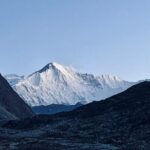
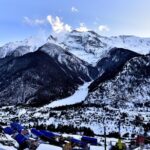
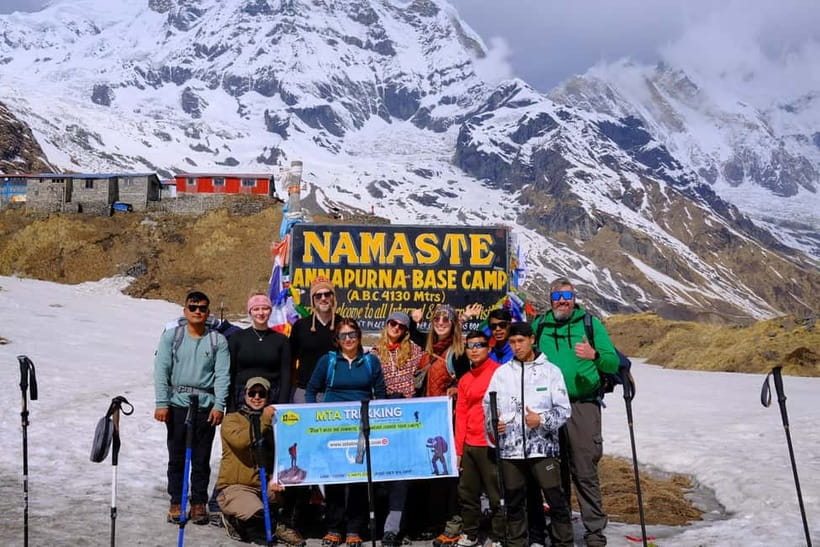
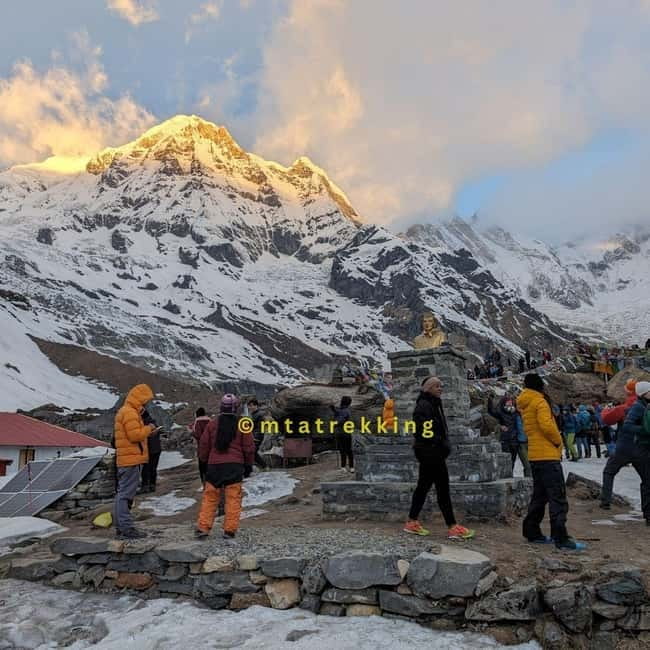
The base camp area is where the Annapurna massif feels like it’s made for human drama: steep walls, huge snowfields, and that classic “I can’t believe I’m here” moment. And because it’s a tea-house trek rather than a technical climb, the sense of accomplishment comes mostly from consistency—putting one step after another without rushing.
One practical tip: at base camp altitude, conditions can change quickly and your body may feel a little cranky even if you’re not sick. Treat it like a careful celebration. Enjoy the views, take your photos, eat something warm, then settle in for the next transition.
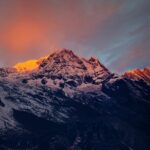
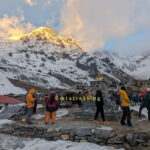
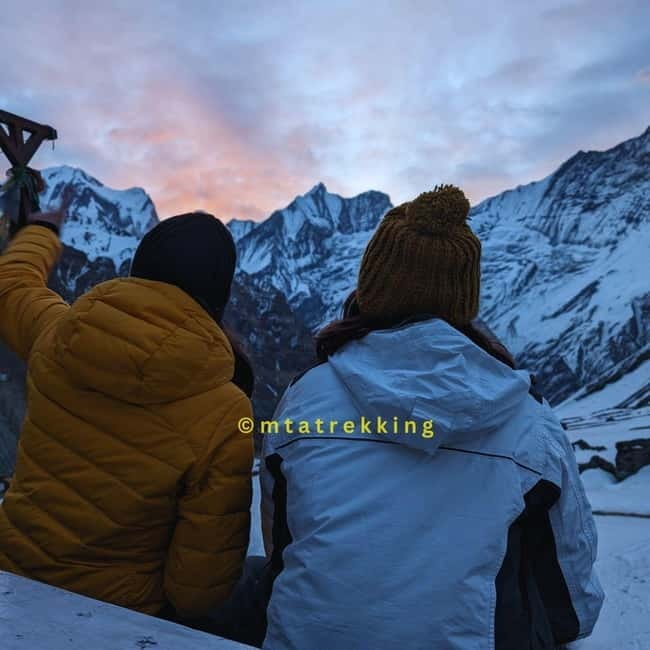
Also, there’s a strong tradition of early light at base camp. One of the guides in this operator’s team—Ramit—has been praised for managing timing well, including sunrise moments in front of Annapurna’s south face. Even if you don’t chase the earliest start, you’ll still want to be ready for that early-morning kind of clarity if your energy allows.
Day 4: Base camp panoramas, then down to Bamboo (recovery is part of the trek)
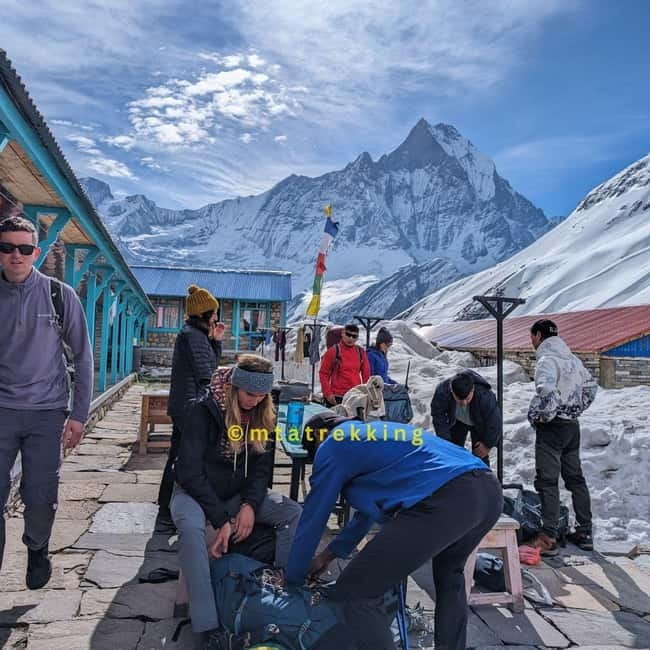
Day four starts with time at Annapurna Base Camp—guided tour time, plenty of photo opportunities, and a chance to see the mountains again from right where they dominate the view. You’re at altitude, so this is the day to avoid treating every second like a photo shoot. It’s better to look slowly, then rest strategically.
Then you descend to Bamboo around 2,400m. The day is listed as taking most of the day (about 6 hours), which makes sense: downhill still takes time, and your knees will appreciate the breaks. Bamboo is a lower-altitude reset. It’s not “easy,” but it usually feels more comfortable than staying at base camp and trying to recover there.
This is also the day where you’ll likely notice why the trek is built as a loop in altitude. The schedule gives you time to see the dramatic high point first, then it lets your body settle back down for the final push.
You can also read our reviews of more tours and experiences in Kathmandu
Day 5: Bamboo to Pokhara via Jhinu’s hot springs (optional, but highly tempting)
Your final day starts with a trek from Bamboo down toward the Jhinu area and then the drive back to Pokhara. You’ll have the option of stopping at Jhinu hot springs for a soak. If you’ve hiked enough days in boots, you already know: a warm natural bath at the end is basically cheating in the best way.
After the trek component, you ride back to Pokhara by jeep/SUV again (about 3 hours) and end at Lakeside Pokhara.
This closing day matters because the trek’s value isn’t only in reaching 4,130m—it’s in how you transition back into normal life. The hot springs stop, plus the drive that’s already lined up, helps you avoid the usual end-of-trek chaos.
The guiding style: why an English guide changes the experience
This is a private group trek with a live English guide. That might sound like a small detail, but in the mountains it can be big. Clear language helps you understand route choices, weather warnings, and the meaning behind what you’re seeing—especially when you’re moving through villages and not just walking through wilderness.
Guides such as Santosh and Prabit have been specifically praised for being kind, friendly, and helpful—also for explaining mountains and culture in a way that makes the hike feel richer. Ramit has been praised for organization, caring attention, and managing travel times and rest so you don’t overdo it.
One more useful point: the operator highlights professional trekking guides with government registration and includes first-aid support. You still need to hike responsibly, but it reduces a lot of avoidable stress.
Permits, permits, tea houses, and what your $136 really buys
At $136 per person, the pricing is positioned for people who want a real Annapurna Base Camp trek without paying premium helicopter-level budgets. The value comes from what’s handled for you.
Included items you’ll feel during the trek:
- Tea house accommodation
- Meals when you select the full-board option
- Hotel pickup/drop-off within Lakeside Pokhara and from the airport
- Private transport from Pokhara toward the trekking start area (via Siwai / Last Road) and back
- ACAP permit plus TIMS and taxes
- Government-registered guide
- Luggage storage in Pokhara during trekking
Not included items you should budget for:
- Personal expenses like Wi‑Fi, drinks, mineral water, and hot shower costs
- Laundry on the mountains
- Porter service costs $20 per day (listed separately)
- Rescue and insurance
Here’s the practical math in plain terms: if you were arranging permits, transport, guide, and lodging on your own, the logistical burden alone would likely cost you time—and often money. This price gives you a structured plan so you can focus on hiking and breathing, not spreadsheets.
If you’re nervous about packing weight, consider the porter. The trek is short in days, but your body still carries what you bring.
What you’ll actually see: rice terraces, forests, and Gurung villages
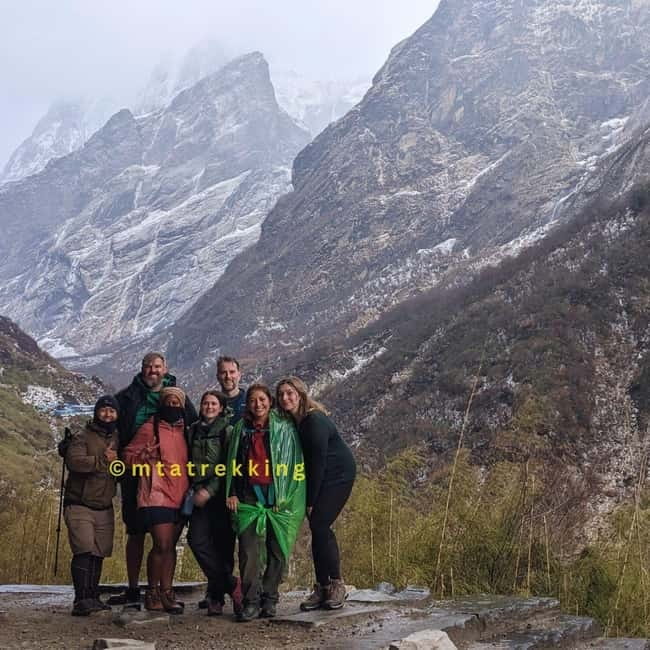
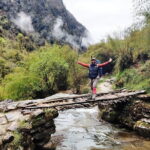
This trek is famous for the base camp, but it’s the route that makes it feel complete. You’ll pass through diverse terrain, from terraced rice fields (lower elevations) to dense forest segments as you climb.
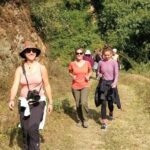
Just as important: you’ll move through villages where you can observe everyday life. The trek highlights culture with Gurung people in traditional villages. Even if you don’t speak the local language, you’ll get a better sense of place by watching how communities live and how trails connect homes, schools, and guest tea houses.
You’ll also encounter constant photo chances—sunlight across ridges, layers of peaks, and the changing view angles as you climb and descend.
Fitness and altitude: where to be realistic
Annapurna Base Camp is 4,130m. Altitude sickness is described as possible, but it’s said to be rare in this context. Still, rarity is not the same as immunity. If you have a history of altitude problems, this is not a “tough it out” situation.
This trek is also noted as not suitable for:
- pregnant women
- people with mobility impairments or wheelchair users
- people who are visually impaired
- people with altitude sickness
- people over 70 years
That’s a straight answer from the operator, and it’s worth respecting. Even with a guide, you’re hiking multiple days with substantial altitude gains and significant walking hours.
Fitness-wise, you’ll be looking at hikes around 4 to 6 hours/day on most days, plus a few transfers. One of the guides in this operator’s team is praised for adjusting pace so trekkers don’t overexert themselves, but you still need a baseline of trekking stamina.
Monsoon months and leeches: the weather you can’t ignore
If you’re considering the trek in June–August, expect erratic weather with heavy rainfall. The operator also flags that leeches can be a nuisance, especially during monsoon season on lower trails.
Your best gear approach is simple:
- wear long pants tucked into gaiters
- use insect repellent
- bring the right rain gear if you’re trekking in the wet season
The guiding advice matters most here. When rain hits hard, visibility drops and paths get slippery. A good guide will change pacing and help you avoid unnecessary risk.
What to pack so you don’t suffer on purpose
Based on the trek requirements, bring:
- comfortable shoes
- change of clothes
- comfortable clothes
- cash
- passport or ID card (a copy is accepted)
I also suggest thinking like a mountain realist: warm layers, dry socks, and a small system for keeping your essentials accessible. Not because it’s fancy—because cold and wet make decisions harder.
If you don’t want to carry much, the listed option for a porter can help. If you do carry, keep it manageable so you can keep your pace steady.
Should you book this 5-Day Annapurna Base Camp trek?
Book it if you want:
- a time-efficient Annapurna Base Camp experience with a clear itinerary
- tea house comfort and full-board meal support (if you choose it)
- a private, English-guided trek where explanations and timing matter
- the bonus of Machhapuchhre Base Camp views and the option of Jhinu hot springs
Think twice if you:
- know you don’t tolerate altitude well
- expect easy walking with minimal effort (this isn’t that)
- travel in monsoon season without proper rain gear or insect protection
- fall into the operator’s listed non-suitable categories
If you’re healthy, reasonably fit, and okay with several hours of hiking per day, this trek is a strong value way to reach Annapurna Base Camp without turning your trip into a logistics project.