Sanga to Panauti is the kind of hike that makes Kathmandu feel bigger and wilder. This easy-moderate 10 km trek runs along an under-visited route where you’ll hike through villages and farmland with a guide, then land in the Newar town of Panauti. I love the combination of big views and quiet trail time, plus the fact that the path was developed only a few years ago—so it feels far less touristy than the usual routes. One watch-out: the trail has a steep ascent at the start and steep drops along ridgelines, so good shoes and a steady pace matter.
You’ll set off from Sanga near the famously tall Shiva statue area, then walk through cultural stops tied to Tamang life and traditions on the way, finishing with Newari culture and temples in Panauti. The hike is paced for safety and wayfinding with an English-speaking guide, in a group capped at 15. A practical consideration: the lunch is an extra cost, and you should be ready for some sites along the route to show damage from the 2015 earthquakes.
In This Review
- Key highlights to look forward to
- Why the Sanga to Panauti route feels special
- Getting started: meeting at Royal Mountain Travel and reaching Sanga
- From Sanga’s Shiva hill to your first climb
- The trail in motion: ridgelines, farmland, and forest calm
- Tamang stories on the way, Newari traditions at the finish
- Panauti lunch option and what to do after the hike
- Price and value: what $65 buys you in real life
- Who this hike fits (and who should rethink it)
- Should you book Day Hike: Sanga to Panauti?
- FAQ
- How long is the Sanga to Panauti day hike?
- What distance do you hike?
- Is the hike guided?
- Does the price include lunch?
- What transfers are included from Kathmandu?
- What’s the group size?
Key highlights to look forward to
- Sanga-to-Panauti ridgeline walking: scenic rice fields, farmland, and (on clear days) unobstructed Himalayas
- A guide for both safety and navigation on a newer, lesser-known trail
- Culture on the move: Tamang culture along the trek, then Newari culture in Panauti
- Finish in Panauti, a spiritual Newar town surrounded by green hills and holy rivers
- Optional local lunch in Panauti, including a chance to eat with a family
Why the Sanga to Panauti route feels special
If you’re tired of the same Kathmandu-day-excursion loop, this hike has a refreshing angle: you’re not just doing a viewpoint walk. The Sanga to Panauti trail was developed only a few years ago, and that shows in the feel. You’re walking through villages where foreign tourists aren’t a daily sight, which changes how the day feels in your body and in your head—you notice small details. People going about their routines. The rhythm of fields. The quiet of a forest stretch when the trail bends and the sound drops.
I also like that the hike is intentionally guided. Going with a guide isn’t just about facts (though you get those). It’s about confidence. On a route with ridgeline sections and steep drops, the extra eyes and experience help you stay relaxed and focused on your footing and the views.
Finally, there’s the payoff of where you end. Panauti isn’t a big tourist magnet, but it’s full of Hindu and Buddhist temples, with folklore tied to a royal dowry offering from a king of Bhaktapur to his sister. That kind of story doesn’t make the town feel like a museum. It makes it feel like a place with memory and meaning.
You can also read our reviews of more hiking tours in Kathmandu

Getting started: meeting at Royal Mountain Travel and reaching Sanga
The day starts at 8:00 am at Royal Mountain Travel on Lal Durbar Marg in Kathmandu. Plan to arrive a bit early so you can settle in, double-check you have the mobile ticket on your phone, and get your layers right before you leave the city.
Transportation is part of the experience: you’ll travel from Kathmandu to Sanga and then back from Panauti to Kathmandu. What’s worth noting is how transfers are listed: the tour includes transport to and from the trail start/end areas, but hotel pickup and drop-off are listed as not included. If you’re staying somewhere farther out or want a door-to-door pickup, I’d confirm how they handle your specific hotel before you book.
As for the ride itself, this hike is built for a long, full morning-to-afternoon. You’ll likely want to treat it like a true outing, not a quick stroll. Bring water, a light snack even if lunch is part of your plan, and whatever you need for sun protection and dust (ridgeline and farmland walking tends to expose you).
And one more thing I’d keep in mind: the description notes there’s been significant damage to some visited sites from the 2015 earthquakes. That doesn’t mean the day is ruined—it just means you might see repairs, changes, or uneven conditions around certain structures.
From Sanga’s Shiva hill to your first climb
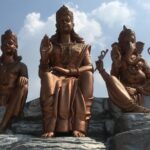
Sanga is just outside the eastern edge of the Kathmandu Valley, known for the Shiva statue connection—specifically, the area with the tallest Shiva statue in the world. Your hike starts there, with an initial push upward for about half an hour. Even though the overall walk is easy-moderate, that first ascent is the kind of climb that warms you up fast. If you’re not used to hiking uphill, pace yourself and don’t sprint the start.
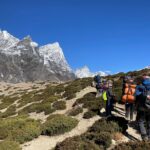
After that initial climb, the trail mostly flattens out. This is where you can settle into a rhythm. Ridgeline walking means you often get views to your sides, and you’ll also feel the terrain under your feet because the drops can be steep. The guide helps you read the trail, spot safe footing, and keep the group together.
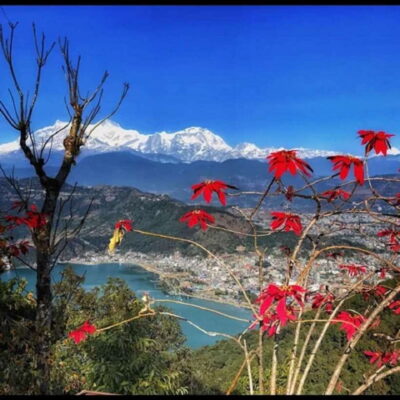
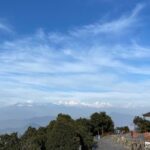
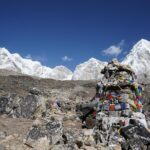
On clear days, you can get unobstructed Himalayas. That’s the kind of promise that matters in Nepal, because cloud cover can change everything. If the sky looks promising in the morning, you’ll want to stay mentally ready to soak in the views without rushing.
The practical takeaway: you’re starting with a short climb, then getting a lot of walking that rewards steady pacing more than speed.
The trail in motion: ridgelines, farmland, and forest calm
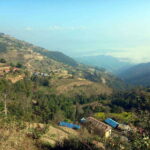
Once you’re past the first climb, the route becomes about contrast. You get farmland and rice fields—patchwork greens and golds—and then you get stretches of forest that can feel cooler and quieter. The mix is one of the reasons this hike lands well for people who want more than just a single scenery moment.
You’ll be walking along ridgelines, which is why the views are so good. But ridge routes also demand attention. A helpful way to think about it: your eyes will be in two places, on the scenery and on the ground. A guide who knows the path helps you keep that balance so you don’t have to choose between safety and sightseeing.
A few other details to set expectations:
- The hike is 6.2 miles (10 km) overall, which is long enough to feel like a hike but not so long that you’ll be crushed by time.
- You should expect some steep uphill sections in places, though the day is still described as easy-moderate rather than hard trekking.
- Some portions pass through areas where you’re less likely to see other visitors, which means fewer crowds and more chances to notice village life without trying to dodge groups.
From the feedback style and the route description, the forest segment is a standout—when you step under trees, the whole day slows down. If you like that transition from open views to shaded walking, you’ll probably enjoy this segment more than you expect.
Tamang stories on the way, Newari traditions at the finish
One of the best values here is how the culture is woven into the walk. Instead of a single lecture at the end, you get explanations as you move through different places.
On the trek, your guide shares Tamang culture details connected to the areas you pass through. That matters because it turns the villages you see into more than scenery. You’ll start noticing how people live, work, and organize daily routines—and why certain places feel meaningful in local identity.
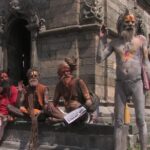
Then the day shifts at the other end to Newari culture in Panauti. Panauti is described as a small but beautiful Newar town with many Hindu and Buddhist temples. It’s also tied to spiritual geography: green hills and holy rivers shape the town’s character. For me, that’s the best kind of cultural learning while hiking—what you learn actually connects to what you’re standing in front of.
There’s also a gentle theme running through the whole route: Tamang on the way, Newari at the finish. It gives your day a sense of progression, like you’re moving from one cultural world to another rather than just walking from point A to point B.

Panauti lunch option and what to do after the hike
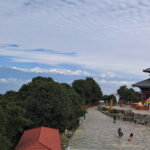
You’ll conclude the hike in Panauti, in a Newar community. This is where temples and quiet streets do the talking. The description frames Panauti as a spiritual town full of Hindu and Buddhist religious sites, surrounded by hills and rivers, with folklore that adds a layer of local context.
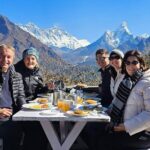
About lunch: lunch isn’t included in the basic price. Instead, there’s an opportunity to purchase a Nepali lunch with a local family in Panauti to refuel. There’s also a specific suggestion to enjoy lunch at the Panauti Community Homestay, run by local women of Panauti. That’s more than just a meal stop. It’s a chance to see how local women in the community have turned hospitality and food into entrepreneurship.
If you’re trying to decide whether to budget extra money for lunch, I’d say yes—because the hike ends in a community setting, and a local meal is one of the most direct ways to make your visit sustainable and respectful. Just treat it as an optional add-on, since it’s described as additional expense.
After lunch, you’ll likely have time to wander at an easy pace. If you want photos, temple areas can give you great texture—just be mindful of local customs and dress appropriately for religious spaces.
Price and value: what $65 buys you in real life
At $65 per person, this doesn’t look like a bargain hike—nor does it look like a luxury outing. It sits in that practical middle where you’re paying for the parts that are hard to DIY: the guided route and the transportation to and from the trail start/end.
Here’s what you’re paying for, in plain terms:
- Transport from Kathmandu to Sanga and from Panauti back to Kathmandu
- An English-speaking hiking guide for safety and wayfinding
- The experience of a small group (maximum 15), which usually means less crowding and more attention for questions
- A route designed around villages and cultural context, not just a generic trail
What you don’t pay for (and should budget for): lunch and alcoholic drinks. Lunch is especially worth budgeting for because it’s part of the day’s “connection” theme with local families.
So is it value? For many people, yes—because this is exactly the kind of hike where a guide makes your day better, not just louder. If you’re confident navigating on your own, you could theoretically find other ways to hike. But if you want a safer, smoother day with cultural explanation and fewer wrong turns, the guide plus transport is the real value.
Who this hike fits (and who should rethink it)
This hike is a good match if you:
- Want a day hike around Kathmandu that isn’t the most crowded, most famous trail
- Like walking where you can see ridgelines and farmland, then cool off in forest sections
- Enjoy cultural learning that happens while you move
- Prefer a group capped at 15 and a guide who helps you stay on track
It may not be ideal if you:
- Struggle with steep uphill segments, especially early in the hike
- Get nervous around steep drops on ridgeline walking
- Need a lot of downtime breaks, since this is built as a full 8-hour outing including transport and hiking
On the plus side, it’s described as easy-moderate, and the distance is manageable. You just need the mindset of a real hike, not a casual stroll.
Should you book Day Hike: Sanga to Panauti?
I’d book it if you want an honest Kathmandu hiking day with both scenery and culture, and you care about seeing local life beyond the main tourist routes. The ridgeline views, the under-visited village feel, and the finish in Panauti combine into a day that feels like a journey rather than a checkbox.
Skip it or check carefully first if steep uphill and steep drops make you anxious. Also, if you’re watching your budget tightly, remember lunch and drinks are extra.
One practical tip before you go: since Himalaya views depend on weather, dress for sun but expect shade and changeable conditions. Bring layers, wear good grip shoes, and you’ll be set to enjoy the best parts of the day.
FAQ
How long is the Sanga to Panauti day hike?
The duration is listed as about 8 hours total, which includes hiking plus transportation time in the day.
What distance do you hike?
You hike about 6.2 miles (10 km).
Is the hike guided?
Yes. The hike includes an English-speaking hiking guide.
Does the price include lunch?
Lunch is not included in the price. You can purchase a Nepali lunch with a local family in Panauti as part of the experience, and there’s also an option to eat at Panauti Community Homestay at an additional cost.
What transfers are included from Kathmandu?
You get transportation from Kathmandu to Sanga and from Panauti back to Kathmandu. Hotel pickup and drop-off are listed as not included, so it’s worth confirming how they handle your specific hotel.
What’s the group size?
This activity has a maximum group size of 15 travelers.