REVIEW · KATHMANDU
4 Days Poon Hill Trek
Book on Viator →Operated by The Great Adventure Treks & Expedition - Private Day Tours · Bookable on Viator
Sunrise on Poon Hill hits fast. This private 4-day trek from Kathmandu is built for a lower-stress Himalayan taste, with guided hiking through terraced fields, remote hamlets, and old forest before you reach Poon Hill (3,210m). I especially like having a real person in your corner—guides like Binod Silwal and Bikram—so you’re not guessing your way through Nepal.
My second favorite part is the goal itself: a sunrise viewpoint that also frames major peaks like Annapurna, Manaslu, and Dhaulagiri. The one drawback to plan around is simple: lunch and dinner are not included, so you’ll want to budget meals (and double-check what’s covered for breakfast) before you go.
In This Review
- Quick hits
- Why the Poon Hill sunrise trek feels easier than most Himalayan hikes
- The private-guided setup: customization that matters on the trail
- Kathmandu start and private transportation: fewer moving parts
- A realistic 4-day rhythm through Ghorepani, Poon Hill, Tadapani, and Ghandruk
- Poon Hill viewpoints: what you’ll see when the sky clears
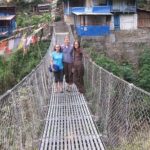
- Village walking beyond the photos: terraced farms, remote hamlets, and old forest
- Where lodging fits (and what meals do to your budget)
- Value check: is $405.13 worth it for a 4-day trek?
- Timing, weather, and the one thing that can change everything
- Who this trek is best for (and who should consider a different option)
- Should you book this Poon Hill trek?
- FAQ
- How high does the trek reach?
- How long is the Poon Hill trek?
- Is this trek private or shared?
- What time does the tour start?
- Is pickup and transportation included?
- Are meals included in the price?
- What mountains can you see from Poon Hill?
- Is the trek suitable for most fitness levels?
- What happens if weather is bad?
- Can I cancel for a full refund?
Quick hits
- Poon Hill at 3,210m keeps this trek in the “short and doable” category
- Private guiding means your pace and route can be adjusted
- Sunrise viewing from Poon Hill is the main event, with big views of multiple giants
- Village walking through Ghorepani, Tadapani, and Ghandruk adds local texture beyond the viewpoint
- Private transportation from Kathmandu helps you start without logistics stress
Why the Poon Hill sunrise trek feels easier than most Himalayan hikes
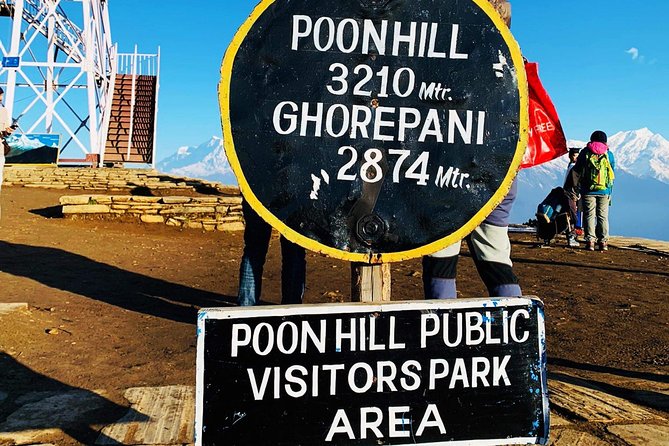
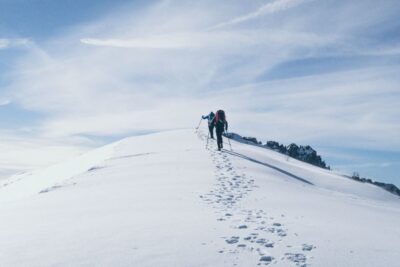
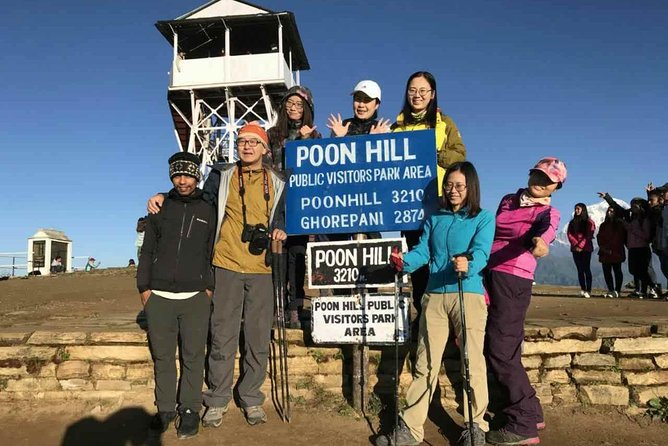
The appeal of a Poon Hill trek is that it’s high enough to feel like the mountains, but low enough that a moderately fit crew can still enjoy it. Poon Hill tops out at 10,531 feet (3,210 meters), which is a very different proposition from longer treks that keep climbing for days.
You still get that classic Himalayan effect—thin air, cold mornings, and the wow factor when the sun hits. But the climb is short, and the itinerary is designed around hitting the best viewpoint moments without turning your whole trip into a suffering contest.
You can also read our reviews of more hiking tours in Kathmandu
The private-guided setup: customization that matters on the trail
This is a private tour, so you’re not stuck moving at someone else’s pace. The trek is described as customizable, which usually means the guide can adjust how you handle walking time, breaks, and the flow between villages.
I like private guiding for one big reason: it removes decision fatigue. When you arrive somewhere new, you don’t want to be stuck working out where to sleep or what path to take. With a guide, you’re focused on the trail, not the paperwork.
And the guidance style matters. The names that show up again and again in the guide roster—Binod (including Binod Silwal), Bikram, Chandra, Tobonath, Jayaram KC, and Mani—point to a team that’s used to keeping treks running smoothly, not just walking beside you.
Kathmandu start and private transportation: fewer moving parts
Your trek starts at 9:15 am with pickup offered. Private transportation is listed as included, and that’s a big deal for a short trek.
Here’s what that means in real life: you spend less time hunting for routes and more time settling in. Even if your exact day plan varies based on the chosen route logistics, private transfers help you get out of Kathmandu cleanly and begin the trek with less stress.
You’ll also have a mobile ticket, and you’ll receive confirmation at booking. That’s small, but for a mountain trip it helps you avoid last-minute surprises.
A realistic 4-day rhythm through Ghorepani, Poon Hill, Tadapani, and Ghandruk
The trek is timed as 4 days (approx.), and the core experience cycles through Ghorepani, Poon Hill, Tadapani, and Ghandruk—exactly the sequence most people come for when they want an efficient introduction to the Annapurna region.
Day 1 is your “get hiking” day. You’ll be moving from the Kathmandu area into the trekking zone, then starting your first walk toward Ghorepani, usually at a pace that lets you feel out your legs. This is a good day to remind yourself what the trek really is: steady walking, frequent views, and village life around you.
Day 2 is the big one for altitude-light thrills. You’ll head to Poon Hill for sunrise viewing from 3,210 meters. After the dawn moment, you continue onward toward Tadapani, where the trail shifts from viewpoint-focused to village-and-forest focused. Expect a calmer pace after sunrise—your legs will be happy for it.
Day 3 leans into culture and countryside. The trek passes terraced farmland and remote villages, and the route also runs through dense old forests. That combination is why this trek feels more like a journey than just a hike to one photo spot. You’ll continue toward Ghandruk, a classic endpoint area for this style of route.
Day 4 is your wrap-up day. You’ll finish the hiking portion and then transition back by private transportation. For a short trek, the last day is about recovery and arriving back in Kathmandu feeling like you earned your dinner plans, not feeling wiped out.
Poon Hill viewpoints: what you’ll see when the sky clears
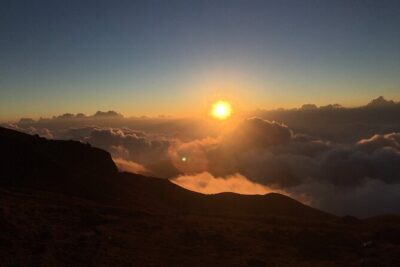
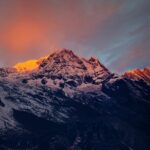
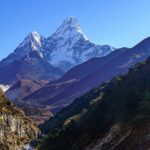
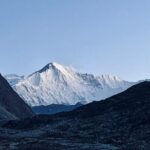
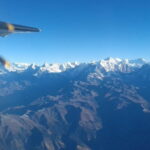
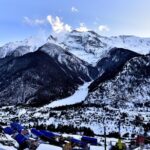
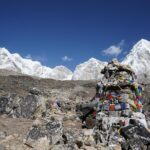
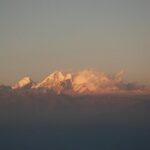
Poon Hill is famous because it’s where sunrise gets framed like a show. From that 3,210m viewpoint, you can see Annapurna and other major peaks in the region, including Annapurna, Manaslu, Dhaulagiri, and more.
What I’d count on most is the timing and the weather. The experience is explicitly weather-dependent, because clouds can erase the skyline quickly. When the sky is clear, the mountain visibility is the whole point; when it’s not, it turns into a foggy hike with less payoff.
So I recommend treating sunrise like a high-priority appointment. Go to bed with enough layers, hydrate earlier than you think you need to, and keep your patience ready. If the weather cooperates, the payoff is worth the early hours.
You can also read our reviews of more tours and experiences in Kathmandu
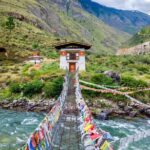
Village walking beyond the photos: terraced farms, remote hamlets, and old forest
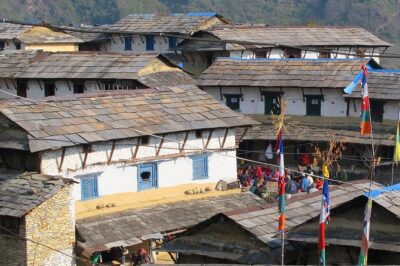
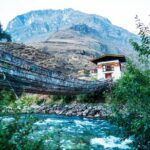
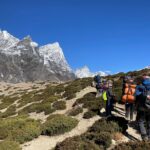
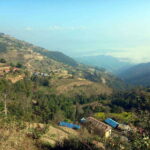
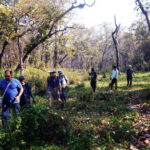
One thing I like about this trek is that it doesn’t pretend the only value is the viewpoint. You’re walking through working landscapes: terraced farmland, quiet villages, and dense older woodland.
This is where your guide earns their pay. With someone local, you’re more likely to understand what you’re seeing—how the villages function, what kinds of daily life go on along the trail, and how the trekking routes fit into the region’s rhythm.
If you enjoy photo stops, this trek gives you them without turning the whole day into standing still. Short photo breaks keep you moving while still letting you capture the mountain context and the human scale.
Where lodging fits (and what meals do to your budget)
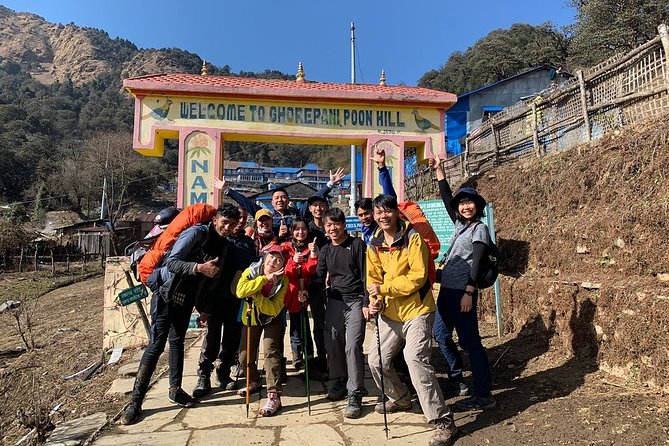
The tour description emphasizes that you won’t need to worry about getting lost or booking accommodation—your guide takes care of everything. That’s a huge convenience on a short trek where you’re already managing early starts and altitude adjustments.
Meals, though, are where you need clarity. The tour lists lunch and dinner as not included. Breakfast isn’t specifically listed, so don’t assume it’s covered—confirm what your package includes for the start of each day.
Budget-wise, plan for paying for lunch/dinner during trekking days. Tea house meals are often the easiest option when you’re already in walking distance from your next rest spot. The guide can point you toward food that fits what you need that day—fuel that’s not too heavy before steep sections.
Value check: is $405.13 worth it for a 4-day trek?
At $405.13 per person, this trek is priced like a private, guided short trek, not like a bargain-group shuttle. The question isn’t just the number—it’s what you’re avoiding.
You’re paying for:
- a private guide (so the trek stays organized and adaptable)
- private transportation to reduce Kathmandu logistics hassle
- help with trekking-day flow and accommodation handling
What you’re not paying for (at least based on the listed inclusions) includes lunch and dinner. That means the real “trip cost” is a bit higher once you add daily meals and personal spending.
Still, for many people, this price can feel fair because it buys you peace of mind. With a guide, you spend less energy figuring things out and more energy enjoying the mountains and the villages.
Timing, weather, and the one thing that can change everything
This experience requires good weather. If it’s canceled due to poor conditions, you’re offered either a different date or a full refund.
That rule matters for a sunrise trek. You can’t control clouds, wind, or fog. You can control how flexible you are and how quickly you accept plan shifts if conditions aren’t ideal.
I’d also think about your morning routine. Your tour start time is 9:15 am, but sunrise trekking usually means earlier hiking hours on the trail day. Build in patience: the early starts are part of the format, not a bonus you can opt out of.
Who this trek is best for (and who should consider a different option)
This is best suited to moderately fit travelers and described as “most travelers can participate.” That signals a trail experience with manageable altitude and a realistic walking schedule.
It’s a smart fit if you want:
- a shorter trek that still feels like real Himalayan travel
- a guided experience where accommodation and directions aren’t your job
- sunrise views without committing to a weeks-long itinerary
If you’re looking for a hardcore mountaineering training plan or long multi-pass high-altitude days, this probably won’t satisfy that craving. This trek’s strength is its shorter distance to the main payoff.
Should you book this Poon Hill trek?
Book it if you want the Annapurna area in 4 days with a private guide who handles the hard parts—timing, navigation, and lodging—so you can focus on walking and views. The Poon Hill sunrise goal at 3,210m, plus the route through Ghorepani, Tadapani, and Ghandruk, is a solid “best of” format for people who don’t want to spend a month in transit.
Skip it or at least ask questions first if you hate early mornings or you’re trying to keep meal costs extremely tight, since lunch and dinner are not included. Also, if your schedule can’t bend with weather, you’ll want to be careful—this one depends on clear skies.
If you go in prepared—layers, patience, and a realistic budget—you’re likely to come away with exactly what this trek promises: a short Himalayan adventure with a sunrise payoff and real village trekking time.
FAQ
How high does the trek reach?
Poon Hill is listed at 10,531 feet (3,210 meters), and the sunrise viewpoint is from that altitude.
How long is the Poon Hill trek?
The duration is about 4 days.
Is this trek private or shared?
It’s a private tour/activity, meaning only your group participates.
What time does the tour start?
The start time is 9:15 am.
Is pickup and transportation included?
Pickup is offered, and private transportation is included.
Are meals included in the price?
Lunch and dinner are not included.
What mountains can you see from Poon Hill?
From Poon Hill, you can view Mount Annapurna, Mount Manaslu, Mount Dhaulagiri, and many other mountains.
Is the trek suitable for most fitness levels?
It’s best suited to moderately fit travelers, and it also notes that most travelers can participate.
What happens if weather is bad?
This experience requires good weather. If it’s canceled due to poor weather, you’ll be offered a different date or a full refund.
Can I cancel for a full refund?
Yes. Free cancellation is available if you cancel up to 24 hours in advance of the experience start time.