REVIEW · KATHMANDU
4-day Poon Hill Trek
Book on Viator →Operated by Mosaic Adventure · Bookable on Viator
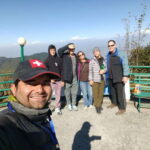
A sunrise hike with serious rewards. This 4-day Poon Hill trek is built for people who want big Himalayan moments fast, with early mountain views and a guide who helps you stay calm and on route. I especially liked the human touch—guide Purna is highlighted for turning the trek into something you remember, not just something you check off.
You’ll also get real comfort details that matter on foot: teahouse stays with all standard meals included, plus a porter setup designed for balance (one porter for every two trekkers). The one thing to think about is effort: you should plan for moderate physical fitness and a very early start, not a leisurely stroll.
In This Review
- Key things to know before you go
- Why Poon Hill is the fast track to real Himalaya views
- Transfers and the 7:15am start: what to plan for
- Teahouses, meals, and where your energy comes from
- The Poon Hill sunrise moment: why it’s worth the early climb
- Walking through villages in the Annapurna area, with less stress
- Porter support: the real comfort advantage (and how to use it well)
- Price and value: is $400 for four days a fair deal?
- Who this trek suits best (and who should be careful)
- Should you book the 4-day Poon Hill Trek?
- FAQ
- What is the duration of the Poon Hill trek?
- Where do transfers happen?
- What time is the meeting point?
- Are accommodation and meals included?
- Is the guide included, and what language do they speak?
- Are permits included?
- What’s not included in the price?
- What should I know about cancellation?
Key things to know before you go
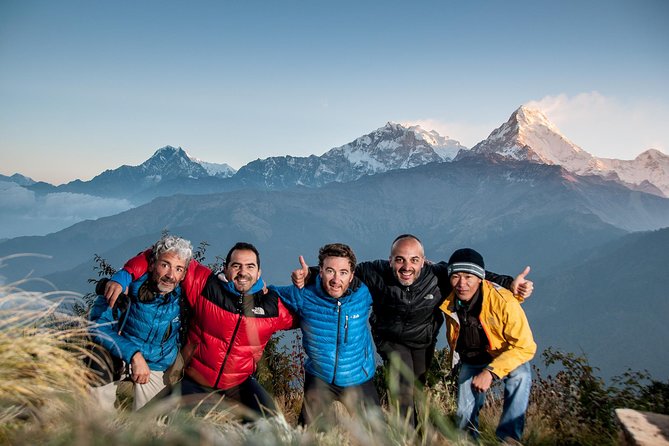
- Sunrise focus: the main payoff is waking up early for close-up Himalayan views from Poon Hill.
- Small group feel: maximum 12 travelers means the pace can stay friendly instead of frantic.
- Licensed English-speaking guide: you’re not just handed directions; you have real navigation support.
- Porters for comfort: the one-for-two porter ratio helps keep the hike manageable.
- Meals and teahouse included: breakfast, lunch, and dinner during the trek are covered.
Why Poon Hill is the fast track to real Himalaya views
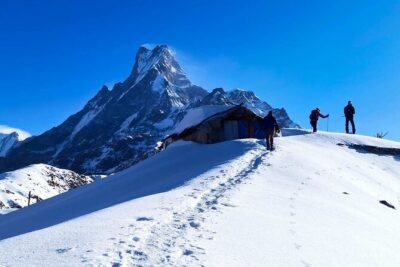
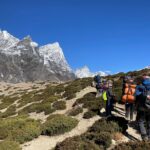
Poon Hill is one of those places that gives you mountain drama without requiring weeks of trekking. In just four days, you work your way through the Annapurna conservation area, passing villages and getting repeated glimpses of Himalayan peaks along the way. It’s a smart choice if you’re active but you’re also trying to make the most of limited time.
The big reason people like this route is timing. You’re close enough to the Pokhara area to get into the mountains on day one, then you spend your effort where it counts—early enough to catch sunrise and late enough to enjoy the walking without feeling rushed. You also get the teahouse-style rhythm that’s typical here: walk, rest, eat, repeat.
The result is a trek that feels like a true mountain experience, but with a structure that helps you stay comfortable and not overthink the logistics.
You can also read our reviews of more hiking tours in Kathmandu



Transfers and the 7:15am start: what to plan for
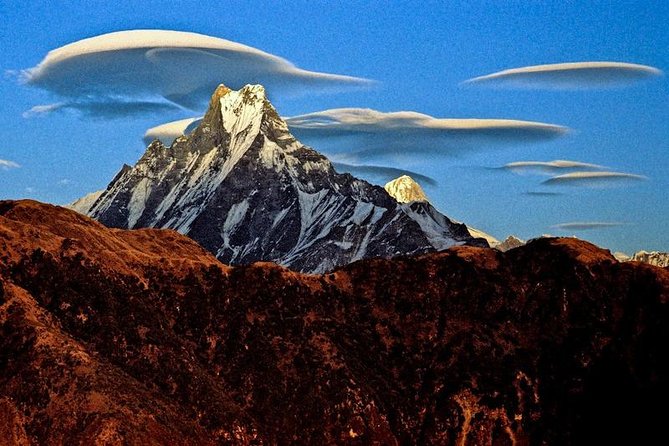
This trek includes starting and ending transfers, and you also get return transfers to Pokhara. If you’re basing yourself around Pokhara (or moving through it), this kind of built-in movement saves energy and reduces decision fatigue.
The meeting time is 7:15am. That early start is part of what makes Poon Hill work—sunrise views don’t wait for anyone. If you’re the type who needs time to wake up fully, pack a realistic morning routine: simple breakfast timing, layers for cool air, and a plan for how you’ll stay warm before you start climbing.
One more practical note: confirmation happens within 48 hours of booking (subject to availability), and you’ll receive a mobile ticket. That helps on the day of departure—you’re not scrambling to find a paper voucher.
Teahouses, meals, and where your energy comes from
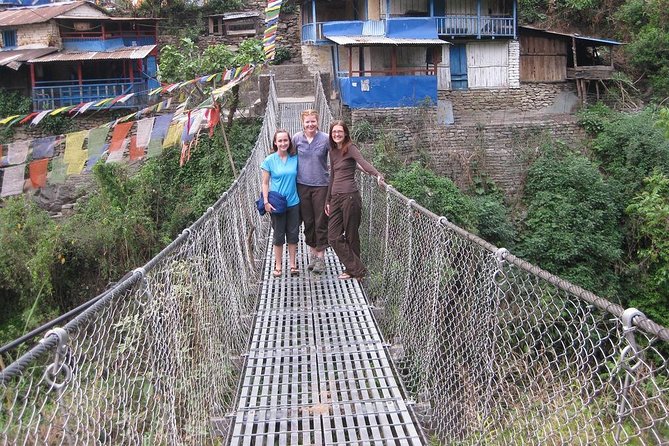
You’ll sleep in typical teahouse accommodation during the trek. That usually means basic, functional rooms where you can dry off, rest your legs, and reset for the next walking day. It’s not luxury, but it’s exactly what you want when your main job is hiking.
Food is where this itinerary is especially thoughtful. Your standard meals—breakfast, lunch, and dinner during the trek—are included. That’s a big value point because the walking itself can make it hard to plan meals every day, and the included meals help you keep a steady routine without hunting for options mid-route.
Beverages are not included (tea/coffee and bottled water, for example), so bring a budget mindset for drinks. Also remember tipping is expected for your guide. Neither of those is a deal-breaker, but they’re part of the true cost equation on the ground.
The Poon Hill sunrise moment: why it’s worth the early climb
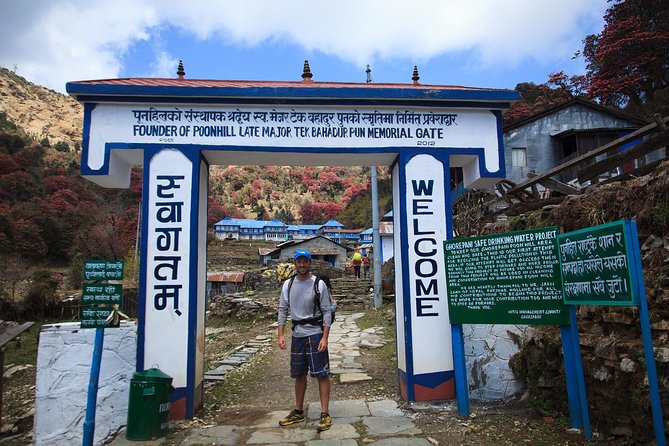
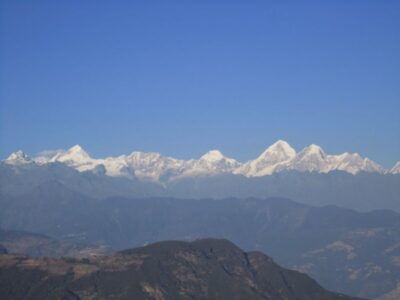
The headline is sunrise viewing over the Himalayas from Poon Hill. This is the kind of payoff that can’t be faked by a photo—there’s a real shift in light and visibility as the peaks come into view. Even if you’ve seen mountains before, sunrise changes the feeling. It’s sharper, quieter, and often more dramatic because the horizon is still.
To make this moment work for you, the earlier start matters. Your schedule is built around getting up and out so you can be in position without sprinting at the last second. If you’ve ever tried to reach viewpoints late, you’ll know the frustration: clouds, missed angles, and the feeling that you’re watching from the wrong spot. This trek is designed to avoid that.
What I like about this setup is that the sunrise isn’t a random bonus—it’s the main event. That means the trek effort lines up with the payoff, and you don’t end up hiking all day for a half-seen view.
Walking through villages in the Annapurna area, with less stress
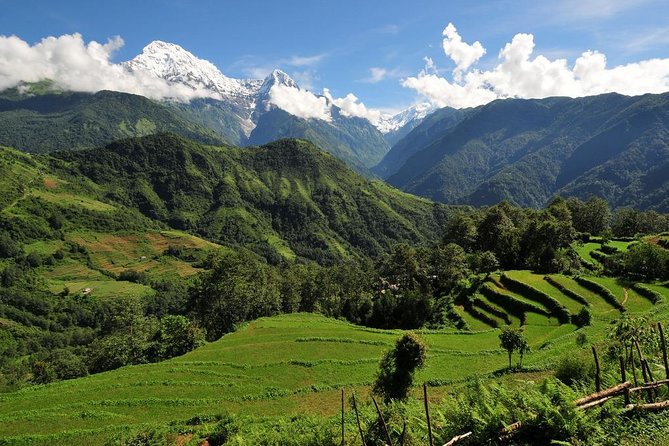
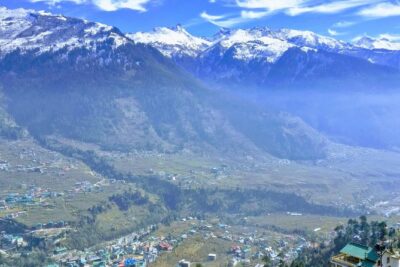
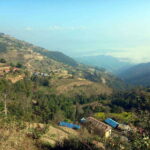
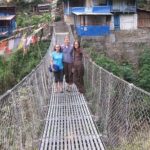
This trek is about more than reaching a viewpoint. You hike along the Annapurna conservation area, and you’ll pass villages and Himalayan scenery that changes as you move. That variety helps keep the trail from feeling repetitive, especially on a four-day timeline.
The other stress-saver is the guide. You’re hiking with a licensed, English-speaking guide who helps you avoid getting lost. For many people, that’s the difference between enjoying the walk and constantly worrying about the route. Even if you’re a confident hiker, having local guidance can keep your pacing more natural and reduce unnecessary detours.
And because the itinerary includes porter support (one porter for every two trekkers), you’ll likely spend more energy on walking and less energy on managing your pack. That matters when your legs are already doing the climbing and you don’t want to fight discomfort the whole way.
You can also read our reviews of more tours and experiences in Kathmandu


Porter support: the real comfort advantage (and how to use it well)
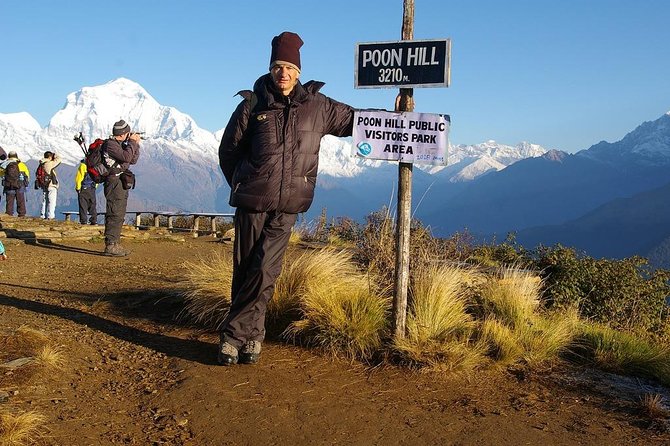
Porters are included in a practical ratio: one porter for every two trekkers. This isn’t just a nice-to-have. On shorter treks, the pack weight can still make the hike feel harder than it should, especially if you’re carrying rain gear, extra layers, snacks, or a camera setup.
If you want the trek to feel smooth, use the porter system wisely. Keep what you need for the day (layers, water strategy, small essentials) in your hands or day bag, then place the heavier stuff with the porter. That way you’re not constantly adjusting your load, and your breathing stays steady.
Also, a porter-friendly approach is usually more comfortable for you and fairer for the crew. A key takeaway here is that the porter ratio is built into the plan, so you don’t have to guess. You just have to decide what’s actually heavy and what’s just “maybe.”
Price and value: is $400 for four days a fair deal?
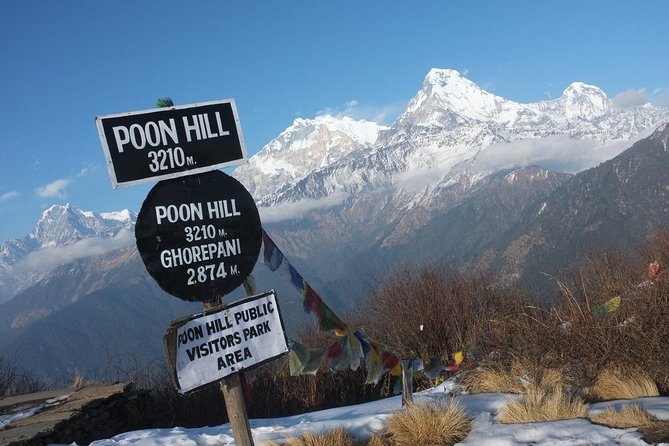
At $400 per person for a four-day trek, you’re paying for more than the walking. The value comes from the package structure: return transfers to Pokhara, a licensed English-speaking guide, teahouse accommodation, and all standard meals (breakfast, lunch, dinner) during the trek. Permits and taxes are also included, which is a big hidden cost in places where paperwork and local fees can add up.
The items not included are also pretty clear: beverages and tipping. That’s normal for trekking packages. If you budget a reasonable amount for drinks and plan to tip your guide, the overall cost picture becomes easier to handle.
Where this price feels most fair is when you add up what you’d otherwise have to organize yourself—guiding, meals, stays, permits, and logistics around Pokhara. If you’re traveling with limited time and want a straightforward plan, this package format is often the cheapest way to buy peace of mind.
Who this trek suits best (and who should be careful)
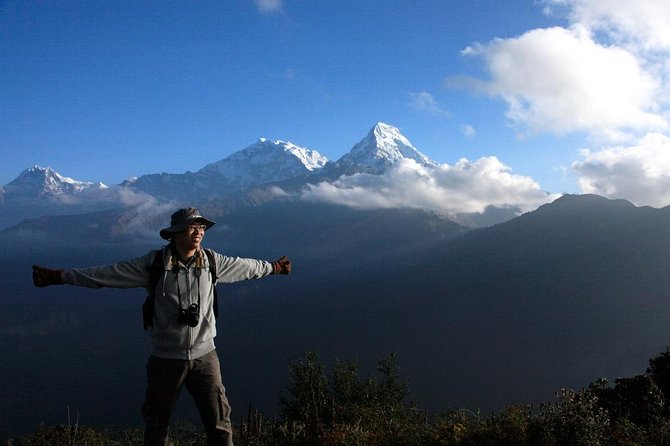
This trek fits you best if you’re active and want a Himalayan experience without making it a long expedition. Your physical level should be moderate, and the schedule includes early starts because sunrise is the core highlight.
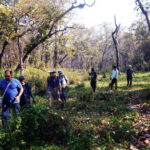
It also suits groups that want structure. The maximum group size is 12 travelers, and you’re hiking with a guide, plus porter support. If you prefer not to navigate on your own, or you simply want to focus on the views and the rhythm of walking, this kind of guided package works well.
A few criteria to note: the minimum age is 12, and a minimum of 2 people is required per booking. That means it’s designed for small groups rather than solo-style scheduling.
Should you book the 4-day Poon Hill Trek?
If you want a quick entry into the Himalayas, I think this is a strong choice. The plan is built around the right moments—sunrise at Poon Hill, village walking, and teahouse nights—while the guide and porter ratio help you avoid the common trekking headaches.
Book it if:
- you want big views in four days
- you like the idea of included meals and teahouse lodging
- you’d rather hike with a licensed guide than self-navigate
Think twice if:
- you struggle with early mornings and sustained uphill walking
- you want drinks included (they’re not)
- you’re hoping to change the booking easily (this trip is non-refundable)
If you’re ready for a focused, comfort-aware trek, this is the kind of experience that delivers its main promise without wasting your time.
FAQ
What is the duration of the Poon Hill trek?
The trek runs for 4 days (approx.).
Where do transfers happen?
Starting and ending point transfers are included, and return transfers to Pokhara are included.
What time is the meeting point?
The start time is 7:15am.
Are accommodation and meals included?
Yes. Teahouse accommodation during the trek is included, and standard meals (breakfast, lunch, and dinner) are included.
Is the guide included, and what language do they speak?
A licensed English-speaking guide is included.
Are permits included?
Yes. Required permits and all taxes are included.
What’s not included in the price?
Beverages (like tea/coffee and bottled water) are not included. Tipping is also expected by the guide.
What should I know about cancellation?
This experience is non-refundable and cannot be changed for any reason.