REVIEW · POKHARA
4 Days Mardi Himal Base Camp Trekking in Pokhara
Book on Viator →Operated by Crystal Holidays Nepal · Bookable on Viator
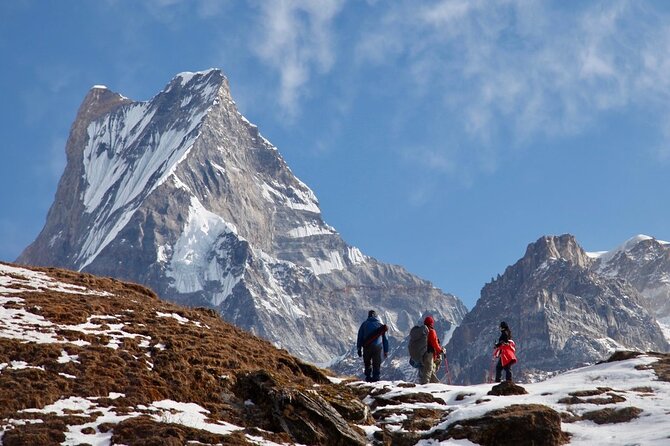
Mardi Himal earns its fame fast. This 4-day trek out of Pokhara mixes easy logistics (pickup, transfers) with the kind of high-mountain views you remember for years. I also like that you hike with an English-speaking trekking guide, which makes the whole experience feel more secure. One drawback: meals are not included, so you’ll want to budget extra each day.
You start in Kande, pass through spots like Australian Camp and Forest Camp, and then move up toward High Camp and Mardi Himal Base Camp. I found the route balance smart: enough hiking to feel like a trek, not so crazy that it stops being enjoyable. If you’re sensitive to a long day on the trail, know that the later hiking blocks run close to a full workday.
In This Review
- Key Points Worth Knowing Before Mardi Himal
- From Hotel Pickup to Kande: Why Day One Feels Less Intimidating
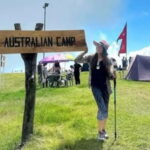
- Kande to Australian Camp to Forest Camp: Your First Real Taste of Mardi Himal
- Forest Camp to High Camp: Rhododendron Walks and Big Views
- High Camp to Mardi Himal Base Camp and Back: The Panoramic Payoff
- Down to Siding Village: Finishing with a Jeep Back to Pokhara
- Price and Value: What $245 Per Person Really Covers
- Guides, Safety, and the Solo-Traveler Advantage
- Fitness, Timing, and How to Avoid a Bad Day on the Trail
- Getting the Most From Mardi Himal Base Camp Trekking
- Who Should Book This 4-Day Mardi Himal Trek?
- Should You Book Crystal Holidays Nepal for Mardi Himal Base Camp?
- FAQ
- FAQ
- How long is the Mardi Himal Base Camp trekking experience?
- Where does the trek begin and how do you get there?
- When does the trek end?
- Is a guide included?
- Are trekking permits included?
- Are meals included in the price?
- What kind of accommodation is provided?
- Is this a private trip or shared with other groups?
- What is the cancellation policy?
Key Points Worth Knowing Before Mardi Himal
- Hotel pickup and drop-off in Pokhara saves you time and stress before day one
- English-speaking trekking guide is included, which helps with safety and confidence
- Guest house accommodations are part of the package so you can focus on hiking
- Permits and TIMS are included, so you’re not hunting paperwork mid-trip
- A private trek for your group means you won’t be mixed into random chaos
- Private transfer to Kande and a sharing jeep back keeps the end smooth
From Hotel Pickup to Kande: Why Day One Feels Less Intimidating
The best part of a multi-day trek is often the first hour, not the last view. This starts with hotel pickup in Pokhara, then private transport to Kande. That means you’re not scrambling for rides or trying to figure out where to begin while you’re already thinking about steep trail conditions.
Once you’re in Kande, you begin walking right away, so the day has a clear shape. You’ll pass through Australian Camp and continue toward Forest Camp. This is a very normal first-day flow: you ease in, get your legs working, and let the mountains build on you gradually.
A practical note: “included” time here is not just walking. Plan on a day that feels longer than you expect because you’ll have transfers plus trekking time. If you like a calm start, you’ll appreciate how this tour handles that.
You can also read our reviews of more hiking tours in Pokhara
Kande to Australian Camp to Forest Camp: Your First Real Taste of Mardi Himal
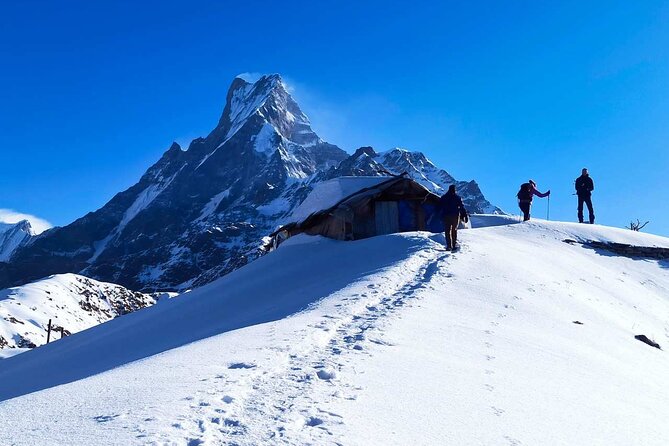
This is where you get oriented. The trek out of Kande is set up for momentum: walk through Australian Camp, then continue onward until you reach Forest Camp. The whole section is designed to get you moving without throwing you straight into the hardest climbs.
You’ll also start seeing how this route differs from the busiest, most direct treks. Instead of racing from point A to B, the path works as a slow build of views and walking rhythm. It’s the kind of day that’s ideal if you like taking photos but also want your day to feel like progress.
You’re also transitioning into a more forested hiking style. That matters because it can soften the experience: you get shade at times, and you’re not always in full sun. On a trek with long days, even a bit of natural cover helps.
Forest Camp to High Camp: Rhododendron Walks and Big Views
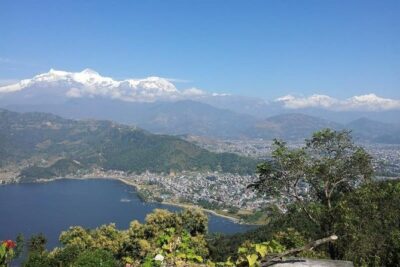
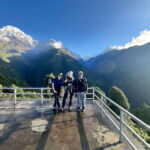
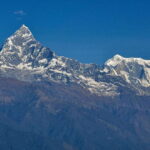
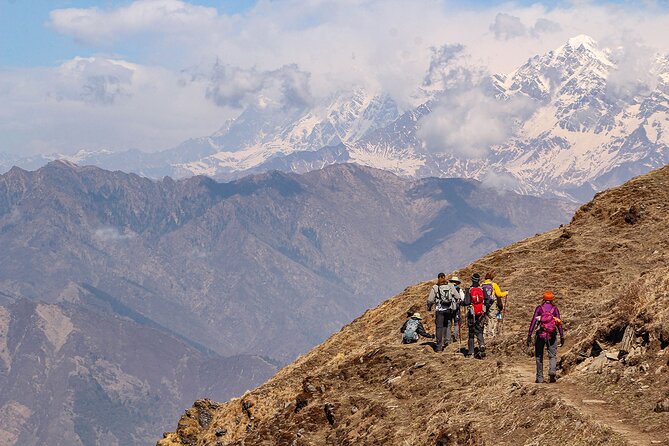
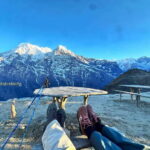
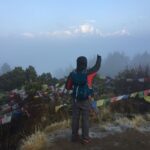
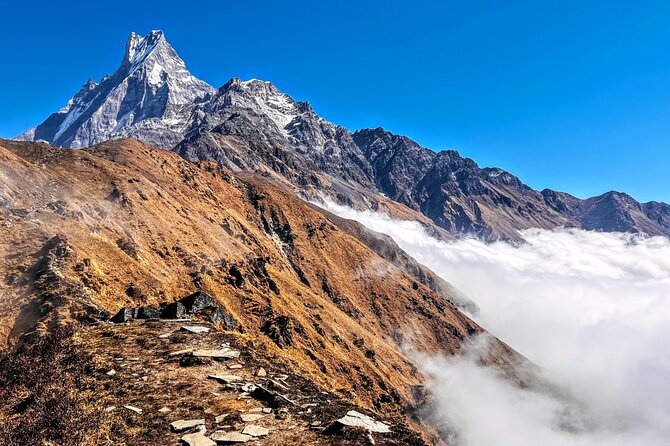
Day two starts early from Forest Camp and moves toward High Camp, and the route is described as offering rhododendron forests plus serious mountain views. That combination is the real win here. Rhododendron trails tend to feel more alive and shaded than open ridgelines, and when the views open, you get contrast.
The trekking time is roughly six hours. For many people, that’s the sweet spot: long enough to feel like you earned your rest day-night meal, but not so long that you arrive wrecked. Since accommodations are included as guest houses, you’ll have a clear finish line each day.
Also, when you’re trekking toward High Camp, you’re building altitude gradually (without me pretending you’ll never feel it). The early start matters because conditions can shift through the day. In practice, that means you’ll want to be mentally ready for colder air in the higher sections and pack layers you can add or remove quickly.
High Camp to Mardi Himal Base Camp and Back: The Panoramic Payoff
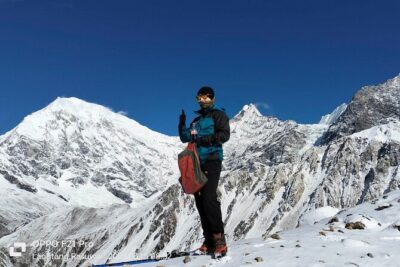
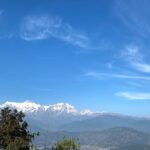
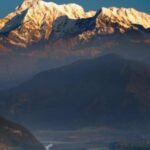
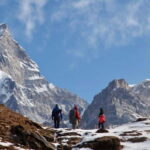
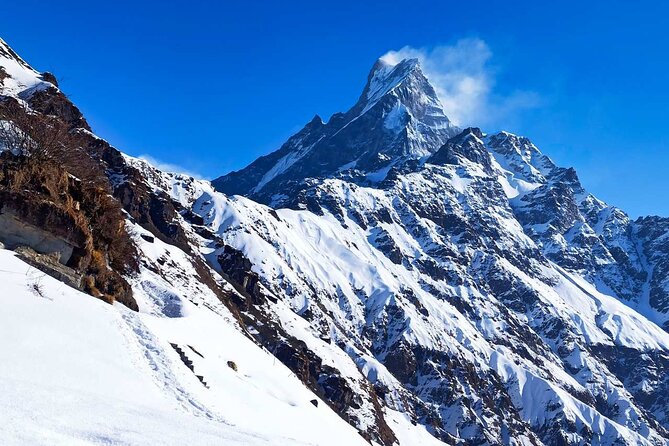
Day three is the moment. You begin early for Mardi Himal Base Camp, which gives you time to enjoy the views instead of racing through them. The payoff here is described in straightforward terms: the grandeur of the Himalayas and panoramic vistas.
This is also the day with the longest trekking block (around eight hours). That tells you something important: base camp days are not just “walk and look.” You’ll be moving steadily, and your pacing matters.
The tour then brings you back down to Low Camp (the route notes indicate a return after time at base camp). For your legs, this is usually the hardest part of the day even if it feels like the “easy direction.” Going down can stress knees and ankles, so take it slow on steps and rocky sections.
If you’re the type who likes a calm mental rhythm, this is a good trek day. You get the reward, then you’re not stuck in limbo. You’re hiking with a guide who can help you keep the route sensible and safe, which is especially valuable if you’re hiking without a partner.
Down to Siding Village: Finishing with a Jeep Back to Pokhara
Day four is designed as a clean landing. You trek downhill to Siding Village, passing through lush forests and enjoying a calmer atmosphere. The vibe here tends to feel different from the earlier days because you’re not building upward toward something.
From Siding Village, a sharing jeep brings you back to Pokhara. That mix is handy. You get the satisfaction of finishing on foot, but you’re not dragging your pack for extra hours just to reach a road.
The trekking time listed is about nine hours, which might sound long for a “downhill day.” That’s why having the jeep arranged is so important. Without it, a downhill finish can turn into a surprise marathon. With a planned pickup point, the last day feels structured even when it’s long.
You can also read our reviews of more tours and experiences in Pokhara
Price and Value: What $245 Per Person Really Covers
At $245 per person for about four days, the biggest value is not just the price tag—it’s how much you’re not doing yourself.
Included items that matter:
- Hotel pickup and drop-off in Pokhara
- Trekking permit and TIMS (this removes a common headache for independent trekkers)
- English-speaking trekking guide
- Pokhara to Kande transfer by private car and Siding to Pokhara by sharing jeep
- Guest house accommodations during the trek
- Private trip for your group
That’s a lot of friction removed for a short trek. You’re paying for planning, local logistics, and basic trip infrastructure, not just the view. For many people, that’s the difference between a trek that feels smooth and one that becomes a puzzle.
What costs extra:
- Meals are not included, with an approximate budget of 3500 NPR per person per day
- A small allowance for gratitude is customary
So the real way to judge value is this: if you’d otherwise have to arrange transport, permits, and a guide, this package makes more sense. If you already plan to handle everything solo, the cost comparison becomes harder. For most people, though, paying for the structure is what keeps the trek enjoyable.
Guides, Safety, and the Solo-Traveler Advantage
One theme that comes through clearly is comfort with the guide setup. A solo woman traveler shared that having a reputable guide felt like the right move for safety when hiking multiple days in a foreign country. That’s not a small detail. On a trek where weather can shift and trail conditions can change, having a professional guide helps you move with less worry.
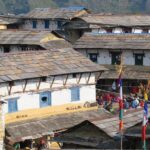
You also get culture and route context baked into the experience. The tour emphasizes cultural immersion and interacting with local communities alongside the natural highlights. Even when you don’t talk for hours, it changes how you see a place—like you’re passing through lived-in Nepal rather than just chasing photos.
Practical takeaway: if you’re new to trekking, want English support, or simply don’t want to problem-solve every day, this guide-included format is a strong match.
Fitness, Timing, and How to Avoid a Bad Day on the Trail
This trek asks for moderate physical fitness. That’s a good sign: it’s not pitched as an extreme mountaineering mission. Still, the days can add up fast because you’re hiking for multiple hours each day, and the longest day sits around eight to nine hours depending on the segment.
Here’s how I’d plan your effort:
- Treat each day as one steady block, not a series of sprints.
- Bring layers, because the higher sections can feel colder early and warm up later.
- Expect that downhill days can hit your body hard, even if your mind feels ready.
Also, the tour timing matters. Starting early on day two and day three isn’t random—it’s built into the route logic. If you ever feel tempted to go slow and start late, remember you’ll have a long day ahead. Early starts help you keep the experience comfortable and scenic.
Getting the Most From Mardi Himal Base Camp Trekking
If you want your photos and your senses to line up, think “rhythm,” not “speed.” This route includes forest segments, camp transitions, and a base camp morning built for viewing time. That combination is great because you don’t only see mountains from one angle.
A few practical mindset tips:
- On the base camp day, plan to look up often. That’s where your time feels worth it.
- During forest and camp changes, take short rests before you feel tired. It keeps your pace consistent.
- If you care about comfort, pack for cold mornings and sweaty mid-day swings. You’ll get both.
Because accommodations are guest houses, you’re not sleeping outdoors. That matters for recovery. You can hike, eat, and reset without needing specialized camping gear.
Who Should Book This 4-Day Mardi Himal Trek?
This trek fits best if you:
- Want a short, structured Mardi Himal route from Pokhara
- Prefer having an English-speaking guide instead of navigating alone
- Like a balance of forested hiking and panoramic mountain time
- Are traveling as a small private group (not mixed into strangers you didn’t plan for)
It may not be your best match if you:
- Want meals fully included (your daily food budget needs to be planned)
- Hate long hiking days, especially when one day is close to nine hours
Should You Book Crystal Holidays Nepal for Mardi Himal Base Camp?
If you want the classic Mardi Himal experience but with less admin work on your plate, this is a strong option. The value comes from the combo: transfers that actually run on schedule, permits handled, a guide included, and guest house stays built into the plan.
I’d book it if you’re happy to budget for meals and you can handle several hours of hiking per day. I’d hesitate only if you’re looking for a lightweight, minimal-effort itinerary with everything covered.
FAQ
FAQ
How long is the Mardi Himal Base Camp trekking experience?
It’s listed as about 4 days.
Where does the trek begin and how do you get there?
You start in Pokhara, with hotel pickup, then travel to Kande by private car to begin trekking.
When does the trek end?
The trek ends back in Pokhara after trekking downhill to Siding Village and then taking a sharing jeep to Pokhara.
Is a guide included?
Yes. An English-speaking trekking guide is included.
Are trekking permits included?
Yes. The trekking permit and TIMS are included.
Are meals included in the price?
No. Meals are not included, and the price guide says to budget around 3500 NPR per person per day.
What kind of accommodation is provided?
You stay in guest houses during the trek.
Is this a private trip or shared with other groups?
It’s described as a private trip/activity, meaning only your group will participate.
What is the cancellation policy?
Free cancellation is available up to 24 hours in advance for a full refund. If you cancel less than 24 hours before the start time, it’s not refunded.