REVIEW · POKHARA
Pokhara: 4-Day Mardi Himal Trek
Book on GetYourGuide →Operated by MTA Trekking Pvt. Ltd. · Bookable on GetYourGuide
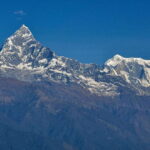
Sunrise at 4,200m is the big pay-off. This 4-day Mardi Himal trek from Pokhara mixes rhodo-and-jungle walks with village life, then aims for a Fishtail (Machhapuchhre) sunrise view over the Annapurna range. You get a solid taste of the Annapurnas without committing to a longer expedition.
I love how the trail shape changes fast: terraced fields and traditional settlements give way to thick forest, then open into higher alpine viewpoints. I also like how the better guides, like Ramit or Gobinda, keep the days calm and paced, even when the trail turns into endless stairs. The main drawback to plan around is time and fatigue: with only 4 days, you may feel like you’re hiking longer hours than a more spread-out version of this trek.
In This Review
- Key highlights worth planning around
- Getting started in Pokhara and easing into the trek
- Day 1: Kande to Forest Camp (2,600m) through terraces and dense green
- Day 2: Forest Camp to High Camp (around 3,550–4,000m) and the jungle feel
- Day 3: The 4:00am sunrise push to the viewpoint (about 4,200–4,300m)
- Day 4: Forest Camp down to Kalimati (1,800m) and back by jeep
- Why this trek feels meaningful: views, fewer crowds, and real community stops
- Price and value: what $139 usually buys, and what you should budget
- Packing and pace: what to bring for 2,600m to 4,200m
- Seasons and safety reality checks
- Who should do Mardi Himal, and who should skip it
- Should you book this Mardi Himal trek with MTA Trekking?
- FAQ
- Where does the trek start, and how do I get to the trailhead?
- How high do you go on this 4-day trek?
- Is this trek suitable for beginners?
- What’s included in the price?
- Are meals included during the trek?
- Can I add the Mardi Himal Base Camp hike?
- What should I pack for the trek?
- When is the best time to do Mardi Himal?
Key highlights worth planning around
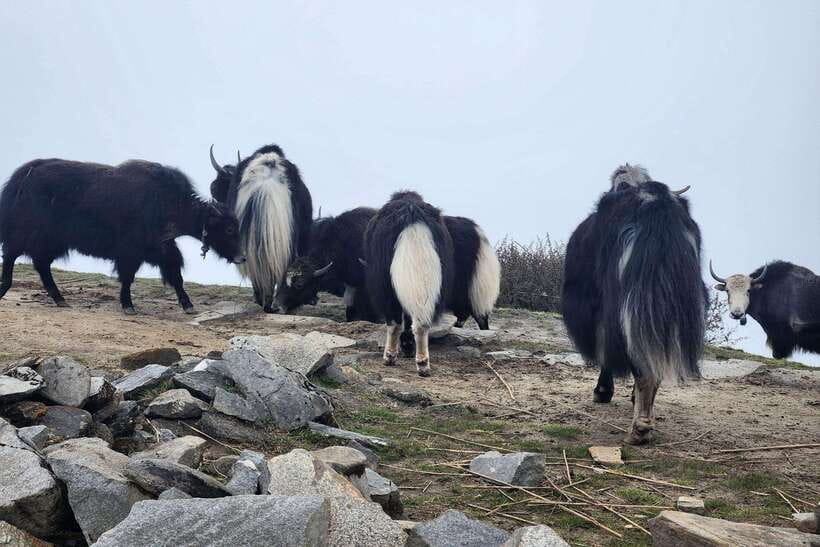
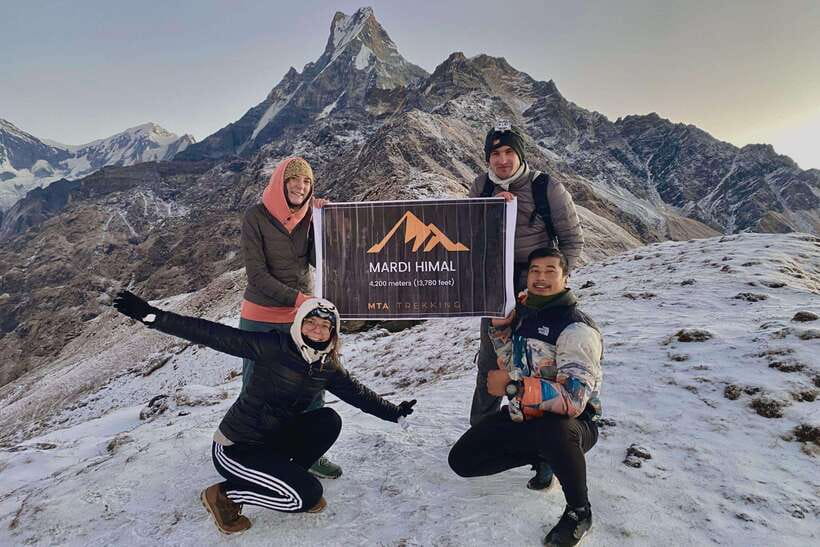
- A sunrise mission to the Mardi Himal viewpoint around 4,200–4,300m with the Annapurna range and Machhapuchhre in view
- Forest-to-alpine transitions in just 4 days, including dense jungle sections and greener, higher trails
- Village culture on the way up, with warm hospitality from Gurung and Magar communities
- A real fork in the road on Day 3: viewpoint only, or (when conditions allow) continuing toward Mardi Himal Base Camp around 4,500m
- Tea house trekking that stays comfortable, with cozy stays at Forest Camp and High Camp
- Private-group support, with an English-speaking guide (often supported by staff/porters) and pickup/drop-off in Pokhara
Getting started in Pokhara and easing into the trek
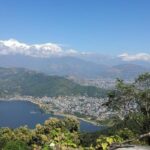
Pokhara is your base camp for this whole adventure. The day begins with pickup from multiple Pokhara-area locations, then a drive to Kande—about 1.5 hours—where the trek clock officially starts.
The drive matters more than you might think. It gets you out of the lakeside bustle, helps you settle your legs, and puts you right into the first mix of hills, fields, and mountain scenery. You’ll also get the first chance to spot how quickly the weather can change in the Annapurna region, so it’s smart to keep your layers ready from the car to the trail.
You can also read our reviews of more hiking tours in Pokhara
Day 1: Kande to Forest Camp (2,600m) through terraces and dense green
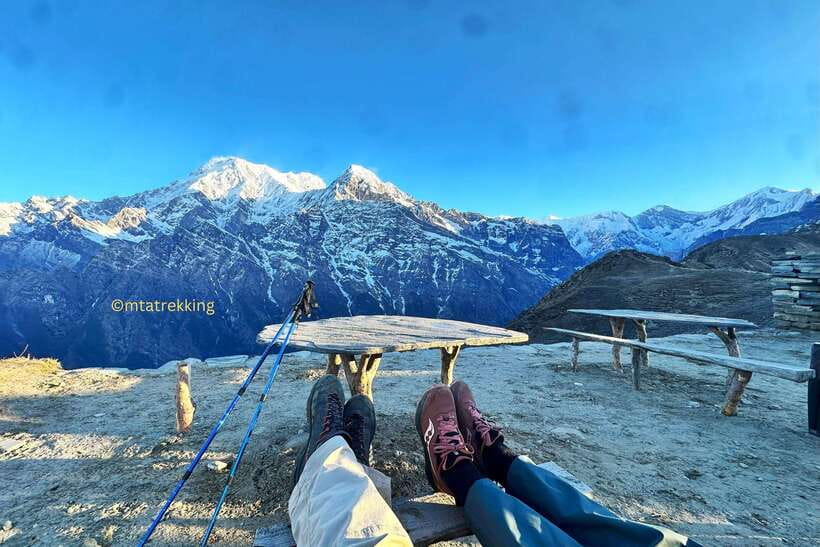
Day 1 is about getting altitude steadily without frying your energy. After the drive from Pokhara to Kande, there’s a midday stop at a tea house, then roughly 5 hours of trekking up to Forest Camp at about 2,600m.
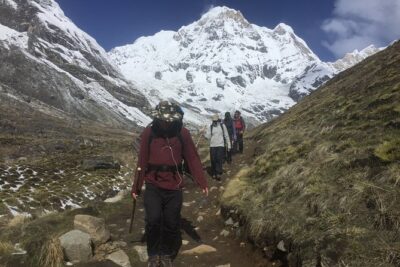
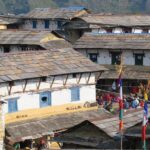
This is where you really feel the theme of Mardi Himal: not just one type of scenery, but a progression. You’ll pass terraced fields, hillside villages, and stretches of lush forest. The Seti River shows up as part of the landscape rhythm, and if you’re lucky you’ll notice wildlife activity—birds and butterflies are common along trails like this, and the area can also host Himalayan thar.
One practical tip: start slow and drink consistently even if you feel fine. At this altitude you can still overestimate how much effort you have left for the higher days.
Day 2: Forest Camp to High Camp (around 3,550–4,000m) and the jungle feel
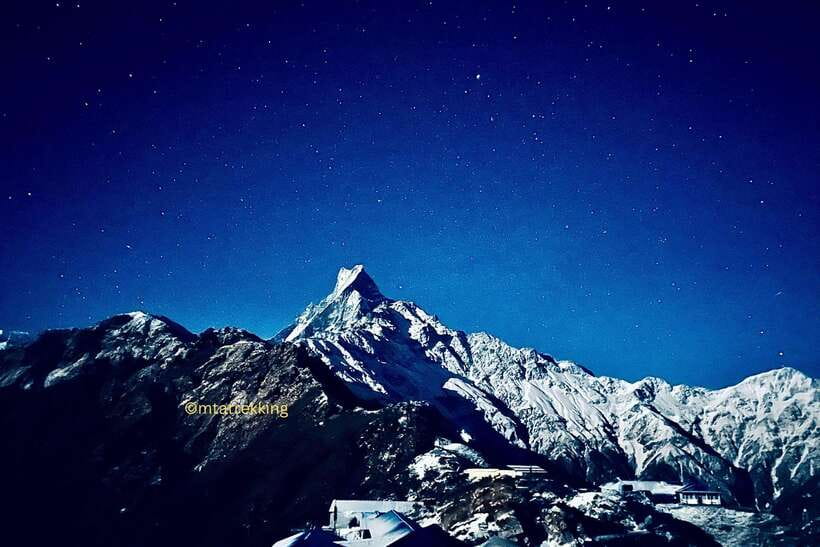
On Day 2 you gain more altitude and trade open views for thicker greenery. Expect about 5 hours trekking from Forest Camp up toward High Camp at around 3,550m (the trek descriptions also reference High Camp around 4,000m, so think of it as the upper-camp zone rather than one exact number).
This is the day for dense jungle walking. It can feel like a different world: more shade, cooler air, and fewer wide-open angles—until you pause and catch a glimpse of peaks between the trees.
Wildlife spotting tends to happen more in these forest stretches. You might see birds move through the canopy or catch the flutter of butterflies around tea house stops. And as some guides and trekkers note, the trail can have insects or leeches in wetter forest sections, so long socks and decent repellent habits are worth it.
The tea house night at High Camp is part comfort, part logistics. Some places may have limited shower options and inconsistent network coverage at higher camps. That’s normal here—plan for it so you’re not disappointed when you can’t scroll in the evening.
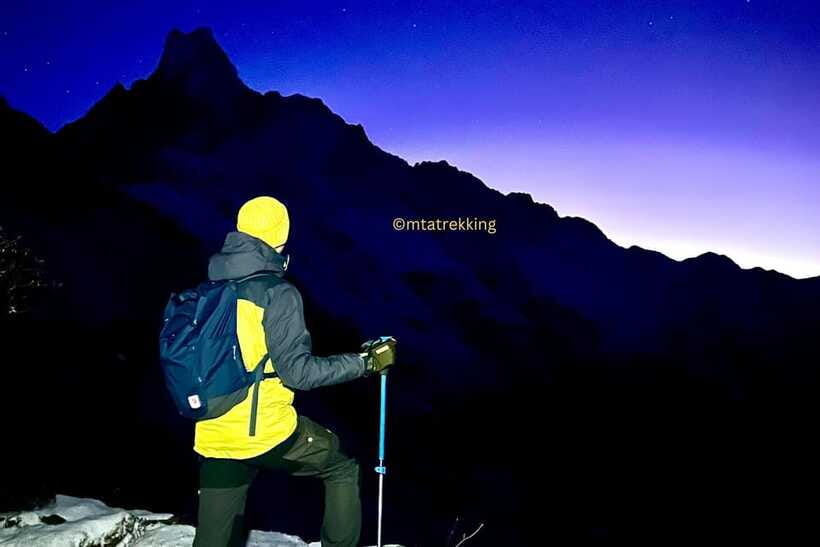
Day 3: The 4:00am sunrise push to the viewpoint (about 4,200–4,300m)
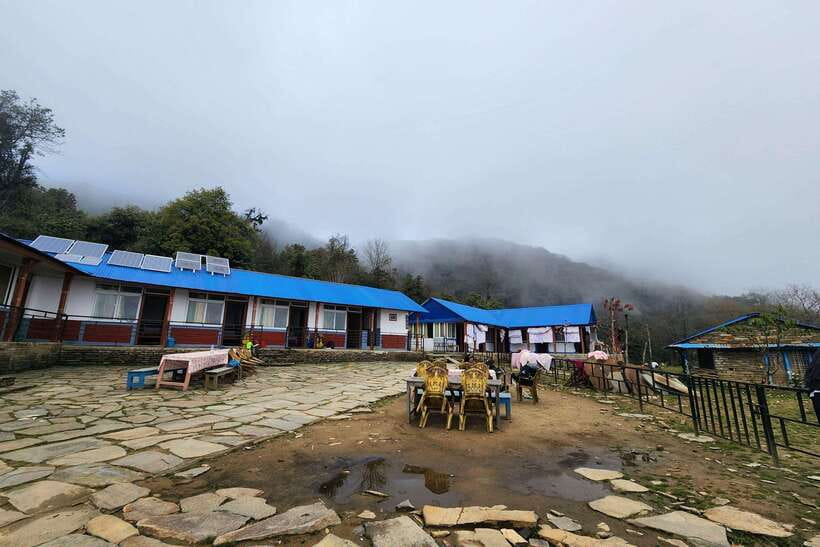
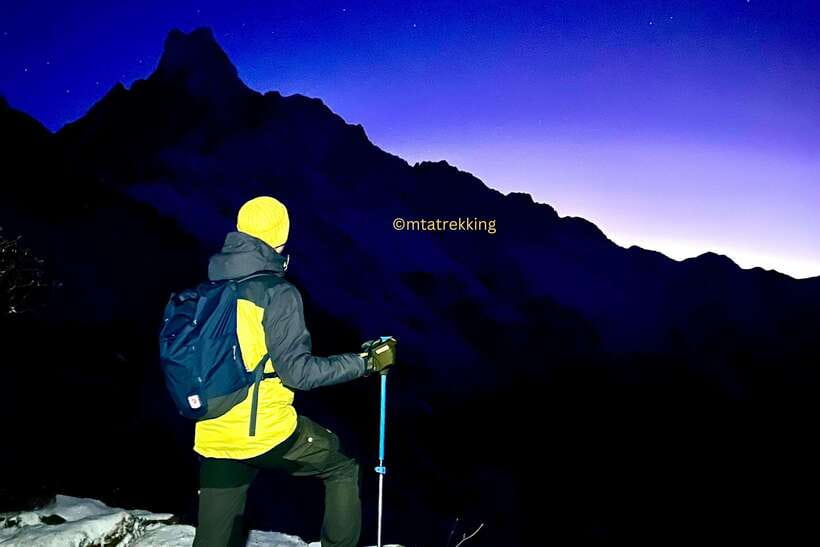
Day 3 is the payoff day. You’ll wake up early—around 4:00am—for a short hike of about 1.5 to 2 hours to the sunrise viewpoint near 4,200m (some descriptions put the hike target closer to about 4,300m).
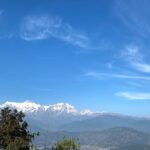
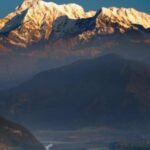
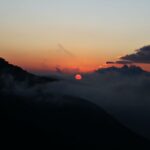
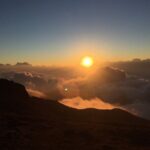
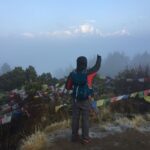
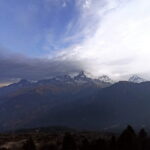
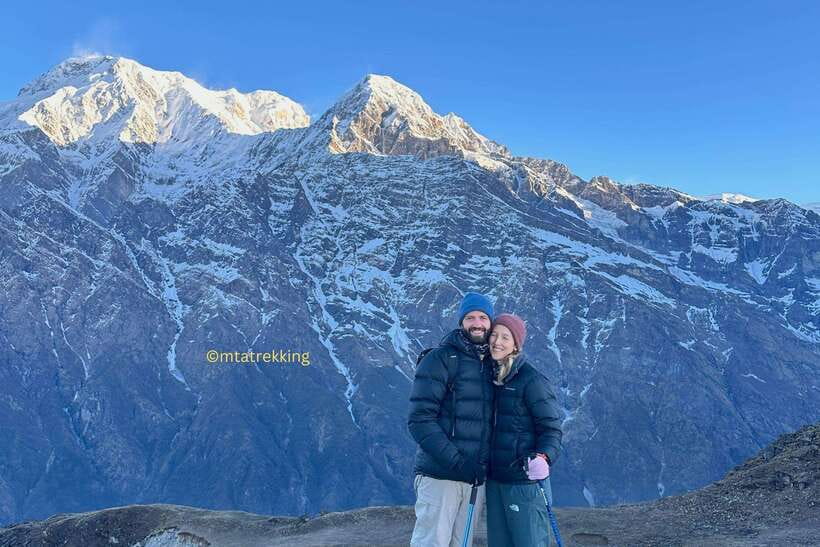
When the clouds cooperate, you’re looking for Machhapuchhre (Fishtail), the Annapurna range, and Mardi Himal in one broad scene. Even when visibility isn’t perfect, the effort still pays off in the form of changing light, shifting cloud layers, and that feeling of being above the fog line.
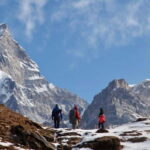
The optional choice is what makes this trek flexible. If weather and conditions allow, your guide may encourage you to continue toward Mardi Himal Base Camp around 4,500m. In winter months (January and February), heavy snow can make the higher section steeper and slipperier, and crampons may be advised. The key point: you don’t force this. A good guide will make the call based on safety, not pride.
After sunrise, the plan is to descend back toward Forest Camp for overnight. The descent keeps the mountains in your peripheral vision—Machhapuchhre often stays in view as you drop, like a guardian mountain keeping you company while your legs cool down.
Day 4: Forest Camp down to Kalimati (1,800m) and back by jeep
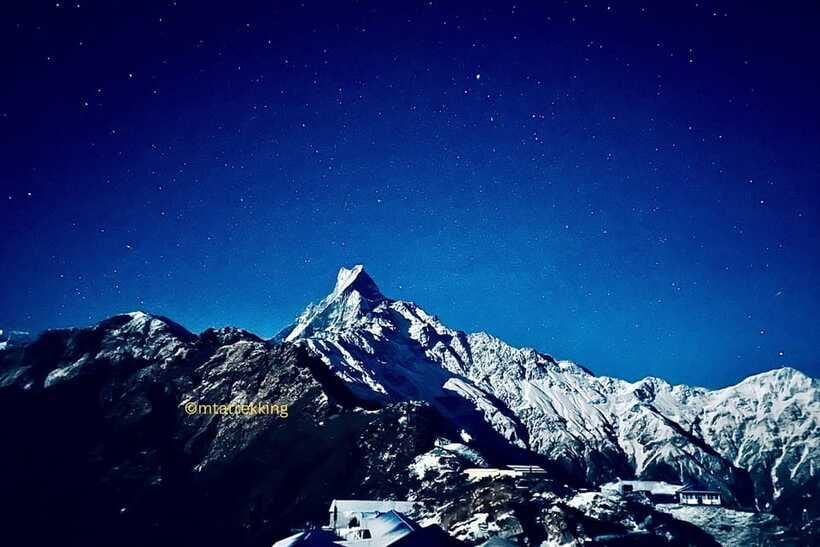
Day 4 is the home stretch. You start with breakfast at Low Camp (the lower camp area on the route), then descend toward Kalimati around 1,800m.
This final trekking day tends to feel more relaxed than the climb days, mostly because the air is warmer and the trail is more forgiving. You’ll walk through forest pathways, past small bridges, and around gentle waterfall sections. Birds show up again, and the soundscape shifts from high-altitude wind to living forest.
Then the logistics wrap up quickly. From Kalimati, you board a jeep back to Pokhara for about 1.5 to 2 hours, and you can finally swap trekking pace for a lakeside meal.
You can also read our reviews of more tours and experiences in Pokhara
Why this trek feels meaningful: views, fewer crowds, and real community stops
Mardi Himal works because it hits the sweet spot. It’s not a technical climb, and you’re not spending a week at altitude. But you still get the mountain moment—sunrise at the viewpoint, plus the chance to go higher if conditions are right.
I also like the way the route threads community life into the physical effort. Guides talk about Gurung and Magar hospitality along the way, and the tea houses you stop at become part of the experience instead of a checkpoint. One of the most repeated comforts in trekkers’ stories is simple food and warm drinks—ginger, lemon, honey tea, and chai served in those calm spaces between climbs.
And if you care about seeing Nepal beyond a viewpoint, this route delivers. You pass through terraced farms and village paths where daily work is visible, and it adds context to why people live and farm in these mountains.
Finally, this trek tends to feel less crowded than some of the more famous Annapurna routes. You still get a real sense of being in the trekking world, but you’re less likely to share every ridge with tour buses full of people.
Price and value: what $139 usually buys, and what you should budget
The headline price is about $139 per person for 4 days. At this level, what matters is what’s actually included versus what you’ll pay separately.
You should expect value in these areas:
- Guide and permits: a licensed, English-speaking guide plus TIMS and trekking permits/paperwork handled for you
- Transportation: pickup and drop-off in Pokhara, plus transport during the trek
- Trekking gear support: trekking poles and a sleeping bag are provided
- Tea house accommodation: included for standard package options, with private accommodation during the trek (solo travelers may have room sharing in peak times)
Where costs can shift:
- Meals: meals (breakfast/lunch/dinner) are only included in the Full Package. The Standard Package may not cover meals, so you’ll want to check what’s covered before you assume every meal is included.
- Soft drinks and alcohol: not included.
- Water and personal supplies: personal expenses like toiletries, phone calls, laundry, and boiled water are on you.
- Porter costs: porters are listed at $20 per day. If you want less carrying stress, factor this in early.
My take: for a short Annapurna trek with permits, transportation, and a guide lined up, this price can be a fair deal. But you’ll get the best value if you choose the right package (especially around meals) and plan extra cash for tea house extras.
Packing and pace: what to bring for 2,600m to 4,200m
Even when a trek is called moderate, your body still has to work. Mardi Himal includes long stair sections, and the climb to High Camp and then to the viewpoint can feel like nonstop steps.
Bring the basics seriously:
- Warm clothing for early mornings and windy ridges
- Sunglasses and sun hat
- Sunscreen
- A flashlight (high camps can have limited evening light)
Gear strategy helps too. Since trekking poles and a sleeping bag are provided, you can travel lighter than you would on a fully DIY trek. Still, consider personal hygiene expectations. A few trekkers have advised bringing a sleeping bag liner or extra comfort items because hygiene standards in higher tea houses can be basic.
For pace, let your guide decide the rhythm. Good guides keep you moving comfortably, check how you’re feeling often, and adjust progress when altitude or fatigue hits. Some guides (like Kaji, Prabit, or Shishir) are praised for doing exactly that—keeping safety and comfort ahead of speed.
Seasons and safety reality checks
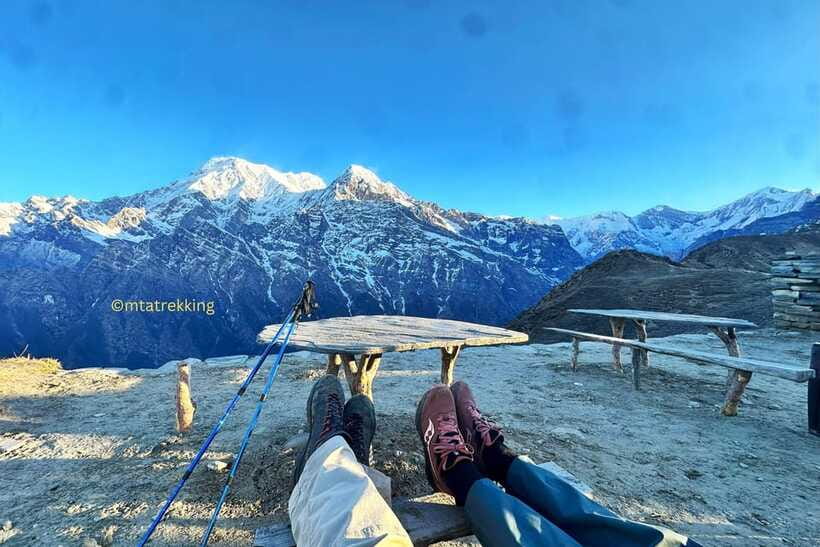
Timing matters a lot on this trek. The most stable weather and best mountain visibility are typically spring (March to May) and autumn (September to November).
Winter and monsoon are a different story. Winter can mean heavy snow and icy, slippery higher trails above the viewpoint, and the trek beyond the viewpoint may lack solid safety infrastructure. Monsoon can bring steep, slick sections that feel more intense than the elevation suggests.
Altitude-wise, your highest planned area is the viewpoint around 4,200m, with an optional base camp around 4,500m. This makes it a trek that deserves respect even if it’s considered doable for beginners. If you’re prone to altitude sickness, this isn’t the right gamble. And if you’ve had altitude issues before, tell your guide early so they can plan a safer pace.
Who should do Mardi Himal, and who should skip it
This trek is a strong fit if:
- You’re active and want a real mountain experience in 4 days
- You enjoy forest walking and village routes as much as viewpoints
- You want a guide-led trek with permits and logistics managed
- You’re okay with early mornings and long stair days
It may be a poor fit if:
- You’re pregnant
- You have altitude sickness or a known medical risk related to high elevation
- You’re over 70 years old
Also, be honest about fitness. The route is described as moderate and suitable for all levels, including beginners seeking adventure, but that doesn’t mean it’s easy. Expect a good challenge and plan for the stairs.
Should you book this Mardi Himal trek with MTA Trekking?
If you want a well-run Annapurna trek with a good shot at the sunrise viewpoint, I think this is worth considering. The biggest strengths are practical: permits and permits paperwork handled, reliable transport from Pokhara, tea house overnight support, and guides who focus on comfort and safety—names like Ramit, Lalit, Kaji, and Prabit show up repeatedly in positive experiences.
I’d book it if you can commit to pacing your day, carry layers for early mornings, and show up with enough fitness to handle stair-heavy hiking. If you’re hoping for the base camp extension, book with flexible expectations—your guide will decide based on weather, snow, and trail safety.
Don’t book it if you’re looking for a leisurely walk with no effort. This is still a trek. But if you can handle that, you’re in for one of the most satisfying “short trek, big mountain moment” experiences in Nepal.
FAQ
Where does the trek start, and how do I get to the trailhead?
The trek starts from Pokhara. You’ll have hotel pickup options in the Pokhara area, then a drive to Kande, which is the start point for the hiking.
How high do you go on this 4-day trek?
You’ll reach the Mardi Himal viewpoint at about 4,200 meters (around 13,779 ft). There’s also an optional continuation toward Mardi Himal Base Camp at about 4,500 meters.
Is this trek suitable for beginners?
It’s described as moderate and suitable for all levels, including beginners who want an adventure. That said, it includes long stair sections and requires a reasonable fitness level.
What’s included in the price?
Included items include hotel pickup and drop-off in Pokhara, a licensed English-speaking guide, trekking permits/TIMS fees, applicable taxes, tea house or accommodation for the Standard Package, and trekking gear such as trekking poles and a sleeping bag. Meals are included only in the Full Package.
Are meals included during the trek?
Meals (breakfast, lunch, and dinner) are included only in the Full Package. The Standard Package does not include meals.
Can I add the Mardi Himal Base Camp hike?
Yes, on Day 3 there’s an optional extension toward Mardi Himal Base Camp, depending on weather and trail conditions. In winter, heavy snow can make this harder and crampons may be needed.
What should I pack for the trek?
Bring warm clothing, sunglasses, a sun hat, sunscreen, and a flashlight.
When is the best time to do Mardi Himal?
Spring (March to May) and autumn (September to November) are the ideal times for more stable weather and better mountain views. Winter and monsoon conditions can make the higher sections steeper, slippery, and less safe.