REVIEW · POKHARA
From Pokhara: 4-Day Mardi Himal Base Camp Trek
Book on GetYourGuide →Operated by Snow Peak Tours and Travels pvt. ltd. · Bookable on GetYourGuide
Four days can feel like a lifetime.
This private Mardi Himal trek from Pokhara takes you through forests, up to High Camp, and then toward the mountain views that make people remember the Annapurna region for years. You hike at a steady rhythm, sleep in simple tea houses, and aim for sunrise views over the giants—weather and clouds decide how dramatic that morning looks.
I love two things most: first, the way the trek is run with a private English-speaking guide who can slow down or speed up for your pace (guides like Anil and Tanka stand out for this kind of care). Second, the day-to-day scenery shifts in a way that never gets boring—rhododendron and oak forests one day, high-alpine viewpoints the next.
One possible consideration: this route is physically demanding. Expect steep sections and lots of stairs, plus cold temperatures at altitude, especially if you’re traveling outside warmer months.
In This Review
- Key things you’ll notice on this trek
- Why Mardi Himal in Four Days Works From Pokhara
- The 4-Day Plan: Kande Forests, High Camp Views, Mardi Sunrise, and the Lumre Finish
- Day 1: Pokhara to Kande, then to Forest Camp (about 5–6 hours hiking)
- Day 2: Forest Camp to High Camp (about 6–7 hours uphill)
- Day 3: High Camp to Mardi Viewpoint, then down to Low Camp (morning hike, then a long descent)
- Day 4: Low Camp to Siding to Lumre, then back to Pokhara (about 4–5 hours downhill + short walk + drive)
- The Views: Machapuchhre, Annapurna South, and What Sunrise at ~4,200 m Actually Means
- Tea Houses, Meals, and Where Value Can Slip
- Private Guide Support: Why the Right Person Can Make a Big Difference
- Fitness, Altitude, and Weather: What You Should Actually Train For
- Price and Value: What $138 Really Buys (and what it does not)
- Who Should Book This Trek, and Who Should Rethink It
- Should You Book This Mardi Himal Base Camp Trek?
- FAQ
- FAQ
- How many days is the Mardi Himal Base Camp trek?
- Where does the trek start from and how do you get there?
- What are the main altitude milestones on the route?
- Is this trek private?
- Do I need permits, and are the permits included?
- Is accommodation included?
- Are meals included, or do I pay separately?
- Do I have an English-speaking guide, and what languages are supported?
- What should I bring, and is travel insurance required?
- What is the cancellation and payment flexibility?
Key things you’ll notice on this trek
- Private guiding that adjusts to your fitness (not a one-speed-for-everyone plan)
- Forest hiking with rhododendron and oak before you reach the higher camps
- High Camp views of Machapuchhre and Annapurna South at 3,580 m
- Sunrise focus at Mardi Viewpoint (~4,200 m), with an optional push to Base Camp (~4,500 m)
- A quieter finish through Low Camp, Siding, and Lumre instead of returning the same way
Why Mardi Himal in Four Days Works From Pokhara
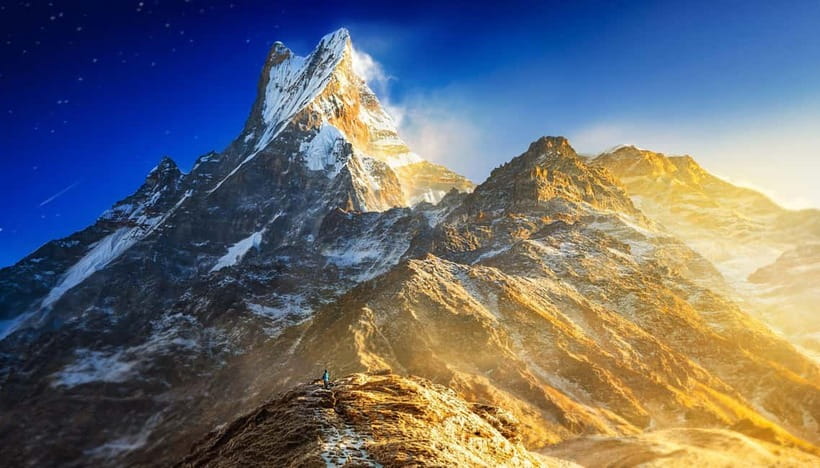
Mardi Himal is the kind of trek that feels made for limited time. Instead of spending a week shuffling between big checkpoints, you climb in four days and still get the payoff: high viewpoints, dramatic mountain silhouettes, and a trail that changes character as you gain altitude.
From Pokhara, you start with a short drive up to Kande, then begin hiking right away through forest trails. The route has a natural rhythm: you build altitude gradually on Day 1 and Day 2, then go high and focused on Day 3 for sunrise. After that, you head down and close the loop with village time instead of ending the trek in a grind.
This is also a value-minded option because so much is included up front. You’re not just buying a GPS track—you’re getting permits, guided support, and tea house lodging along the way, so you can focus on the hike.
You can also read our reviews of more hiking tours in Pokhara
The 4-Day Plan: Kande Forests, High Camp Views, Mardi Sunrise, and the Lumre Finish
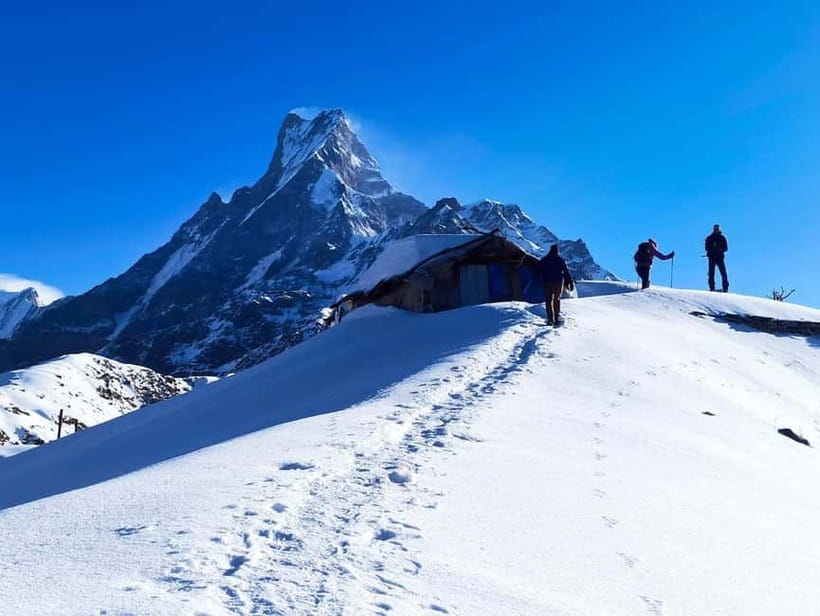
Here’s the flow of the trek and what each part is really like.
Day 1: Pokhara to Kande, then to Forest Camp (about 5–6 hours hiking)
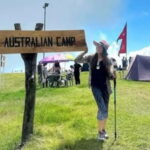
The day starts with a morning drive (about 1 hour) from Pokhara to Kande. After that, you trek through sections like Australian Camp and Pothana, with forest trails and mountain views appearing in breaks between trees.
Your first overnight is at Forest Camp (2,550 m). This is the best day for finding your pace. If you’re carrying a lot of nervous energy, this is also where your guide can help you settle in—short rests, steady steps, and a plan for how to handle the first real uphill push.
Why this day matters: you’re warming up your legs and altitude expectations before you climb into denser forests on Day 2.
Day 2: Forest Camp to High Camp (about 6–7 hours uphill)
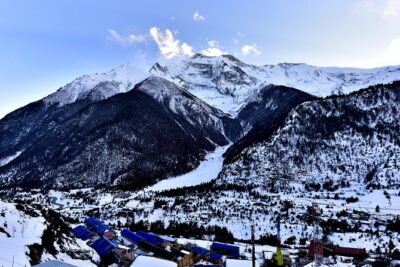
Today you earn your views. The hike climbs through dense rhododendron and oak forests, and it can feel like you’re moving through layers—first thick greenery, then gradually thinner air and more alpine feeling as you go higher.
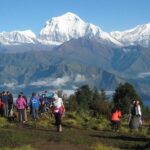
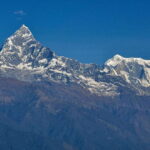
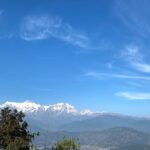
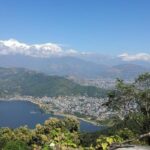
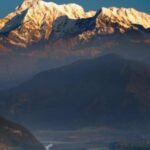
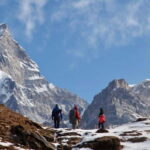
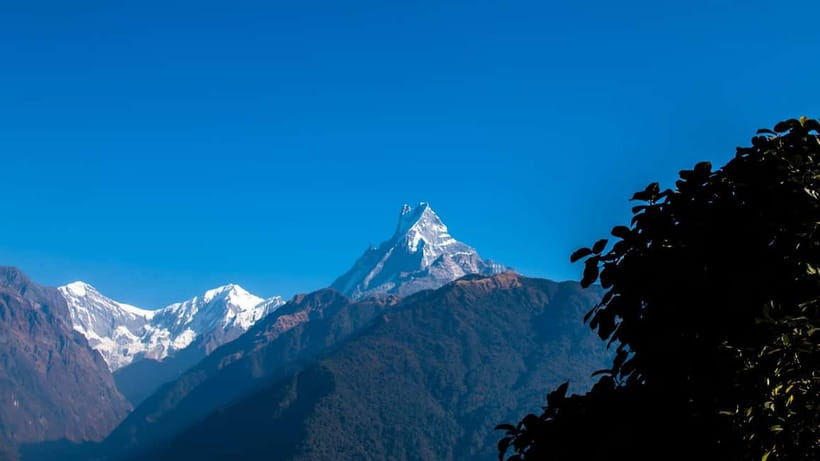
You reach Mardi Himal High Camp (3,580 m), where the views start to feel serious: Machapuchhre and Annapurna South are the big names you’ll be hunting for, and they show up when you’re high enough for the valley to open.
Overnight is at High Camp in a tea house. Expect the day to end with cold air and the kind of tired that makes you grateful for a hot drink.
Possible drawback: this is a long hiking day. If you’re not used to uphill, it helps to go into the day with your expectations set: slow beats fast on big climbs.
Day 3: High Camp to Mardi Viewpoint, then down to Low Camp (morning hike, then a long descent)
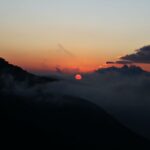
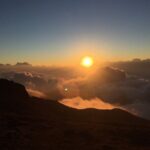
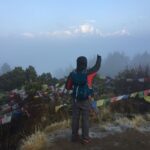
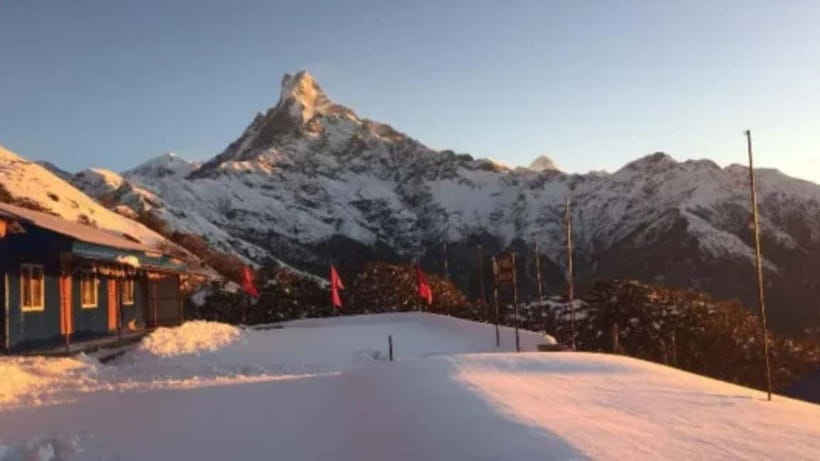
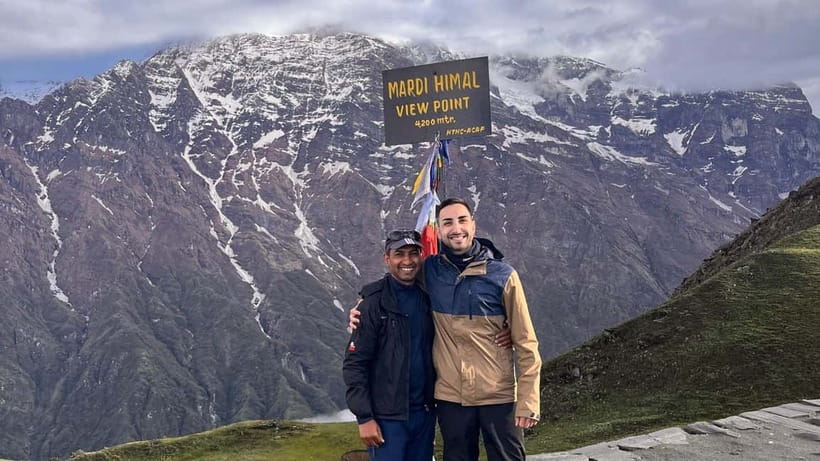
Day 3 is the sunrise-and-view day. You start early for a hike of about 3–4 hours to Mardi Himal Viewpoint (~4,200 m). From there, you get the sunrise over the Annapurna range when conditions cooperate.
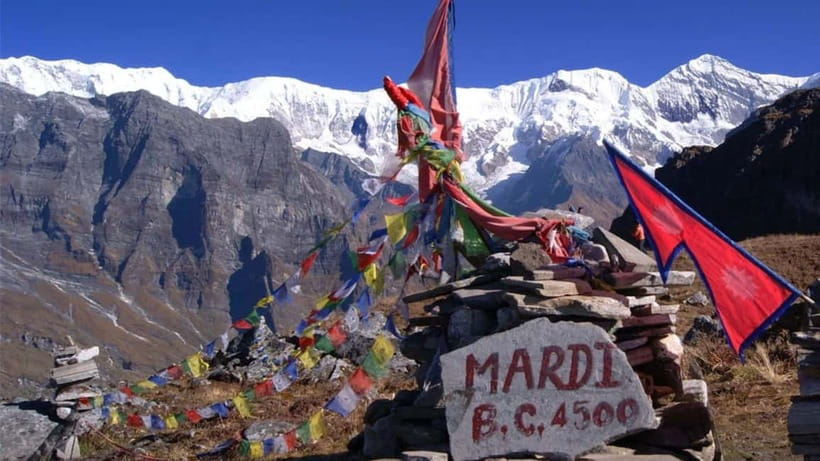
There’s also an optional continuation: if you’re fit and feeling good, you can push onward to Base Camp (~4,500 m). Not everyone needs that extra effort. Your guide’s job is to read your energy level and help you decide what’s smart.
After the morning focus, you descend to Low Camp (2,970 m) for an overnight stay. The descent takes about 3–4 hours, and it can be almost mentally harder than going up because your legs are working while your breathing slows.
Why this day matters: this is where Mardi Himal feels like a real summit trek, even though it’s only a 4-day itinerary.
You can also read our reviews of more tours and experiences in Pokhara
Day 4: Low Camp to Siding to Lumre, then back to Pokhara (about 4–5 hours downhill + short walk + drive)
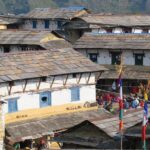
The final day is a downhill reset. You hike from Low Camp to Siding Village (about 4–5 hours), then take a short walk (about 1 hour) to Lumre.
After that, you’re driving back to Pokhara (about 1 hour). Finishing with village steps means the trek ends with a bit of human scale again: less altitude tension, more life around you.
Practical tip: keep your shoes and your socks dry enough to make the final descent comfortable. Day 4 is shorter on paper, but your feet will remind you what happened on Day 2 and Day 3.
The Views: Machapuchhre, Annapurna South, and What Sunrise at ~4,200 m Actually Means
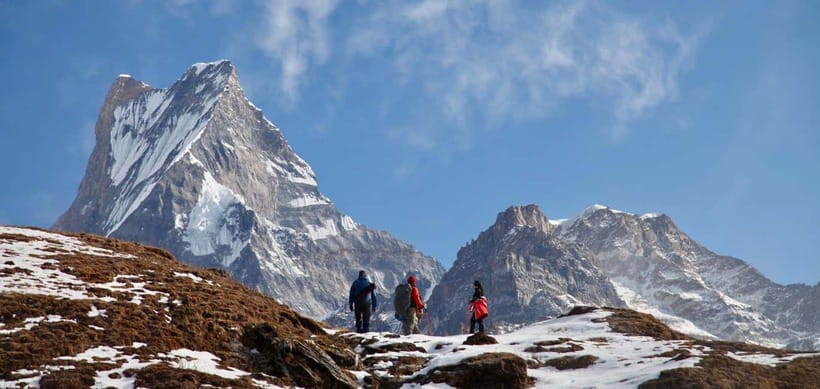
This trek is built around high-altitude sightlines, and you get two main view moments.
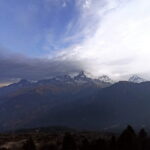
- At High Camp (3,580 m), you’re positioned for Machapuchhre and Annapurna South. This is a good day for photos because you’re high enough for the terrain to look layered, but not so high that it always turns into a frantic scramble.
- On Day 3 at Mardi Viewpoint (~4,200 m), you aim for sunrise. Sunrise on a mountain trek isn’t guaranteed—you’re dealing with clouds and weather. But even when sunrise is muted, the morning light and cold air make the hike feel purposeful. You’re walking toward a moment.
If you choose the optional extra to Base Camp (~4,500 m), you’re trading comfort for payoff. It’s worth considering if you feel strong at 4,200 m and you don’t want your trek to end with a question mark.
Tea Houses, Meals, and Where Value Can Slip
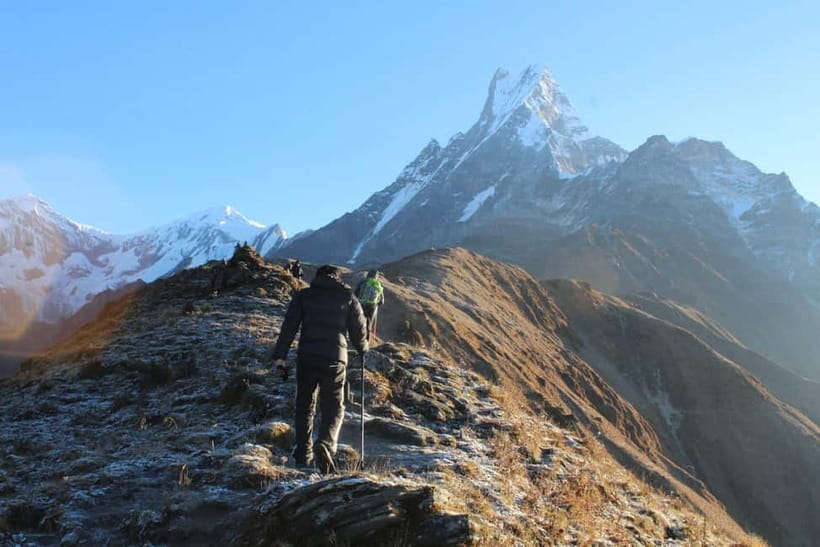
You’ll sleep in simple tea houses or lodges along the trail. The inclusion matters here: lodging is part of what you pay for, so you’re not making daily decisions about beds.
Meals are trickier because they’re included only if you select that option. With this trek, you’ll have breakfast, lunch, and dinner throughout the trek if you choose the meals-included plan.
Here’s my practical take: I’d be cautious with meal bundles. One solo traveler called out that the meals-included option felt overpriced and that you still end up ordering at tea houses like normal. If you’re picky about food, want specific drinks, or simply don’t want to feel locked into a fixed price, ordering directly often makes more sense.
What you should plan for either way: plan on extra cash for tea house snacks and hot drinks. Even if meals are included, personal extras are not.
Private Guide Support: Why the Right Person Can Make a Big Difference
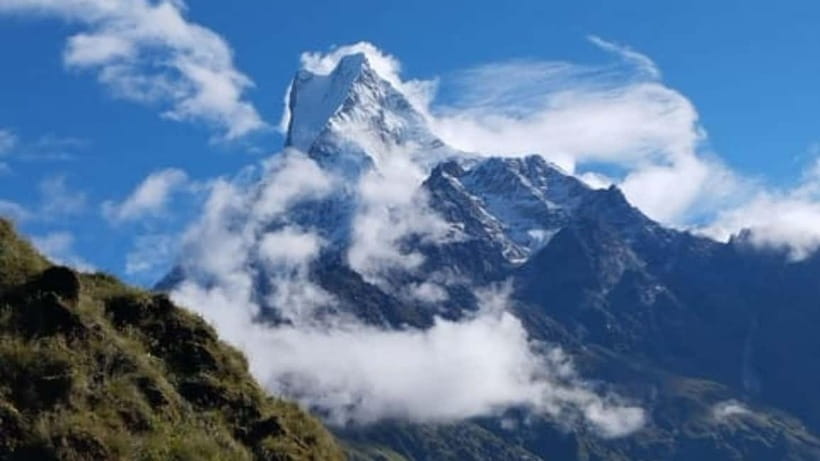
This trek is private, and that changes the experience. A guide can manage pacing, breaks, and decisions—especially around the steepest parts and the Day 3 climb.
In the feedback, guides like Anil, Tanka, Dhanapati, Santosh, and Bala show up again and again for being attentive and patient. One first-time trekker even mentioned being nervous due to low cardio and recovering from flu, and the guide adjusted the pace to match their well-being. Another highlighted that the guide was comfortable for a solo woman trekking, which matters if you want confident, calm support.
You also may hire a porter if the option is selected. That’s the difference between enjoying the trail and spending the day constantly thinking about weight. Even a small load can feel like a lot when you’re climbing for hours.
Other support details that help:
- You get a certified English-speaking trekking guide.
- You have a first aid kit included.
- Luggage storage in Pokhara is available, so you don’t haul extra bags up the mountain.
Fitness, Altitude, and Weather: What You Should Actually Train For
This is not a casual walk. Even with private guiding, you’re dealing with:
- Long hiking days (Day 1 and Day 2 are both in the multi-hour range)
- Steep sections and stair climbs, especially around higher viewpoints
- Cold temperatures at altitude, with the trek’s high points reaching around 4,200 m and optionally 4,500 m
The trek data is clear: travel insurance is mandatory for your safety. Emergency rescue services are available if needed, but your real protection is coverage that helps you respond fast.
Pack for temperature swings. Bring:
- Comfortable shoes and hiking shoes
- Layers for both warm and cold conditions
- A camera you can protect from wet weather
- Hand sanitizer or tissues
And don’t ignore the paperwork detail: you need to submit a copy of your passport at least a day before, so permits can be arranged.
Price and Value: What $138 Really Buys (and what it does not)
At $138 per person for a 4-day private trek, the value is mostly in what’s handled for you.
Included:
- Round-trip transportation between your hotel, Pokhara International Airport, and the trek start
- Trekking permits, necessary paperwork, and TIMS fees
- Tea house/lodge accommodation
- Meals if you select that option
- A professional English-speaking guide and all expenses for the guide (meals, accommodation, insurance, salary, equipment)
- Optional porter if selected
- Trekking gear (a trekking stick and a sleeping bag as needed)
- Luggage storage in Pokhara
- First aid kit
- Government and local taxes
Not included:
- Personal expenses
Transport is also highly rated in the provided details, with 95% of reviewers scoring it perfectly. That’s not the same as a view, but it matters when you’re trying to start early and keep the day on track.
Where value might not feel perfect:
- If you pick the meals-included option and don’t like the markup, you could feel like you paid twice. Keep your eye on what you’ll actually want to eat and drink.
Who Should Book This Trek, and Who Should Rethink It
This trek fits best if you want:
- A short trek with a real sense of altitude change
- A private guide who can help first-timers keep moving safely
- Forest-to-high-mountain scenery without committing to a longer multi-week schedule
- Sunrise views and big-mountain photo time, especially for Machapuchhre
You should rethink it if you:
- Know you struggle with steep uphill and stairs and don’t have the stamina to keep a safe pace even with guidance
- Are traveling with significant health limits and haven’t built a buffer for altitude and cold
That said, the feedback includes examples of people finishing successfully while nervous or not fully trained. The difference is pacing and support. You don’t need athletic perfection—you need a realistic plan.
Should You Book This Mardi Himal Base Camp Trek?
If you’re short on time but still want the Annapurna region to feel big and close, this is a strong choice. The private guide setup is the real differentiator, and the route’s structure—Forest Camp to High Camp to a sunrise-focused Day 3—sets you up for memorable views without dragging the trek out.
I’d book this if you:
- Want a managed pace and don’t want to figure everything out alone
- Like the idea of forests one day, high viewpoints the next
- Can handle cold mornings and steep steps
I’d think twice if you:
- Hate stair climbs or dislike uphill effort
- Are sensitive to cold and don’t plan to pack layers seriously
- Are tempted by meals-included pricing without checking whether that format matches how you actually eat
FAQ
FAQ
How many days is the Mardi Himal Base Camp trek?
This trek runs for 4 days.
Where does the trek start from and how do you get there?
You start from the Pokhara area. The trek includes pickup from hotels in the Pokhara Lakeside area, Sarangkot area, and Pokhara International Airport, and you drive to Kande at the start.
What are the main altitude milestones on the route?
You sleep at Forest Camp (2,550 m) and High Camp (3,580 m) and Low Camp (2,970 m). The sunrise hike goes to Mardi Viewpoint around 4,200 m, and there is an optional extra push to Mardi Himal Base Camp around 4,500 m.
Is this trek private?
Yes. It is a private group trek.
Do I need permits, and are the permits included?
Yes, trekking permits and paperwork are required, and the trek price includes the required permits, paperwork, and TIMS fees.
Is accommodation included?
Yes. You stay in simple tea houses or lodges along the route.
Are meals included, or do I pay separately?
Meals are included only if you select the option for breakfast, lunch, and dinner throughout the trek. Personal expenses are not included.
Do I have an English-speaking guide, and what languages are supported?
You get a professional trekking guide. The activity lists English, Hindi, and Nepali as the available languages.
What should I bring, and is travel insurance required?
Bring a passport or ID card, comfortable shoes, layers for cold and warm weather, a camera, cash, and travel insurance. Travel insurance is mandatory for your safety.
What is the cancellation and payment flexibility?
You can cancel up to 24 hours in advance for a full refund, and you can reserve now and pay later to keep your plans flexible.