REVIEW · POKHARA
3 Days Hiking from Pokhara-Dhampus-Sarangkot
Book on Viator →Operated by Himalayan Social Journey · Bookable on Viator
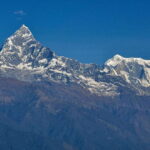
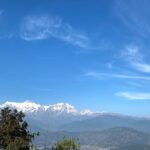
If you have limited time, this trek still delivers the wow. This 3-day Dhampus–Sarangkot walk keeps you on the hills above Pokhara, with big mountain views of Annapurna, Dhaulagiri, and Manaslu, plus a close look at local Gurung and nearby communities. You also get that classic hill-station feeling without a multi-week time sink.
What I like most is how this route mixes two viewpoint stops into one short trip—Dhampus and Sarangkot—so you’re not spending days just traveling between sights. The second win is the pacing and support: there’s an English-speaking guide, private transport to the trail start, and tea-house/lodge stays with breakfast, which makes the whole thing feel manageable instead of stressful.
One consideration: it’s weather-dependent. Since the best views and sunrise/sunset moments depend on clear skies, you’ll want to be flexible with dates and have some mental backup plans if the weather turns.
In This Review
- Key points that matter before you go
- Getting your bearings: where this trek fits in Pokhara time
- The real value of Dhampus and Sarangkot in only 3 days
- Day 1: Phedi to Australian Camp and that first taste of the hills
- Day 2: Australian Camp to Sarangkot—5 to 6 hours built for big views
- Day 3: Sarangkot back to Pokhara with optional paragliding
- The guide and group size: the difference between a trek and a headache
- Price and value: is $200 fair for 3 days?
- What to pack for a short Himalayan hill trek
- Who this trek suits best
- Should you book this 3-day Dhampus–Sarangkot trek?
- FAQ
- What is the price of the 3 Days Hiking from Pokhara–Dhampus–Sarangkot trek?
- How long is the trek?
- Are pickup and transportation included?
- What’s the meeting time?
- How many people are in the group?
- What type of accommodation is included?
- What meals are included?
- Is paragliding included?
- What if the weather is poor?
- Is there a cancellation window?
Key points that matter before you go
- Short but scenic itinerary: Phedi-to-Australian Camp, then Australian Camp to Sarangkot, then Sarangkot back to Pokhara.
- Viewpoints with payoff: Sarangkot is built for sunrise and sunset, with mountain panoramas in clear conditions.
- Small group feel: capped at 16 travelers for a more personal experience.
- Comfort included for trekking days: tea-house or lodge accommodation plus breakfast (2).
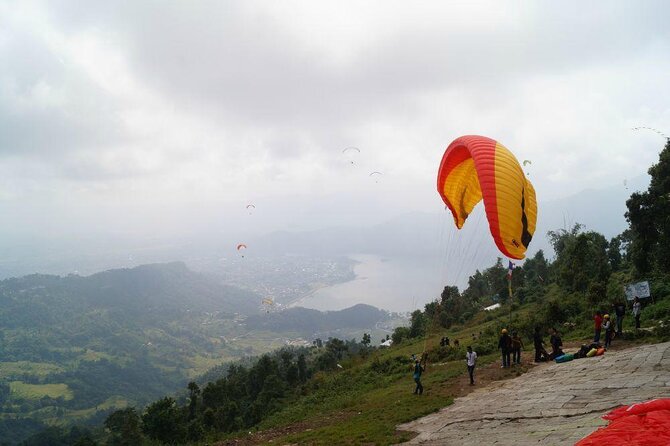
- Optional add-on at Sarangkot: paragliding is available if you want extra adrenaline.
Getting your bearings: where this trek fits in Pokhara time
This trek is designed for people who want mountain views and village atmosphere without committing to a long Himalayan hike. You’ll start in the Pokhara area and head up toward lower Annapurna regions, staying on mild, approachable terrain for a short duration. Think of it as a “great views, not too many days” plan—ideal if your Nepal days are tight or you’d rather spend energy hiking than organizing.
The overall rhythm is simple. You’ll take private transport from your Pokhara hotel to the trailhead, walk between viewpoints at a relaxed but steady pace, and sleep in tea houses/lodges. Then you finish with a short descent back to Pokhara.
You can also read our reviews of more hiking tours in Pokhara
The real value of Dhampus and Sarangkot in only 3 days
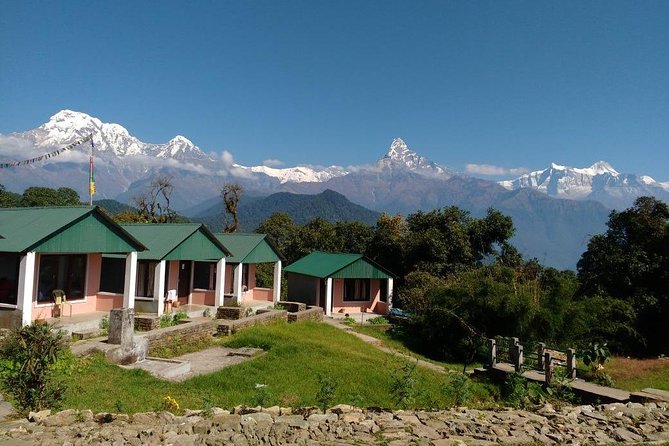
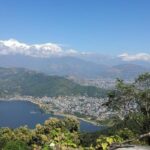
Dhampus and Sarangkot are famous for a reason: they give you that elevated, panoramic perspective over the Himalayas. In your case, you’ll be working with multiple “camera angles” in a short time. One day you’re focused on Dhampus-area views from higher village trails, and the next you’re positioned at Sarangkot, where sunrise and sunset are the headline act.
What’s especially good for practical planning is that the trek is built around viewpoints, not just mileage. You’re not guessing where the best views will happen—you’re walking toward them. That matters when you have limited time and want the route to feel purposeful.
Also, you get a more human side of Nepal here. The area is associated with Gurung and other local ethnic communities, and short treks like this often include plenty of chances to observe daily life along the trail—where tea stops, village homes, and guesthouses sit right next to the path.
Day 1: Phedi to Australian Camp and that first taste of the hills
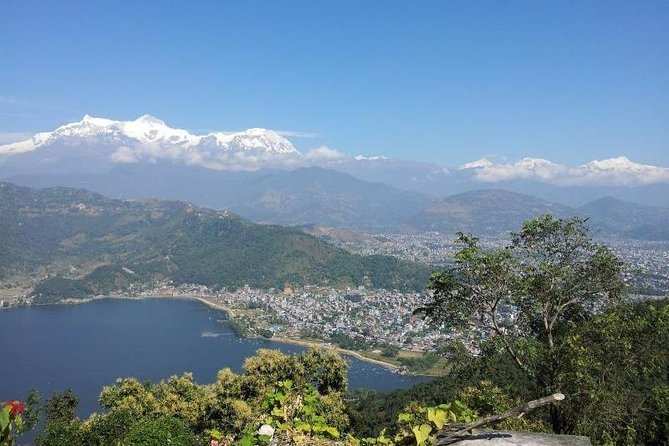
Day 1 starts with a morning push out of Pokhara. You’ll ride by private vehicle from your hotel to Phedi (listed as about 30 minutes). That’s a big deal for value: you don’t burn time negotiating buses or figuring out transport, and you get on the trail early enough to feel like day one is “real trekking,” not just travel day.
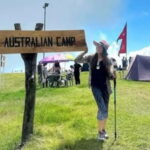
From Phedi, you’ll hike to Australian Camp. The name might sound like a marketing theme, but what you’re really after is altitude gain and atmosphere. This first day sets the tone. Expect walking that gradually puts you into the hills—enough uphill to feel like you earned it, not so much that the whole trip turns into a misery marathon.
This is also where your guide’s role starts to pay off. One guest highlight described a guide who cared about pace and explained nature and animals along the way. Even on a short trek, having someone point things out makes the walk feel longer in the best way: you stop treating it like a chore and start noticing.
Tip that helps: wear shoes you already trust. Day 1 is where foot blisters like to show up, and you don’t want to spend Day 2 thinking about your socks.
Day 2: Australian Camp to Sarangkot—5 to 6 hours built for big views
The second day is your main hiking day, walking about 5–6 hours from Australian Camp to Sarangkot. That’s the stretch where you’ll feel the cumulative effort of two days on foot. The upside is that you’re moving toward one of the best viewpoints in the Pokhara area.
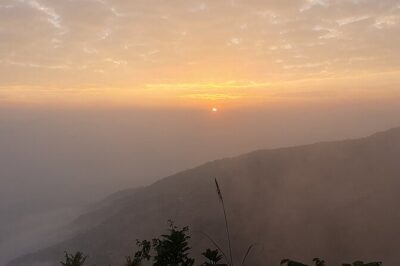
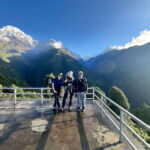
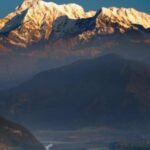
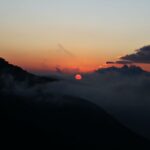
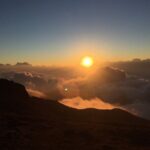
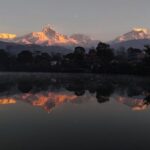
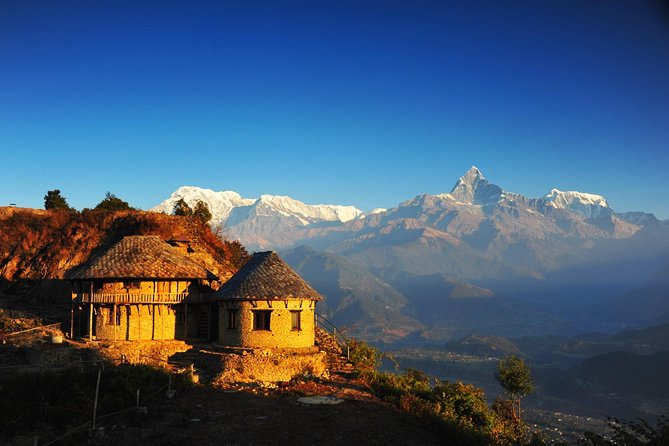
Sarangkot is where the trek’s “headline moment” happens. This is the place known for sunrise, sunset, and sweeping mountain views. If your schedule allows, you’ll want to plan for early viewing time here, because good sunrise conditions depend heavily on cloud cover and clear skies.
What I like about Sarangkot for planning is that it’s not a vague idea of views. It’s a specific place with a clear purpose—stand, look, and let the Himalayas do their thing. One of the best review signals here: people described sunrise and the mountains seen from an observation deck as truly amazing.
You’ll sleep in a tea-house/lodge on this trekking day. One guest also noted practical comforts: food at the accommodation was the same as in the lowlands, and there were no issues with Wi-Fi or electricity. That’s not a guarantee everywhere, but it’s a helpful expectation for what “comfortable enough” can look like on a short trek.
Tip that helps: pack a light layer for mornings at Sarangkot. Even if the day feels mild, the early viewing times can feel cooler.
Day 3: Sarangkot back to Pokhara with optional paragliding
On the last day, you start with early morning breakfast at your accommodation and then walk back from Sarangkot to Pokhara, listed as about 2 hours. This is a nice way to end the trek: you get one last viewpoint morning, but you don’t face a long grind on departure day.
The walk back is short, so it’s more about finishing strong than suffering. You’ll also likely arrive with that “legs are tired, eyes are full” feeling that makes short treks worth it.
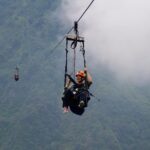
Optional paragliding is offered at Sarangkot. The trek itself doesn’t force it—think of it as a fun, add-on moment if you want a high-speed change of pace. If you’re prone to motion sickness or you’re traveling on a tight schedule, it’s smart to treat it as optional and not something you must fit in.
Tip that helps: keep your daypack light. Day 3 is shorter, but you still want your hands free for cameras, water, and any layers you ditch after sunrise viewing.
You can also read our reviews of more tours and experiences in Pokhara
The guide and group size: the difference between a trek and a headache
This experience is run by Himalayan Social Journey, and the trek includes an English-speaking guide. In one of the highlights, a guest specifically thanked Mr. Ganesh Devkota for an amazing experience, mentioning his trekking experience plus his sharing of culture-related stories.
That’s the sweet spot for a short trek. When a guide explains what you’re seeing—plants, animals, local life—you get more meaning out of a small amount of walking time. And for a trek capped at a maximum of 16 travelers, you’re less likely to feel like you’re stuck in a big group shuffle.
If you’re the type who likes structure (start times, stops, reliable coordination), this setup usually feels reassuring. Private transport to the trail start and a planned back-to-Pokhara finish mean fewer moving parts for you.
Price and value: is $200 fair for 3 days?
At $200 per person for a 3-day trek, the big question is what you’re paying for beyond the walking. Here’s where the value shows up:
- Private transportation to the trailhead and back takes the stress out of the Pokhara leg.
- Accommodation in tea houses/lodges is included for trekking days.
- You get breakfast (2), which matters because trekking days can make meal decisions annoying.
- There’s an English-speaking guide and all fees/taxes.
What you don’t get is lunch and dinner, plus paragliding if you choose it. That’s normal for trekking packages, but it’s worth planning a little budget for meals on the go. Still, because lodging and breakfast are included, you’re not paying full meal-and-stay rates separately.
If your alternative is trying to stitch together transport, lodging, and a guide on your own, a structured short trek at this price can feel like good money—especially when the itinerary is built around viewpoint moments like Dhampus and Sarangkot.
What to pack for a short Himalayan hill trek
You don’t need a huge kit, but you do need practical gear for early mornings and repeated walking hours. Since you’ll be on foot for stretches of about 5–6 hours on Day 2, comfort matters.
Here’s a smart baseline checklist:
- Comfortable hiking shoes (already broken in)
- A warm layer for early Sarangkot viewing times
- Rain protection (because weather is a real factor for views)
- Sunscreen and water (views make you forget you’re thirsty)
- A small daypack to keep your essentials handy
If you’re bringing electronics, you might be relieved to know at least one guest reported no problems with Wi-Fi or electricity at their accommodation. Still, don’t rely on it as guaranteed in every guesthouse.
Who this trek suits best
This is a great match if:
- you have limited time but still want major Himalayan viewpoints
- you prefer a short, guided plan over complicated logistics
- you like cultural interaction in rural communities, not just photo stops
- you want manageable hiking days with lodge tea-house comfort
It might be less ideal if you want a rugged “nothing-but-nature” experience without any support. The included structure is part of the charm here.
Should you book this 3-day Dhampus–Sarangkot trek?
I’d book it if you want a high-reward, low-commitment trek in the Pokhara region. The route is built around viewpoints that make time feel well spent, and the package handles key logistics like private transport and trekking-day lodging with breakfast. Add in the guide attention to pace and cultural storytelling (including praise for Mr. Ganesh Devkota), and you get the kind of short trek that doesn’t feel rushed.
I’d think twice if you’re traveling during a period when weather is often unreliable, because views and sunrise/sunset depend on clear skies. That said, the trek’s short duration is also a form of flexibility—you’re not locked into a huge multi-day plan if conditions aren’t cooperating.
If you want a practical, authentic Himalayan experience without burning your whole itinerary, this one fits.
FAQ
What is the price of the 3 Days Hiking from Pokhara–Dhampus–Sarangkot trek?
The price is $200.00 per person.
How long is the trek?
It lasts about 3 days.
Are pickup and transportation included?
Yes. Pickup is offered, and private transportation is included.
What’s the meeting time?
The listed start time is 6:45 am.
How many people are in the group?
The maximum group size is 16 travelers.
What type of accommodation is included?
You’ll stay in tea houses or lodges during the trekking days.
What meals are included?
Breakfast is included for 2 days. Lunch and dinner are not included.
Is paragliding included?
Paragliding is optional and not included in the price.
What if the weather is poor?
The experience requires good weather. If it’s canceled due to poor weather, you’ll be offered a different date or a full refund.
Is there a cancellation window?
You can cancel up to 24 hours in advance for a full refund. Cancellation less than 24 hours before start time is not refunded.