REVIEW · KATHMANDU
Kathmandu Top 4 or 2 UNESCO World Heritage Sites Day Tour
Book on Viator →Operated by Attractive Travels and Tours Pvt. Ltd. · Bookable on Viator
Kathmandu’s sacred sites, in one efficient day. This tour is built around hotel pickup and drop-off, so you waste less time wrangling transport, and more time seeing the real Kathmandu Valley UNESCO sites. I also like the mix of stops plus culture add-ons: Pashupatinath, Boudhanath, Swayambhunath, and Patan Durbar Square, then a visit to a thangka painting school and a singing bowl demonstration.
The day runs about 5 to 7 hours, which is just long enough to feel you got your bearings without turning it into a marathon. In particular, I like that the itinerary includes guided context at each site, and private touring means you can ask questions instead of shouting over other groups.
One thing to plan for: entrance fees are extra, and the tour time can feel tight if you want a long, slow hang at every temple. You’ll also deal with the stair climb at Swayambhunath, so comfortable shoes matter.
In This Review
- Key things to know before you go
- Entering Kathmandu Valley UNESCO Sites Without Getting Lost in Traffic
- Door Pickup, Private Group Vibe, and the Real Meaning of 5–7 Hours
- Stop 1: Pashupatinath Temple on the Bagmati River
- Stop 2: Boudhanath Stupa and the Tibetan Cultural Orbit
- Stop 3: Swayambhunath Monkey Temple and the Stair Climb
- Stop 4: Patan Durbar Square and Newari Architecture at Its Peak
- Thangka Painting School: Traditional Art You Can Actually See in Action
- Singing Bowl Demonstration Center: Healing Sounds With Explanations
- Price and Value: What Your USD 40 Covers (and What You Must Budget Extra)
- What the Tour Feels Like on the Ground (Based on Common Guide Style)
- Small But Important Logistics to Plan Around
- Who Should Book This Tour (and Who Might Want Something Else)
- Should You Book This Kathmandu UNESCO Day Tour?
- FAQ
- What UNESCO sites are included on this tour?
- How long is the Kathmandu UNESCO World Heritage day tour?
- Does the tour include hotel pickup and drop-off?
- What is included in the price besides transportation?
- Are entrance fees included for the UNESCO sites?
- Is food included?
Key things to know before you go
- Door-to-door pickup: Your driver meets you at your hotel for the easiest start possible.
- Top UNESCO hits: Pashupatinath, Boudhanath, Swayambhunath, and Patan Durbar Square in one outing.
- Craft time is real, not optional: You’ll visit a thangka painting school plus a singing bowl demonstration center.
- Private touring with flexibility: You can adjust the flow with your guide and ask questions.
- UNESCO entrance fees not included: Budget extra USD 20 for 4 sites (or USD 10 for 2).
- Bottled water included: A small thing, but it helps on a long day of walking and temple steps.
Entering Kathmandu Valley UNESCO Sites Without Getting Lost in Traffic
Kathmandu can be a little overwhelming at first. That’s mostly because the sights are spread out, and it’s hard to know what you’re looking at if you don’t have someone to translate the symbolism.
That’s where this tour earns its keep. You’re not just hopping between landmarks; you’re getting a guide who can explain what each place represents and how the different traditions fit together across the valley. For a first visit, it’s the fastest way to understand why people keep coming back.
Also, the pacing is designed for a day plan rather than a full-on expedition. At 5 to 7 hours, you get a solid sweep of the classics without needing to build your entire schedule around traffic and “what bus is that?”
You can also read our reviews of more historical tours in Kathmandu
Door Pickup, Private Group Vibe, and the Real Meaning of 5–7 Hours
This is a private tour, meaning it’s only your group. That matters because you’ll spend less time waiting around, and you won’t be boxed into the loud group rhythm that makes temple viewing feel like a checklist.
The tour includes transportation all day as per the itinerary, plus hotel pickup and drop-off. If you’re arriving in Kathmandu and want a clean first win, this is a smart move: you can focus on sights instead of sorting out logistics.
Timing is the trade-off. You’re visiting major sites in a limited window, so you might not linger as long as you would on your own. That said, the schedule includes stops long enough to explore, plus your guide can help you prioritize what’s most interesting to you.
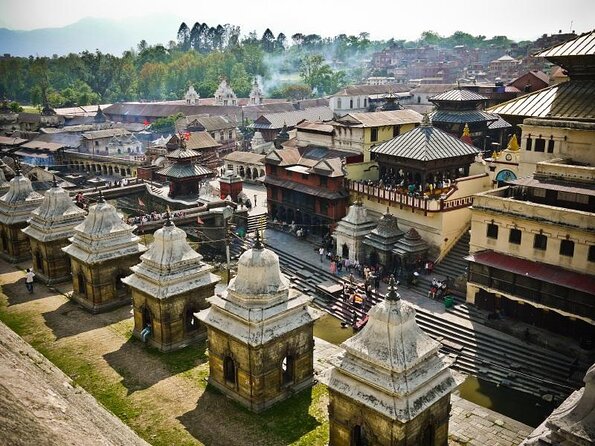
Stop 1: Pashupatinath Temple on the Bagmati River
Pashupatinath Temple is one of the biggest Hindu temples in Nepal devoted to Lord Shiva. It sits in the eastern part of Kathmandu Valley on the bank of the holy Bagmati River, so the setting feels tied to both devotion and daily life.
Expect to spend about 2 hours here. That’s enough time to walk around the temple area, absorb the scale, and understand what makes Pashupatinath so central for Hindu pilgrims.
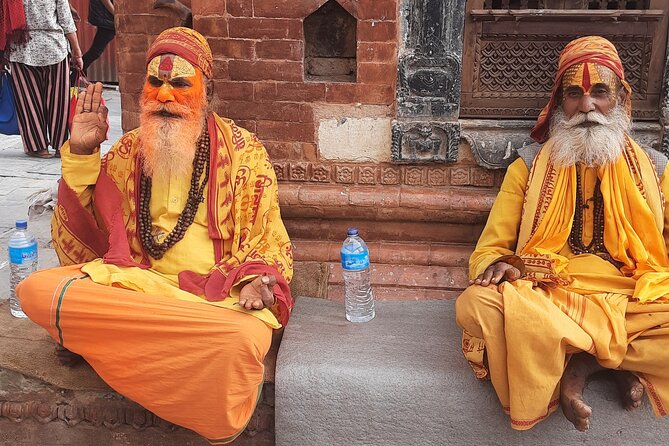
A key detail: this is also a place where you may witness cremation activity, since Pashupatinath is known for that ritual area. In fact, people often single out the cremation ceremony as a highlight because it shows the full intensity of the living tradition, not just sightseeing stonework.
Practical note: even if you’re only here for a short visit, dress and behavior matter in a sacred space. Plan for crowds and for the emotional weight of what you might see.
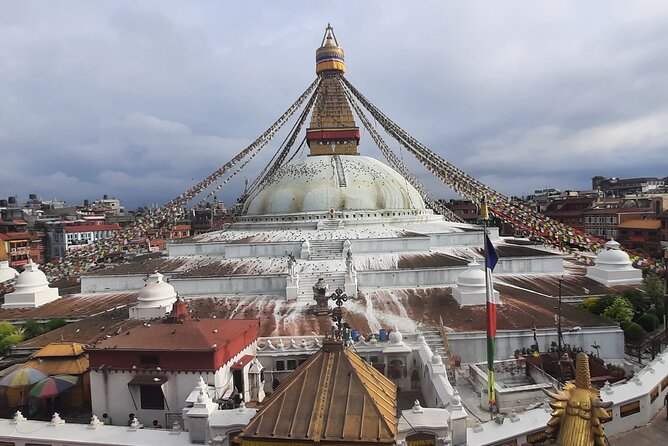
Stop 2: Boudhanath Stupa and the Tibetan Cultural Orbit
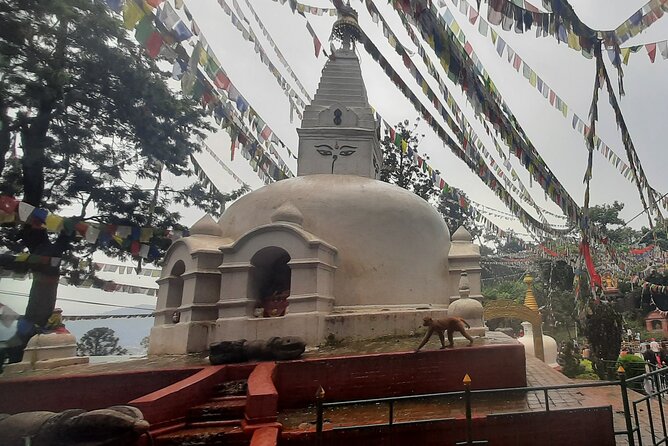
Next up is Boudhanath Stupa, where Tibetan culture influence is strong. You’ll find many monasteries around the main stupa, so the area has a different feel than the more strictly Hindu temple complex at Pashupatinath.
This stop runs about 1 hour, which is enough to orient yourself around the stupa and notice the monasteries in the surrounding lanes. Boudhanath is also a place where the “rituals in motion” concept becomes obvious: people come to pray, and the stupa is the center of that daily focus.
The value here is contrast. After Hindu symbolism at Pashupatinath, you get to see a Buddhist space with its own rhythm and visual language. It helps you understand Kathmandu Valley as a crossroads of traditions rather than one single style of worship.
Stop 3: Swayambhunath Monkey Temple and the Stair Climb
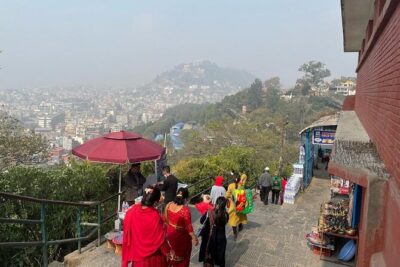
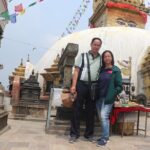
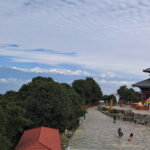
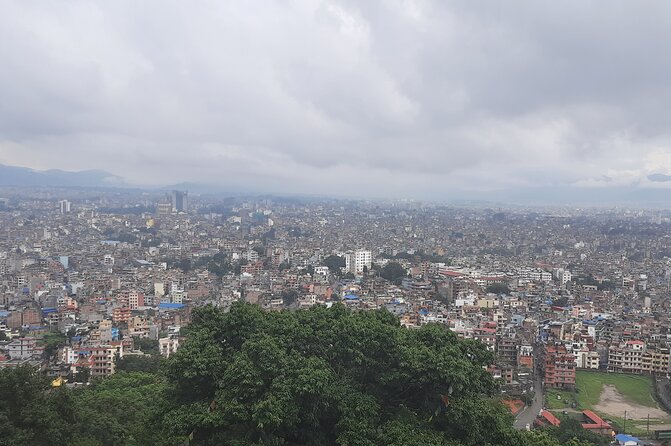
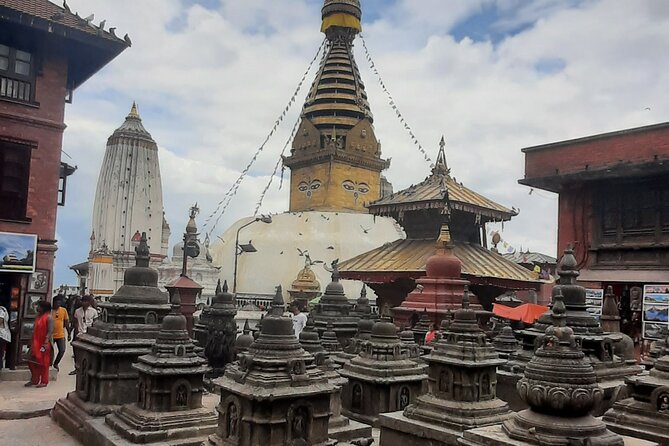
Swayambhunath, also called the Monkey Temple, sits on a hilltop and is known for its stupa and views. To reach it, you’ll climb a long set of stairs, and the climb itself becomes part of the experience.
Expect about 2 hours at this stop. That time helps because you’re not only going up and down; you also need enough minutes to explore the stupa area once you’re there.
The big practical consideration is physical comfort. If you’re not used to stairs or uneven temple ground, this stop may be the hardest one of the day. Comfortable shoes are a must, and pacing yourself helps.
Why it’s worth it: hilltop religious sites change your perspective. Even if you’ve been driving past city streets all day, Swayambhunath forces you to slow down and look outward.
Stop 4: Patan Durbar Square and Newari Architecture at Its Peak
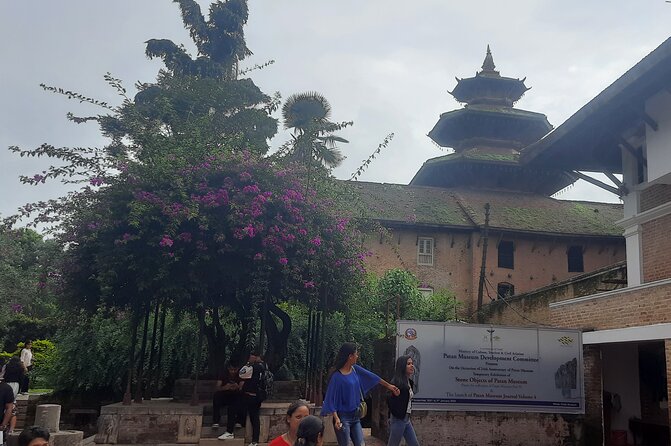
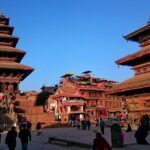
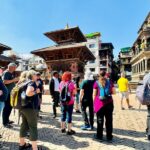
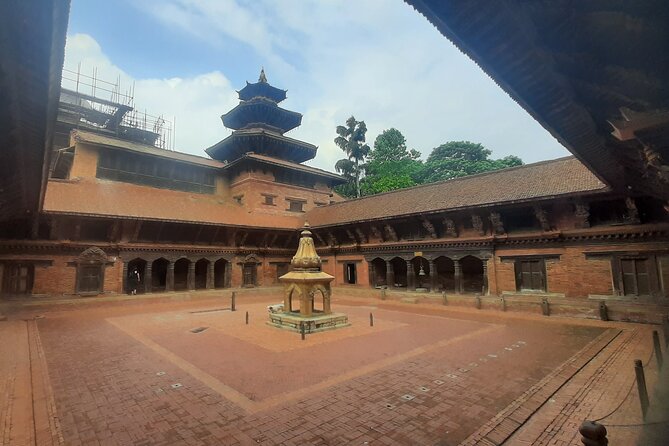
Then comes Patan Durbar Square, an area strongly associated with Newari architecture. It represents the crest of architectural achievement during the reign of Malla kings, who were major patrons of arts and architecture.
You’ll spend about 1 hour here. That’s short, but Patan is concentrated. In this stop, you’re looking at a palace-area layout and major temple structures that people often connect with the square, including the Golden Temple complex.
This is a great final stop because it’s more “urban and detailed” than the big riverside or hilltop settings. Patan feels like craftsmanship made visible: carvings, facades, and stonework that reward close looking.
If you’re the type who enjoys architecture and design, you’ll likely want to spend a few extra minutes lingering on details. The guide’s context helps you understand what you’re seeing instead of guessing.
Thangka Painting School: Traditional Art You Can Actually See in Action
One of the most valuable parts of this tour is the craft stop at a thangka painting school. This isn’t treated like a random souvenir shop stop. Instead, it’s presented as a chance to see a traditional art practice connected to religious meaning.
You’ll visit the thangka painting school, then you’ll shift gears to another form of spiritual practice with singing bowls. For me, the pairing works well: you get visual religious art first, then you get sound and ritual learning next.
Even if you’re not an art person, you’ll probably come away with a better sense of how faith can be expressed through materials, design, and repetition.
Also, private touring helps here. If you want to ask how the work is taught or what the designs represent, you can do that without feeling rushed.
Singing Bowl Demonstration Center: Healing Sounds With Explanations
After thangka time, you’ll visit a healing and singing bowl demonstration center. Expect a guided explanation of how singing bowls are used within spiritual and wellness contexts.
This is usually the part people find calming in the middle of a busy day of temples. The sensory shift from stones and streets to sound and explanation can make the whole tour feel more balanced.
Importantly, the tour is described as having exclusive behind-the-scenes access. That means you’re more likely to get real answers and not just watch from a distance. If you like learning the meaning behind practices, this section is a strong reason to choose this tour.
Price and Value: What Your USD 40 Covers (and What You Must Budget Extra)
The price is USD 40 per person, and for what you’re getting, it’s fairly good value—especially if you’d otherwise pay separately for a guide, transport, and entry to multiple sites.
Your package includes:
- All transportation as per the itinerary
- A professional guide
- Visit to the thangka painting school
- Visit to the healing and singing bowl demonstration center
- Bottled water (one bottle per person)
Not included:
- Foods
- Tips for your guide and driver
- UNESCO World Heritage entrance fees: USD 20 per person for 4 sites, or USD 10 per person if only 2 sites
So, if you’re doing the full set of four UNESCO stops, your day cost is really closer to USD 60 total per person once entrance fees are added. That’s still reasonable for a guided, multi-site itinerary, especially with door-to-door transport and craft access included.
My practical advice: don’t treat the USD 40 as the full budget. Add the UNESCO entrance fee early so you don’t get surprised halfway through the day.
What the Tour Feels Like on the Ground (Based on Common Guide Style)
Guides on this tour are often praised for being calm and structured while explaining context clearly. In recent experiences, people have named guides such as Prakash Aryal (and referred to as Prakash), and mentioned the driver Niroj by name.
What that means for you: you should expect the tour to move smoothly, with time allocated for questions and for walking inside each site. People also describe the day as well-paced and informative, which usually comes down to good time management—important when you’re stacking multiple UNESCO locations in one outing.
If your interests lean toward religion, history, or architecture, you’ll likely appreciate the guide’s ability to tailor the flow. Since it’s private, you can steer the day toward what matters most to you.
Small But Important Logistics to Plan Around
Here are a few things that can make or break a day like this, and they’re worth thinking about before you go.
Wear shoes that can handle temple surfaces and stairs. Swayambhunath’s climb is part of the deal, not an optional add-on.
Bring patience for sacred sites. Even with a guide and transport, these places are active religious spaces. That means more foot traffic, more rules, and sometimes emotionally intense sights—especially at Pashupatinath where cremation activity may be visible.
And budget for meals. Food isn’t included, so plan to eat before or after the tour. If you’re sensitive to meal timing, consider bringing a simple snack or planning a nearby meal stop around your return.
Who Should Book This Tour (and Who Might Want Something Else)
This tour fits best if you:
- Have limited time in Kathmandu and want the top UNESCO sites in one day
- Want a guided explanation rather than wandering and guessing
- Care about cultural practices beyond temples, especially thangka art and singing bowls
- Prefer private touring with an opportunity to ask questions
You might choose a different style of tour if you need:
- A super slow pace at each site
- Fewer stairs or easier walking overall (Swayambhunath can be demanding)
- A day centered on only one or two locations for deeper time
Still, even for many repeat visitors, this kind of sweep can be great for polishing understanding—especially when a guide points out details you would otherwise miss.
Should You Book This Kathmandu UNESCO Day Tour?
I’d recommend booking it if you want an efficient, structured way to get the core Kathmandu Valley UNESCO picture without getting tangled in transport. The value isn’t just the four major stops; it’s the combination of guided context plus the craft experiences at the thangka painting school and the singing bowl demonstration center.
But do your homework on budget and expectations. Add the UNESCO entrance fees to your plan, expect a few walking stretches and stairs, and treat the day as a high-impact introduction rather than a slow, open-ended wander.
If you’re trying to choose between DIY chaos and a guided path, this tour is the calmer option. You get a clear route, a guide to translate the meaning, and a couple of cultural stops that make Kathmandu Valley feel more complete than the usual temple-only route.
FAQ
What UNESCO sites are included on this tour?
The tour includes Pashupatinath Temple, Boudhanath Stupa, Swayambhunath, and Patan Durbar Square.
How long is the Kathmandu UNESCO World Heritage day tour?
The duration is about 5 to 7 hours.
Does the tour include hotel pickup and drop-off?
Yes. Pickup is offered and you’ll have hotel pickup and drop-off.
What is included in the price besides transportation?
Your tour includes a professional guide, bottled water, a visit to a thangka painting school, and a healing and singing bowl demonstration center.
Are entrance fees included for the UNESCO sites?
No. Entrance fees are not included. The UNESCO World Heritage entrance fee is listed as USD 20 per person for 4 sites, or USD 10 per person if only 2 sites are visited.
Is food included?
No. Foods are not included, and tips for your guide and driver are also not included.