REVIEW · KATHMANDU
Bhaktapur Sightseeing & Dhulikhel, Namo Buddha, Panauti Tour
Book on Viator →Operated by Shepherd Holidays · Bookable on Viator
Three valleys, three faiths, one smooth day. What makes this tour feel special is the way it strings together Bhaktapur Durbar Square (a UNESCO Newari city) with mountain-backing viewpoints in Dhulikhel, then slows down at Namobuddha for a more spiritual, quiet stop. I like how the pacing is practical—long enough in the big sights, shorter in the scenic towns—so you don’t feel rushed. I also like the human side: a careful driver and an attentive guide, especially when weather turns. The one drawback to plan around is cost creep from entry fees, plus the route depends on good weather (rain can make outdoor walking less fun).
This is the kind of day trip that works well if you want a taste of Kathmandu Valley without stacking multiple separate tours. You get hotel pickup, private transport, and a mobile ticket, and you’ll be moving as a group rather than hunting for buses.
One more thing: you’ll pass the impressive Shiva statue in Sanga on the way back, and you can usually stop for a photo if you want. Just remember that the biggest paid ticket is Bhaktapur Durbar Square, so check your budget before you go.
In This Review
- Key highlights at a glance
- A simple route that makes Kathmandu Valley easier
- Bhaktapur Durbar Square: where Newari architecture takes the lead
- Dhulikhel: short stop, big promise of the Himalayas
- Namobuddha: a peaceful pilgrimage stop with mountain views
- Panauti: temples, woodwork, and three-river spirituality
- Sanga’s Kailashnath Mahadev Shiva statue: the photo stop on the way back
- Price and logistics: is $75 a fair deal?
- Who should book this tour (and who might want a different plan)
- Practical tips to make the day smoother
- Should you book the Bhaktapur–Dhulikhel–Namobuddha–Panauti tour?
- FAQ
- Is pickup from my hotel included?
- How long is the tour?
- What entry fees are not included?
- What’s included in the price besides transport?
- Is the tour private or shared?
- Do I need to bring tickets or is there a mobile ticket?
- Is the tour dependent on weather?
- What should I budget for food during the day?
Key highlights at a glance
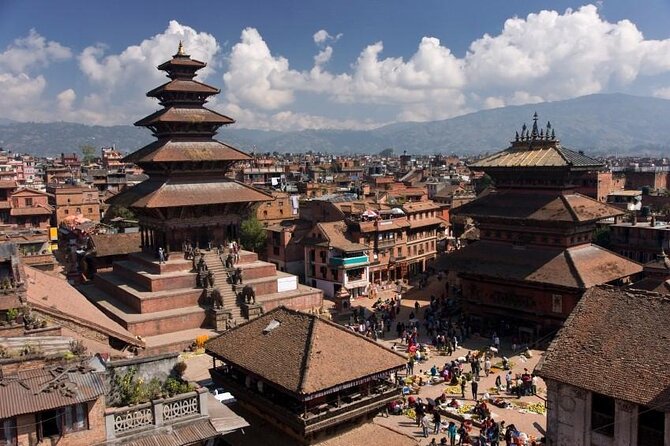
- UNESCO Bhaktapur Durbar Square time (about 3 hours) with classic Newari architecture details
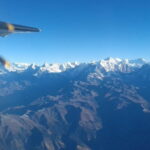
- Dhulikhel’s Himalayan panoramas with named views like Langtang, Ganesh Himal, and Gaurishankar
- Namobuddha’s calm pilgrimage setting (about 2 hours) with mountain views from slightly elevated ground
- Panauti’s old-town feel (about 1 hour) plus temples, woodwork, and a sacred river confluence
- A possible stop for the Kailashnath Mahadev Shiva statue in Sanga for a quick photo moment
A simple route that makes Kathmandu Valley easier
This tour is built for people who want variety—history, faith, and mountain air—without complicated logistics. You’re picked up from your hotel and kept in one continuous loop, with stops that balance walking time and viewing time.
The “private” part matters more than it sounds. It means your group doesn’t get stuck waiting on strangers, and your guide can adjust the rhythm a bit as crowds and weather change. On a rainy day, I appreciated the careful driving approach described with this tour, including using an electric car for parts of the day to keep city movement calmer and less stressful.
Also, you’ll likely want to pack for mixed conditions. Dhulikhel and Namobuddha are all about views, but clouds can flatten the scenery fast. The tour is designed with enough time to still enjoy the sites even when the sky is moody.
You can also read our reviews of more tours and experiences in Kathmandu.
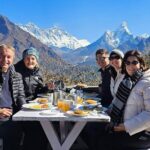
Bhaktapur Durbar Square: where Newari architecture takes the lead
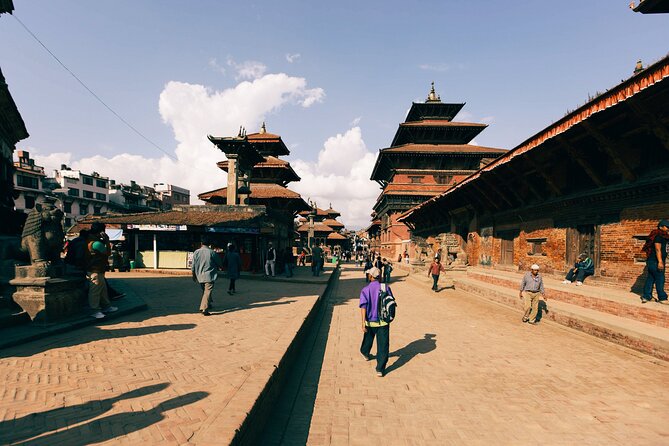
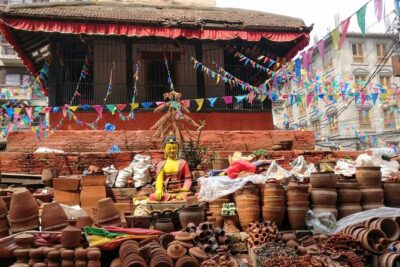
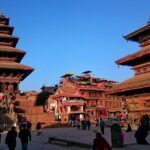
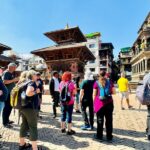
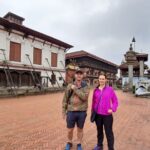
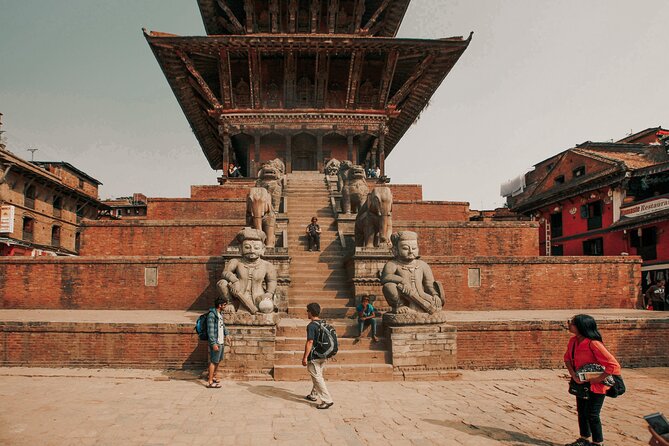
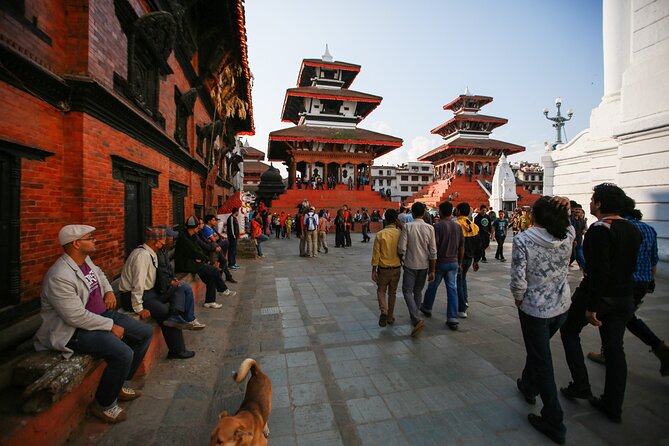
Bhaktapur Durbar Square is the centerpiece stop, and it’s earned its UNESCO label. You get about 3 hours here, which is enough to slow down and actually look. This isn’t just one monument; it’s a whole feel of the old city—courtyards, temples, and the way medieval Newari design shapes everyday space.
What I love about Bhaktapur is the texture. Details matter here: carved wood, brickwork, temple angles, and the sense that the city grew around religious and civic life. If you’re the kind of person who enjoys stepping into a place and thinking, how did people live in this layout?—Bhaktapur does that to you.
Two practical notes:
- Entry fee is extra. Bhaktapur Durbar Square costs NPR 1800 for foreigners (listed) and is about $15.00 per person in the tour pricing info. Plan for this so you’re not surprised at check-in.
- Wear shoes you trust. You’ll be moving around courtyards and uneven surfaces, and temple areas often mean stone steps and tight corners.
If you want the best photos, aim to arrive with a clear intention: one shot of the main square view, then a second round focused on carvings and temple facades. The square rewards that two-pass approach.
Dhulikhel: short stop, big promise of the Himalayas
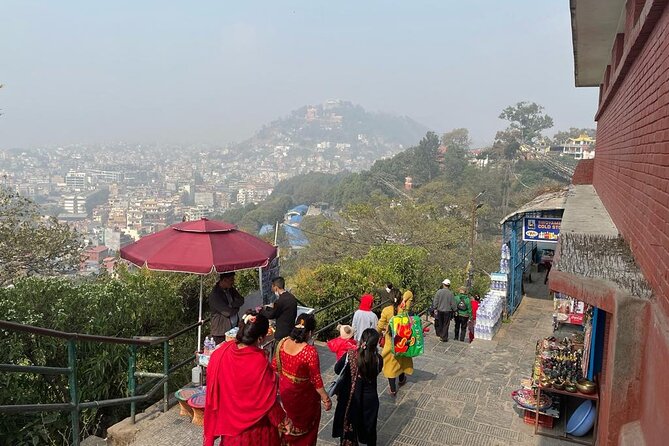
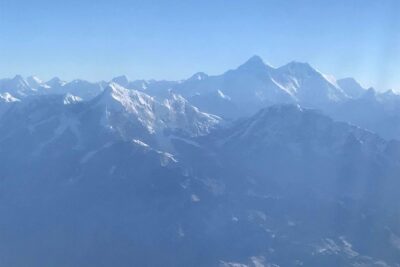
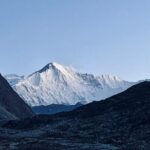
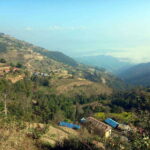
Dhulikhel is about 30 kilometers southeast of Kathmandu, and the pitch here is straightforward: panoramic mountain views. You get around 30 minutes, which is short, but that’s intentional. This stop is about grabbing the view and soaking in the air, not turning it into another long walking tour.
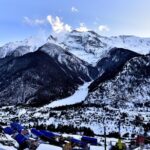
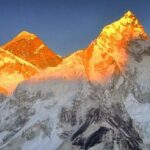
The views are named in the tour description for a reason. On a clear day you might catch Langtang, Ganesh Himal, and Gaurishankar in the broader sweep. When clouds roll in, you’ll still feel the hill-town atmosphere, but the peaks may be muted.
What’s worth doing in that half hour:
- Look for a viewpoint angle that gives you depth, not just a flat mountain wall.
- Keep an eye on the light—cloud gaps can create sudden clarity.
- Don’t burn time on perfect framing. With a timed route, you’ll thank yourself later.
This is also a good stop to reset your energy before the more contemplative pace at Namobuddha. Think of Dhulikhel as your “mountain inhale.”
Namobuddha: a peaceful pilgrimage stop with mountain views
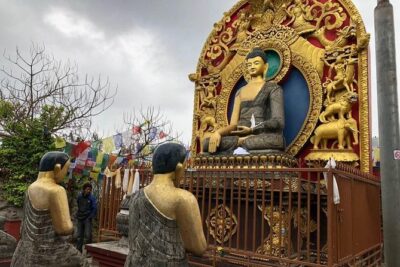
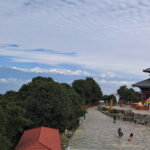
Namobuddha is a Buddhist pilgrimage site about 28 kilometers from Bhaktapur Durbar Square, and you get about 2 hours there. This is where the tour slows down and changes mood.
The setting helps. Namobuddha sits on slightly elevated land, so even when you’re not actively searching for photos, the scenery around you tends to open up. The tour description also highlights that it’s a place where legend meets tranquility—so it feels more meaningful than a quick photo stop.
I like this stop for three reasons:
- Time depth: two hours is enough to wander, pause, and absorb the quiet without feeling like you’re on a strict timer.
- The view is part of the experience: you’re there for faith, but the surrounding mountain backdrop makes it easier to calm your mind.
- Free entry: Namobuddha is listed as admission free, which helps keep the day’s total cost under control.
Practical tip: If you’re sensitive to temple-area rules, keep your clothing respectful and stay aware of where locals are moving. Even when entry is free, you’re entering a working sacred site.
Panauti: temples, woodwork, and three-river spirituality
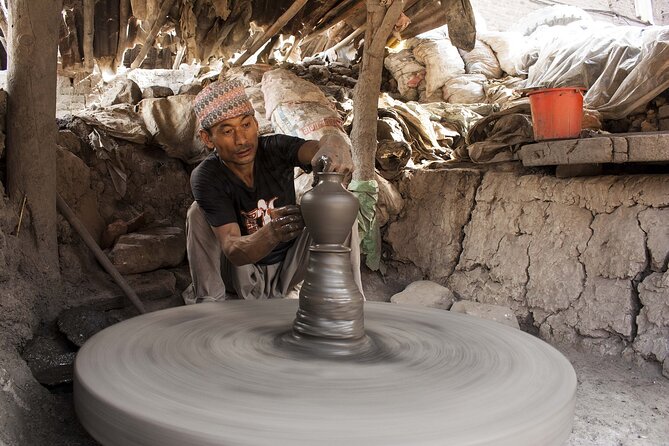
After Namobuddha comes Panauti, a historic town believed to be over 800 years old. You’ll have about 1 hour here, and it’s a concentrated dose of old-town Nepal.
Panauti’s appeal in the tour description is specific: ancient temples, intricate woodwork, and the confluence of three rivers that locals consider sacred. That “three rivers” idea is a great mental anchor because it connects the architecture to the landscape and to daily life.
What to watch for in your short time:
- Wood carvings and temple details. In an hour, focus on one lane of details rather than trying to see everything.
- River confluence areas when accessible. Even if you can’t linger long, it helps to understand why the town holds meaning.
One consideration: Panauti can get affected by rain because much of the charm is tied to walking through streets and viewing temple structures. On a rainy day, the driver approach is a big deal—you want slow, careful transport between stops so you can still enjoy the town when conditions change.
Panauti also has a small extra fee. The tour lists an entrance fee of $2.25 per person, so budget that too.

Sanga’s Kailashnath Mahadev Shiva statue: the photo stop on the way back
On the way back, you’ll pass the Shiva statue in Sanga, known as the Kailashnath Mahadev statue. The tour info says it’s the second tallest Shiva statue in the world and currently the fifth tallest Hindu deity statue, located in Sanga, Kavrepalanchok District, about 20 km from Kathmandu.
You don’t have to make this a big stop, and the description frames it as optional: you can stop for a closer look or grab a memorable photograph before returning to your hotel.
My advice: treat it as a bonus, not a mission. A quick photo moment is often the right balance so you don’t lose time in the day’s more meaningful stops like Bhaktapur or Namobuddha.
Price and logistics: is $75 a fair deal?
At $75.00 per person, this tour can feel like good value because several costs are wrapped in. It includes private transportation, and it also includes the salary of the guide and driver plus government taxes and back office fees.
Where the budget needs attention is admissions and meals:
- Bhaktapur Durbar Square entry: NPR 1800 for foreigners (listed) or $15.00 per person as shown in the price breakdown.
- Panauti entrance: $2.25 per person
- Food and drinks: not included
So your “real” total depends on what tickets you pay and whether you buy meals during the day. But even with entry fees, you’re usually paying for a guided route with pickup and private transport rather than piecing things together yourself.
When you compare to DIY, the advantage is time and sanity. Kathmandu Valley sites are spread out, and this itinerary keeps you moving with a planned order rather than negotiating rides from place to place.
Who should book this tour (and who might want a different plan)
This tour fits best if you want a balanced day:
- You want Bhaktapur’s UNESCO old-city atmosphere without spending multiple days on it.
- You want mountain views without signing up for a full trekking-style outing.
- You enjoy a mix of temples and sacred spaces, especially when a stop like Namobuddha offers a slower, calmer pace.
- You’d rather have a guide handle the route and timing.
It may not be ideal if you’re chasing only one thing—like nothing but Himalayan viewpoints—or if you hate paying separate entry fees for major sites. Also, because it depends on good weather, if you’re visiting during a very rainy stretch and you dislike plan changes, consider building flexibility into your schedule.
Practical tips to make the day smoother
A day like this works best when you pack smart and plan for short viewing windows.
- Bring a light layer. Mountain air can feel cooler in Dhulikhel and Namobuddha, even when Kathmandu is warm.
- Wear shoes you can move in comfortably on stone and uneven surfaces.
- Carry cash for smaller admissions (Bhaktapur and Panauti) since the big ticket is explicitly listed as not included.
- Have water on hand if you’re sensitive to long gaps between meals. Food isn’t included.
- Keep your phone ready for the optional stop at Kailashnath Mahadev in Sanga—just remember it’s a pass-by bonus, not guaranteed to become a long detour.
Also, if you’re a photo person, do yourself a favor: prioritize two stops for “serious photos” (Bhaktapur and one of Dhulikhel/Namobuddha). The shorter stops reward quick, focused shots.
Should you book the Bhaktapur–Dhulikhel–Namobuddha–Panauti tour?
If your goal is a one-day sampler that actually connects the dots between UNESCO Bhaktapur, Himalayan viewpoints, a Buddhist pilgrimage pause, and an ancient town by sacred rivers, I’d book it. The itinerary is timed in a way that makes sense: long enough for the big stop, short enough to keep momentum, and with a thoughtful calm stop in the middle.
If you’re price-sensitive, factor in Bhaktapur’s entry fee and a small Panauti entrance fee when deciding. If you’re weather-sensitive, remember the tour needs good weather and poor conditions can mean a different date or refund—so keep some scheduling slack.
In short: book it if you want an efficient, guided day that feels cultural and scenic, not just a car ride with random stops.
FAQ
Is pickup from my hotel included?
Yes. Pickup is offered, and the tour includes private transportation.
How long is the tour?
It runs about 5 to 8 hours total, with time planned at each stop (Bhaktapur about 3 hours, Dhulikhel about 30 minutes, Namobuddha about 2 hours, and Panauti about 1 hour).
What entry fees are not included?
Entry fees are not included for Bhaktapur Durbar Square (listed as NPR 1800 for foreigners, with $15.00 per person shown) and Panauti (listed as $2.25 per person). Namobuddha and Dhulikhel are listed as free.
What’s included in the price besides transport?
The included items are private transportation, the guide and driver salary, and government taxes and back office fees.
Is the tour private or shared?
It’s a private tour/activity. Only your group participates.
Do I need to bring tickets or is there a mobile ticket?
A mobile ticket is included.
Is the tour dependent on weather?
Yes. The experience requires good weather, and if it’s canceled due to poor weather, you’ll be offered a different date or a full refund.
What should I budget for food during the day?
Food and drinks are not included, so you’ll want to plan for meals and water on your own.