REVIEW · KATHMANDU
Kathmandu Food & Drink Walking Tour Taste Local Delicacies
Book on Viator →Operated by Shepherd Holidays · Bookable on Viator
Kathmandu has a way of feeding you first. This 3-hour food-and-drink walking tour strings together Newari street bites and local drinks in key neighborhoods from Thamel to Asan, then on to Indrachok and Chhetrapati. I love that it’s built for real local finds, including the Asan spice market, and I also like how the guides (often praised for patience) help you choose what feels right. One possible drawback: it’s a walking tour, so you’ll want comfortable shoes for a few busy, uneven stretches.
If you’re short on time but want more than one or two snack stops, this is a smart hit of Kathmandu food culture. The route also helps you see how tourism zones (Thamel) grade into everyday markets and temple-area streets (Indrachok, Chhetrapati). For the best experience, come hungry and be ready to try things you might not recognize by name.
In This Review
- Quick hits before you go
- Why this Kathmandu food walk is worth planning
- Setting out from Thamel: where the tour starts tasting-friendly
- Jyatha: the calmer streets where local food hides
- Asan and the spice-market stop: how flavors start before they hit your plate
- Indrachok: temple-area streets and street-life snacks
- Chhetrapati: the local intersection that rounds out the route
- Drinks, street food, and what the tour actually teaches you
- Price, group size, and logistics that affect comfort
- Who should book this Kathmandu food & drink tour
- Should you book it?
- FAQ
- How long is the Kathmandu Food & Drink Walking Tour?
- Is pickup available, and where does the tour start?
- What food and drinks are included?
- How many people are in the group?
- What happens if the weather is poor?
- What is the cancellation policy?
Quick hits before you go
- Three hours, five neighborhoods: Thamel, Jyatha, Asan, Indrachok, and Chhetrapati, each with a focused food stop
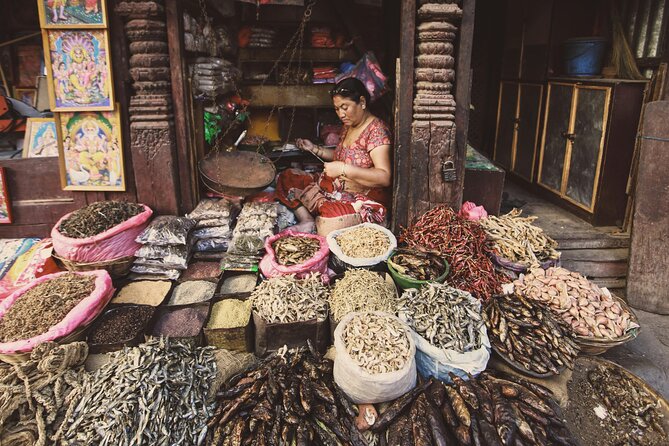
- Spice-market time at Asan: perfect for understanding how flavors get built before you even eat
- Local drinks plus street food tastings: including locally brewed options and smaller alleyway finds
- Small group size (max 15): easier pacing and more chance to ask questions
- Guides named Umesh and Ananta are repeatedly praised: especially for explaining dishes and not pressuring people
Why this Kathmandu food walk is worth planning
I like tours that do one thing well: get you to the right stalls, in the right order, with context you’d never get on your own. This one is built around Kathmandu’s food culture across a few compact areas, so you’re not spending the whole time commuting.
You’re guided by a local expert through backstreets and market lanes, and the stops are chosen for more than convenience. You’ll sample a mix of street food and traditional delicacies, with extra emphasis on Newari and Nepali flavors. The spice market visit at Asan is especially useful because it turns food into a story: you start seeing ingredients and aromas as part of how the city cooks, not just as random smells on the street.
Value matters, too. At $15 for about three hours, you’re paying for access plus local interpretation—plus bottled water and coffee/tea are included. It’s not a fancy dining experience, so you’re not paying for plates and linens. You’re paying for the guide to get you to places you’d otherwise walk past.
One more practical point: the tour requires good weather. If it’s raining hard, you may be offered a different date or a refund. Kathmandu can change quickly, so have a little flexibility in your schedule.
You can also read our reviews of more walking tours in Kathmandu

Setting out from Thamel: where the tour starts tasting-friendly
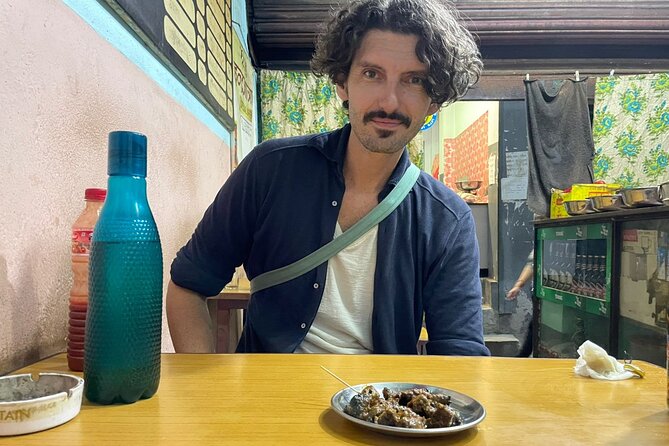
Thamel is the place most people land in Kathmandu first: shops, cafes, and street activity with a strong tourist presence. That’s why I see it as a smart starting point. You get warmed up quickly, and you’re not thrown into the deep local maze right away.
In the first stop, you’ll likely settle into how the tour works—trying small portions, learning what certain foods are called, and getting a sense of how spicy or sweet you prefer things. Since Thamel is lively, it also makes it easier to orient yourself before the route turns more residential and market-heavy.
What to watch for here is pacing. Because Thamel is full of options, you might feel tempted to buy extra snacks on your own before the tour’s other stops. If you want the best value from the included tastings, hold off on big purchases until you’ve done a few neighborhoods.
Jyatha: the calmer streets where local food hides
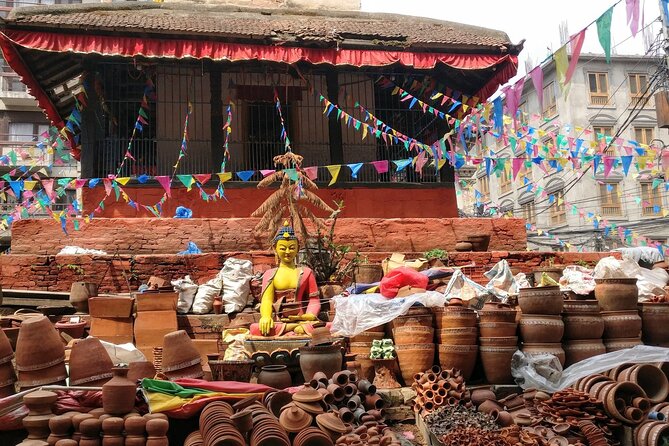
After Thamel’s energy, Jyatha brings you into a quieter residential corner near the tourist zone. This is where the tour style really pays off: instead of only hitting famous stalls, you’re guided into small eateries and traditional shops that you’d probably miss without local directions.
I like Jyatha for the contrast. It helps you understand that Kathmandu’s food culture isn’t only for tourists or only for major squares—it’s also woven into daily life. Expect smaller, more local-feeling places, the kind of spots where the food is the reason people stop, not the signage.
If you’re the kind of eater who enjoys “I would never find this myself” moments, Jyatha is your kind of stop. The downside is that these areas can be less polished visually. Don’t judge the food by appearance; this tour is specifically about finding the places that look modest but taste memorable.
Asan and the spice-market stop: how flavors start before they hit your plate
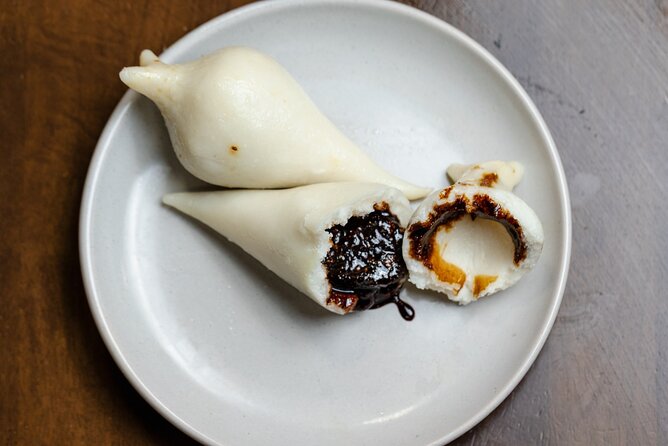
Asan is one of the oldest and most active marketplaces in Kathmandu. It’s also historically important, described as a crossroads where multiple streets converge, which is part of why the area became a trade center for centuries. For a food tour, that history isn’t just trivia—it explains why so many ingredients and vendors cluster here.
The big highlight is the traditional spice market time. You’re there to connect the dots between what you see—spices, dry ingredients, and trade-style stalls—and what you end up tasting. If you like understanding why food tastes the way it does, this is where the tour gives you that extra layer.
This is also a strong stop for Newari and Nepali flavors, since the tour is designed around those culinary traditions. Asan makes sense in the overall route: it’s a place where you can learn the ingredient language first, then get taste results immediately as you move through the broader food stops.
Two practical notes:
- Go easy on the spice sightseeing. It can be tempting to buy powders or sachets, but the tour doesn’t list shopping as included.
- If you have dietary limits, this is the perfect time to ask questions early, because you can clarify what you’re comfortable trying before you’re committed to later bites.
Indrachok: temple-area streets and street-life snacks
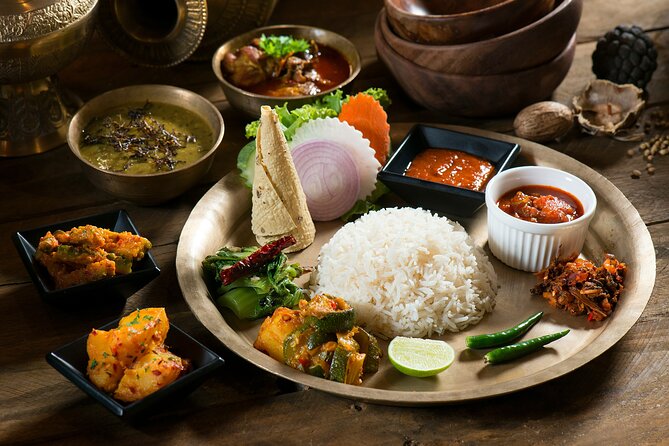
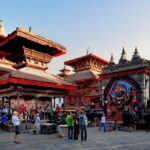
Indra Chowk (Indrachok) sits near Kathmandu Durbar Square and is known for cultural significance and a lively street scene. The area has old temples nearby and also features textile shops and street vendors, so it feels like a working neighborhood even as tourists pass through.
For the tour, this stop matters because it adds a different mood. It’s not only about eating; it’s about seeing how daily commerce and cultural spaces overlap. When a guide explains the significance behind dishes, this kind of setting gives that explanation weight. You’re eating in the same broader environment where food habits grew.
This is also where you can experience the “street-food logic” of Kathmandu: small stalls, fast service, and a constant churn of locals going about their day. I like that the tour gives you permission to slow down long enough to taste, even if the streets are quick-moving.
One consideration: if you’re uncomfortable around crowds, this stop might feel busier than the more residential Jyatha area. Going in with a flexible mindset makes it smoother.
You can also read our reviews of more food & drink experiences in Kathmandu
Chhetrapati: the local intersection that rounds out the route
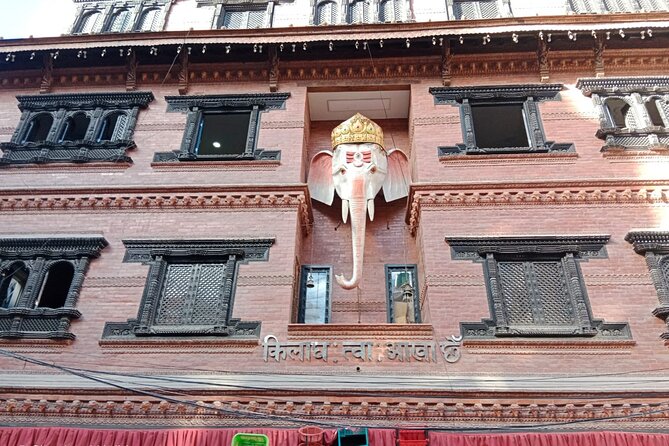
Chhetrapati is a busy intersection and neighborhood that sits between Thamel and the historic parts of Kathmandu. On many self-guided walks, people rush past intersections like this. On a guided food tour, it becomes useful because it captures everyday flow—where locals eat, drink, and shop as the day moves on.
This stop helps the route feel complete. You start in a tourist-heavy area, shift into older markets and temples, and then land in a place that feels like real city life happening all around you. The included tastings here act as a final set of “signature moments” so you leave with flavors that represent more than just one neighborhood.
If you’re collecting favorites, this is where you might notice patterns in what you liked earlier. You may also feel more confident about what you want to try next, especially if the guide is explaining options without pressure.
Drinks, street food, and what the tour actually teaches you
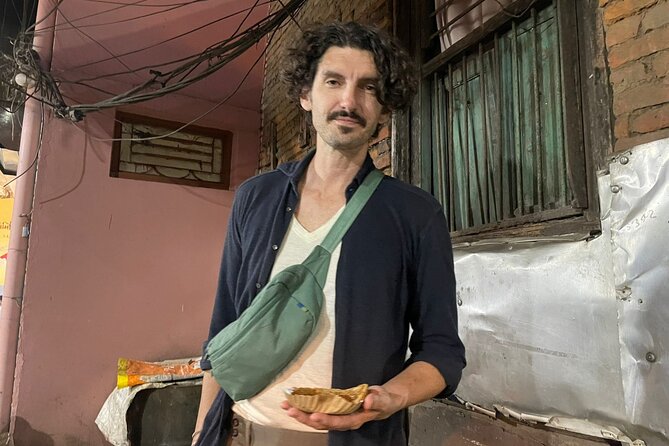
Food walking tours can be either chaotic sampling or a guided learning experience. The strongest versions—the ones people rave about—don’t pressure you. They help you understand what you’re tasting and why it fits local habits.
In this case, the tour is set up around local street food and traditional delicacies, plus locally brewed drinks. It’s also designed to send you into hidden alleys for unique tastes, not just the most obvious street corners. That matters because Kathmandu’s best snacks aren’t always lined up where cameras look.
The guides—such as Umesh and Ananta, who are specifically mentioned as outstanding in the feedback—are highlighted for being patient, helpful, and willing to explain dishes thoroughly. That’s a big deal if you:
- Want to taste more than spicy meat skewers
- Are curious about Newari dishes but don’t know where to start
- Don’t want a rushed schedule where you feel forced to try everything
A word of advice: if you’re unsure about any dish, you can usually ask what it is and what it tastes like before committing. The tour is built around you trying what you’re comfortable with.
Price, group size, and logistics that affect comfort
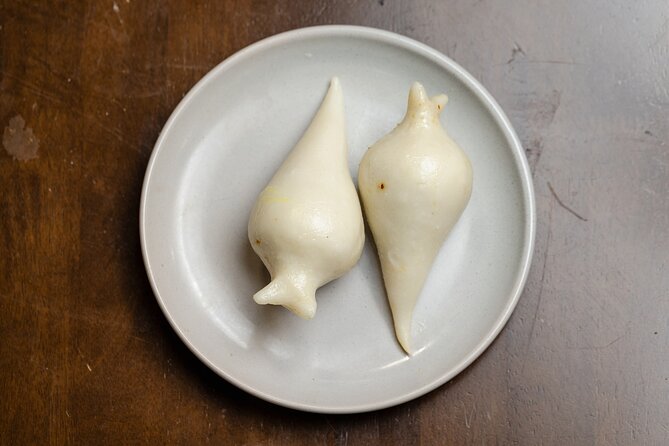
At $15 for around three hours, this tour is priced to be accessible. What you’re really buying is:
- A guide to find small family-run spots and explain them
- Organized stops across several neighborhoods
- Included drinks and tastings (plus bottled water)
Group size is limited to a maximum of 15, which is a comfort upgrade. Big food tours can feel like a cattle line. A smaller group tends to mean more stop-and-talk time, more personal questions, and less stress if you want to pause between bites.
There may be pickup offered, and the start point is near public transportation. Meeting point is at NEPAL HANDLOOM PASHMINA TRADERS, Narsingh Chowk Marg, Kathmandu 44600, and the activity ends back at the same place. This reduces the hassle factor if you’re using taxis or buses.
What to bring:
- Comfortable walking shoes (Kathmandu streets are not museum-smooth)
- A light layer (morning and evening can feel cooler than you expect)
- Cash for any personal purchases (shopping isn’t listed as included)
- A clear idea of how adventurous you want to be with spice and street-drink choices
Who should book this Kathmandu food & drink tour
I think this tour is best for you if:
- You want Kathmandu food culture without building your own day-long route
- You like the idea of Newari and Nepali street food, not just generic tourist snacks
- You’d rather be guided to quieter spots than chase reviews alone
- You want a local perspective with a guide who explains, rather than just points and moves on
It may not be ideal if you:
- Hate walking or get frustrated with short stops and frequent movement
- Need a fully seated, slow dining format (this is still a walk)
- Have very strict dietary needs, because the tour data doesn’t specify customized menus
Should you book it?
If you’re trying to maximize taste-per-hour in Kathmandu, I’d book this. The combination of Newari-focused street food, a spice market visit at Asan, and a small group size makes it a strong value at $15. The other big reason to consider it: the guides are repeatedly praised for taking their time, explaining dishes, and not pushing you into food you don’t want.
If your schedule is tight and you want a guided way to understand what you’re eating, this is an easy “yes.” Just plan to wear shoes you trust, come hungry, and be ready for a city that cooks with its hands, its markets, and its stories.
FAQ
How long is the Kathmandu Food & Drink Walking Tour?
The tour runs for about 3 hours.
Is pickup available, and where does the tour start?
Pickup is offered. The meeting point is NEPAL HANDLOOM PASHMINA TRADERS, Narsingh Chowk Marg, Kathmandu 44600, Nepal, and the tour ends back at the same meeting point.
What food and drinks are included?
The tour includes coffee and/or tea, snacks, and multiple meals listed as breakfast, brunch, lunch, and dinner, plus bottled water.
How many people are in the group?
The tour has a maximum of 15 travelers.
What happens if the weather is poor?
This experience requires good weather. If it’s canceled due to poor weather, you’ll be offered a different date or a full refund.
What is the cancellation policy?
You can cancel for free up to 24 hours in advance for a full refund. If you cancel less than 24 hours before the start time, the amount paid is not refunded.