REVIEW · KATHMANDU
Kathmandu: Food and Drink Walking Tour
Book on GetYourGuide →Operated by Maha Nepal Trips Pvt. Ltd. · Bookable on GetYourGuide
Kathmandu’s food walk turns your stomach into a guide. In just 3 hours, you’ll follow Deepak through Nepalese spots in Kathmandu for 9+ tastings that range from dumplings to noodles to sweet bites. You’ll also learn the why behind dishes, not just the what.
What I like most is the way the tour spaces things out so you can taste widely without feeling hurried. The other big win: you’ll drink and snack your way through Kathmandu, including standouts like sugarcane juice with lemon and buffalo noodles that show up in people’s highlights for a reason.
One consideration: this is not a light “sample and stroll.” You’ll leave full, so don’t plan a heavy dinner right after.
In This Review
- Key things I’d plan around before you go
- Why a 3-hour Kathmandu food walk is a smart first-night move
- Meeting up in Kathmandu near Kaiser Library and getting rolling fast
- The tasting lineup: what you’ll actually eat (and what to watch for)
- Stop type 1: tea or coffee to start your appetite
- Stop type 2: noodles with soup, plus a hearty first savory hit
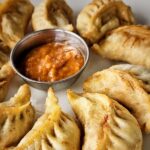
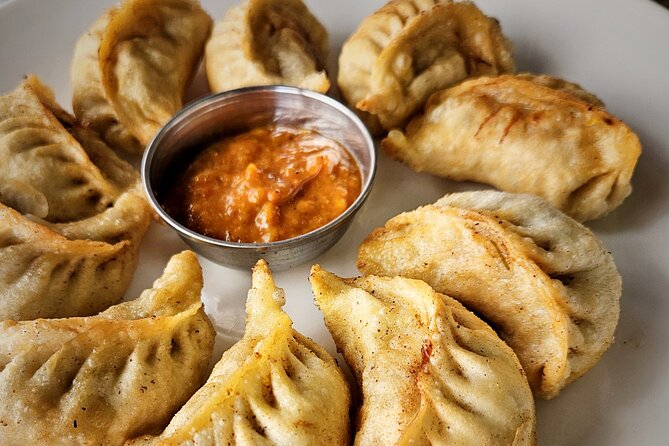
- Stop type 3: Nepali momo (savory dumplings), including different fillings
- Stop type 4: Newari-style pancakes and regional street snacks
- Stop type 5: panipuri-style crunch and flavor bursts
- Stop type 6: sugarcane juice with lemon and other drink stops
- Stop type 7: lassi yogurt as a cooling counterpoint
- Stop type 8: sweets, cookies, and a donut-style finish
- What Deepak adds beyond the food: stories you can use
- Pace, walking, and how not to ruin the experience
- Price and value: $28 for 9+ tastings makes sense here
- Who this Kathmandu food tour is best for
- Should you book this Kathmandu Food and Drink Walking Tour?
- FAQ
- Where does pickup and drop-off happen?
- How long is the Kathmandu food and drink walking tour?
- How many tastings are included?
- What kinds of food and drinks are included?
- Is transportation to and from the meeting point included?
- What languages is the live guide able to speak?
- Is the tour wheelchair accessible?
Key things I’d plan around before you go
- Deepak as your guide: stories, dish origins, and real-life Kathmandu context, while keeping it friendly and easy
- Nine samplings in 3 hours: it adds up fast, so come hungry and pace yourself
- Clean, safe stops: restaurants are chosen to be trustworthy, including places that feel local
- You’ll hit both street-style and sit-down food: noodles, dumplings, panipuri, plus tea/coffee breaks
- Lots of variety for different diets: vegetarian options show up, but you should still mention what you avoid
Why a 3-hour Kathmandu food walk is a smart first-night move
If Kathmandu is your first stop in Nepal, food is an instant shortcut to culture. You don’t need a museum pass to understand the city’s rhythm—you taste it. This tour is built for that: a short window, big payoff, and enough variety to give you a baseline for what you’ll see and eat later.
I like the time-to-taste ratio. For $28, you’re not just paying for “a couple snacks”—you’re paying for a guided route, multiple tastings, and a human translator for Nepali flavors (and the habits around them). You’ll also get a feel for where to go next on your own, since you’ll walk through well-chosen areas instead of guessing from a map.
You can also read our reviews of more walking tours in Kathmandu
Meeting up in Kathmandu near Kaiser Library and getting rolling fast
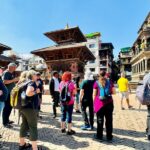
Your pickup is in Kathmandu, with Kaiser Library listed as one of the options, and you’ll also be dropped back there. In practice, that kind of setup matters because it reduces decision fatigue. You show up, you meet the guide, you start eating.
The tour gets you moving quickly. You’ll have a safety briefing and then head to carefully chosen places—clean spots where you can eat without the usual “should I trust this?” stress that comes with street food.
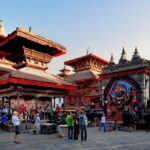
You’ll be walking, so wear comfortable shoes. Kathmandu streets can be uneven, and you’ll be grateful for footwear you can move in. This is especially true if your evening tour turns into a photo-hunt too, since the route passes through lively areas that are easy to stop for a quick temple or street-scene shot.
The tasting lineup: what you’ll actually eat (and what to watch for)
This experience is built around 9 samplings, plus tea/coffee and drinks. The exact order can shift, but the menu targets a few core classics—so you get a rounded picture of Nepali (and Newari-influenced) flavors.
Stop type 1: tea or coffee to start your appetite
You usually begin with a drink—tea/coffee—paired with early snacks. This does two things well: it warms you up (even on mild evenings) and it resets your taste buds for what comes next.
If you’re caffeine sensitive, just say so at the start. You’ll still eat plenty; you may simply want less tea/coffee and more water between savory bites.
Stop type 2: noodles with soup, plus a hearty first savory hit
One of the included items is noodles with soup. This is a smart early choice because it’s filling but not complicated—warm, savory, and a great way to ease into stronger flavors later.
A highlight that shows up often: buffalo noodles. If you’re a meat-eater, it’s one of those “only in this place” tastes that makes the walk feel worth it.
You can also read our reviews of more food & drink experiences in Kathmandu
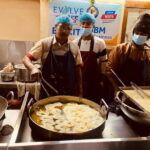
Stop type 3: Nepali momo (savory dumplings), including different fillings
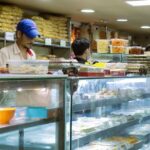
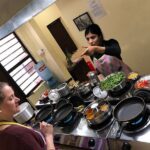
Nepali momo are a key part of the tour. Dumplings are portable, snack-friendly, and they let you try more than one flavor profile without turning the whole tour into a sit-down banquet.
In the stories people tell after, paneer momos also come up. That’s a good sign if you want vegetarian-friendly variety, because it means the tour isn’t locked into one filling or one cooking style.
Stop type 4: Newari-style pancakes and regional street snacks
You’ll taste a pancake-type item as part of the included lineup. In Kathmandu food circles, Newari favorites like chhatamari (a rice-pancake style dish) show up in descriptions of what guests tried. That matters because chhatamari tastes different from the pancakes most people expect, and it gives you a “local identity” flavor fast.
There’s also a street-snack feel built in—something crunchy or crisp to break up all the dumplings and noodles.
Stop type 5: panipuri-style crunch and flavor bursts
One of the tour’s big crowd-pleasers in the real stories: panipuri. It’s the kind of snack where you get a burst of flavor all at once, and it’s easy to see why it’s popular on a walking tour.
If you’re sensitive to spice or sour flavors, tell your guide. Panipuri can be intense—tangy, salty, sometimes spicy—and the guide can help you navigate it so you enjoy the experience rather than just endure it.
Stop type 6: sugarcane juice with lemon and other drink stops
A standout mentioned again and again: sugarcane juice with lemon. It’s the exact kind of drink that makes a food walk feel like a journey instead of a checklist. Sweet up front, bright at the end, and a palate reset between tastings.
Other drinks are included too, and the guide tends to choose beverage breaks that match what you just ate. It’s a small detail, but it’s one reason people leave calling it “well spaced” rather than chaotic.
Stop type 7: lassi yogurt as a cooling counterpoint
You may also get lassi yogurt. That cooling dairy hit is useful in Kathmandu because some savory bites run strong. Even if you don’t usually order lassi at home, this is one of those cases where it makes the rest of your tastings more enjoyable.
Stop type 8: sweets, cookies, and a donut-style finish
The included list calls out cookies and a donut, plus other dessert options. In a tour like this, desserts aren’t just for sugar—they’re for texture and variety after salty, savory bites.
One person’s note sums it up: when they said they needed to stop, it was because they were already full. That’s what you should expect—dessert comes after you’ve eaten enough savory food to make it feel like a real reward, not an afterthought.
What Deepak adds beyond the food: stories you can use
Most food tours tell you what you ordered. This one tries to tell you why that dish exists in that place. People consistently point out that Deepak’s explanations go beyond “spice and sauce.” You’ll hear about Nepalese culture through cuisine and about the stories behind what you’re eating.
There are also small social moments that make the walk feel human. Guests mention meaningful conversation and a friendly, easy pace—more like walking with a local friend than following a scripted route.
Another practical perk: you’ll likely get follow-up details after the tour. One set of guests noted they received a full description of the meals on WhatsApp afterward. That means you can refresh what you ate and remember names when you’re searching for another meal later.
And if you want a fun souvenir that isn’t edible, you may learn a couple Nepali phrases to use while eating. Guests specifically mention Mitho Chha and a phrase like Irma for saying it’s tasty. Even if pronunciation isn’t perfect, it’s a nice way to show respect and curiosity.
Pace, walking, and how not to ruin the experience
This tour is designed so you finish full, not hungry-but-nice. That sounds obvious, but it affects your choices right now.
Do not eat a big meal beforehand. If you arrive already stuffed, you won’t taste everything properly, and the “9 samplings” will feel smaller than they are. You’ll also miss out on the way the drinks reset your palate.
Also, be ready for a mix of fried and non-fried bites. One guest mentioned fried street food wasn’t their favorite, while other items were hits. So if your stomach doesn’t love heavy frying, tell your guide early and ask what’s coming next. A good guide can steer you toward what you’ll enjoy most.
The pace is active but social. You’ll be walking between stops, and you’ll have chances to pause. On an evening tour, the route can feel especially fun because there’s more light and energy in the streets, and it’s easier to enjoy the sights while you eat.
Price and value: $28 for 9+ tastings makes sense here
Let’s talk value in real terms. At $28 for 3 hours, you’re paying for more than food. You’re paying for:
- a guided route through Kathmandu’s eating streets
- 9+ tastings (not just one or two bites)
- tea/coffee and drinks included
- a local guide explaining the cultural context behind the food
If you tried to do this on your own, you’d spend time figuring out where to go, which menus to trust, and how to order so you don’t miss key dishes. This tour buys you time and reduces guesswork. Even if some individual tastings aren’t your personal favorites, the overall spread gives you a Kathmandu “starter kit” for flavors and names.
One more value angle: the tour helps you learn what to look for next. After this, you’ll have a better sense of what momo, panipuri, Newari-style pancakes, and noodle soups taste like in Kathmandu, so your later meals become more intentional.
Who this Kathmandu food tour is best for
This is a strong fit if you:
- want an easy first night orientation to Kathmandu’s food culture
- enjoy social eating and conversation
- want a guide to help you choose places you might hesitate to enter alone
- like variety: savory, drinks, and dessert all in one walk
It may be less ideal if you hate walking or know you get motion-sick on city streets. Also, if you only eat very plain food, you’ll want to communicate your limits early, since Nepali flavors can include spice, sour notes, and sometimes fried textures.
Good news: there are hints of vegetarian-friendly choices, and guests specifically mention vegetarian options. Still, don’t assume every stop is vegetarian by default—ask your guide what’s included for you.
Should you book this Kathmandu Food and Drink Walking Tour?
I’d book it if you want a fast, tasty way to understand Kathmandu beyond the basics. The combination of 9+ tastings, drinks, and Deepak’s dish stories gives you a grounded cultural experience without a big time commitment. And at $28, the value is hard to beat for what you’re getting.
Skip it only if you prefer restaurant-only meals, have a strict food routine you don’t want adjusted, or you’re determined not to walk and snack your way through an evening.
If you do book, come hungry, wear comfy shoes, and tell the guide what you love (or can’t handle). That’s the secret to getting the best version of this tour—more hits, fewer surprises, and a full stomach with real Kathmandu context.
FAQ
Where does pickup and drop-off happen?
Pickup and drop-off are in Kathmandu. One listed pickup and drop-off option is Kaiser Library.
How long is the Kathmandu food and drink walking tour?
The tour lasts about 3 hours.
How many tastings are included?
You’ll receive 9 samplings.
What kinds of food and drinks are included?
The included items include noodles with soup, Nepali momo, pancake, cookies, donut, tea/coffee, snacks, drinks, and desserts.
Is transportation to and from the meeting point included?
No. Transportation to and from the meeting point is not included.
What languages is the live guide able to speak?
The guide can speak English, Nepali, Chinese, Hindi, French, Japanese, Russian, German, Korean, and Spanish.
Is the tour wheelchair accessible?
Yes, it is listed as wheelchair accessible.