REVIEW · MCLEOD GANJ
Explore Dharamshala’s monasteries for Tibetan spirituality
Book on GetYourGuide →Operated by Himachalbylocals · Bookable on GetYourGuide
Monasteries in Dharamshala feel like another world. This half-day route starts at Namgyal Monastery and moves through Tibetan spiritual sites that explain more than just what you’re seeing. I love that the day pairs real places with clear explanations from a live English guide, including Onkar and a careful driver.
The best part for me is the way you get cultural context as you go, not a dry lecture. You’ll also get time to ask questions and move at a human pace, which makes the stops feel personal rather than rushed. And you’ll come away understanding how monasteries shape Tibetan life in the region, not only how they look.
One thing to consider: the schedule packs a lot into about 6 hours, so if you want long, quiet solo time at every site, you may feel a bit time-pressed. It’s still a great tour—just know what you’re signing up for.
In This Review
- Key highlights you’ll actually care about
- A half-day of Tibetan spirituality: what this Dharamshala loop covers
- Meeting your guide (Onkar) and getting oriented fast
- Namgyal Monastery: the Dalai Lama’s spiritual seat to set the tone
- Dalai Lama temple/office area and a quick Kalachakra temple visit
- Nechung Monastery: Tibetan tradition and the Nechung Oracle
- Dip Tse Chok Ling Monastery: a quieter reset in nature
- Norbulingka Institute: Tibetan culture, gardens, and crafts
- Gyuto Monastery: tantric rituals and daily monk practice
- Thosamling Nunnery (and how the route ends): meditation and contemplative life
- Price and logistics: is $54 good value for 6 hours?
- Who should book this monastery tour, and who might not
- Should you book this Dharamshala monasteries tour?
- FAQ
- How long is the Dharamshala monasteries tour?
- Where does the tour start, and do you get picked up from your hotel?
- What language is the guide, and is it a private group?
- What monasteries and religious sites are included in the route?
- Are meals included, and are monument fees included?
- What is the cancellation policy?
Key highlights you’ll actually care about
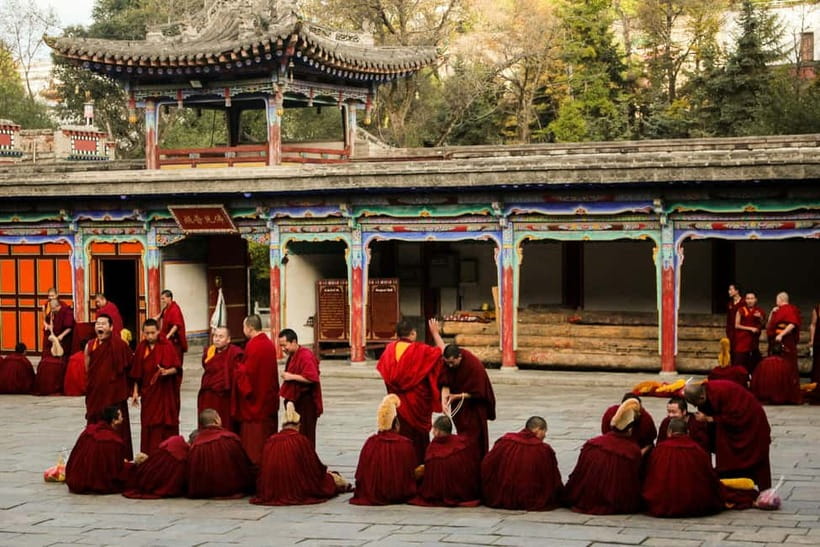
- Namgyal Monastery first: A grounded start at the Dalai Lama’s personal monastery, setting the tone for the rest of the day.
- Nechung Monastery and the Nechung Oracle: You’ll learn why this site is talked about in Tibetan Buddhist tradition.
- Gyuto Monastery’s tantric teachings: Watch monks at work and hear how these practices fit into daily life.
- Norbulingka Institute for culture and crafts: Gardens plus traditional arts preservation, not just prayer halls.
- An ending at a Tibetan nunnery: Finish with meditation and an insight into contemplative routines.
A half-day of Tibetan spirituality: what this Dharamshala loop covers
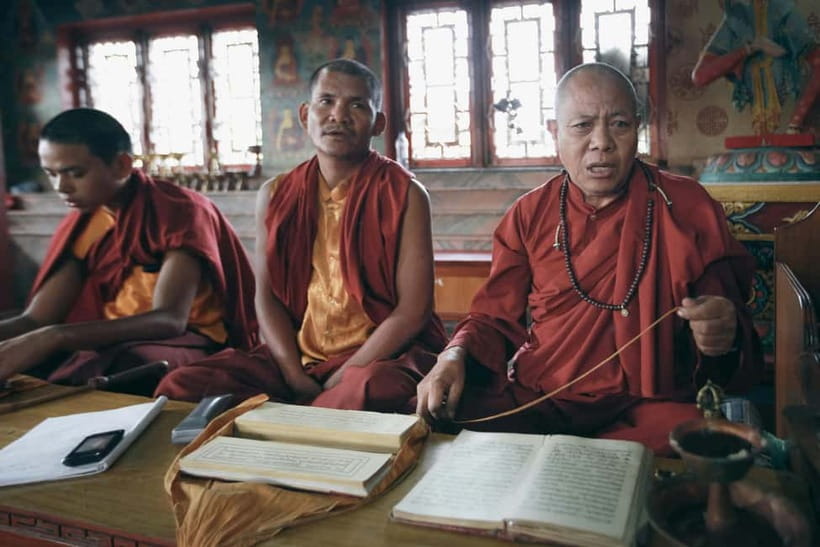
This is a classic Dharamshala and McLeod Ganj monasteries tour designed to give you a full spiritual cross-section in one morning or afternoon block. At a high level, you’ll move through major monasteries tied to Tibetan Buddhist learning, rituals, and community life—so you can connect the dots instead of visiting random sites with no framework.
The route is also built for “start-to-finish clarity.” You begin with Namgyal Monastery, then add key stops that explain spiritual authority (including the Dalai Lama’s temple/office area), specialized traditions like oracles and tantra, and finally the nunnery experience. If you like your travel days organized, this is one of the better formats in the area.
And yes, it’s guided—meaning you won’t just walk into rooms full of images and chanting without understanding what’s going on. You’ll also have a local English-speaking guide who can answer questions as you go, which matters a lot in religious spaces.
You can also read our reviews of more tours and experiences in Mcleod Ganj.
Meeting your guide (Onkar) and getting oriented fast
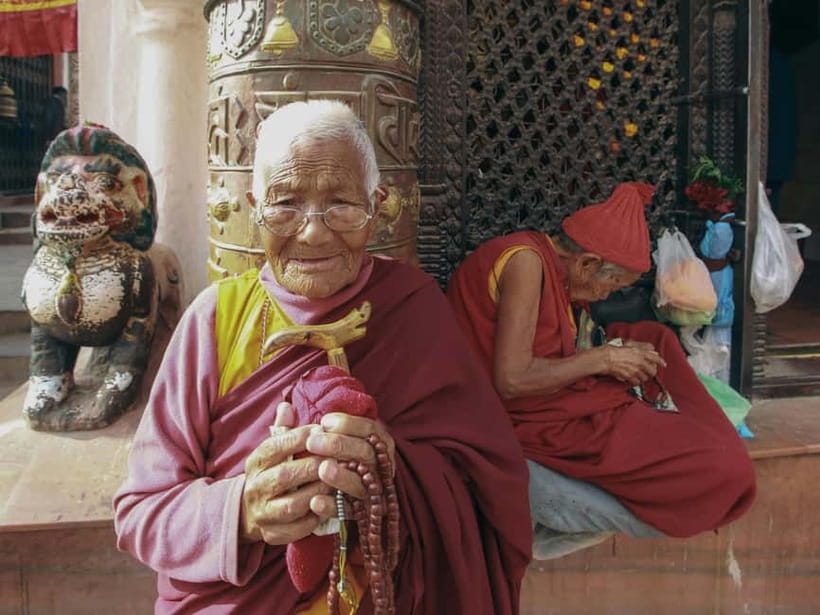
One of the reasons this tour works so well is how the guide sets context early. In practice, the experience feels like you’re traveling with someone who knows both the sites and the surrounding Tibetan community. I like that you’re not left to guess at symbolism; instead you’re given the “why” behind what you’re seeing.
Onkar, the guide named in multiple recent experiences, stands out for patience and clarity. He’s the kind of person who doesn’t mind when you stop and ask follow-up questions, and he’ll give you time to stay in places at your own pace when you need a moment.
The other practical win: the driver. The best days run on timing and smooth navigation, and this tour includes an experienced, careful driver (named Abhishek in reviews). It helps you spend less energy figuring out logistics and more energy actually looking.
Namgyal Monastery: the Dalai Lama’s spiritual seat to set the tone
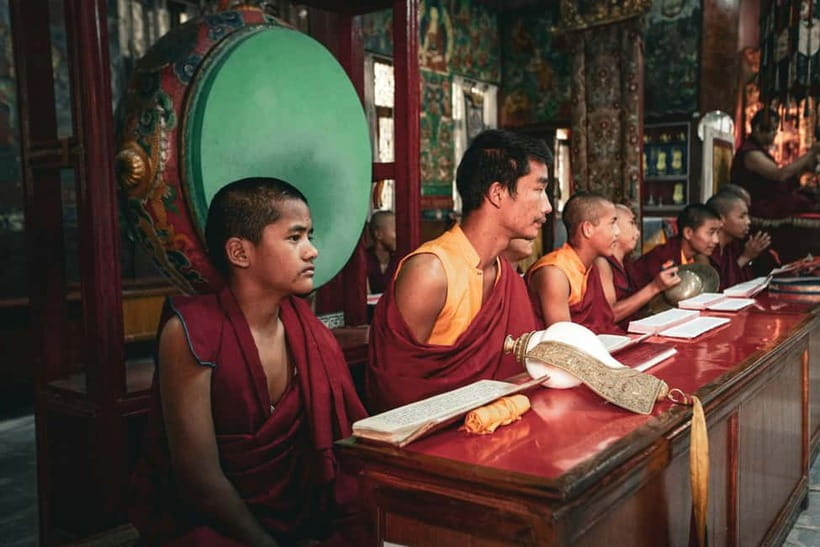
The day starts at Namgyal Monastery, described as the spiritual seat of the Dalai Lama. Even before you get deep into details, this first stop gives you a sense of what the rest of the day is trying to communicate: Tibetan tranquility isn’t just a mood—it’s built into daily practice.
You’ll explore tranquil halls and Tibetan art, which is a big part of why this stop matters. Art here isn’t decoration. It’s visual teaching—figures, symbols, and arrangements that help people remember teachings and intention. Going first helps you notice patterns later, because you start the day already “trained” to look.
One practical tip for your enjoyment: treat Namgyal as your calibration stop. If you arrive feeling like you’re only doing sightseeing, use this stop to settle your expectations. Once you feel the tone, the later monasteries become easier to interpret.
Dalai Lama temple/office area and a quick Kalachakra temple visit
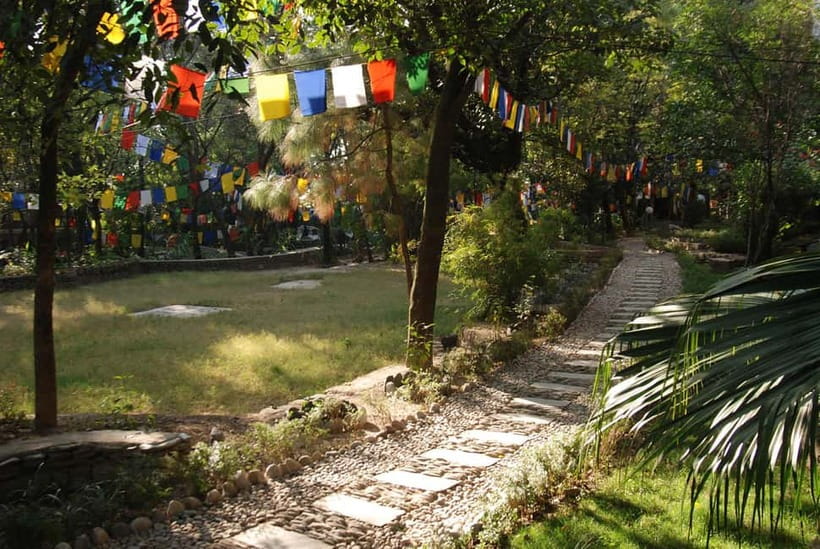
After Namgyal, the route includes the Dalai Lama temple / Office of H.H. the Dalai Lama for about an hour. This isn’t just a photo stop. It helps connect the personal spiritual leadership you hear about in Tibetan Buddhism to the physical places where people come to understand, respect, and reflect.
Then there’s a shorter visit to the Kalachakra temple. The time is brief, but the point is strategic: you’ll get a taste of another devotional focus without turning the day into a marathon. If you’re the type who likes “a little of everything,” this short temple stop is a smart balance.
Because these are spiritually significant areas, your best mindset is simple: slow down, watch what people do, and listen to the guide’s context. Even when you don’t fully understand everything, you’ll start recognizing how the traditions relate to each other.
Nechung Monastery: Tibetan tradition and the Nechung Oracle
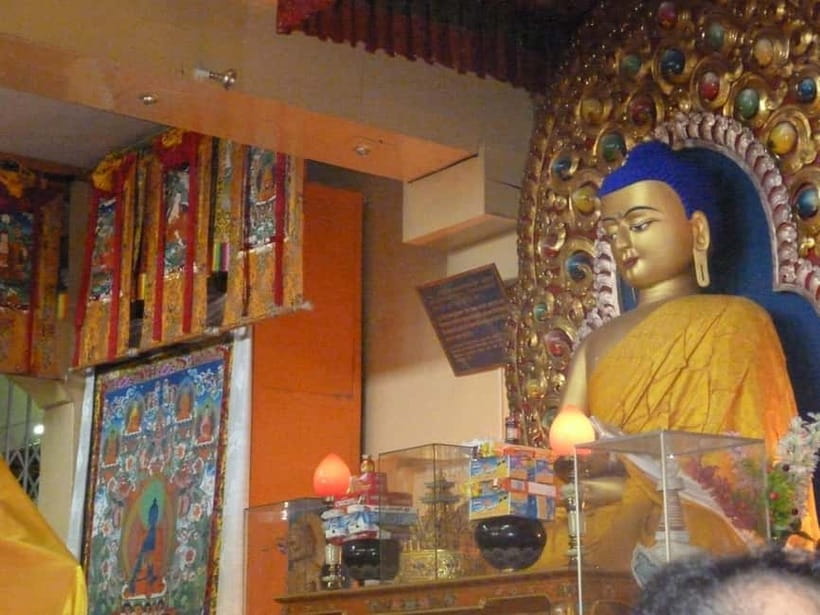
Next up is Nechung Monastery, where you’ll learn about ancient Tibetan traditions and the Nechung Oracle. This is one of those stops that can turn a sightseeing day into a cultural learning day, because “oracle traditions” sound mysterious until someone explains their place in Tibetan religious life.
The monastery itself gives you a setting for that conversation. You’ll hear about practices that are not about entertainment, but about spiritual and communal guidance in Tibetan Buddhist tradition. The guide’s role is key here: it’s easy to leave confused if you’re only focused on objects and buildings, but much easier to follow when you get the cultural meaning.
Time is usually about half an hour here, so come with a question or two in mind. If you’re curious about how different spiritual roles work, ask. If you’re not sure what to ask, start by asking what the oracle tradition is meant to support.
Dip Tse Chok Ling Monastery: a quieter reset in nature
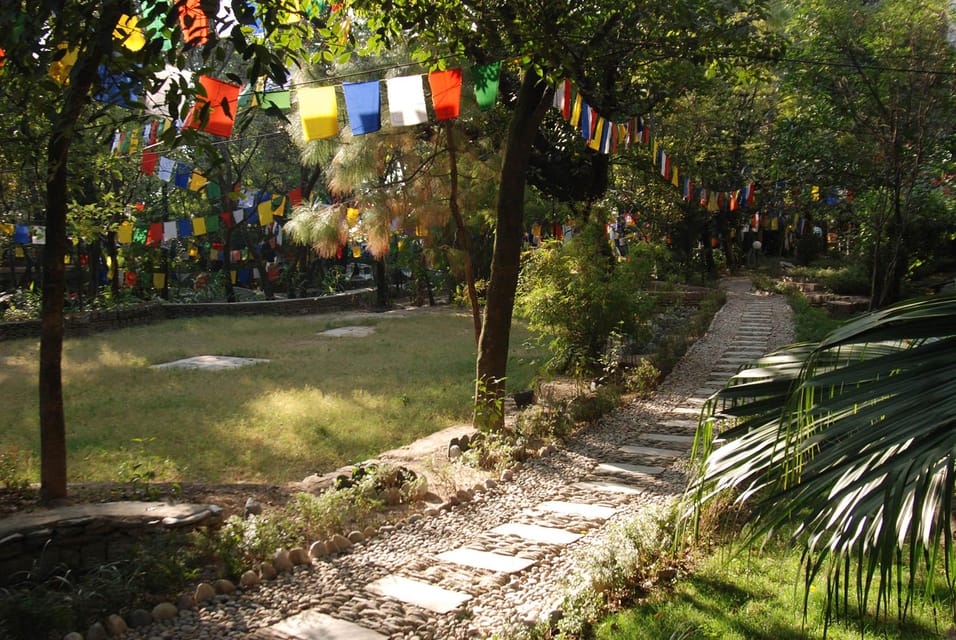
Your route also includes Dip Tse Chok Ling Monastery, described as a serene retreat in a natural setting. This stop is important because it breaks up the more structured, temple-heavy feel of the other sites. It gives you a chance to experience the day as reflection time, not only information time.
Even without getting overly technical, you’ll likely notice the tone shift: less “look at the biggest building,” more “slow down and breathe.” The tour frames it as a place for peace and meditation, and that matches what you’re likely to feel when you reach a retreat space.
If your main goal is spiritual atmosphere, don’t rush through this one. Take a few minutes to sit or stand quietly and let the guide’s explanation settle. That small behavior change makes a big difference in how much you actually absorb.
Norbulingka Institute: Tibetan culture, gardens, and crafts
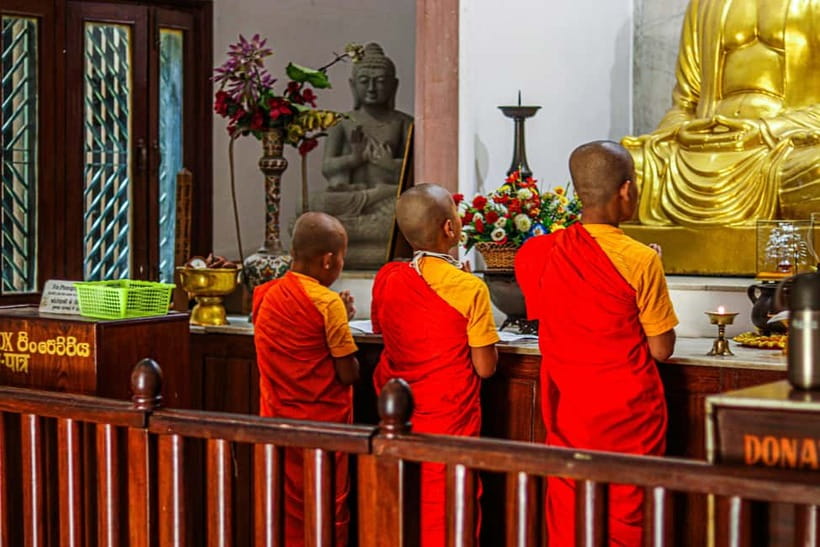
At Norbulingka Institute, the tour turns toward Tibetan culture in a broader sense. You’ll visit its gardens and see artisans preserving traditional arts and crafts. This matters because monasteries teach spirituality, but culture keeps traditions alive day after day.
The institute-style visit also makes the day more balanced. You’re not only moving through prayer spaces; you’re stepping into the ecosystem that supports Tibetan artistic learning. If you’re the sort of traveler who likes tangible cultural output—handicrafts, practice, and preservation—this stop is a rewarding one.
Here’s how I’d plan your attention: look at what people are doing, not just what’s on display. Even if you can’t identify every technique, you’ll pick up the seriousness behind the work. And if you ask the guide a simple question about what you’re seeing, you’ll turn the garden walk into a mini lesson.
Gyuto Monastery: tantric rituals and daily monk practice
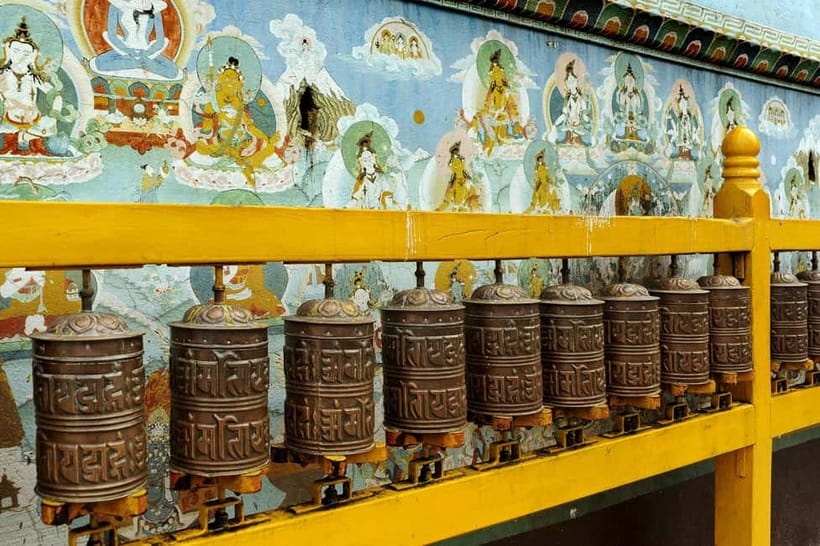
Gyuto Monastery is where the tour brings in tantric rituals and teachings. This stop has a different energy than the “quiet monastery” vibe, because it’s tied to specialized training and daily practice. You’ll observe monks in their daily routines and teachings, which helps you see that tantra isn’t just theory—it’s lived discipline.
This is also one of the stops that can feel most intense if you’re expecting a calm museum tour. The good news: with a competent English guide, it becomes understandable instead of overwhelming. You’ll learn enough to place what you’re seeing within Tibetan Buddhist practice.
Practical advice: keep your attention flexible. If you get mentally stuck trying to compare what you’re seeing to other religions you know, reset and focus on what the guide explains in the moment. Gyuto is about practice, training, and repetition—so your understanding grows as you watch the patterns.
Thosamling Nunnery (and how the route ends): meditation and contemplative life
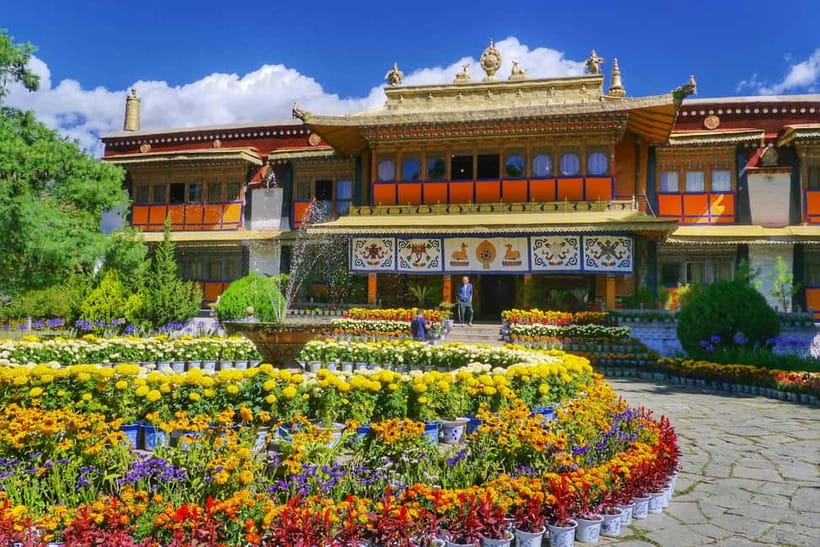
The tour concludes with a Tibetan nunnery, listed as Thosamling Nunnery in the experience description, and as Dolmaling Nunnery in the planned route. Either way, the purpose is the same: a calm sanctuary for Tibetan nuns and an ending that shifts you from “learning” to “quiet reflection.”
You’ll participate in meditation sessions and gain insight into the contemplative lifestyle. Even if you’re not sure what to do during meditation, showing up respectfully and staying present is usually the point. This final stop often makes the whole day click, because it brings the concept of Buddhism back to daily mind-training rather than just buildings and symbols.
If you’re a visitor who likes meaningful endings, this is the stop to pay attention to. By the time you arrive, you’ll already have a foundation from Namgyal, Nechung, Gyuto, and Norbulingka—so the meditation time won’t feel random. It will feel like closure.
Price and logistics: is $54 good value for 6 hours?
At $54 per person for a roughly 6-hour guided half-day, the value is mainly in the structure. You’re not only visiting monasteries; you’re moving between them with pickup and drop-off from your hotel, plus a local English-speaking professional guide and a water bottle.
What you don’t get matters for planning:
- Meals aren’t included.
- Monument fees aren’t included.
In real life, that means you should either budget for food on your own or check if there’s a lunch option built into your day (some versions of the experience include a lunch stop). Either way, factor it in so you don’t end up hungry and distracted in the final hour.
Also remember: this is a private group. That usually helps you ask more questions and keep the day from feeling like a factory tour. If your goal is “learn while you look,” this price can feel fair.
Who should book this monastery tour, and who might not
This tour is a strong fit if you:
- Want Tibetan Buddhist culture explained by a live guide, not just read from signs.
- Like a guided route that covers multiple prominent monasteries in a single day.
- Enjoy religious and cultural learning in a respectful, structured way.
- Prefer a private-group feel with time for questions.
It may be less ideal if you:
- Want hours of quiet at just one or two places rather than a full loop.
- Get stressed when a day is tightly timed.
If you’re unsure, ask yourself one question: do you want a “viewing day” or a “learning day”? This tour leans hard toward learning.
Should you book this Dharamshala monasteries tour?
I’d book it if you’re visiting Dharamshala with limited time and you want your monastery visits to make sense. The mix of Namgyal, Nechung, Gyuto, Norbulingka, and a nunnery stop gives you a balanced look at Tibetan spirituality as practice, community, and culture—not just architecture.
You’ll get the most out of it if you come curious and ready to ask questions, especially about oracle traditions and tantric teachings. And if you value a calm, respectful guide who gives you time to think, this tour’s reputation for patience and professionalism is exactly what you want in a religious setting.
If your travel style is slow and solitary, you might prefer a self-paced route instead. But for most people on a first visit, this half-day loop is one of the cleanest ways to understand the area without burning your whole trip on planning.
FAQ
How long is the Dharamshala monasteries tour?
The tour duration is 6 hours.
Where does the tour start, and do you get picked up from your hotel?
Pickup is from Dharamshala, and the package includes pick up and drop off from your hotel only.
What language is the guide, and is it a private group?
The live tour guide speaks English, and the group type is private.
What monasteries and religious sites are included in the route?
Stops include Namgyal Monastery, Nechung Monastery, Dip Tse Chok Ling Monastery, Norbulingka Institute, Gyuto Monastery, and a Tibetan nunnery (listed as Thosamling Nunnery and also as Dolmaling Nunnery). The route also includes the Dalai Lama temple/office area and a Kalachakra temple visit.
Are meals included, and are monument fees included?
Meals are not included, and monument fees are not included.
What is the cancellation policy?
Free cancellation is available up to 24 hours in advance for a full refund.