REVIEW · RISHIKESH
Rishikesh: Beatles Ashram Art & Meditation Walking Tour
Book on Viator →Operated by Rishikesh Day Tour · Bookable on Viator
Need a quick Rishikesh fix? This Beatles Ashram–centered walking tour is built for short on-time visits, mixing music history with meditation culture and a guide who keeps everything moving. I also like the focus on real places of practice, not just photo stops, so you leave with a clearer sense of why people come here.
The best part for me is the pacing: you choose morning or afternoon, and the half-day format means you can still do other Rishikesh plans the same day. I like how the walk threads together several ashrams and temples, so the story of spirituality in the city feels connected, not random.
One thing to consider: entrance costs can add up. Beatles Ashram has an extra fee (INR 1200 for foreign nationals and INR 200 for Indian nationals), and foreign nationals need their passport (hard or soft copy) to enter. Also, at least one visitor reported extra payments related to the protected area around the Beatles Ashram, so budget a little buffer.
In This Review
- Key highlights at a glance
- A Half-Day Rishikesh Walk Built for Music and Meditation Fans
- Time and Price: Why $20 Makes Sense Here
- Beatles Ashram: Songs, Silence, and the Entry-Fee Reality
- Swargashram: The Big Meditation Center Feel (and Why It Matters)
- Parmarth Niketan: Riverside Spiritual Center on the Ganga
- Ram Jhula Bridge: The Iconic Ganga Crossing
- Gita Bhawan: A Large Riverfront Complex
- How the Guide Changes Everything (Aaditya and Om as examples)
- What to Wear and Bring (So You Don’t Feel Out of Place)
- Is This Tour Worth It for You?
- My Take: The Smart Way to Use This Half-Day
- Should You Book This Beatles Ashram Walking Tour?
- FAQ
- How long is the walking tour?
- Do I get to choose a morning or afternoon time?
- Is the tour private?
- Is the Beatles Ashram entry fee included?
- What are the entry fees for Beatles Ashram?
- Do foreign nationals need a passport to enter?
- What ashrams and landmarks does the tour include?
- Is the guide English speaking?
- What should I wear?
- Do I receive a ticket on my phone?
Key highlights at a glance
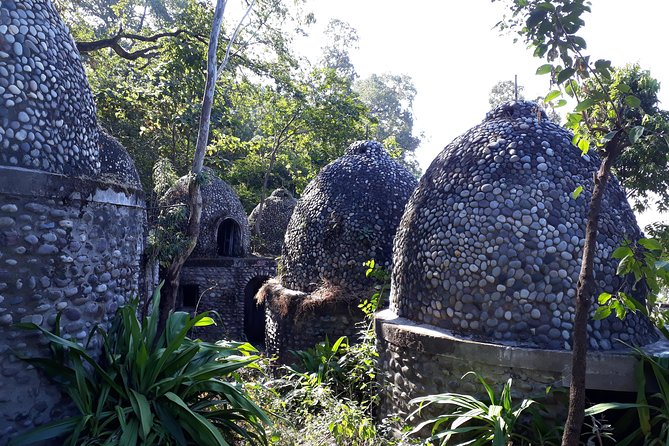
- Beatles Ashram Rishikesh: a big-name music pilgrimage with real context around Maharishi Mahesh Yogi
- Easy half-day timing: pick morning or afternoon and still cover major sights
- Multiple ashrams in sequence: Swargashram to Parmarth Niketan to Gita Bhawan for a full spiritual snapshot
- Ganga crossing + riverside complexes: Ram Jhula views plus stops right on the riverfront
- English-speaking private guide: you get personalized answers on customs and traditions
- Smart-casual dress code: practical for temple/asram visits without overthinking
A Half-Day Rishikesh Walk Built for Music and Meditation Fans
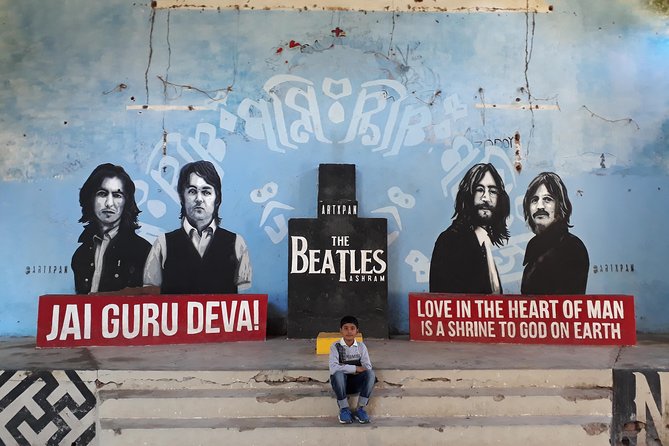
Rishikesh can feel like a lot at once—temples, ashrams, incense, river sounds, scooters everywhere. This tour helps you get oriented fast. It’s designed for a short visit, but it doesn’t feel like a rushed checklist.
You’re walking with a professional English-speaking guide, and you’ll have time to ask questions along the way. In the experiences I’m drawing from, guides like Aaditya and Om were praised for being friendly, punctual, and happy to explain what you’re seeing.
The vibe is part sightseeing and part cultural decoding. You’ll stop at key spiritual sites, but the value is in the how-and-why: what people do there, what customs matter, and how the city’s meditation scene developed.
You can also read our reviews of more walking tours in Rishikesh



Time and Price: Why $20 Makes Sense Here
At $20 per person, this is one of those deals that works best when you want structure. You’re paying for a guide, a route that makes sense on foot, and a half-day plan that covers the core highlights without you having to figure everything out yourself.
It’s also a private tour/activity, meaning only your group participates. That usually makes the experience feel less like being herded and more like having a local translator for culture and etiquette.
A couple practical notes affect value more than the base price:
- Beatles Ashram entry is not included (INR 1200 foreign nationals / INR 200 Indian nationals).
- You may want to carry extra cash or plan for potential additional fees linked to the area around the Beatles Ashram, since at least one visitor reported an added tiger reserve payment.
If you come with a “we’ll just wander” plan, you’ll save money—but you’ll also lose context. This is the better move when you want meaning, not just movement.
Beatles Ashram: Songs, Silence, and the Entry-Fee Reality
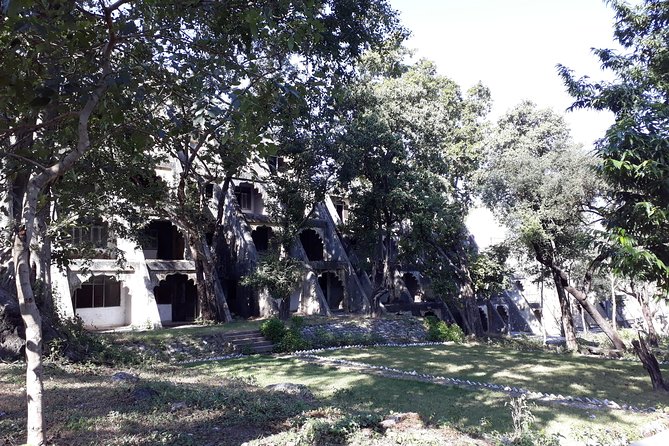
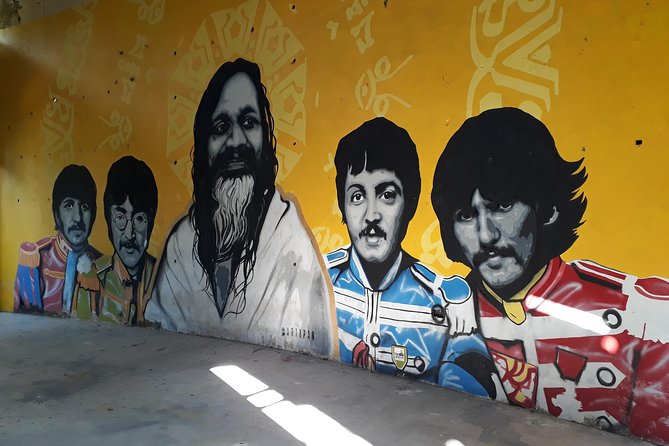
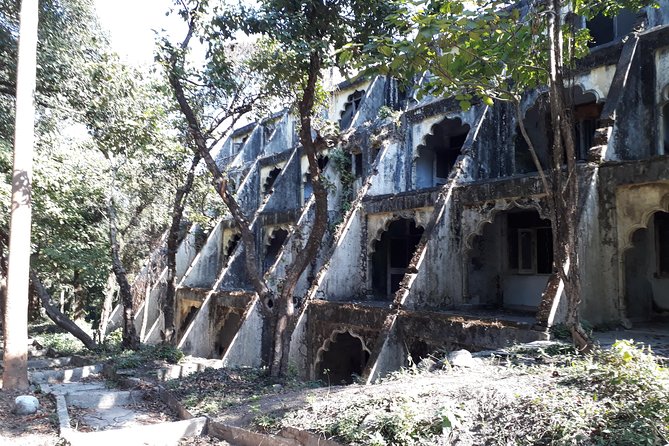
The headline stop is the Beatles Ashram area, tied to February 1968, when the Beatles stayed in Rishikesh under Maharishi Mahesh Yogi and began writing songs during their time there. Even if you’re not a music-nerd, it’s an easy entry point to understand why Rishikesh became a magnet for seekers from around the world.
Here’s the practical part you’ll care about:
- Admission is not included in the tour price.
- Foreign nationals must carry their passport (hard or soft copy) to enter.
- The reported entry fee is INR 1200 for foreign nationals and INR 200 for Indian nationals.
So what do you actually do at the ashram? Think walking through the space and learning how the Maharishi Mahesh Yogi connection shaped the meditation movement. I’d come in with one question in mind: How did this place turn into a global meditation stop? A good guide will help connect the dots.
One consideration: not every guide experience is identical. One review I’m basing my expectations on noted that a guide helped locate the Beatles Ashram but didn’t explain much after entering. That doesn’t mean it’ll happen to you, but it’s a fair reminder to ask questions early and right away.
Swargashram: The Big Meditation Center Feel (and Why It Matters)
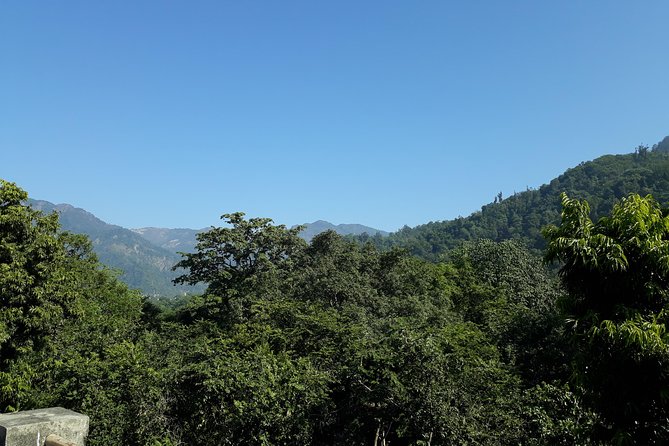
Next up is Swarg Ashram (Swargashram), described as the epicenter of the yoga and meditation centers in Rishikesh. This stop is short, but it’s still useful because it helps you understand what “meditation hub” means in real life.
Swargashram is known for having hundreds of rooms plus a hall with facilities. That scale changes the atmosphere. Instead of a small, quiet room, you get a sense of a whole system supporting people coming to practice, study, and reset.
You’ll likely notice the rhythms: people moving through shared spaces, the daily structure behind spiritual life, and the way ashrams operate as both homes and learning environments. If you care about spirituality as a social system—not just a personal mood—this is a meaningful stop.
Parmarth Niketan: Riverside Spiritual Center on the Ganga

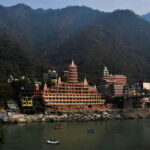
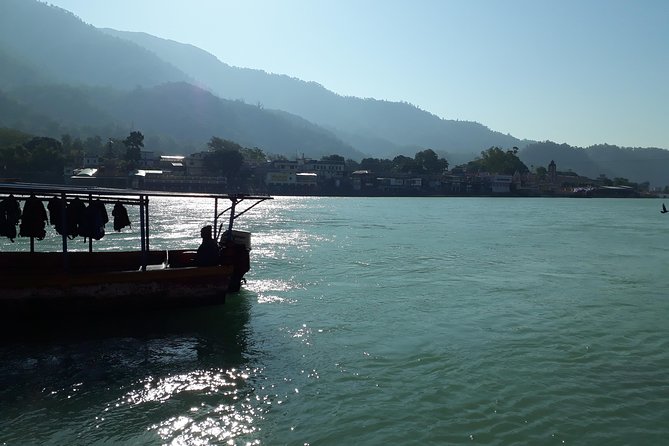
Then it’s Parmarth Niketan Ashram, positioned on the holy banks of Mother Ganga with the Himalayas nearby. Even with a brief visit, the riverfront setting matters, because it explains how Rishikesh became a place where devotion and daily practice flow together.
This stop is quick, but it’s a strong contrast to the Beatles-focused context. Here, you’re not chasing a Western cultural footnote. You’re seeing a living spiritual center in a location that people consider sacred in everyday ways.
If you’re the type who likes quiet moments, aim to slow down here. You’re near the Ganga, and even a short pause helps you make sense of why pilgrims return again and again.




Ram Jhula Bridge: The Iconic Ganga Crossing
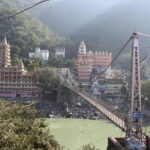
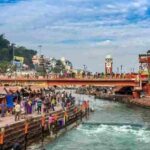
After the ashrams, you’ll hit Ram Jhula, the iron suspension bridge over the Ganga. The bridge is famous, and it’s long—about 450 feet—so it’s not just a “look and go” stop.
This is your breather between spiritual complexes. It gives you:
- A wide view of the river and the ways people move around it
- A sense of how the river shapes daily life and worship
- A natural photo opportunity, without feeling like the only purpose of the tour is photos
Also, bridges in places like this are more than structure. They mark connection—between neighborhoods, between banks, and between the practical and the sacred. If you’re traveling alone and feeling disoriented, this kind of landmark helps you orient fast.
Gita Bhawan: A Large Riverfront Complex
The final named stop is Gita Bhawan, also known as the Guru Shri Ram Sukh Daasji complex. You’ll be on the banks of the Ganga again, in a “vast and spacious complex” setting that’s described as one of the most beautiful ashrams in Rishikesh.
This stop works well as a finish because it lands the theme of the tour: meditation and spirituality aren’t hidden away. They’re visible in communal spaces right along the river.
Take this time to ask your guide one broader question, like how these ashrams relate to each other. In the better guided experiences, this is where the tour starts to feel like a coherent story instead of separate stops.
How the Guide Changes Everything (Aaditya and Om as examples)
With small highlights like these, guidance quality matters. In the experiences I’m using to build a sense of what to expect, guides were singled out for doing two things well:
- Being friendly and approachable so questions don’t feel awkward
- Answering on the spot with clear explanations of customs and traditions
One guide experience praised Aaditya specifically for being happy to answer questions and for showing up right on time. Another highlighted Om for sharing culture and history with an easy-going pace.
So if you want the best version of this tour, do one simple thing: talk early. Ask what you should watch for at the next ashram. Good guides respond fast when you set the tone.
What to Wear and Bring (So You Don’t Feel Out of Place)
The stated dress code is smart casual. That’s helpful because it avoids extremes—no need for fancy clothes, but you also don’t want to show up in beachwear.
I’d also plan for basics you’ll want on a walking route:
- Comfortable shoes for short city walking
- A light layer, since mornings and evenings can feel different along the river
- Your passport copy if you’re a foreign national (for Beatles Ashram entry)
And if you’re the type who likes to keep things respectful, hold off on loud music, and be mindful with photos near people’s prayer or daily routines. A guide can point out what’s appropriate as you go.
Is This Tour Worth It for You?
This tour is a strong fit if you:
- Have limited time in Rishikesh and want a focused route
- Like music history tied to real places (Beatles + Maharishi context)
- Want help understanding temple and ashram customs without needing to research everything
- Prefer a private guide over wandering alone
It may be less ideal if you want:
- A long, slow, in-depth experience in just one ashram (this is half-day)
- Zero extra fees and zero planning (Beatles Ashram entry is extra)
- A guarantee that every minute inside every site gets a full narration (some experiences report uneven guide coverage once inside)
My Take: The Smart Way to Use This Half-Day
If you’re trying to maximize your day in Rishikesh, I’d treat this as your orientation tour. Then let the rest of your time become free-form.
For example:
- If you come early, use this to learn what matters, then return later to sit quietly.
- If you have evening plans, choose the timing that keeps you fresh. A 3–4 hour walk is manageable, but you’ll still want energy for your next activity.
Also, book with a little lead time. The tour is commonly reserved about 22 days in advance, which suggests it’s not a last-minute-only option if your dates are busy.
Should You Book This Beatles Ashram Walking Tour?
Book it if you want a structured half-day that links the Beatles story to the meditation culture you’ll see in day-to-day ashram life. At $20, with an English-speaking private guide and stops across major landmarks like Swargashram, Parmarth Niketan, Ram Jhula, and Gita Bhawan, it’s a solid way to get traction fast.
Skip it or plan differently if your main goal is deep time inside one site or if you hate paying extra for attractions. Just remember: the Beatles Ashram portion has an entry fee, and foreign nationals need passport documentation.
If you’re aiming for a meaningful first taste of Rishikesh without spending days sorting logistics, this one fits the bill.
FAQ
How long is the walking tour?
It runs about 3 to 4 hours.
Do I get to choose a morning or afternoon time?
Yes, you can choose between morning and afternoon tour timings.
Is the tour private?
It’s listed as a private tour/activity, and only your group will participate.
Is the Beatles Ashram entry fee included?
No. Beatles Ashram admission is not included in the tour price.
What are the entry fees for Beatles Ashram?
Foreign nationals: INR 1200. Indian nationals: INR 200.
Do foreign nationals need a passport to enter?
Yes. Foreign nationals must carry their passport (hard or soft copy) to enter the Beatles Ashram.
What ashrams and landmarks does the tour include?
You visit the Beatles Ashram, Swarg Ashram, Parmarth Niketan Ashram, Ram Jhula, and Gita Bhawan.
Is the guide English speaking?
Yes. The tour includes a professional English speaking guide.
What should I wear?
Smart casual dress code is recommended.
Do I receive a ticket on my phone?
Yes. It’s listed as having a mobile ticket.
If you want, tell me your travel dates and whether you’re aiming for more temples, more river time, or more meditation vibe—I can suggest how to pair this with the rest of your Rishikesh day.