REVIEW · RISHIKESH
Rishikesh Spiritual Evening Tour with Sacred Ganga Aarti
Book on GetYourGuide →Operated by Amusing destinations · Bookable on GetYourGuide
Evenings in Rishikesh feel electric. You’ll walk with an English-speaking guide and end at the Ganga Aarti at Parmarth Niketan, where the river turns into a moving ritual you can’t really fake. I love the mix of calm temple time and big public ceremony energy, and I also love how the explanations make the sights easier to read. One thing to consider: it’s a true walking evening, so comfortable shoes matter, and it’s not a fit if you’re not up for steady time on foot.
The route is built around the Ganga River’s key viewpoints, so you’re not just collecting photos. You’re seeing how Rishikesh holds its spirituality in everyday places: bridges, ghats, a beach for quiet reflection, and then the ceremony that pulls everything together. If you get a guide like Chandon, the vibe can feel both organized and warm, with clear, supportive storytelling.
In This Review
- Key highlights worth your attention
- The special feel of an evening route along the Ganga
- Starting at Trayambakeshwar and getting your bearings
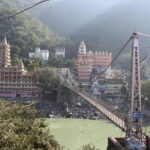
- Laxman Jhula: iconic bridge views without the pressure
- Ganga Beach: a calmer pause before the main ceremony
- Ram Jhoola Ganga Ghat: where the river-side atmosphere changes
- Geeta Bhawan: a teaching-focused stop, not just another photo spot
- Parmarth Niketan: the Ganga Aarti that ties the whole night together
- Price and value: what $33 gets you in real terms
- Comfort checklist: how to make the walking feel easy
- Who this tour suits (and who should skip it)
- Booking tips: how to time your day around this ceremony
- Should you book this Sacred Ganga Aarti tour?
- FAQ
- Where does the tour start?
- How long is the tour?
- Is the guide available in English?
- What is included in the price?
- Are meals included?
- Is hotel pickup or drop-off included?
- Can I bring alcohol or drugs?
- Who is the tour not suitable for, and what cancellation options are available?
Key highlights worth your attention
- Grand Ganga Aarti at Parmarth Niketan: the emotional anchor of the night
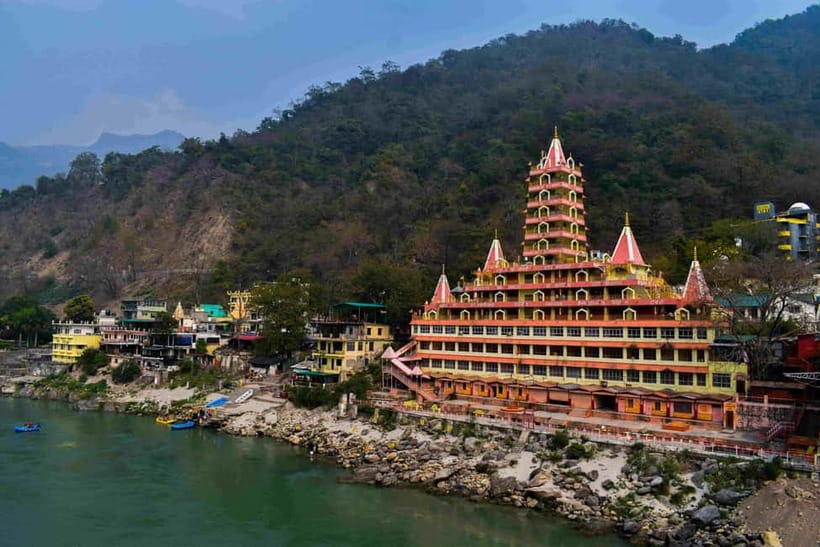
- Trayambakeshwar Temple: a spiritual start with Ganga views
- Laxman Jhula and Ram Jhula ghats: classic bridge-and-river photo moments
- Ganga Beach downtime: one calmer pause before the ceremony
- Geeta Bhawan stop: a short chance to connect with teaching-focused space
- Tea/coffee, bottled water, and snacks included: small comfort for a 3-hour walk
The special feel of an evening route along the Ganga
A spiritual evening tour works in Rishikesh because timing is everything. Night falls, the river air cools, and places that felt crowded earlier often become more ritual-focused. This tour is designed so you move through the most iconic river spots before the big moment, then you stay for the ceremony at Parmarth Niketan.
What you’ll like most is the balance: quiet places (temples and a beach pause) plus a public, high-emotion event (the Aarti). That mix keeps the evening from feeling like you’re stuck in only one mood. It also means you’re not rushing from stop to stop with no context; you’re walking with a guide who helps you connect what you’re seeing to why it matters.
You can also read our reviews of more evening experiences in Rishikesh


Starting at Trayambakeshwar and getting your bearings
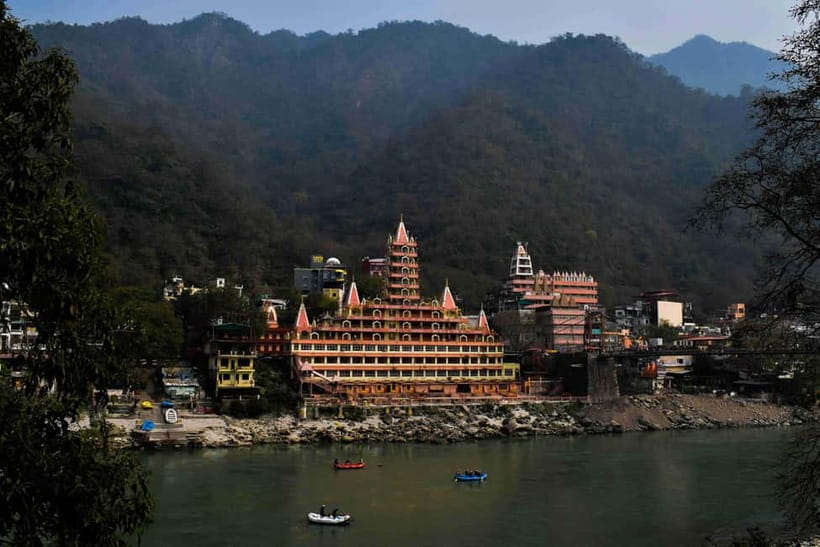
You begin outside Trayambakeshwar Temple, at Om Shiv Pooja bhandar. This is a smart start, because it gives you a spiritual “mindset” right away instead of tossing you straight onto bridges and crowds.
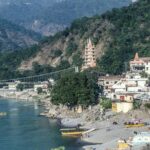
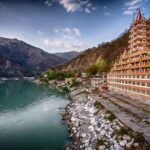
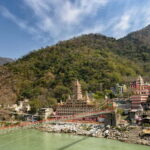
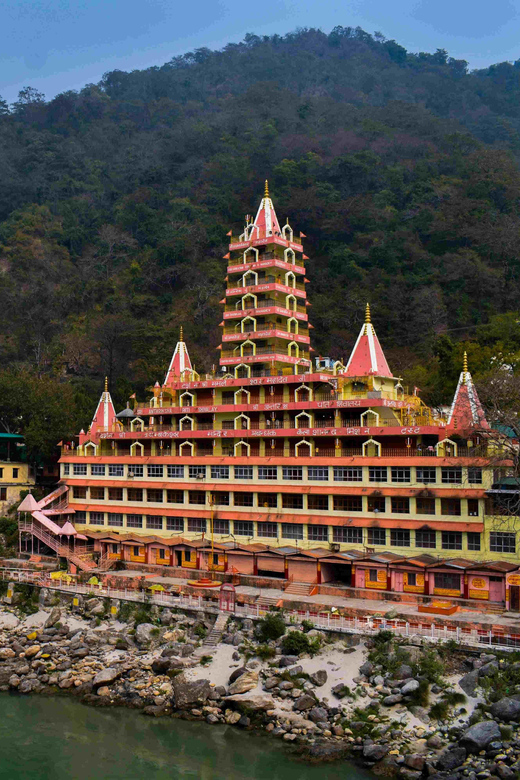
Trayambakeshwar sits with a view toward the Ganga, so even in the first moments you’re orienting yourself to the river as the centerpiece of the whole town. From here, the walking rhythm makes sense: you’ll ease out toward river landmarks in a way that feels like you’re being guided through the flow of Rishikesh, not marching through a checklist.
The practical takeaway for you: treat the opening stop like a setup. Wear comfortable clothes, keep your phone charged, and use this time to settle in. If you start the evening already tired, the later ceremony will feel less meaningful.
Laxman Jhula: iconic bridge views without the pressure
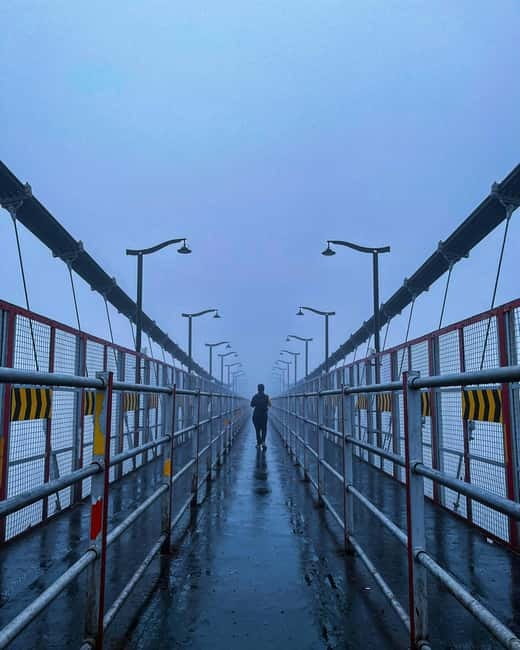
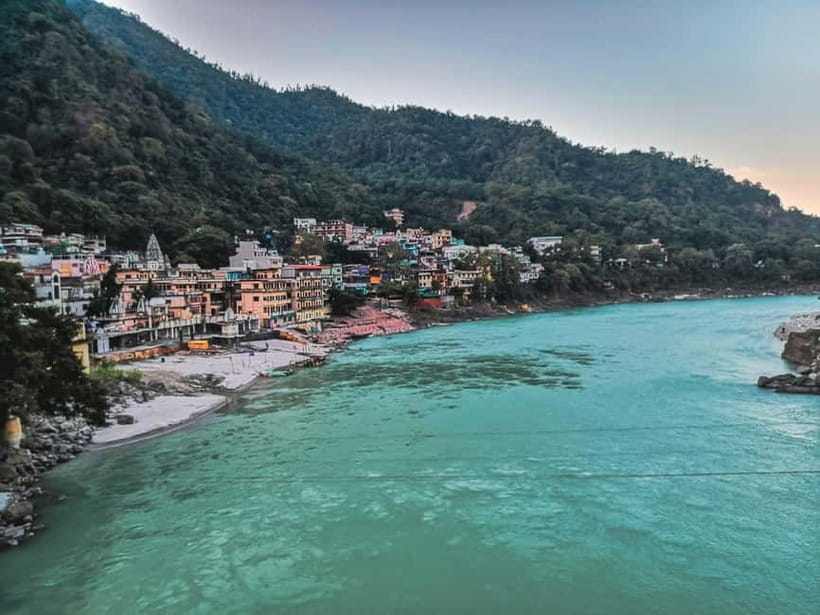
Next up is Laxman Jhula, with a short guided walk and scenic viewing time on the way. Laxman Jhula is one of those Rishikesh landmarks that looks great in daylight, but it also has a strong evening presence: you get long sightlines over the river and a sense of why pilgrims and travelers keep circling back to this place.
This stop is short, which is good for two reasons. First, it keeps the evening from turning into a long sightseeing slog. Second, it gives you time to notice details without spending the whole night staring at one angle.
Potential drawback: bridges and river paths can be uneven and busy, and you’ll be sharing space with other people heading to ghats and temples. That’s not a deal-breaker, but it’s why I’d go with supportive shoes and keep your belongings secure.
Ganga Beach: a calmer pause before the main ceremony
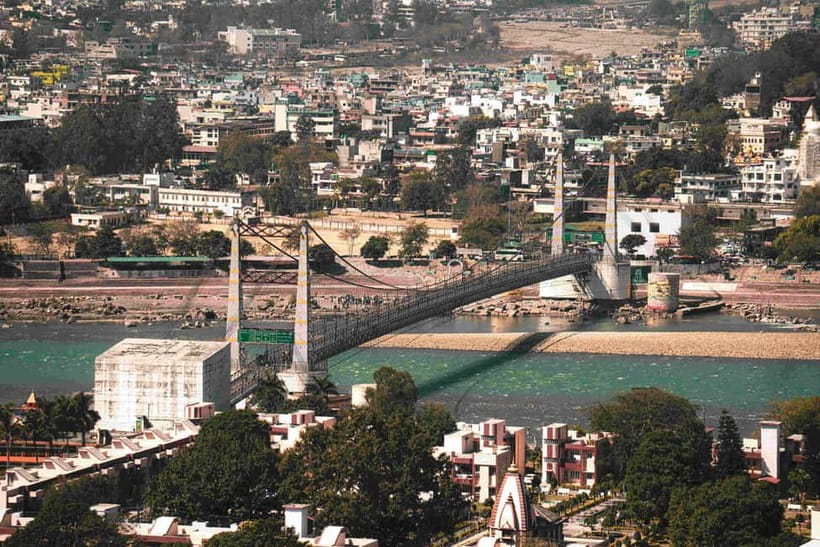
After the bridge, you head to Ganga Beach. Even though it’s still part of the holy river zone, it tends to feel more open and slow than the temple-and-ghat corridors. This is where the tour gives you breathing room.
The value here is simple: the evening gets more intense later at the Aarti. A beach stop helps reset your pace, and it gives you a chance to just watch the river without hearing constant explanations back-to-back. If you’re trying to experience Rishikesh in a way that feels human, not rushed, this short pause matters.
Bring a little patience for crowd moments, since Ganga Beach is a shared public space. But in general, this is the kind of break that can make the ceremony later land harder.
Ram Jhoola Ganga Ghat: where the river-side atmosphere changes
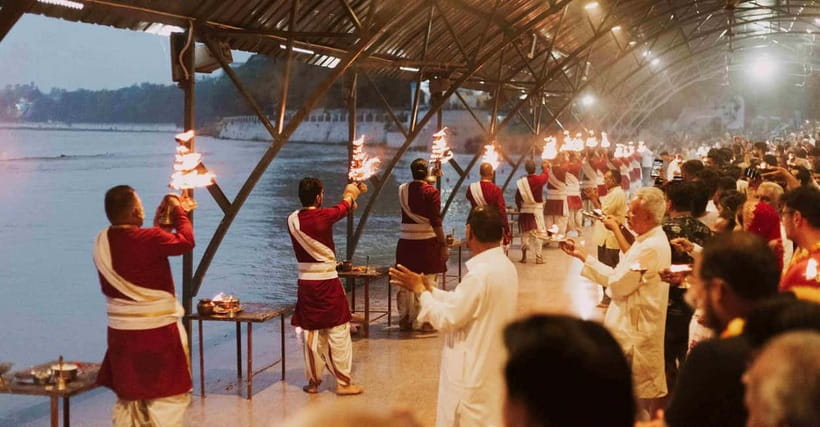
Then you move to Ram Jhoola Ganga Ghat, again with guided walking and scenic viewing time. Ghats are the core of river life here. Even if you’re not actively participating in rituals, you can feel the difference in energy: more people gathering, more chanting or prayer rhythms, and more of the river-front “purpose” becoming visible.
This is also the section where you’ll start connecting the dots. You’ve already seen the bridge viewpoints and the quieter beach moment; now you’re arriving at the river edge where ceremonies and daily devotion meet. The guide’s role becomes more important here because the meaning of all those river steps, platforms, and ritual spaces becomes clearer once you’re told what they’re for.
One consideration: you might encounter stronger crowd flow as the evening progresses. Build in a little mental flexibility. If you feel like you’re moving slower than expected, it’s usually a sign the group is managing people flow rather than rushing you past anything.






Geeta Bhawan: a teaching-focused stop, not just another photo spot
You’ll visit Geeta Bhawan, Rishikesh, with a guided stop that includes a short guided experience time. This isn’t just a landmark stop. It’s the kind of place that shifts the evening from “scenes” to “ideas.”
Geeta Bhawan matters because Rishikesh isn’t only about ceremonies. It’s also about learning and reflection, and this stop gives you a chance to connect to the spiritual message side of the town rather than only the river-side spectacle. Even with limited time, it can reframe your whole understanding of what you’ll see at the Aarti later.
If you like your travel with meaning, this is one of the best parts of the plan. If you mainly want photos and views, you can still enjoy it, but do expect a bit more focus on reflection than on sightseeing angles.
Parmarth Niketan: the Ganga Aarti that ties the whole night together
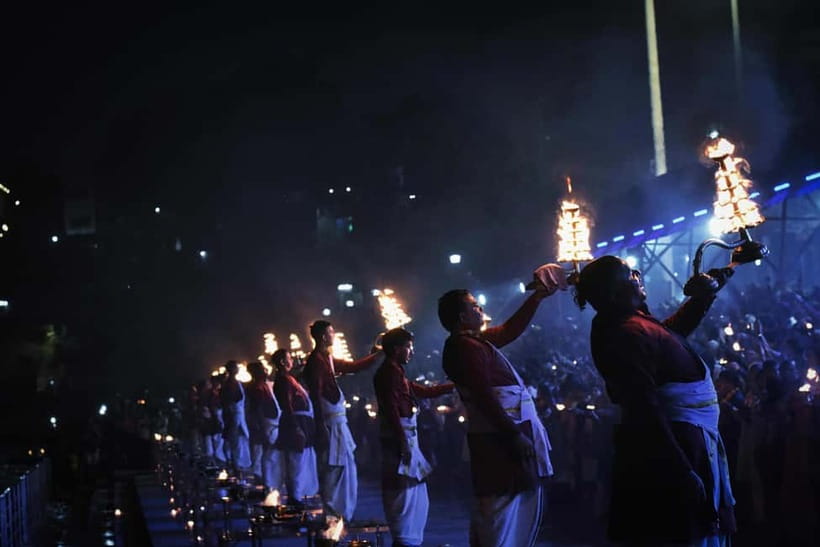
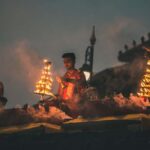
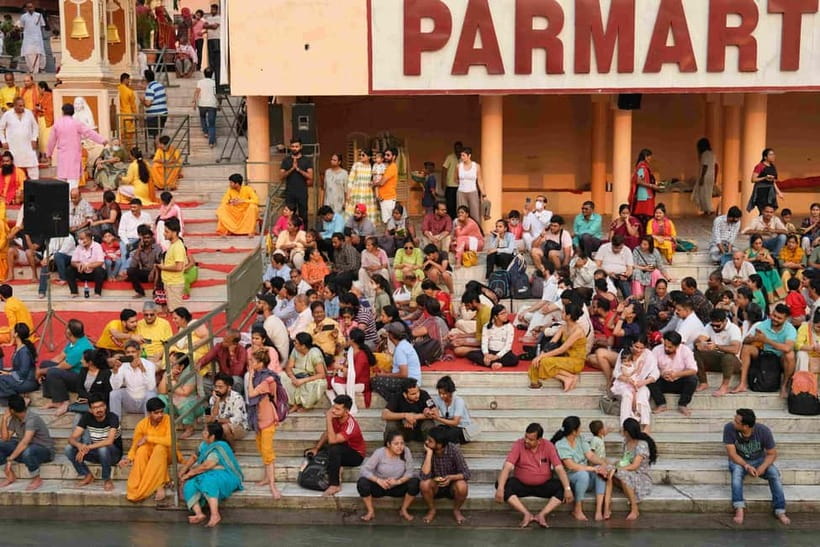
The big finish is Parmarth Niketan – Ganga Ghat, including a photo stop, a visit, and a guided component before the Aarti moment. This is where the evening becomes the kind of experience people remember for years, because it’s not only visual. It’s sound, motion, devotion, and timing all happening together along the river.
The tour keeps you here for about an hour, which is a realistic amount of time to settle, adjust your viewpoint, and take in the full flow. If you want a good vantage, arrive with a calm mindset. You’ll benefit from being ready to stand quietly and watch rather than constantly repositioning.
What makes this ceremony especially powerful is the way it feels both public and personal. It’s for everyone, but it also has that intimate concentration. If you’re the kind of person who enjoys seeing how locals keep tradition alive, you’ll likely feel pulled in here.
Practical note: it’s still a ceremony at a ghat, so the ground and crowd movement can be unpredictable. Wear shoes you trust, and keep your phone secured.
Price and value: what $33 gets you in real terms
At $33 per person for a 3-hour guided evening, the value is mostly in the structure. You’re paying for an English-speaking guide, a planned route across major river landmarks, and guided context that helps you understand what you’re seeing.
What’s included is genuinely useful for an evening walk:
- Coffee or tea
- Bottled water
- Snacks
- A professional live English-speaking guide
What’s not included:
- Meals (so you’ll want to eat before or plan for a later dinner)
- Alcohol and alcoholic beverages
- Hotel pickup and drop-off
- Personal expenses
For me, the best value part is the guide time. Rishikesh’s spiritual sites can look similar to first-timers, and the guide helps you avoid that vague feeling of seeing “pretty temples” without meaning. If you’re visiting with limited time and you want the most recognizable Ganga evening experience, this price feels fair for the amount of ground and guided explanation you get.
Comfort checklist: how to make the walking feel easy
This is an evening walking experience, so bring the basics that keep you comfortable:
- Comfortable shoes
- Comfortable clothes
- Cash
That cash note matters because you might want it for small purchases or offerings you decide to make on the way. The tour itself includes tea/coffee, water, and snacks, but cash can still be handy in temples and market-adjacent areas.
Also note what’s not allowed: alcohol and drugs. If you’re carrying anything like that, leave it out.
Temperature can shift after sunset along the river, and crowds can make it feel warmer than expected while you walk. Wear layers if you tend to get cold easily.
Who this tour suits (and who should skip it)
This tour is a good fit if you:
- Want a guided evening route focused on iconic Rishikesh river spots
- Like spiritual context, not just photos
- Enjoy a mix of calm stops (temple and beach) and a strong ceremony climax (Ganga Aarti)
It may not be ideal if:
- You’re pregnant
- You’re over 70
- You don’t do well with steady walking and standing around in a busy public setting
No matter your age, if you have mobility limits, this one is worth thinking through carefully. The plan is only 3 hours, but the walking and standing at ghats can add up.
Booking tips: how to time your day around this ceremony
To make the evening work smoothly, build your schedule so you’re not rushing in hungry or exhausted. Since meals aren’t included, I’d plan a proper meal earlier in the day and then rely on the provided snacks and tea/coffee during the walk.
If you’re aiming to take photos, keep expectations realistic. You’ll have a photo stop at Parmarth Niketan, but the ceremony itself can involve crowd flow and people shifting. The better approach is to watch first, then capture what you can when the view opens up.
And if you want a calmer mental experience, treat the whole route as one continuous moment rather than separate stops. The spiritual power is in the build-up: bridge views, river-side atmosphere, teaching-focused reflection, and then the Aarti.
Should you book this Sacred Ganga Aarti tour?
Book it if you want an organized, English-guided way to experience Rishikesh’s most recognizable spiritual night: bridges and ghats leading into the Parmart(h) Niketan Ganga Aarti. The included tea/coffee, water, and snacks make the cost easier to swallow, and the guide explanations are a big part of why this works.
Skip it if you need minimal walking, don’t like standing in crowds, or fall into the not-suitable groups listed for the tour. Also, if you’re only after a quick photo grab and don’t care about context, you might feel the time is better spent exploring on your own at your pace.
If you do go, I’d show up ready for a real evening experience: comfortable shoes, a calm attitude, and an open mind for a ceremony that’s both deeply local and surprisingly moving.
FAQ
Where does the tour start?
You meet outside Trayambakeshwar Temple, at Om Shiv Pooja bhandar.
How long is the tour?
The tour lasts about 3 hours.
Is the guide available in English?
Yes. The tour includes a live English-speaking guide.
What is included in the price?
The tour includes the live guide, coffee or tea, bottled water, and snacks.
Are meals included?
No, meals are not included.
Is hotel pickup or drop-off included?
No, hotel pickup and drop-off are not included.
Can I bring alcohol or drugs?
No. Alcohol and drugs are not allowed.
Who is the tour not suitable for, and what cancellation options are available?
The tour is not suitable for pregnant women and people over 70. It also offers free cancellation up to 24 hours in advance for a full refund, and you can reserve now and pay later.