REVIEW · KATHMANDU
Manaslu Circuit Trek 8th Highest in the World
Book on Viator →Operated by Adventure Glacier Treks & Expedition · Bookable on Viator
Manaslu Circuit delivers serious mountain drama in a remote package. I like that you get full support—professional guide, porters, permits, and meals—so you can focus on pacing and views. I also like the itinerary’s rhythm: river valleys early on, then higher Tibetan-flavored villages, and finally the long, early Larkya La Pass push. One drawback to plan for: this is a restricted area trek with strict requirements, so it’s not as flexible or casual as the more open routes.
The big value here is simple: the Manaslu region feels far from crowds, and the logistics are handled for you. The trek also includes Kathmandu time (including Kathmandu Durbar Square) to sort gear and get your bearings before you head out. Still, the road to start can be bumpy, and the pass day is long enough that you’ll want real stamina, not just good intentions.
In This Review
- Key things I’d focus on before you go
- Why the Manaslu Circuit feels remote: permits, rules, and real effort
- Kathmandu warm-up in Thamel: gear sorting and a one-day valley taste
- Road days you should not underestimate: Machha Khola to Tatopani
- Sirdibas to Salleri and on to Namrung: Buddhist hints and forest walking
- Samagaun’s Manaslu views and Samdo’s Tibetan feel
- Larkya La Pass: the long sunrise plan (and why timing matters)
- Dharapani and Jagat: joining the Annapurna trail flow on the way down
- Ending the Circuit back in Kathmandu: Besisahar jeep and the bus ride home
- Price and logistics: is $1,600 actually good value here?
- Who this trek is for (and who should think twice)
- Should you book this Manaslu Circuit trek?
- FAQ
- How long is the Manaslu Circuit trek?
- Where does the trip start and end?
- Is airport pickup and drop-off included?
- What permits are included?
- What’s included for meals during the trek?
- Are meals in Kathmandu included?
- Do I need a guide and porter?
- Is there an optional side trip near the Tibetan border?
- How hard is the pass day?
- Is the cancellation policy flexible?
Key things I’d focus on before you go
- Restricted Manaslu region access means you’re paying for permits and structured compliance, not just walking in the hills.
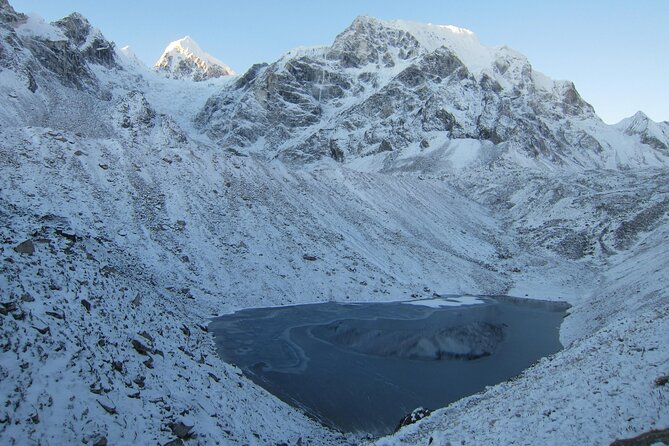
- Tibetan-influenced villages like Samagaun and Samdo add culture texture, not just peak photos.
- Larkya La is an all-day effort with an early start for sunrise and wind management.
- An 8-hour Tibetan border side trip from Samdo is a smart optional add if your timing works.
- Support that’s baked into the price (guide, porters, their insurance/equipment, meals on trek) makes budgeting easier.
Why the Manaslu Circuit feels remote: permits, rules, and real effort
The Manaslu Circuit is famous for one reason that matters in real life: it’s not the easiest trek to access, so it attracts a smaller crowd. You’ll be trekking through a restricted area of Nepal that requires expensive permits, including a special permit listed at $100. That instantly changes the vibe. Instead of passing through busy trail hubs every day, you spend more time with fewer people, more village routine, and more space to notice how places work.
This is also a trek with rules. You’ll need to trek with a registered Nepali trekking company, and there’s a group requirement: at least two trekkers in the group (not counting the guide and porter). If you’re traveling as a small group, the company can still run this as a private activity where only your group participates, but that underlying rule matters for planning.
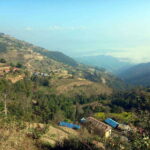
The payoff is exactly what you came for: Himalayan peaks, changing valleys, remote pastures, and traditional villages that still feel like villages. The mountains are the headline, but the slow shift in scenery—from lower river walking to high ridges and tundra—makes the journey feel earned.
You can also read our reviews of more hiking tours in Kathmandu
Kathmandu warm-up in Thamel: gear sorting and a one-day valley taste
Your trip begins in Kathmandu, where airport pickup and drop are included. That’s not just convenience; it helps you avoid day-one chaos when you’re tired from travel and still figuring out what you need for trekking. You’ll stay about three nights in Kathmandu at tourist-standard hotels, with the trek office handling the initial handoff.
Day 1 is centered on Thamel, the classic Kathmandu base. On Day 2, the plan includes a visit to Kathmandu Durbar Square, plus time to get your gear sorted. A useful detail here: your trek team will review what you need for the trek and recommend whether to buy, rent, or receive items from them if available. That kind of gear check can save you money and prevent the common rookie mistake of arriving unprepared and rushing purchases under pressure.
If you’re the type who likes to understand what’s coming, Kathmandu is your chance to ask questions about layers, trekking shoes, and how you’ll handle long walking days. It’s also when you can adjust expectations: this is not a short hike. It’s a 14-day trek with at least a couple of full-day efforts.
Road days you should not underestimate: Machha Khola to Tatopani
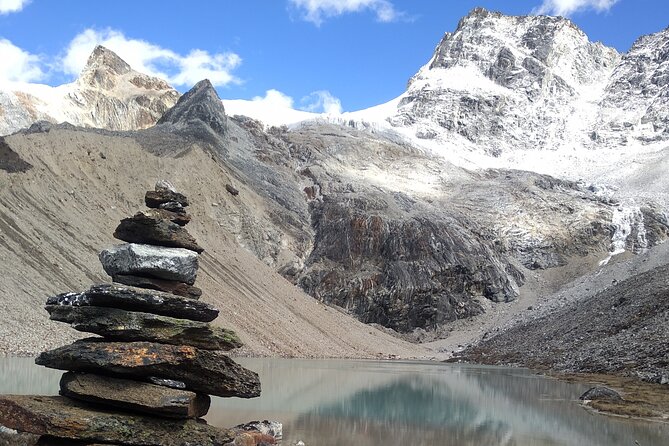
Before you earn any altitude, you’ll deal with Nepal roads. After breakfast in Kathmandu, you drive to Machha Khola, and the route condition can make the ride lengthy. It may be bumpy at times, so plan to ride with patience. This is one of those days where the schedule is real but the comfort level depends on the road that day.
Once you’re out of the vehicle and on foot, Day 4 shifts into a classic Manaslu start: cross a river, then ascend to Khorla Besi from Machha Khola. You’ll follow a river valley with waterfalls and landslides—scenery that’s dramatic, and also a reminder that trails here are carved through living terrain. The walk takes you toward Tatopani village, a stop associated with natural hot springs, which can be a welcome reset after a long travel day.
Practical takeaway: treat these early days as setup. Don’t go fast just because you can. You’re saving energy for the longer trekking days and, eventually, the pass.
Sirdibas to Salleri and on to Namrung: Buddhist hints and forest walking
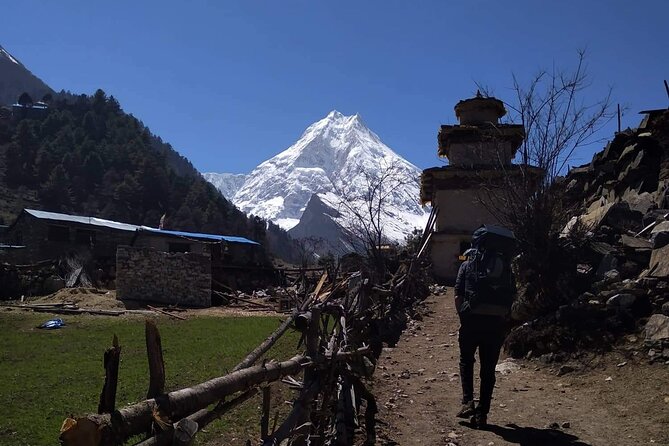
Day 5 focuses on the transition from river trekking into a more village-and-peak rhythm. You’ll trek down to Sirdibas (1,430 m), and this is where you’ll start seeing signs of Buddhist culture. Then you continue onward toward Salleri (1,440 m), with views of Sringi Himal (7,187 m).
Day 6 brings you to Namrung and the feeling of entering deeper valleys. You’ll trek down to the Sringi Khola Valley, cross the river, and hike through forests to Ghap. This is a quieter, cooler segment—forests do that for you—and it helps you settle into the steady effort that the Circuit requires.
What I like about this portion is that it doesn’t jump straight to high-altitude drama. You build into it. That matters because your body adapts better when you’re not constantly trying to brute-force climbs.
Samagaun’s Manaslu views and Samdo’s Tibetan feel
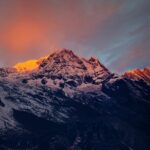
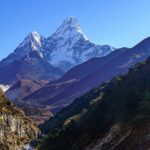
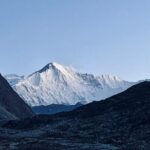
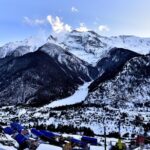
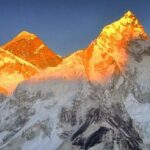
Day 7 is where the Manaslu story turns into mountain exposure. Trekking to Samagaun, you’ll notice Tibetan cultural influence strongly in the surrounding area. And then the views start stacking: Manaslu (8,163 m), Manaslu North (7,157 m), and Naike Peak (5,515 m) are all mentioned as visible from this stretch. That’s the kind of sighting that makes the earlier days feel like the opening act.
Day 8 moves toward Samdo, and the trail description is a nice break in intensity: mostly flat walking through juniper and birch forests via Kermo Kharka, followed by a hike down to cross a river. Then you reach the area where the Budhi Gandaki and Shyale Khola merge. It’s a scenic geography day—less about grinding uphill and more about paying attention to how the river system shapes the route.
Day 9 is even more about choice. You have an 8-hour side trip option to the Tibetan border, with packed lunch and plenty of drinking water. If you don’t want extra hiking that day, you can stay in Samdo, observe daily life, and take in the slower pace of a frontier-feeling community.
If you’re deciding how hard to push, this is where you can balance it. The side trip sounds tempting, but you’ll also want to preserve energy for the pass day coming soon.
Larkya La Pass: the long sunrise plan (and why timing matters)
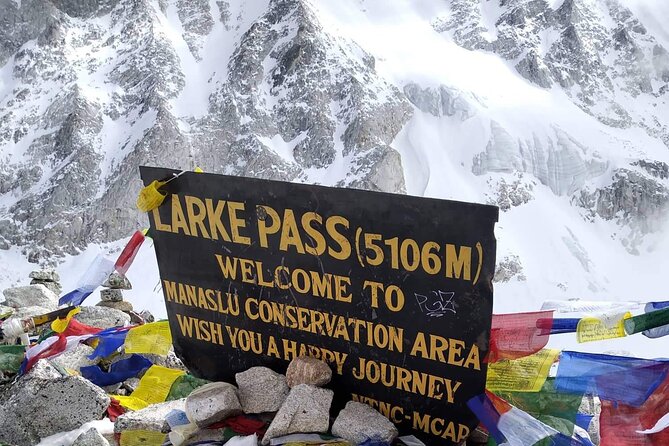
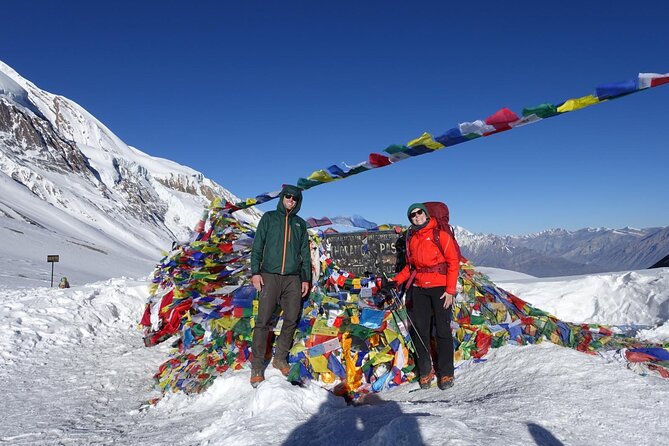
This is the segment that decides how the trek feels. Day 10 starts with a big walking day labeled around 12 hours. You’ll descend to 3,850 meters to cross the Budhi Gandaki, then ascend through juniper and tundra, moving in and out of ravines. Eventually you reach Larkya Guest House, described as the final stop before Larkya La.
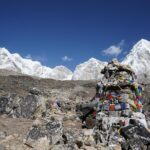
Day 11 is another 12-hour day and it comes with a clear timing warning: you’ll need to leave early to catch sunrise over the pass and to avoid strong wind after midday. There’s also a practical note to keep your torch close by as you start the steep walk over several ridges. That’s not a vague suggestion; it’s about safety and footing when visibility changes.
When you read that and picture it, you should understand the real challenge: wind, cold, and steep terrain don’t care about your enthusiasm. The point is to show up ready, leave early, and keep your pace steady. If you’re chasing big photos, sunrise helps—but the real win is getting the pass conditions you want rather than suffering the afternoon wind described for this route.
Also, note the direction in the plan: after the pass, you return toward Samagaun for the night. That means you’re not just crossing a line on a map. You’re turning that crossing into a full-day hiking loop with real effort on both sides.
Dharapani and Jagat: joining the Annapurna trail flow on the way down
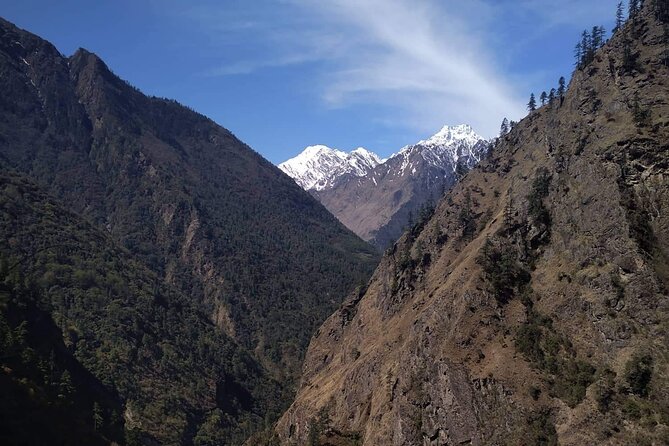
After the pass, Day 12 shifts into a different kind of satisfaction: trekking from Bimtang through forests and pastures of the Dudh Khola Valley to Dharapani. This is described as about a 7-hour journey, and an important change happens here—you join the more popular Annapurna Circuit Trek trail thanks to Manaslu.
That’s a meaningful difference. Popular routes usually have more traffic, more stable logistics, and more guesthouse options. It doesn’t make the scenery less impressive, but it does change the feel of the hike from remote and quiet to more familiar trekking rhythms.
Day 13 continues the descent from Dharapani to Jagat (about 6 hours). You’ll descend near the Marsyangdi Nadi Gorge. The plan also suggests that, depending on roads, you can charter a Jeep to help with logistics. That’s the kind of flexible option that can make the end of the trek feel smoother after you’ve already done the hardest days.
Ending the Circuit back in Kathmandu: Besisahar jeep and the bus ride home
Day 14 is all about getting you back to Kathmandu. For the first half of the day, you travel to Besisahar in a shared jeep, with a view of the village areas around Besisahar. Then you refresh and take a bus from Besisahar back to Kathmandu.
The key value of this day is that it removes the need to figure out last-mile transport while you’re tired. You’ve already earned your rest by finishing the Circuit; the ride home should feel like a release, not another puzzle.
Price and logistics: is $1,600 actually good value here?
At $1,600 per person, this trek is priced like a true full-service access trek, not like a barebones self-guided option. The inclusions are doing real work for your budget and stress level:
- Airport pickup/drop in Kathmandu
- 3 nights accommodation in Kathmandu at tourist standard hotels
- Ground transportation
- Necessary permits, including the special permit ($100)
- Professional guide plus porter(s), including their expenses and insurance, plus their equipment
- Guesthouse accommodation on trek
- Three meals a day (breakfast, lunch, dinner) on the trekking days as scheduled
On top of that, you’ll see “entrance fees” included, and the tour notes a mobile ticket. Taken together, it means you’re mostly paying for access, staffing, and steady day-to-day operation.
What’s not included is also clear, which helps you budget honestly: beverages, tips, your travel insurance, and personal/nature expenses. Food in Kathmandu is not included beyond the daily breakfast (so you’ll pay for lunch and dinner on your own there).
The special permit and the strict requirement to trek with a registered company are the big drivers of price. You’re not just paying for walking distance—you’re paying for legal access to a restricted region and for the support structure that keeps the trek running.
Who this trek is for (and who should think twice)
This trek is for you if you want a remote Himalayan experience with Tibetan-influenced villages and big pass scenery, without having to manage complicated permits and day-to-day logistics alone. It also suits people who like being guided—especially if you value safety and local knowledge.
The program requires strong physical fitness. And realistically, the schedule includes long days (about 12 hours) around the pass segment, plus trekking days across changing terrain. If you’re new to multi-day altitude walking or you hate being on your feet for half the day or more, you’ll want to train and choose your pace carefully.
It may be especially appealing if you’re drawn to people-based service. In the feedback tied to this operator, guides and porters have been mentioned by name—Roshan (guide) and Sudip (porter) show up as examples of how attentive the pairing can feel. Dil and Samir also appear as part of the local team in past experiences, which reinforces that this isn’t an anonymous operation.
Should you book this Manaslu Circuit trek?
Book it if you want:
- A restricted-area trek where the journey feels quieter and more serious
- Clear support: guide, porters, permits, and meals included
- Real cultural shifts: Buddhist cues early, Tibetan-influenced towns later
- A pass crossing done with an early sunrise plan and wind awareness
Think twice if:
- You’re not ready for long walking days, especially around Larkya La
- You need a super flexible itinerary. This route has structure because permits and local rules shape how it works.
If you want Manaslu for the right reasons—remote access, culture, and mountain effort—this setup looks like strong value for the money, mainly because it handles the hard parts off-trail: permits, staffing, meals, and transport.
FAQ
How long is the Manaslu Circuit trek?
It’s listed as 14 days approximately.
Where does the trip start and end?
It starts and ends back at the meeting point in Kathmandu: Best Tour & Travel agency in Nepal – Adventure Glacier Treks.
Is airport pickup and drop-off included?
Yes. Airport pickup and drop are included.
What permits are included?
The package includes necessary permits, including a special permit listed at $100.
What’s included for meals during the trek?
The itinerary includes three meals a day (breakfast, lunch, dinner) as mentioned in the schedule.
Are meals in Kathmandu included?
Food in Kathmandu is not included except for daily breakfast.
Do I need a guide and porter?
Yes. A professional guide and porter/porters are included, along with their expenses, insurance, and equipment.
Is there an optional side trip near the Tibetan border?
Yes. From Samdo, there’s an optional 8-hour side trip to the Tibetan border with a packed lunch and drinking water.
How hard is the pass day?
The Larkya La Pass segment involves long days and an early start for sunrise, with a note about strong wind after midday and keeping a torch close by.
Is the cancellation policy flexible?
Yes, cancellation is free. You can cancel up to 24 hours in advance for a full refund.