REVIEW · TIBET
6 Days Lhasa Gyantse Shigatse Group Tour
Book on Viator →Operated by Great Tibet Tour · Bookable on Viator
This route is a great way to see Tibet in fast-forward. The big wins are hitting Lhasa’s top sights and then continuing on to Gyantse and Shigatse without the stress of figuring it all out. You’ll get an organized setup with a guide, transport, permits, and entrance tickets.
What I like most is the mix of famous religious landmarks and real daily-life context. Potala Palace and Jokhang Temple give you the headline Tibet experience, while places like Barkhor Street help you see the old-city rhythm around those sacred sites. I also appreciate the practical structure: hotel stays, selected meals, and guided routing mean you spend less time waiting, searching, or second-guessing.
One consideration: this is not a slow, flexible tour. You’ll be on a schedule across long travel days, and Tibet’s altitude is real—so build in patience and take it easy, especially around the high passes.
In This Review
- Key things to know before you go
- The big-picture value: what this trip actually buys you
- Your 6-day route through Lhasa, Gyantse, and Shigatse
- Day 1: Arrive in Lhasa and get settled
- Day 2: Drepung Monastery, Tibet Museum, and Norbulingka
- Day 3: Potala Palace, Jokhang Temple, and Barkhor Street
- Day 4: High-pass road day with Yamdrok Yumtso and Gyantse’s Pelkor Chode
- Day 5: Shigatse and Tashilunpo Monastery
- Day 6: Depart with the tour vehicle
- What’s included (and why it matters for value)
- Tour pace, comfort, and altitude: my practical advice
- Guides and on-the-ground organization: what the names suggest
- Price check: is $959 fair for what you get?
- Should you book this 6-day Lhasa–Gyantse–Shigatse tour?
- FAQ
- What’s included in the tour price?
- Are lunch and dinner included?
- How do pick-up and drop-off work?
- How do the permits work, and how long do they take?
- What are the main sights you’ll visit?
- What happens if I’m a solo traveler?
Key things to know before you go
- You’re paying for logistics, not just sightseeing: permits, a licensed vehicle, guide, and entrance tickets are built into the package.
- You get the Lhasa essentials plus the next-level stops: Drepung, Norbulingka, Potala, Jokhang, then Gyantse and Shigatse monasteries.
- Group size stays small (max 12), which helps the tour feel coordinated instead of chaotic.
- Comfort checks are included: oxygen tank for emergency use, mineral water each day, and en suite twin rooms at 3★/4★ hotels.
- Altitude peaks on the road: you pass Gampala Pass (4790m) and view sites along the highway route.
- You still plan for your meals: breakfast is included, but lunch and dinner are not.
The big-picture value: what this trip actually buys you
At $959 per person for 6 days, this tour can look pricey on paper—until you break down what’s included. In Tibet, the “hard parts” are rarely just the hotels or entrance fees. The real time-saver is the entire chain: getting the Tibet Tourism Bureau permit (TTB) handled, moving you between cities in a licensed vehicle, and bundling the entrance tickets so you’re not juggling paperwork and ticket lines on the ground.
You also get a guide and transport built around a group schedule. That matters because Lhasa in particular can be confusing if you don’t know where to start, and because many key sites cluster in areas where it helps to have someone local route you efficiently. The tour runs like a finished product: you show up, and the day’s plan is already mapped.
The other value move is that this isn’t only Lhasa. A lot of shorter Tibet tours stop there. Here, you keep going to Gyantse and Shigatse, which gives you a broader feel for Tibetan culture outside one city. That can turn your trip from sightseeing into a more satisfying sense of place.
You can also read our reviews of more tours and experiences in Tibet
Your 6-day route through Lhasa, Gyantse, and Shigatse
This tour is designed as a loop with real sightseeing blocks each day, then travel days that include scenic viewpoints.
Day 1: Arrive in Lhasa and get settled
Day 1 is all about getting you into Lhasa smoothly. You’ll be picked up at Lhasa Gonggar Airport or the railway station and transferred to your hotel. The transfer timing is practical: about 90 minutes from the airport and about 20 minutes from the train station.
Why this matters: Lhasa’s first-day fatigue is real, even if you’re not feeling “sick.” A guided arrival beats the stress of trying to navigate transfers while you’re still adjusting. It also sets you up for a calmer start the next morning when sightseeing begins early.
You’ll likely notice the tour’s rhythm right away: not a chaotic hopscotch day, but a clean landing.
Day 2: Drepung Monastery, Tibet Museum, and Norbulingka
Day 2 is a strong cultural day, and it’s built in three distinct layers.
Drepung Monastery (Zhebang Si) is your morning anchor. The tour highlights its large scale and the white buildings typical of major monastic complexes. Going early usually helps with atmosphere and flow—monasteries are the kind of place where light and quiet matter.
Then you move to the Tibet Museum. This is a smart pairing. Monastery visits explain the sacred side, while the museum gives you a broader baseline: life scenes, clothing, house architecture, and festival customs. Even if you’re not the museum type, this can reduce the feeling of being “lost” inside what you’re seeing.
In the afternoon, you’ll visit Norbulingka (Precious Stone Garden), described as a Tibetan-style royal garden and the summer resort of the Dalai Lama. This stop gives you a palate cleanser after the monastery intensity. Gardens also offer a gentler pacing option if you’re feeling altitude effects.
A small drawback: Day 2 packs in a lot. If you get tired easily, slow down your photos and take breaks. The tour includes tickets, but you still control how long you linger.
Day 3: Potala Palace, Jokhang Temple, and Barkhor Street
Day 3 is the day most people picture when they imagine Tibet, and the itinerary wisely layers the experiences.
First is Potala Palace, the iconic landmark of Tibet and a masterpiece of Tibetan architecture. The tour notes it as the winter palace of successive Dalai Lamas. This is not just a building. It’s the story of power, faith, and history—visible in stone, stairways, and courtyards.
Next comes Jokhang Temple in central Lhasa old town. This is Tibet’s most sacred temple, and the tour pairs it with a midday reset (lunch and rest) before the afternoon visit. That break matters, because temples are often where you do the most walking at the most emotionally intense moments.
After Jokhang, you’ll stroll Barkhor Street, the devotional circuit and a crowded market area around the Jokhang complex. This stop is free and it’s exactly the kind of place where you learn the social side of religion. You’ll see pilgrims moving with intention, alongside locals shopping and vendors doing what locals do.
One consideration: Barkhor can feel busy. If you’re sensitive to crowds or you want more quiet time, treat it as an orientation walk rather than a slow wander. You’ll still get the vibe without getting over-stimulated.
Day 4: High-pass road day with Yamdrok Yumtso and Gyantse’s Pelkor Chode
Day 4 shifts from city sightseeing to road travel with big scenery stops.
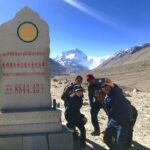
On the way from Lhasa to Shigatse, you’ll pass Gampala Pass (4790m), and then visit Yamdrok Yumtso Lake. The tour emphasizes the turquoise color and snow-capped views around Mount Nyenchen K… (the name is truncated in the provided text, but the key idea is clear: lake + peaks). Sacred lakes are part of Tibetan spiritual geography, so this isn’t just a photo stop.
Later, you’ll pass and enjoy the Karola Glacier from a highway viewpoint, close enough—about 300 yards—to get clear sightlines.
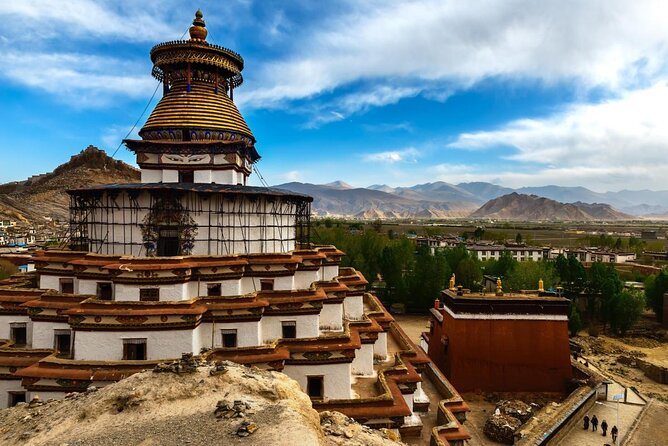
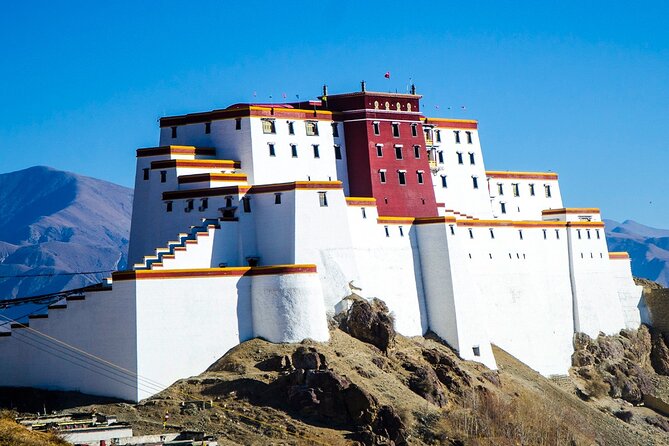
Then you arrive in Gyantse and visit Pelkor Chode Monastery, described as the main monastery in Gyantse, famous for its architecture and intact murals and statues. This stop often feels more “place-specific” than the big Lhasa monuments. Gyantse has its own character, and the monastery reinforces that.
Road-day reality check: if you’re prone to motion sickness or you’re tired from altitude, bring what you need. A licensed vehicle helps comfort, but the day still includes travel time between cities.
Day 5: Shigatse and Tashilunpo Monastery
Day 5 is a Shigatse spotlight, focused on one major monastery visit.
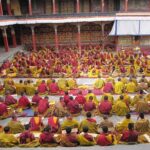
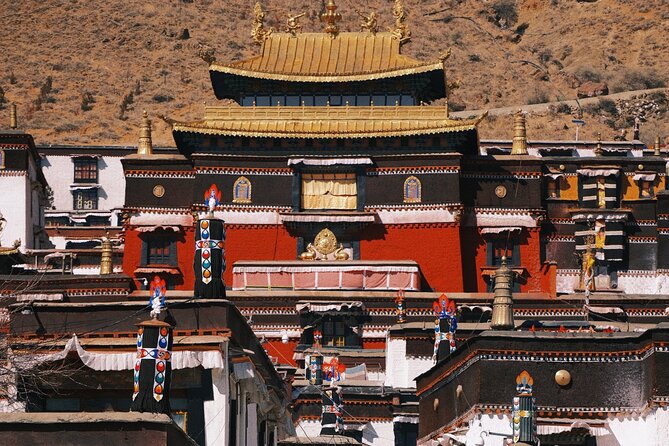
You’ll visit Tashilunpo Monastery, described as the Panchen Lama’s home. The tour notes it was founded by the 1st Dalai Lama in 1447, which matters because it places the site in a long timeline rather than treating it as a modern attraction.
In many ways, Tashilunpo balances the trip. By now you’ve seen major centers of faith and city life in Lhasa, plus the regional monastery feel in Gyantse. Shigatse adds another layer, and Tashilunpo is the historic anchor.
This is the kind of day where you get the most value if you slow down. Don’t rush through the courtyards just to check a box. Let the site settle in, especially after the road day.
Day 6: Depart with the tour vehicle
Day 6 is straightforward. Your guide and driver escort you to the airport or railway station for your next destination. The tour lists multiple drop-off times (8:30 am, 12:30 pm, and 2:30 pm), which helps if your departure schedule varies.
This is where good logistics pay off. You don’t have to negotiate a last-minute transfer while you’re tired and altitude-adjusting.
You’ll also be asked to fill out a feedback form. That’s a small detail, but it often reflects whether the provider stays engaged after the trip.
What’s included (and why it matters for value)
This tour includes a bundle that’s especially important in Tibet:
- 5 nights in twin en suite rooms at 3★/4★
- Travel-licensed vehicle (gas and parking included)
- Guide (local English-speaking)
- Permit handling via Tibet Tourism Bureau Permit (TTB) plus express delivery of permits for collection
- Entrance tickets for listed sights (and free entry for Barkhor Street)
- Oxygen tank for emergency use
- Two bottles of mineral water per person per day
- Breakfast (5)
A smart thing here: the permit and guide aren’t optional add-ons. They’re the backbone of the experience. If you’re comparing costs with a “book hotels yourself” approach, it’s easy to miss how much time (and stress) permits and routing add.
Not included items are also clear: lunch and dinner, flights/trains, China visa, personal expenses, optional sights, and gratuities. If you’re budget-minded, plan your food spending ahead.
Tour pace, comfort, and altitude: my practical advice
This is a group tour (max 12 travelers), so you’ll get coordination without feeling like you’re stuck in a human train. Still, it is structured, not free-form.
Altitude is the big real-world variable. The itinerary includes Gampala Pass at 4790m, plus multiple high-elevation areas depending on route and stop locations. That’s why oxygen tank access is listed as included. It’s not something you want to use, but it’s reassuring to have.
Practical moves:
- Take the first day easy and pace yourself during sightseeing blocks.
- Hydrate. The tour provides water daily, but you still want to drink consistently.
- If you’re sensitive, keep expectations modest. Monuments are amazing, but your body sets the pace.
Also, the tour notes that the guide may not always be present during the first/last day pickups because the vehicle is handling group transfers. The driver is still part of the service, but you’ll want to be ready for a more hands-on guide experience during the sightseeing days.
Guides and on-the-ground organization: what the names suggest
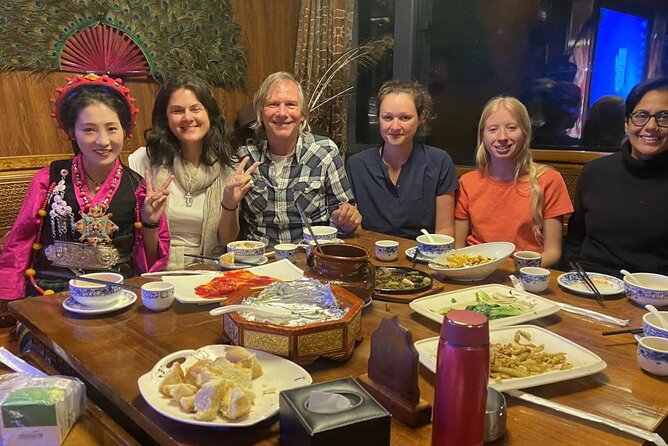
One of the most compelling signals from the feedback you shared is that the experience is powered by real people with planning skills. Specific guide/organizer names show up repeatedly: Lobsang and Lhakdon are praised for being organized and for planning ahead to avoid crowds. Dhargie (also spelled Darhyge in one place) is mentioned for thoughtful care, especially when someone in the group wasn’t feeling well.
Even without promising any exact guide assignment for your departure date, this pattern matters. It suggests you’re booking a tour operator that invests in the local guide team, not just the paperwork side.
For you, that translates into fewer wasted minutes. In Tibet, minutes are not just time—they’re energy.
Price check: is $959 fair for what you get?
I’d frame the value like this: you’re paying for a managed Tibet permit + routing + in-country logistics package.
Compared with piecing together hotels, tickets, local driver arrangements, and permit timelines yourself, this is often easier and sometimes not as expensive as it first seems. The included items that carry real weight are the TTB permit handling, the guide, the licensed vehicle, and the entrance tickets.
If you’re the kind of traveler who wants freedom to sleep in, change plans daily, and eat exactly where you want, a group tour might feel tight. If you want to see Lhasa plus Gyantse plus Shigatse without turning your trip into project management, the price is much easier to justify.
Also, the tour is booked about 75 days in advance on average. That hints demand is steady—so if you’re set on a date, earlier booking can help you avoid scrambling later.
Should you book this 6-day Lhasa–Gyantse–Shigatse tour?
Book it if you:
- Want the big Lhasa highlights and the next steps into Gyantse and Shigatse
- Prefer a guided itinerary so you spend less time figuring out logistics
- Like a structured group format with small group size (up to 12)
- Appreciate that permits, tickets, and transport are included rather than added later
Skip it or be cautious if you:
- Need maximum flexibility to change the plan day-to-day
- Are worried about long travel days and a scheduled pace
- Want lunch and dinner included (you’ll need to plan that separately)
If you match the first set, this tour is a solid value: it reduces the “Tibet admin load” and gives you a clean, high-impact route across the region.
FAQ
What’s included in the tour price?
The package includes 5 nights in twin en suite rooms (3★/4★), a licensed vehicle with gas and parking, an English-speaking local guide, the Tibet Tourism Bureau Permit (TTB), entrance tickets for the listed sights, oxygen tank for emergency use, mineral water daily, and breakfast (5).
Are lunch and dinner included?
No. Lunch and dinner are not included, so you’ll want to budget for meals during the day.
How do pick-up and drop-off work?
You’ll receive hotel pickup on the first day from Lhasa Gonggar Airport at scheduled times (9:30 am, 1:00 pm, 4:00 pm). The tour also includes railway station transfer on the first and last day, and airport/railway drop-off on the last day at 8:30 am, 12:30 pm, or 2:30 pm.
How do the permits work, and how long do they take?
The tour includes handling the Tibet Tourism Bureau Permit (TTB). The permit usually takes about 12 working days to apply, and you must provide passport details at booking. If required information isn’t provided in time, there may be an extra charge.
What are the main sights you’ll visit?
You’ll visit Drepung Monastery, Tibet Museum, Norbulingka, Potala Palace, Jokhang Temple, Barkhor Street, Yamdrok Yumtso Lake, Karola Glacier viewpoint, Pelkor Chode Monastery, and Tashilunpo Monastery.
What happens if I’m a solo traveler?
The quote is based on twin rooms. If you’re traveling alone, a single supplement is required at booking. If the operator later finds someone to share the twin room with, the single supplement can be refunded.