REVIEW · KATHMANDU
Kathmandu and Surrounding Full-Day Mountain Biking Tour
Book on GetYourGuide →Operated by Snowy Horizon Treks & Expedition (P.) Ltd. · Bookable on GetYourGuide
Pedal Kathmandu’s rim for a day that feels wild. You’ll bike quiet dirt roads along the valley’s ridge-top trails, riding from farmland edges into temple stops and village byways. I especially like the way your guide can shape the route to your level, and the big payoff is the Himalaya views you earn after the climbs. The main thing to consider is that some options are genuinely technical—narrow jungle sections, fast descents, and cliff exposure—so you’ll want to pick the right difficulty.
A lot of the value here is practical: the tour includes the mountain bike, helmet and gloves, plus mechanical support so small issues don’t ruin your day. Pickup from Thamel is built in, and you get a packed lunch to keep energy steady. If you’re coming in without strong bike control, the city-to-farmland connection can be a little intense at first because you may have to ride through busy streets with traffic to reach the hills.
In This Review
- Key highlights to expect on this ride
- Why Kathmandu’s valley rim by bike feels different
- Getting started in Thamel, then out past the traffic
- Pick your effort: the four main ride options
- Kathmandu–Tolkha–Kathmandu (easy, beginner friendly)
- Kathmandu–Jamcho–Kathmandu (difficult, jungle climb and rough descent)
- Kathmandu Scar Road tour (the big challenge, technical and steep)
- Kathmandu–Chobar–Lele–Godwari–Kathmandu (scenic southern rim, intermediate-friendly lines)
- What makes the riding “technical” here—and how to handle it
- Himalaya views: what you might spot and when they count
- Temples, farms, and meeting real people (not staged stops)
- Lunch, bikes, helmets, and what’s actually included
- Price and value: is this worth $80?
- Who should book this and who should skip it
- Should you book the Kathmandu and Surrounding Full-Day Mountain Biking Tour?
- FAQ
- What does this mountain biking tour cost?
- How long is the Kathmandu Valley biking tour?
- Where do you get picked up?
- What’s included in the bike and safety gear?
- Is lunch included?
- What tour languages are available?
- Which routes are available, and how do they differ?
- Are park or monument entry fees included?
- Who shouldn’t book this tour?
- Is free cancellation available?
Key highlights to expect on this ride
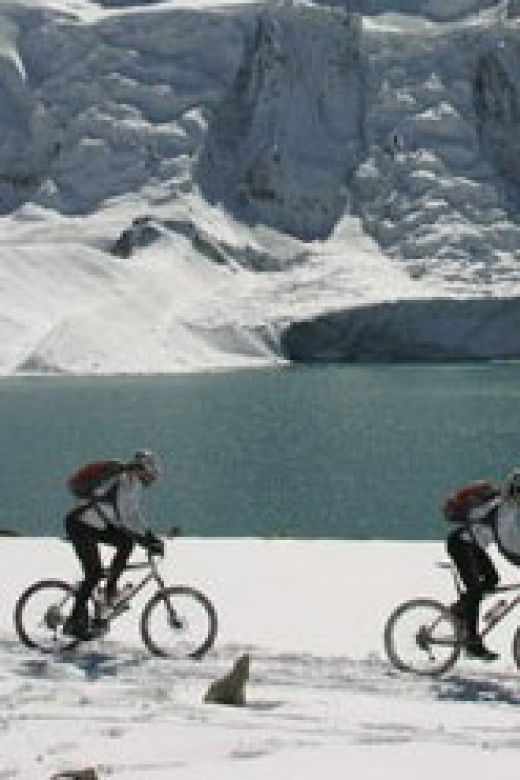
- Rim-top dirt roads around Kathmandu Valley, not just city cycling
- Skill-based route choices, from a beginner-friendly 19-mile loop to harder technical days
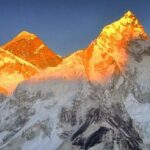
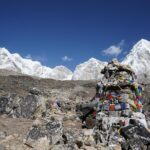
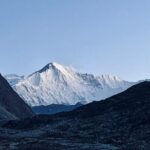
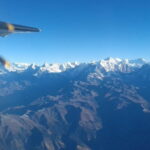
- Himalaya panoramas that can include peaks such as Manaslu, Langtang, Dorji Lakpa, and the Everest-region range on clear days
- Village and temple time with chances to meet local communities, including Newar and Tamang people
- Mechanical backup included, with a repair kit and on-bike problem-solving help
Why Kathmandu’s valley rim by bike feels different
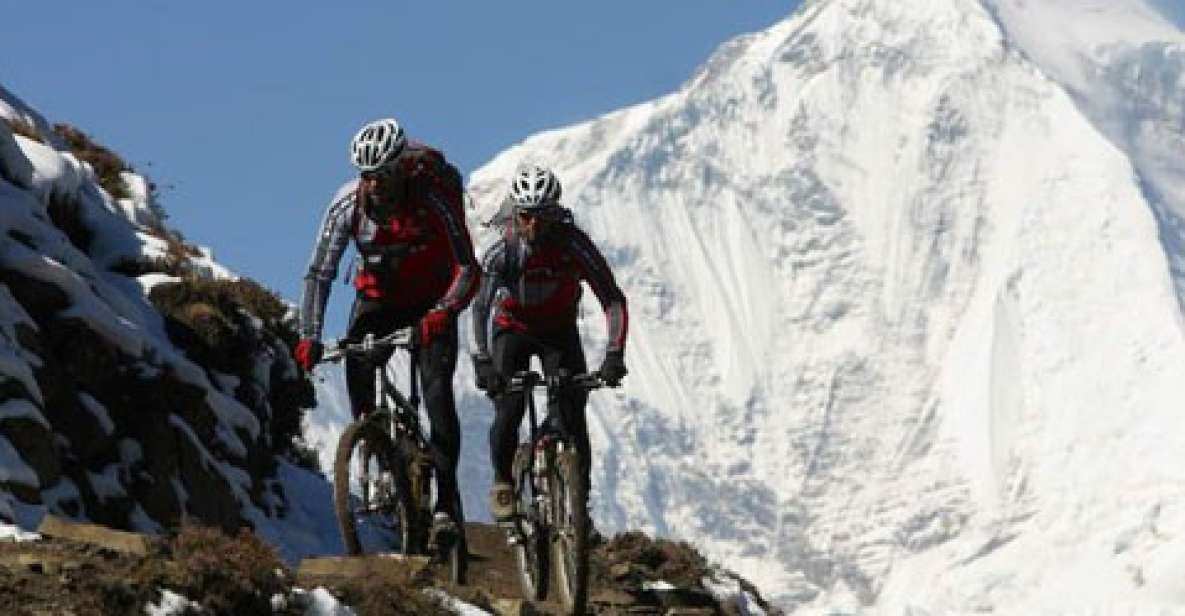
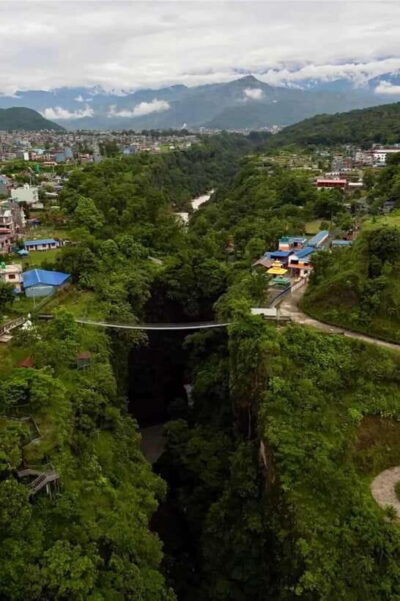
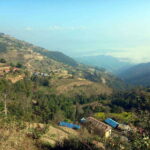
Kathmandu is loud in the center. This tour is different because you start moving into the outer ring—where the roads thin out and the day turns into a mix of dirt tracks, jeep tracks, and village lanes. You’re still close enough to the city to feel connected, but you’ll ride through that in-between world: farms, small temples, wooded slopes, and countryside that makes you forget you’re in Nepal’s busiest hub.
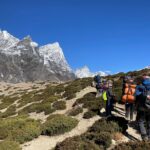
I like tours like this because you’re not just looking at views from a bus window. Your legs do the work. When a panorama shows up—sometimes after a serious climb—it lands harder. And when the route dips into narrow jungle stretches or village downhills, you’re not passively watching; you’re actively reading the trail.
The culture side matters too. You’re not riding past people—you’re moving through places where Newar and Tamang communities live, work, and pray. That’s a big part of why this day feels authentic instead of like a scenic detour.
You can also read our reviews of more cycling tours in Kathmandu
Getting started in Thamel, then out past the traffic
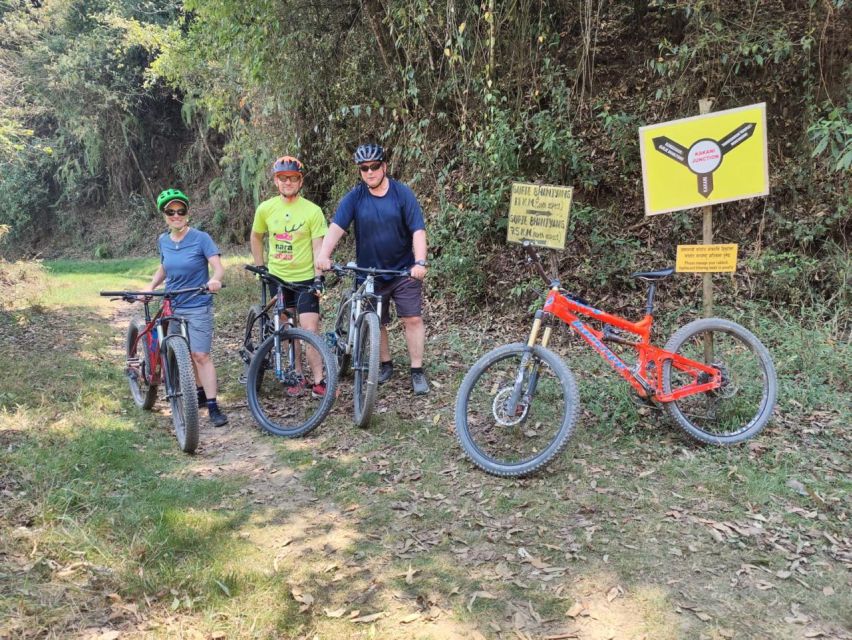
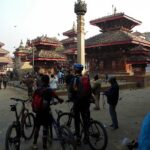
The tour pickup is in and around Thamel. That’s convenient because most visitors are already planted there. After pickup, the cycling portion connects Kathmandu to the farmland hills, and you should be ready for a short run through busy streets with traffic at the beginning and again when returning.
Here’s my practical advice: don’t treat that stretch like a warm-up you can rush. Ride calm, keep your line, and focus on your breathing. Once you’re out of the heavy traffic zone, the day opens up—dirt roads replace asphalt, and the pace feels more natural for mountain biking.
You’ll also spend real time riding along the valley rim. This matters because the climbs and ridgelines aren’t just a backdrop; they shape how the day unfolds and when the best views show up.
Pick your effort: the four main ride options
One of the smartest parts of this experience is that you’re not forced into a single “test of suffering.” You choose among routes that match your technical ability and fitness. And because you’ll likely have an experienced guide, you also get help selecting the right line when the trail offers options.
Below are the four tour styles you’ll typically choose from.
Kathmandu–Tolkha–Kathmandu (easy, beginner friendly)
If you want your first day on Kathmandu mountain-bike trails without getting chewed up, this one is the go-to. It’s an easy-grade loop of 19 miles (32 km) with a climb away from Kathmandu followed by a fun downhill back through villages and farms.
What makes it special is the combination of gentle effort and trail variety. You’ll have chances to test your skills on some single-track sections, but the whole ride stays within a manageable frame for beginners who can comfortably ride a bike for a half day.
A standout moment is the temple stop at Tolkha, where the plan includes a picnic lunch. That’s a nice reset: you burn energy on the climb, sit down with lunch at a historic-style stop, then roll back downhill while the countryside keeps sliding by.
Consideration: because this is designed for easier riding, you might finish craving more technical challenge if you’re already a strong rider.
Kathmandu–Jamcho–Kathmandu (difficult, jungle climb and rough descent)
This is for riders who want a longer grind with real mountain biking reward. The difficult option covers 27 miles (45 km) and is often a 3–4 hour ride window. You climb through National Park jungle, then earn your descent on a rough-and-ready trail.
The structure here matters: jungle climbs make you steady and patient. Rough descents make you quick and precise. That combo is why this route is so satisfying for hardcore riders—it’s not one-note.
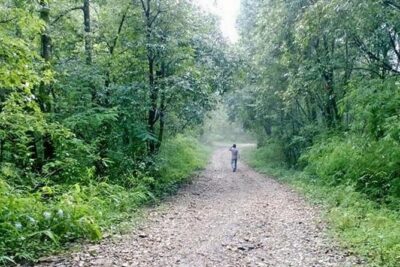
What you should picture: wooded slopes, a sense of being away from the city, and a descent that forces you to pay attention. If you love technical riding and can handle uneven ground, this is the route where you get to “feel” mountain biking instead of just cycling.
Consideration: it’s longer and tougher than the Tolkha ride, so if your fitness is shaky or your confidence is low on uneven trail, you’ll probably spend the day fighting your own nerves rather than enjoying the scenery.
You can also read our reviews of more tours and experiences in Kathmandu
Kathmandu Scar Road tour (the big challenge, technical and steep)
This is one of the most talked-about rides in the Kathmandu Valley area for a reason: it mixes a major paved climb with an off-road technical section and steep downhill energy.
The day starts with a climb of about 20.5 miles (34 km) along a winding paved road to Trishuli and toward the Langtang region. Then it gets serious off-road with an additional 3-mile (5 km) steep section at the top for views of the Himalayas on clear days.
After that, the National Park trail becomes narrow and technical. You’ll be riding in jungle with a cliff drop on one side, and there are fast downhill stretches that demand focus. The simple rule you’ll want to follow is: keep your eyes on the trail first. The mountains are important—but they’ll still be there while you ride; a mistake on the line won’t wait.
Important note for your planning: this route includes private transport to Kakani with bikes, and the Shivapur National Park fee (personal and bike costs) is extra.
Consideration: this is the option most likely to feel intense even for fit riders, especially if you’re not used to narrow trail exposure plus steep downhill sections.
Kathmandu–Chobar–Lele–Godwari–Kathmandu (scenic southern rim, intermediate-friendly lines)
This ride targets the southern end of the Kathmandu Valley and is a good “middle ground” option. The total is 28 miles (47 km) and it’s described as a mix of jeep tracks, country roads, and trails. It also includes countryside time through places connected with Newar and Tamang people.
One of the key features is a route that undulates through village areas before a sharp ascent to Dhanda. When you reach the viewpoints there, you get Kathmandu Valley openings—views that feel like the reward for staying on pace.
You also get route flexibility at points: there’s the option of a challenging single track, or a switch back jeep track to get down. That means you can often match the ride to your comfort level without losing the bigger scenic arc.
Consideration: even though it can be friendly for riders with solid mountain-bike basics, it’s still longer (47 km). If you’re pushing your endurance limits, the second half can feel slower even when the scenery is excellent.
What makes the riding “technical” here—and how to handle it
This isn’t a flat-city spin. The challenge comes from a few consistent types of terrain:
- Narrower trail sections where line choice matters more than speed
- Rough-and-ready descents where braking and balance are constant work
- Jungle or wooded stretches that can mean uneven footing
- Exposure in some routes, especially the Scar Road option with a cliff drop on one side
The smartest way to enjoy technical riding is to treat it like skill-building, not luck. Stay smooth. Look where you want your bike to go. And when the trail gets narrow, reduce drama—don’t rush, don’t overcorrect.
I also like that the guides can tailor rides to your level. When the guidance is good, you don’t just get “a harder or easier path.” You get the right pacing and the right moments to practice without getting overwhelmed. In particular, one guide name that comes up is Sunil, known for adjusting the ride so it matches your skills and fitness and still delivers good views.
Himalaya views: what you might spot and when they count
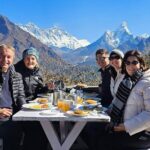
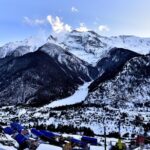
You’re promised panoramic views of major Nepalese peaks, and the tour’s routes are set up to help you catch them at higher points after climbs. Depending on weather and clarity, you may see a view range reaching from Manaslu to Langtang, with mention of Dorji Lakpa, and even peaks up toward the Everest region.
The practical trick is to ride with your eyes up and your patience on. Clear-day visibility in the Himalaya region can be fickle. The good news is: even if the peaks aren’t crisp, the ridgeline driving and the valley openings still make the day feel big.
Also, don’t treat the view stop as an extra. It’s part of the route rhythm. A climb builds tension; then you crest or pull into a viewpoint; then you descend with that memory behind you.
Temples, farms, and meeting real people (not staged stops)
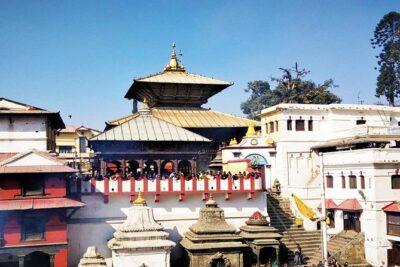
This is a countryside tour disguised as a bike adventure. You’ll pass through quiet village roads, small temples, and farming areas. That’s where the day stops feeling like a sport and starts feeling like travel.
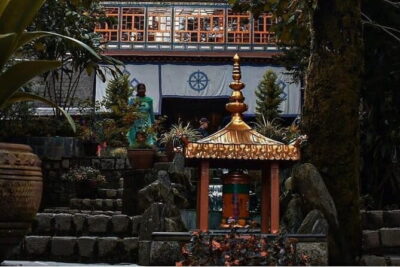
The temple at Tolkha is the clearest example: it’s built into the easy route, and you get lunch there. That matters because you’re not just grabbing food between rides. You’re switching gears in a meaningful setting.
You’ll also have chances to meet local communities, including Newar and Tamang people. Even when it’s brief, it changes the tone of the day. You’re not only covering distance; you’re moving through a living place.
And because these are countryside roads, you should expect a mix of quiet and busy moments. City streets with traffic bookend the day. After that, the riding becomes more human-scaled—slower villages, farm edges, and places where you can see daily life happening right next to the road.
Lunch, bikes, helmets, and what’s actually included
For $80 per person, you’re not just buying a guide. You’re getting a ready-to-ride setup:
- Mountain bike with a repair kit
- Helmet and gloves
- Mechanical facilities available during the tour
- Packed lunch
- An experienced cycling guide
- Paperwork, service charge, and government taxes included
On top of that, pickup is included from hotels in and around Thamel. If you don’t want to solve bike rentals and logistics on your own, that convenience is part of the value.
One thing to note: the tour languages include English, French, and German, and there’s an English audio guide included. Even if you’re not a native speaker, that helps you stay oriented during breaks and viewpoints.
What’s not included: park or monuments entry fees, plus any transportation to destinations outside Thamel areas (and the Scar Road tour has that extra Kakani private transport detail and Shivapur National Park fee).
Price and value: is this worth $80?
At $80 per person for a full-day ride, you should judge value by what you’re not having to buy or manage. You’re covered for the bike, helmet, gloves, a repair kit, and guided riding plus lunch. For a mountain biking day in the Kathmandu area, that package is a solid deal—especially if you’d otherwise spend time arranging rentals and figuring out local routes.
The bigger question is fit. This tour is worth it if you want:
- a guided ride out of the Kathmandu core
- route options that match your skill
- a countryside feel with temple and village moments
It’s less worth it if you’re only looking for an easy sightseeing spin, because some options get technical and exposed.
Who should book this and who should skip it
This tour is a good match for you if:
- you can ride a bike confidently
- you’re looking for a full-day mountain bike experience around Kathmandu
- you want clear route options by difficulty
- you enjoy mixing active riding with villages and temple stops
It’s not a match if:
- you can’t ride a bike
- you’re under 13 years
- you have a pre-existing medical condition
- you’re over 110 kg (243 lbs)
- you’re over 70 years
In other words: it’s not a gentle family outing. It’s an active day with real riding responsibility, especially on the harder routes.
Should you book the Kathmandu and Surrounding Full-Day Mountain Biking Tour?
I’d book it if you want Kathmandu that’s less about traffic and temples from a car, and more about moving through the valley rim under your own power. The best reason to choose it is that the routes aren’t all the same: you can select beginner-friendly Tolkha, a long climb-and-descent Jamcho day, the famous challenge of Scar Road, or the scenic village mix of Chobar–Lele–Godwari.
If you’re on the fence, pick the route that matches your control, not just your ambition. The terrain here rewards calm technique. And with a guide who’s attentive—Sunil is one name tied to that kind of skill-matching—you’ll spend more of the day enjoying the ride and less time guessing what to do next.
FAQ
What does this mountain biking tour cost?
It costs $80 per person.
How long is the Kathmandu Valley biking tour?
It’s 1 day.
Where do you get picked up?
Pickup is included from hotels in and around the Thamel district of Kathmandu.
What’s included in the bike and safety gear?
You get a mountain bike plus a repair kit, and you’re provided with a helmet and gloves.
Is lunch included?
Yes. The tour includes a packed lunch. The Tolkha option specifically includes a picnic lunch at the Tolkha temple.
What tour languages are available?
The live guide is available in English, French, and German, and there’s an English audio guide included.
Which routes are available, and how do they differ?
There are several daily route options with different difficulty and distances, including:
- Kathmandu–Tolkha–Kathmandu (easy, 19 miles / 32 km)
- Kathmandu–Jamcho–Kathmandu (difficult, 27 miles / 45 km)
- Kathmandu Scar Road tour (difficult, 37 miles / 62 km)
- Kathmandu–Chobar–Lele–Godwari–Kathmandu (difficult, 28 miles / 47 km)
Are park or monument entry fees included?
No. Park or Monuments entry fees are not included. For the Scar Road option, the Shivapur National Park fee (personal and bike cost) is extra, and there is private transport to Kakani with bikes.
Who shouldn’t book this tour?
It’s not suitable for children under 13, people who can’t ride a bike, people over 243 lbs (110 kg), people with pre-existing medical conditions, or people over 70 years.
Is free cancellation available?
Yes. You can cancel up to 24 hours in advance for a full refund, and cancellation fees apply if you cancel closer than that.