REVIEW · KATHMANDU
Historical Kathmandu
Book on Viator →Operated by Nepal Holiday Makers Tours and Travels · Bookable on Viator
Shiva, Vishnu, and Shakti in one day. This private Kathmandu circuit feels efficient but still spiritual, and I like how hotel pickup and drop make it easy to start fresh, and how the private AC vehicle keeps you comfortable between stops. The one thing to watch is entrance fees: even though some places are free, the tour price lists sightseeing entrance fees as not included.
You’ll meet the group in Thamel at 9:45am, then work through a focused set of Hindu sites around Kathmandu, including a stop in Bhaktapur and a grand finish at Patan. One extra detail I appreciate is that the tour provides a 1000 ml bottle of mineral water per person per day, so you’re not scrambling immediately after the first temple. Just keep your expectations realistic: if coordination is messy on arrival, you might end up waiting, so confirm your pickup timing the day before.
In This Review
- Key Highlights You’ll Actually Care About
- A Private Temple Circuit That Balances Speed With Meaning
- Getting Your Timing Right: 9:45am Start and Temple Hours That Matter
- Pashupatinath Temple: Shiva by the Bagmati River (With Real Hours)
- Budhanilkantha: Vishnu Reclining in an Open-Air Pool
- Guhyeshwari Shaktipeeth: A Short Stop With Deep Mythic Weight
- Doleshwor Mahadeva in Bhaktapur: The Bull-Head Connection to Kedarnath
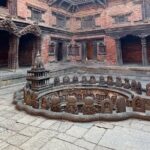
- Patan Durbar Square and Krishna Mandir: Stone Built in 1637 A.D.
- What You’re Paying For at $160 (And What You Still Might Pay)
- Driver Quality and Coordination: How to Make This Run Smooth
- How Long Should You Plan For?
- Who This Tour Fits Best
- Should You Book This Kathmandu Hindu Sightseeing Tour?
- FAQ
- What is the meeting point for this tour?
- What time does the tour start?
- Does the price include hotel pickup and drop?
- Is this a private tour?
- How long is the tour?
- Is the tour ticket mobile?
- Are entrance fees included?
- What is included in the $160 price?
- Is free cancellation available?
Key Highlights You’ll Actually Care About
- 9:45am start in Thamel means you can hit morning temple hours without rushing.
- Exact Pashupatinath opening window (5:00am–12:00pm, then 4:00pm–7:00pm) helps you plan your day.
- Private, point-to-point transport keeps travel time predictable compared with DIY hopping.
- Some stops are free admission (Budhanilakantha, Guhyeshwari, Doleshwor), but entrance fees overall aren’t included.
- Patan Durbar Square includes Krishna Mandir, built in 1637 A.D. (great for anyone who loves stonework details).
- Helpful staff signals show up in real feedback, including praise for driver Nethra and operator Dipak, though one no-show issue did pop up in a separate case.
A Private Temple Circuit That Balances Speed With Meaning
If you’re short on time in Kathmandu but you still want the big Hindu names, this itinerary is built for that. You’re not wandering randomly. You’re moving from one sacred site to the next with a plan, which matters when you’re paying for a vehicle and want your day to feel purposeful.
I especially like that the tour is private for your group. That usually means you’re not stuck waiting for slow walkers or getting pulled off your own rhythm. Plus, the private AC vehicle is a real comfort benefit here, especially once you’re between sites and the city heats up.
The format is also practical: hotel pick up and drop, then a sightseeing vehicle used point-to-point. That reduces the mental load of figuring out what’s nearby, what’s far, and how to get between neighborhoods. You can focus on the temples themselves instead of transport math.
You can also read our reviews of more historical tours in Kathmandu

Getting Your Timing Right: 9:45am Start and Temple Hours That Matter
You start at 9:45am from Thamel, and the experience ends back at the meeting point. That’s helpful because Thamel is a convenient base for many visitors, and it keeps the day from turning into a confusing multi-location log.
Pashupatinath is the key time anchor. The main temple opens from 5:00am to 12:00pm, then reopens 4:00pm to 7:00pm. With a 9:45am start, you’re designed to catch the morning opening window rather than gambling on the evening slot.
Your total duration can vary widely—anywhere from about 1 to 7 hours depending on how your day is scheduled. I’d plan as if you could end up with a full day, because the itinerary includes multiple stops with meaningful time blocks, including a couple of longer temple visits and a Patan Durbar Square segment.
Pashupatinath Temple: Shiva by the Bagmati River (With Real Hours)
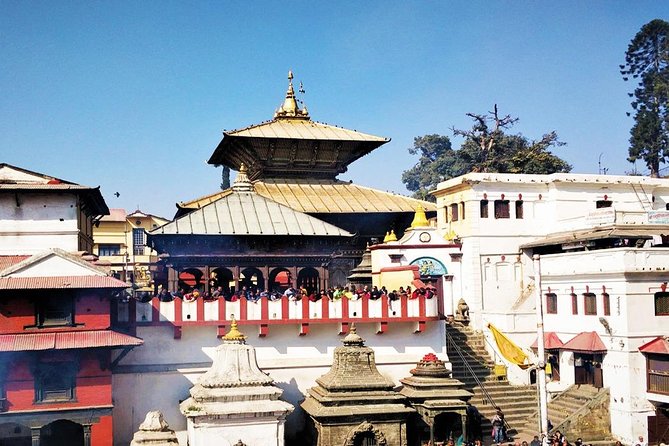
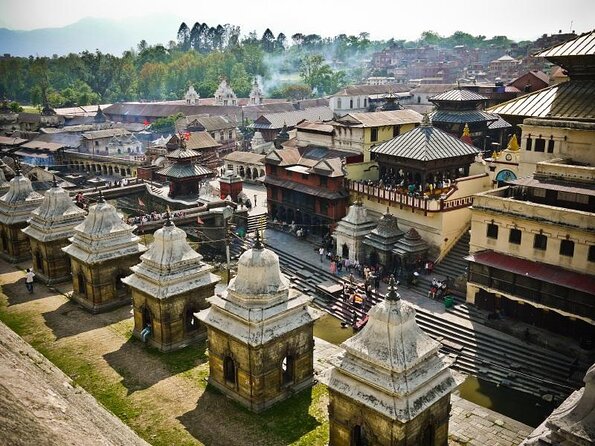
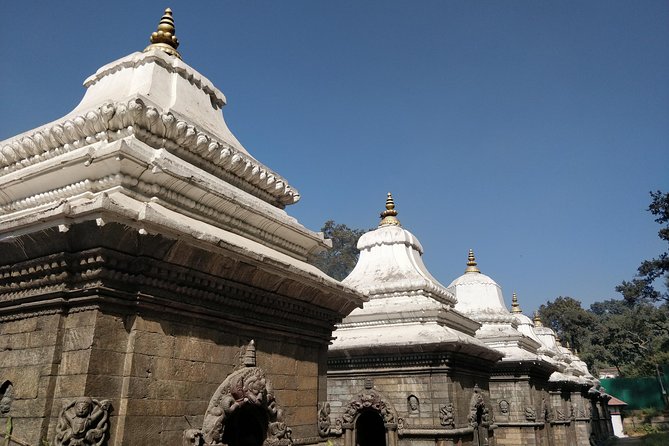
Pashupatinath is one of the biggest Hindu temples dedicated to Lord Shiva, set alongside the Bagmati River and near Bankali Forest. If you want a landmark temple experience that feels central to Kathmandu’s Hindu identity, this is the one that sets the tone for the whole day.
You’ll spend about 2 hours here, and that time matters. You’re not just passing through a gate and snapping photos. The tour gives you enough space to slow down, observe the sacred setting, and take in the scale of the place.
The big practical detail is the temple’s schedule: open 5:00am–12:00pm, then 4:00pm–7:00pm. I like having those exact hours because it removes guesswork. If your visit runs long or something shifts, you can still understand whether you’re inside the morning window or pushing toward the evening reopening.
One more useful note: admission tickets for this stop are listed as not included, so budget for possible entry charges here. If you prefer to avoid surprise costs, ask upfront which fees apply to your exact plan.
Budhanilkantha: Vishnu Reclining in an Open-Air Pool
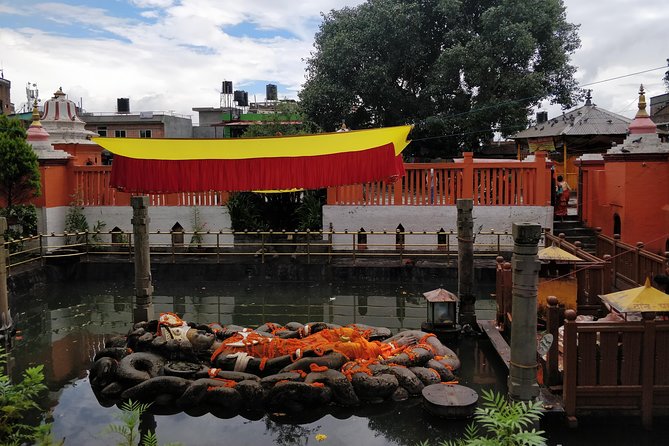
After Pashupatinath, you head to Budhanilkantha, a Hindu open-air temple dedicated to God Vishnu. This one is famous for a pool with a reclining statue of Vishnu, which gives the site a distinct visual identity compared with more purely temple-enclosed complexes.
The tour allocates about 1 hour here. That’s a sensible pace for a single standout feature like the reclining statue and the surrounding temple setting. You can see what makes it famous without feeling like the rest of your day disappears into one stop.
Budhanilkantha is also described as one of Kathmandu’s older temples, and it’s sometimes known as Narayanthan. I find that helpful because it gives you context if you’re hearing different names from signage or local conversation.
Good news for planning: the tour lists admission for this stop as free. Still, entrance fees overall are listed as not included, so keep expectations flexible, but this specific segment looks like it’s built to be low-cost.
Guhyeshwari Shaktipeeth: A Short Stop With Deep Mythic Weight
Next comes Guhyeshwari (Gujeshwori) Shaktipeeth, a well-known Shaktipith dedicated to Goddess Parwati. It’s also noted as being just beside Pashupatinath, which makes this a logical pairing. You get a shift in tradition—Shiva to Shakti—without losing momentum moving across the city.
This segment is about 30 minutes, and admission is listed as free. That makes it a “good to include” stop if you want variety without turning the day into a marathon.
You’ll also learn an important local belief: the site is believed to be where Sati’s hips or hind part fell. Even if you’re not steeped in Hindu mythology, that kind of detail gives the place meaning beyond architecture. It explains why people treat the location as spiritually important.
Because this stop is right by Pashupatinath, it also helps you understand the wider religious geography of the area. Kathmandu isn’t organized as one single temple theme; it’s layered.

Doleshwor Mahadeva in Bhaktapur: The Bull-Head Connection to Kedarnath
Then you shift to Doleshwor Mahadeva Temple, and the itinerary places it in Bhaktapur. That matters because it turns your day from “only Kathmandu proper” into a broader valley experience, at least within the same region.
This stop is about 2 hours, and admission is listed as free. The long-ish time block suggests the visit isn’t just a quick look; there’s enough to take in without rushing.
The religious link is the interesting part. The temple is associated with Lord Shiva, and it’s described as tied to the idea that Kedarnath has the body of a bull, while Doleshwor Mahadev has the head of a bull. That’s a specific tradition, and it’s exactly the kind of detail that makes temple stops feel like more than checkboxes.
If you’re the type who likes to connect sites through local belief systems, you’ll probably enjoy this one. It gives you a “why it matters” thread you can carry to the next stop.
Patan Durbar Square and Krishna Mandir: Stone Built in 1637 A.D.
Your final big cultural stop is Patan Durbar Square, including Krishna Mandir, which is highlighted as a center of attraction for Hindu devotees and tourists. This is a good way to end the day because it brings you into the visual world of carved stone monumentality.
The details here are concrete. Krishna Mandir is described as built in 1637 A.D. by Siddhi Narsinha Malla. That name is the kind of historical marker that helps you anchor what you’re seeing. It’s not just old; it’s dated and attributed.
The stop is scheduled for about 2 hours, but admission for this segment is listed as not included. So plan for possible entry or additional fees depending on what you choose to enter.
Even if you’re not a “history-first” visitor, you can still appreciate what durable stonework communicates: permanence, craft, and how long communities have been building sacred public spaces.
What You’re Paying For at $160 (And What You Still Might Pay)
At $160, you’re paying for convenience, transport, and coordination as much as you’re paying for temple time. The tour includes a private AC vehicle with private driver, hotel pickup and drop, and sightseeing vehicle on a point-to-point basis.
The included items also cover a 1000 ml bottle of mineral water per person per day and all fees and taxes. That’s valuable because it reduces the chances of being nickeled-and-dimed for vehicle-related costs.
What’s not included is entrance fees for sightseeing points, plus lunch, snacks, and personal expenses. And since the itinerary explicitly marks some stops as free admission while others are not, you should expect that your final amount spent could depend on which sites charge entry during your visit.
If you’re thinking about DIY, the biggest cost isn’t money—it’s stress. With private transport and a planned order, you spend less time figuring out routes and more time at the sacred places you came for. For a short Kathmandu stay, that’s often worth it.
Driver Quality and Coordination: How to Make This Run Smooth
One reason tours like this succeed is the driver. In the feedback provided, one driver named Nethra was described as helpful. That tracks with what you want in a day like this: someone who can handle the timing, keep you on track, and get you to each area without chaos.
That said, one separate case mentions a guide not showing up at the meeting bridge and a long wait. I can’t predict how your pickup will go, but you can prevent most issues with a simple step.
Do this: before the day, confirm the exact pickup location and expected arrival time. When you’re starting from Thamel at 9:45am, being precise matters. If you have a contact number for the operator, save it on your phone and keep it accessible.
Also keep an eye on lodging details if you’re bundling this tour with a hotel arrangement. In one piece of feedback, a hotel named Samsara had water problems and there was a coordination issue involving Kantipur. That doesn’t mean your day will be messy, but it’s a reminder to verify your room plans early.
How Long Should You Plan For?
Your total duration is listed as 1 to 7 hours (approx.). That range can feel vague, so here’s how I’d think about it.
If you truly move quickly at each stop, you could fit parts of the circuit into a shorter day. But this itinerary includes multiple multi-hour blocks (Pashupatinath at about 2 hours, Doleshwor at about 2 hours, Patan Durbar Square at about 2 hours), plus smaller segments. Realistically, you’ll want to protect a bigger chunk of your day.
If you hate late-day temple closures, the morning window for Pashupatinath (until noon) is another reason to protect time. The day is built so you can catch that morning schedule, not just race to the evening reopening.
Who This Tour Fits Best
This experience is best for you if you want a focused Hindu sightseeing day without dealing with route planning. It’s also a strong fit if you’re staying near Thamel and prefer a reliable start time.
It may be less ideal if you’re trying to keep the day extremely short. The itinerary has enough substance that rushing can turn the experience into a fast walk-by rather than a real visit.
If you care about seeing multiple traditions—Shiva at Pashupatinath, Vishnu at Budhanilkantha, and Shakti at Guhyeshwari—you’ll like the way the day shifts in theme without changing the overall plan. And if Krishna Mandir and stone monument details make you happy, Patan Durbar Square gives you a satisfying ending.
Should You Book This Kathmandu Hindu Sightseeing Tour?
I’d book it if you want structured temple time, private transport, and a clear route that starts at 9:45am from Thamel. The value is strongest when you appreciate what’s included: private AC vehicle, driver, hotel pickup/drop, and water, plus the fact that some admission points are marked as free.
I’d be cautious if entrance fees would be a deal-breaker for your budget, since the tour lists entrance fees as not included. Also, confirm your pickup details clearly, because one outlier report flagged a coordination failure at the meeting point.
If you want a practical Kathmandu day that prioritizes major Hindu sites and keeps logistics manageable, this is a solid option.
FAQ
What is the meeting point for this tour?
The start point is Thamel, Kathmandu 44600, Nepal.
What time does the tour start?
The start time is 9:45am.
Does the price include hotel pickup and drop?
Yes, hotel pick up and drop are included.
Is this a private tour?
Yes, it is a private tour/activity, and only your group will participate.
How long is the tour?
The duration is approximately 1 to 7 hours.
Is the tour ticket mobile?
Yes, the tour includes a mobile ticket.
Are entrance fees included?
No. Entrance fees for sightseeing points are not included, even though some listed temples are marked as free admission.
What is included in the $160 price?
Included items are: private AC vehicle with private driver, 1000 ml mineral water per person per day, hotel pickup/drop, point-to-point sightseeing vehicle, and all fees and taxes.
Is free cancellation available?
Yes. You can cancel for a full refund up to 24 hours in advance of the experience’s start time.