REVIEW · KATHMANDU
Everest Base Camp: 3 Hour Helicopter Sightseeing Tour
Book on GetYourGuide →Operated by Nepal Social Treks · Bookable on GetYourGuide
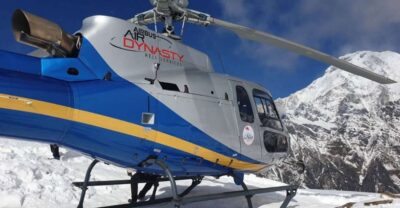
One of the fastest ways to see Everest up close. A 5-seat charter helicopter lifts you from Kathmandu, flies you over the Everest Base Camp area, and gives each passenger a window seat for serious mountain watching. For most people, that combination hits the sweet spot: big-sky views without the weeks-long trek grind.
I also like the built-in Everest View Hotel pause. You get up to 45 minutes on the ground for tea or coffee (and there’s talk of breakfast), with changing cloud cover that can dramatically shift what you can see. The main downside to weigh is simple: this is weather-dependent flying, and if conditions turn sketchy, timing can slip or the flight can be rescheduled or refunded.
In This Review
- Everest Base Camp Helicopter Tour: the Big-Picture Value
- Key Points That Matter Before You Go
- Flying Kathmandu–Lukla–Everest: Why This Route Works
- Over Everest Base Camp: Window Seats and the Real Scale of the Khumbu
- Everest View Hotel Stop: Tea, Photos, and a Tight 45 Minutes
- What the 3 Hours Really Feels Like: Pickup, Waiting, and Weather
- Price and Logistics: What $1,375 Buys You (and What to Double-Check)
- What to Pack and How to Stay Comfortable at Altitude
- Safety, Comfort, and the Small-Group Advantage
- Who Should Book This Tour, and Who Should Consider Another Plan
- Should You Book This Everest Base Camp Helicopter Tour?
- FAQ
- How long is the Everest Base Camp helicopter sightseeing tour?
- Where are pickups and drop-offs?
- Do you land at Everest Base Camp?
- Is breakfast included at Everest View Hotel?
- How many people are in the helicopter?
- What happens if the weather is bad?
- What should I bring (and what can’t I bring)?
Everest Base Camp Helicopter Tour: the Big-Picture Value
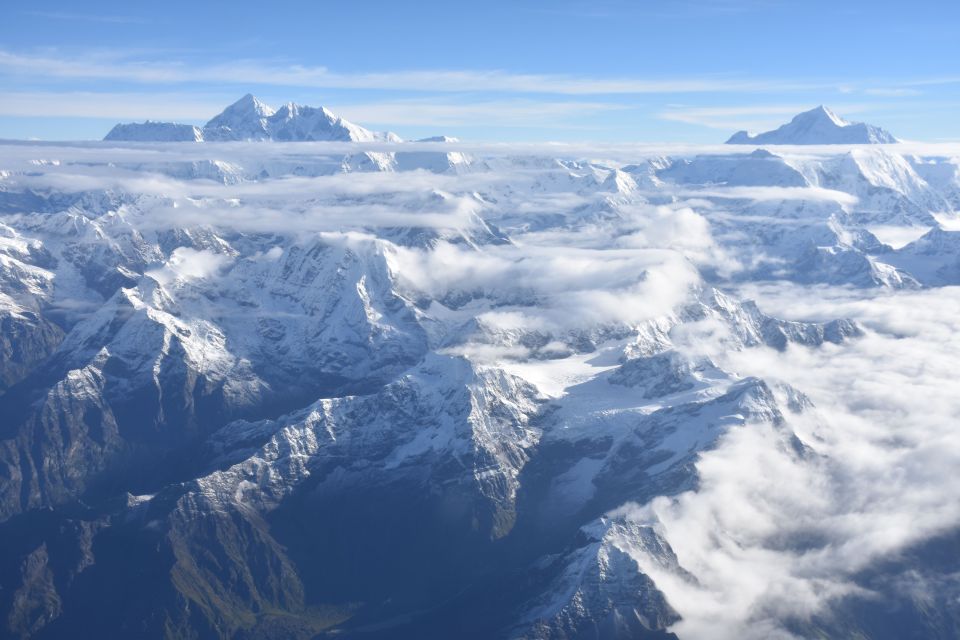
This 3-hour experience is basically a high-speed, high-altitude postcard with seat assignments and professional coordination. You’re not doing a hike. You’re buying time. And in a place where the weather can decide everything, “time” matters a lot.
At $1,375 per person, it’s not a casual splurge. But you’re paying for a charter helicopter (limited to 5 passengers), a route designed around the Everest region’s most recognizable landmarks, and a tight sightseeing loop that ends back in Kathmandu. If you’re short on days, have physical limits, or simply don’t want to gamble weeks of trekking time, this tour can feel like the most efficient way to get the Everest story without the effort of living it day-by-day.
Key Points That Matter Before You Go
- Charter helicopter seating: limited to 5 participants, with window seats assigned for viewing.
- Everest Base Camp area overflight: you fly over the Base Camp region and nearby famous stops.
- Everest View Hotel ground time: up to 45 minutes for tea/coffee and photos with Khumbu views.
- Lukla is part of the route: the flight fuels in Lukla before heading toward the Everest area.
- Realistic schedule flexibility: waiting time can happen depending on tower slots and weather.
- Extra costs to consider: breakfast at Everest View Hotel is not included.
You can also read our reviews of more tours and experiences in Kathmandu

Flying Kathmandu–Lukla–Everest: Why This Route Works
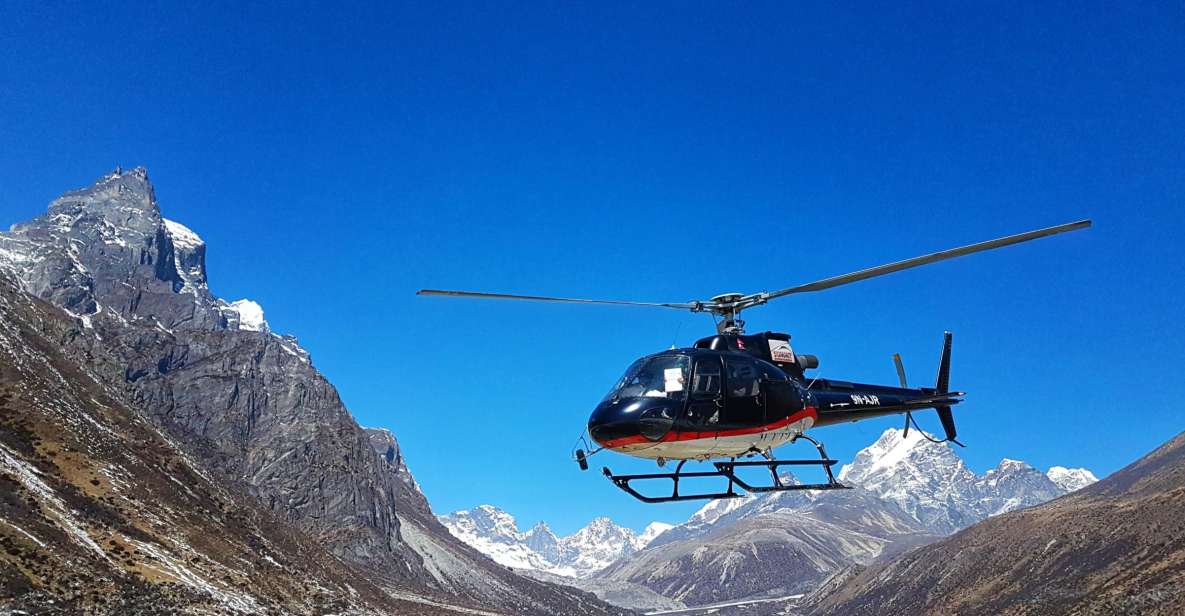
The route is designed like a jump from city rhythm into Himalayan rhythm. You’re picked up from Kathmandu (and Patan), then routed to the airport where the team helps you handle the fast-flow security process. From there, the day shifts quickly into aviation mode.
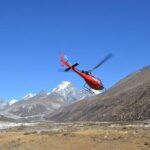
A key detail: you fly east from Kathmandu toward Lukla, which is often described as the gateway to Everest. Lukla isn’t just scenery. It’s a practical fueling and logistics stop, and that matters because the Everest region is a big place with big altitude challenges. In one described flight flow, a helicopter also departed Lukla after dropping off a technician plus fuel and supplies before pushing onward. You don’t need to love the mechanics, but it helps you understand why Lukla is woven into the experience.
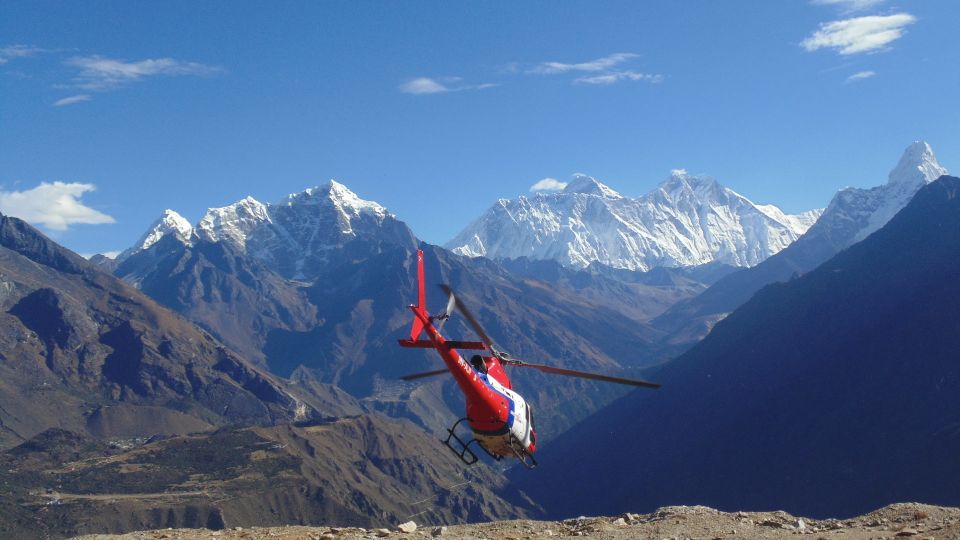
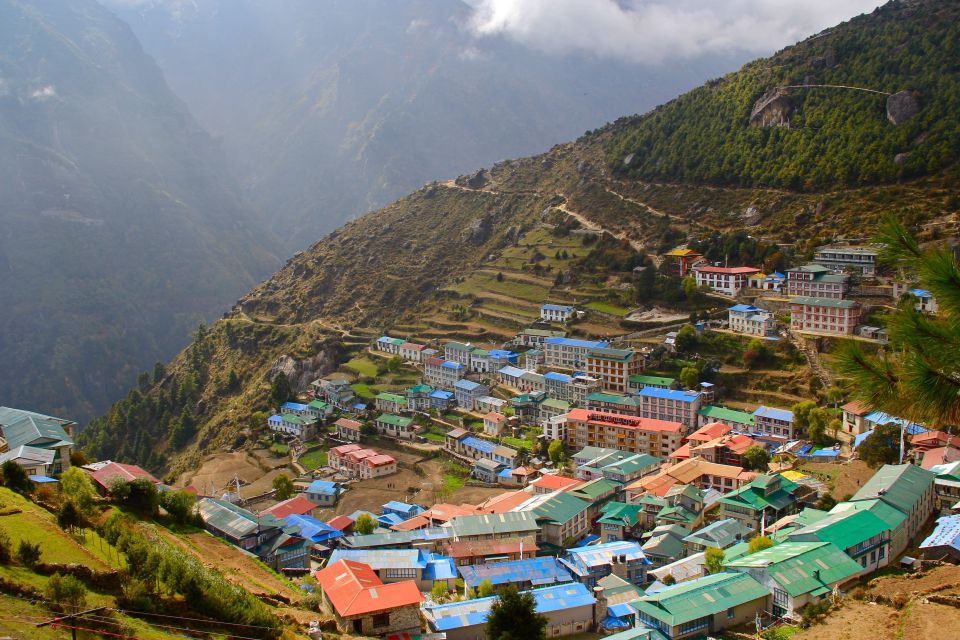
After fueling, the helicopter turns toward the Everest Base Camp area. This is where the tour earns its name. You’ll see the famous Sherpa and Khumbu towns from above—places like Namche Bazaar, Tengboche, Dingboche, and Gorakshep show up as you move through the region. The effect is different from a trek. Instead of slowly building perspective, you get it in quick layers: settlement, ridgeline, then glacier and peak systems closing in around you.
What you’ll likely love most here: it’s the jump from “I’ve seen Everest in pictures” to “I can locate Everest in space.” From the air, the scale snaps into focus fast.
Over Everest Base Camp: Window Seats and the Real Scale of the Khumbu
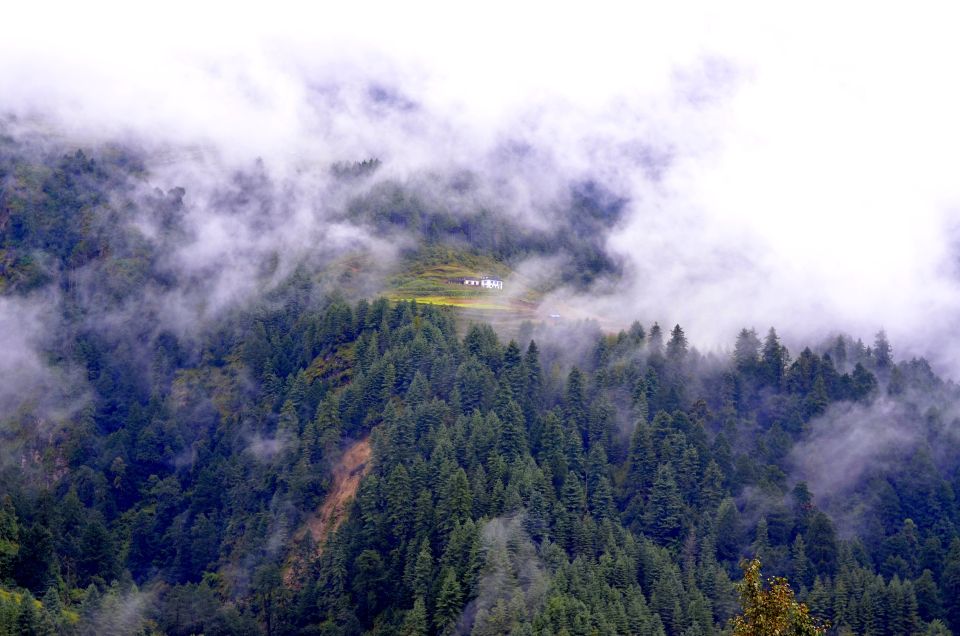
The headline is the overflight of the Everest Base Camp area. That phrase can be misunderstood, so here’s the practical way to think about it: you’re not hiking into Base Camp. You’re flying over the region so you can see the Base Camp area and the surrounding geography from above.
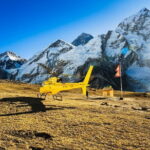
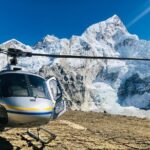
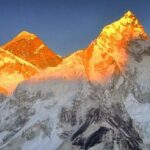
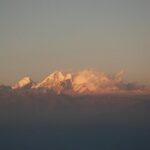
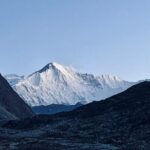
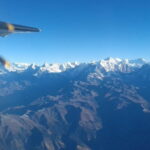
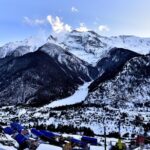
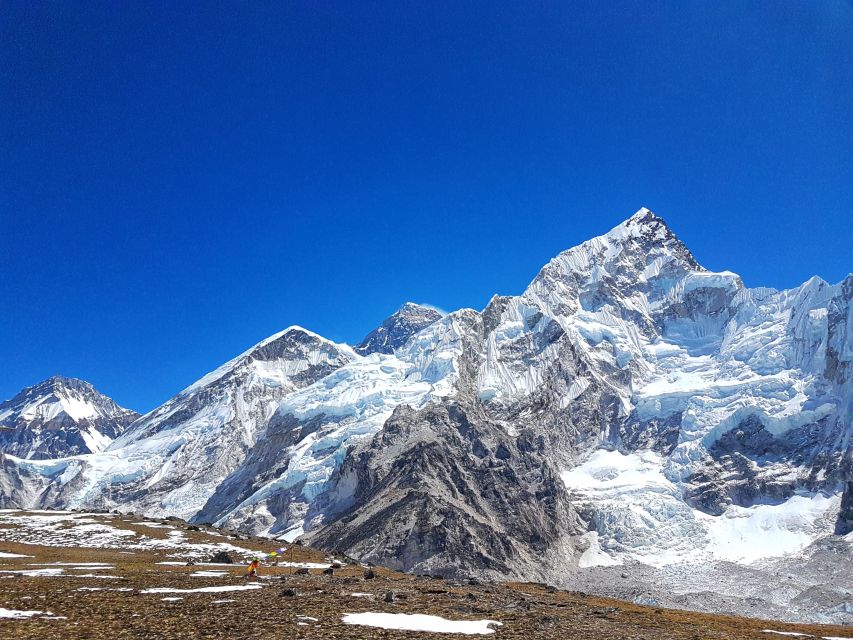
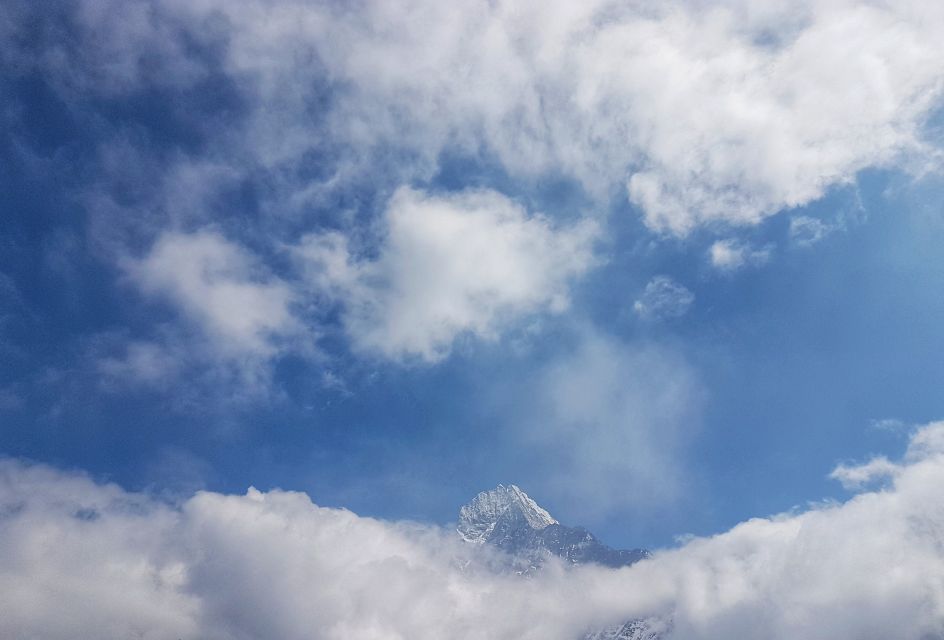
During the flight, you’ll pass over parts of the Khumbu system including Khumbu glaciers and will also get views of major peaks such as Mount Everest, Nuptse, Changtse, and Lhotse. These names are famous, but from the helicopter you see how the ridges relate to each other. You can often tell which peak is doing the “wall” work and which ones rise like spires behind it.
Each passenger gets a window seat, and that sounds small until you’re actually looking at glaciers and cliffs. When everyone has a view, you don’t waste your time craning or waiting for someone to move. The window-seating detail is one reason this tour can feel more satisfying than a cramped sightseeing flight where you fight for sightlines.
One more helpful reality check from past experiences: visibility varies. In one clear-weather scenario, a group reported views from very high altitude, around 19,000 feet above Base Camp, which can make the terrain look almost diagram-like. If clouds move in, peaks might partially hide, but you can still watch the change as cloud layers drift.
Everest View Hotel Stop: Tea, Photos, and a Tight 45 Minutes
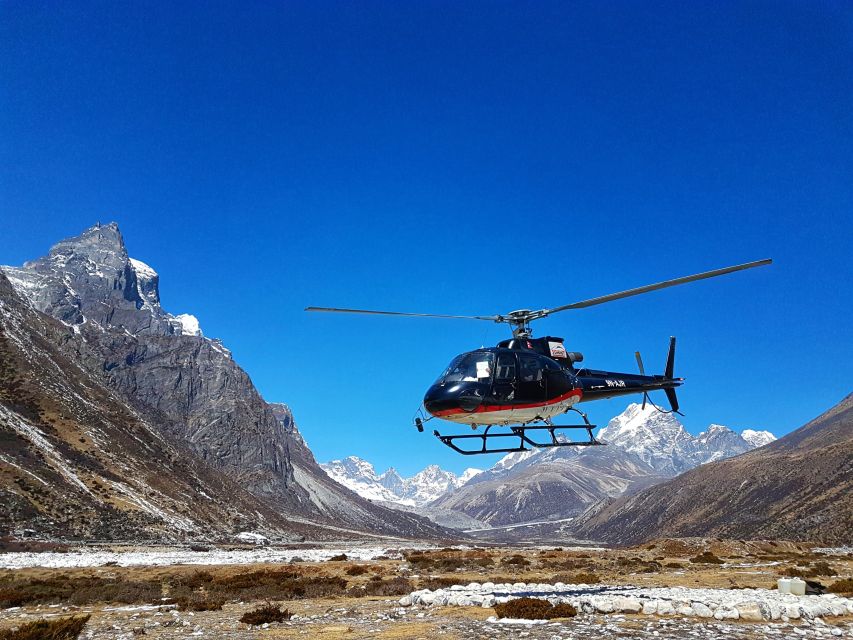
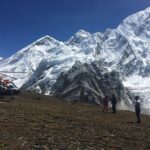
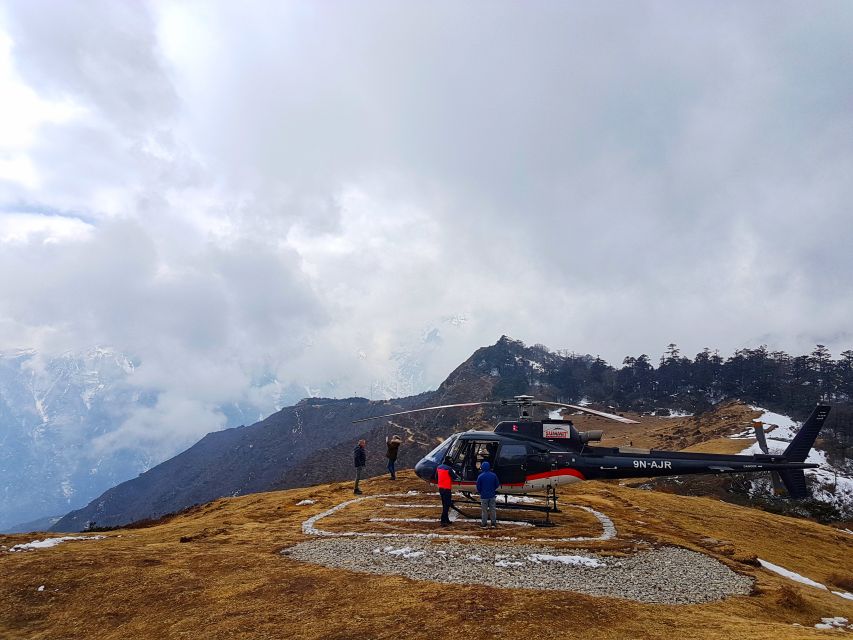
The stop at Everest View Hotel is the tour’s “time on the ground” payoff. You’re given a maximum of 45 minutes landing time there, for refreshment or to enjoy tea/coffee with views over dozens of Himalayan peaks. That time limit is short on purpose: helicopters are scheduled, airspace is managed, and weather can change fast. So you’re meant to use the window well.
What to expect once you’re there:
- You’ll have a chance to grab warm-ish comfort in a cold place, even if it’s just tea or coffee.
- You’ll be able to take photos with more angle and detail than you’ll get from the air.
- Clouds can shift during your visit, so what you see at minute one can be different at minute 40.
One important cost detail: breakfast at Everest View Hotel is not included. That doesn’t mean you can’t eat. It means you should plan for the possibility that breakfast is an extra expense, while tea/coffee and refreshments are part of the ground time.
If you’re trying to decide whether the hotel stop is worth it: for me, this is the reason to pick the helicopter tour instead of only a flight over peaks. The ground moments help the whole experience feel real, not just aerial.
What the 3 Hours Really Feels Like: Pickup, Waiting, and Weather
A “3-hour duration” is a useful marketing number. In practice, your day can stretch a bit depending on airport operations and weather. One described experience included a notable wait at the helipad area because multiple helicopters were scheduled and the group was assigned a later slot. Another described day shifted due to poor weather, but the guide worked to keep the plan alive.
So here’s how I’d frame it for you: the core flight block is about 3 hours, but the experience quality depends on two variables you can’t fully control:
- Weather conditions that affect whether the flight can go as planned.
- Helicopter dispatch timing at the airport, including slot assignments.
That’s why the guide support matters. Names that came up in coordination include Nabin Pandey and Basu (via Nepal Social Treks). In described cases, the team communicated clearly, including guidance through airport steps like security and helping with timing.
Also note: the activity is explicitly subject to weather. If conditions are unsuitable, it may be rescheduled for the next day or you can request a refund, with possible deductions related to airport transfer costs in those situations.
Practical tip: if your schedule is strict, keep some buffer. If your trip dates are flexible, this tour becomes less stressful and more likely to land smoothly.
You can also read our reviews of more tours and experiences in Kathmandu

Price and Logistics: What $1,375 Buys You (and What to Double-Check)
Let’s talk value, not just cost.
You’re paying for:
- A chartered helicopter flight designed for Everest-region sightseeing
- Sightseeing as per the itinerary
- Passenger insurance
- Pickup included from any hotel in Kathmandu and Patan (exact pickup time confirmed after booking)
You’re not paying for:
- National Park Entrance Fees
- Breakfast at Everest View Hotel
That split is important. If you’re budgeting tightly, confirm what you’ll need to cover on-site. Also remember that park fees can sometimes be a surprise line item if you’re used to tours where everything is bundled.
Now consider who gets value from this price. If you already planned multiple days in Nepal and you want a “peak view” moment without trekking, this tour can feel like a high-cost shortcut that saves time and energy. But if you’re expecting it to replace a full Everest trek and Base Camp immersion, you’ll likely be disappointed. This is an aerial experience and a short hotel stop, not a trekking replacement.
What to Pack and How to Stay Comfortable at Altitude
You’re not going to be walking for miles, but you are flying and then spending time at altitude. Bring what helps you handle cold and comfort.
Based on the provided guidance, bring:
- Passport or ID card
- Warm clothing
- Comfortable shoes
A few practical rules to keep the day smooth:
- Do not carry large bags (helicopters have tight space and weight limits)
- No smoking
If you’re a person who gets chilled easily, the warm clothing point is the one that matters most. Helicopter cabins can’t be treated like an air-conditioned office.
Safety, Comfort, and the Small-Group Advantage
The small group is not a gimmick here. With helicopter operations, fewer passengers means less crowding and better coordination.
The tour is limited to 5 participants, and the helicopter can accommodate 5 people. That size makes it easier for the pilot and ground team to manage sightlines, boarding, and timing.
Comfort reality check: back seats can feel tight. In one described experience, the back seating area was described as somewhat cramped. You can’t choose every detail in a charter situation, so if you’re tall or sensitive to tight legroom, it’s worth asking about seating allocation when you confirm your flight.
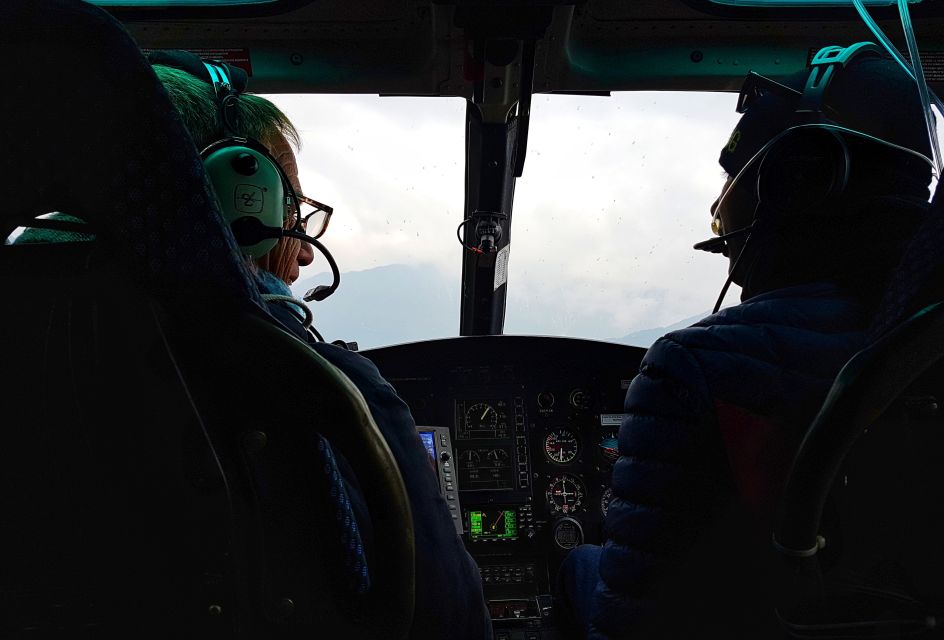
On safety and professionalism, past reports included a very experienced pilot named Troy, described as professional and experienced, even working as a rescue pilot in one account. You can’t verify everything in advance, but the repeated emphasis on pilot professionalism is a good sign when you’re trusting your body to an aircraft in mountain weather.
Who Should Book This Tour, and Who Should Consider Another Plan
This tour is a strong fit if you:
- Want Everest-region views but don’t have time for trekking
- Prefer a short, planned experience over uncertain multi-day routes
- Want the Base Camp story through an overhead perspective plus a brief hotel stop
- Like the idea of a small group and window-seat viewing
It may not be a fit if you:
- Want a long Base Camp-style visit on foot (you’ll be flying over and doing a short hotel stop, not trekking)
- Are sensitive to weather-related schedule changes
- Rely on wheelchair access based on standard operation: the information says it’s not suitable for wheelchair users, though it also lists wheelchair accessibility only for the private option. If you need accessibility support, you should confirm the exact option before you book.
Also, if you’re a perfectionist about seeing every peak clearly, understand that clouds can obscure views. The good news: you’re not just stuck in a foggy wait. You may still see changing layers that reveal peaks gradually as the flight and ground stop progress.
Should You Book This Everest Base Camp Helicopter Tour?
Book it if:
- You want an Everest overview in one day
- You value window-seat flight viewing plus a structured pause at Everest View Hotel
- You’re comfortable with altitude and weather-driven timing shifts
- You can handle the premium price and want the convenience of a charter-style setup
Don’t book it if:
- You expect Base Camp hiking time or a multi-day trek substitute
- Your dates are inflexible and you hate any chance of rescheduling
- You need guaranteed full peak visibility regardless of cloud cover
My bottom-line take: if your goal is to see Everest’s major peaks and the Everest region from the air, with a short ground payoff and a small-group charter feel, this is one of the most time-efficient ways to do it. Just go in with the right mindset: it’s a fast aerial sightseeing circuit, not a trek.
FAQ
How long is the Everest Base Camp helicopter sightseeing tour?
The duration is 3 hours.
Where are pickups and drop-offs?
Pickup is included from any hotel in Kathmandu and Patan, and exact pickup time is confirmed after booking. There are multiple listed pickup options around Kathmandu and Lalitpur, and drop-off options include Kathmandu and Bhaktapur, with airport Kathmandu and Lalitpur also listed.
Do you land at Everest Base Camp?
The tour is an overflight of the Everest Base Camp area, with the main landing/ground time being at Everest View Hotel for up to 45 minutes.
Is breakfast included at Everest View Hotel?
Breakfast at the Everest View Hotel is not included. The tour includes time for refreshments and tea/coffee during the Everest View Hotel stop.
How many people are in the helicopter?
The helicopter can accommodate 5 people, and the group is limited to 5 participants.
What happens if the weather is bad?
This activity is subject to weather conditions. If flying conditions are unsuitable, the activity may be rescheduled for the next day, or you may request a refund. Airport transfer costs may be deducted in those situations.
What should I bring (and what can’t I bring)?
Bring a passport or ID card, comfortable shoes, and warm clothing. Large bags are not allowed, and smoking is not allowed.