REVIEW · KATHMANDU
Kathmandu: Local Women Lead Nepali Cooking & Momo-Making Class
Book on Viator →Operated by Luxury Holidays Nepal Pvt. Ltd. · Bookable on Viator
A pot of momo dough and a bag of spices can change your day. This 3-hour Nepali cooking class in Thamel turns a simple meal into a real look at everyday Nepal. I like that it starts with a local market visit, so you understand what you’re cooking before you ever touch the ingredients—especially the spice and ingredient part.
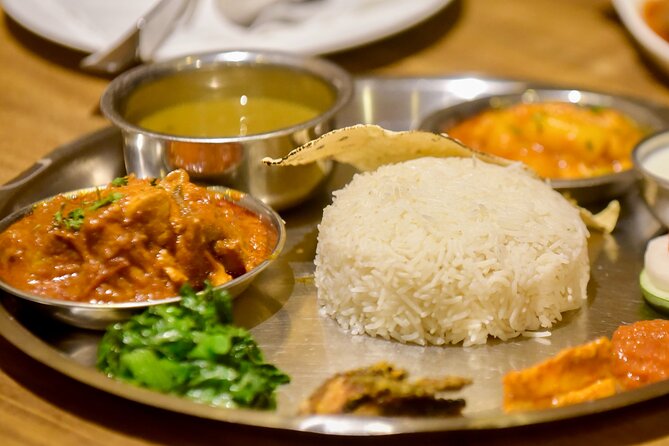
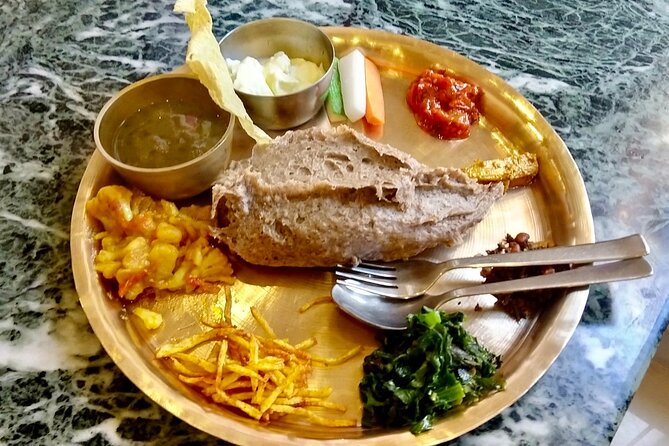
My favorite part is how hands-on it is. You cook with step-by-step help from an experienced chef and instructor, and you sit down at the end to taste what you made, including classic items like momos and dal bhat, plus options such as carrot pudding that have shown up in the menu.
One thing to consider: it’s a short session, so it’s best for learning the basics and building confidence, not for mastering every technique in depth. Also, specialty drinks and tips aren’t included, so plan on that if you like to sip something extra.
In This Review
- Key highlights you’ll feel immediately
- Thamel’s market visit: the fastest way to understand Nepali flavors
- The 3-hour class flow: from dough and spice to a shared table
- Momos: where technique feels oddly satisfying
- Dal bhat and masala tea: the comfort-food angle you’ll actually remember
- Tastings: why you’ll leave with confidence, not just recipes
- Price and value: how $35 adds up when you shop, cook, and eat
- Who should book this Kathmandu cooking class
- Should you book it? My straight answer
- FAQ
- How long is the Kathmandu local women-led cooking and momo class?
- How much does the class cost?
- Is hotel pickup available?
- What is included in the class?
- What dishes will I make?
- How large is the group?
- Can I cancel for free?
Key highlights you’ll feel immediately
- Thamel market shopping first so you learn what matters in Nepali cooking before the stove starts
- Small group size (max 8) for more attention while you knead, chop, and cook
- You cook your own meal with step-by-step guidance, not just watching
- Nepali masala tea included, plus a tasting session at the end
- Pickup available if selected, and the class ends back where it starts
- Menu flexibility so you get to choose what you’re making
Thamel’s market visit: the fastest way to understand Nepali flavors
In Kathmandu, Thamel is the starting point for a lot of tourist life. But in this class, Thamel is also where the lesson begins in a smarter way: you head out for a market/shop tour to buy the important ingredients.
That order matters. If you go straight to cooking without shopping, it’s easy to think of spices and produce as just a pile of items. Here, you get to see the real ingredients up close first—spices, fresh produce, and key Nepali staples—so the meal starts to make sense in your hands and in your nose.
You also learn something simple but useful: Nepali cooking is built on practical flavor foundations, not complicated techniques. The market walk gives you context for why the recipes taste the way they do. And because you’re part of the ingredient buying, you come away with more than photos—you leave with understanding you can actually use later.
If you’re short on time in Kathmandu, this is a great option because you’re not adding extra sightseeing for the sake of it. The market walk is the appetizer. It sets you up for the real work: cooking.
You can also read our reviews of more cooking classes in Kathmandu
The 3-hour class flow: from dough and spice to a shared table
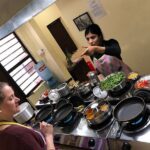
This experience runs about 3 hours, which is the right length for most people who want something meaningful without eating up their whole day. Expect a pace that stays active: market tour, then kitchen work, then tasting.
In the kitchen, the structure is straightforward. You’ll get step-by-step instructions and guidance from an experienced chef and instructor. That means you’re not guessing when you knead dough, portion filling, or manage timing. You’re learning what the instructor is watching for, like texture and consistency, so you can adjust as you go.
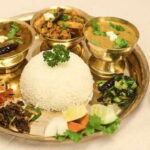
A highlight here is the focus on making things with your hands. The class includes hands-on cooking of different Nepali meals, and the examples you can expect include the classic dumpling-style momo process and the hearty plate of dal bhat. In at least some menus, you may also make a dessert like carrot pudding, which adds a nice change of pace from the savory focus.
As you cook, you’ll also be guided on important flavors through masala and seasoning. The best part is that you can connect the ingredient choices you saw in the market to what ends up tasting good in your own bowl.
One more practical win: the class uses cooking equipment and accessories you’ll need, so you’re not showing up worried about gear or supplies. You’re there to learn, cook, and eat.
Momos: where technique feels oddly satisfying
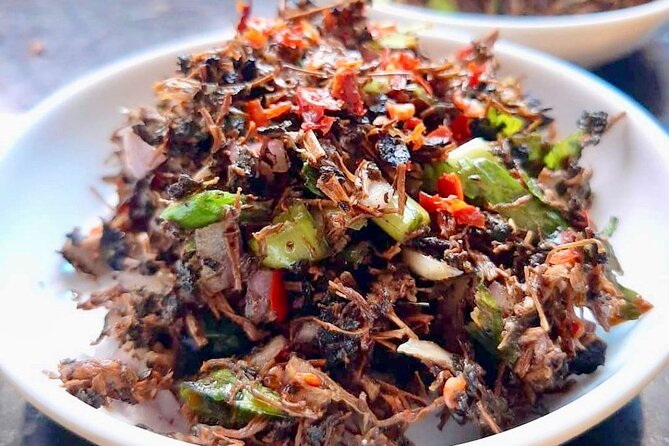
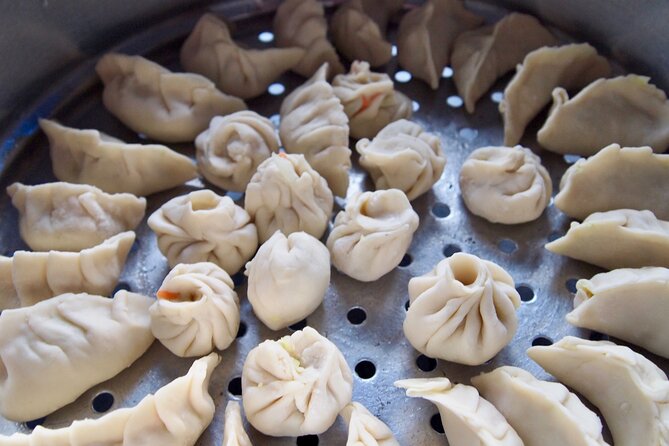
Momos are the star for a reason. They’re popular, they’re hands-on, and they teach you technique fast.
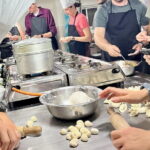
The class specifically includes the momo-making part, including kneading dough and working with the process. What makes this practical for you is that momo-making teaches the core “feel” of the dough—something you can’t really learn from watching alone.
If you like food activities, you’ll probably enjoy the tactile rhythm: mix, knead, rest, portion, fill, seal, and cook. And because guidance is included, you’re not left to figure it out by trial and error.
Another thing I like about cooking momos in Nepal is the context. Dumplings are common around the world, but Nepal’s style and flavor choices make you notice the differences. Even if you’ve had momos before, learning the steps gives you a clearer picture of what creates the final bite.
And yes, it ends with you eating your own work. That tasting moment matters more than people think. You’ll understand what you did right—then remember how it should feel next time.
Dal bhat and masala tea: the comfort-food angle you’ll actually remember
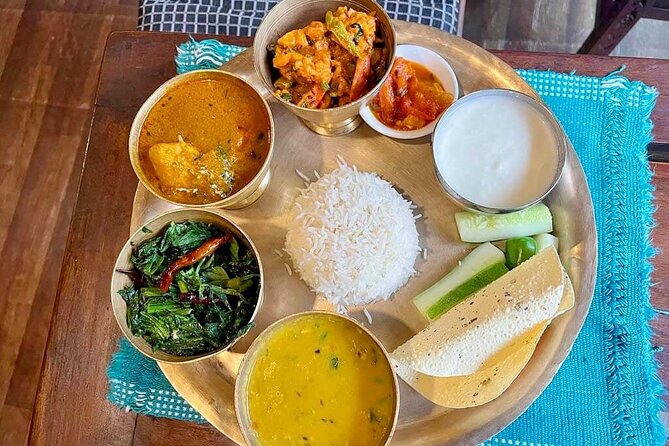
Dal bhat is one of those meals that’s hard to forget once you’ve got the rhythm of it. The class includes simmering a pot of dal bhat as part of the experience.
Why that’s valuable: it’s not only a dish, it’s a whole idea. Dal bhat is built around balance—warm lentils, rice, and the supporting flavors that make it feel complete. When you cook it yourself, you start noticing how seasoning timing changes the result, and how the dish holds together as it warms on the stove.
You’ll also be included with Nepali masala tea during the lesson. Tea like this fits perfectly in a cooking class because it’s warming and grounding while you move between steps. It also gives you a taste of how Nepal people commonly slow down mid-day—small comfort between active kitchen tasks.
If you like your meals to feel homey rather than fancy, this is a strong reason to book. You’re not just collecting a skill; you’re also learning what everyday Nepal tastes like.
Tastings: why you’ll leave with confidence, not just recipes
At the end, you gather to taste the food you prepared. This matters because it turns learning into proof.
Cooking classes often stop at “here’s what we made.” This one includes an actual tasting session, so you can judge texture, seasoning, and balance while everything is still fresh. That helps you connect the steps you followed with the outcome you’re eating.
You also get the chance to see that your final plate isn’t theoretical. It’s real food made by your own hands, guided by an instructor who helps you fix mistakes before they become disasters.
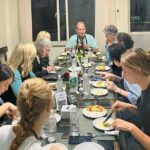
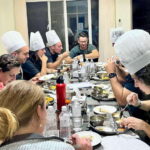
A fun bonus from past participants: the class can help you connect with other international guests. When you’re kneading dough next to strangers, conversation happens naturally. That’s a real value if you’re traveling solo or you want something more social than a standard city tour.
You can also read our reviews of more tours and experiences in Kathmandu

Price and value: how $35 adds up when you shop, cook, and eat
At $35 per person, this half-day class is priced like a proper activity, not a cheap demo. The value comes from what’s included.
You’re not only paying for cooking instruction. Your ticket covers:
- market/shop tour to buy key ingredients
- cooking with step-by-step guidance
- Nepali masala tea
- use of cooking equipment and accessories
- a tasting session of what you prepared
- hotel pickup and drop-off if you choose that option
That’s a lot for one short session, especially because you’re spending time on the part most classes skip: the ingredient sourcing. If you’ve ever tried to cook Nepali food later from a store-bought list, you know how quickly things can go wrong. Here, you learn what you actually need and why.
Also, with a maximum of 8 travelers, the class doesn’t feel like a production line. That smaller group size usually means you get more direct help when your dough or filling needs adjustment.
When you weigh it up, $35 becomes more reasonable because you’re walking away with knowledge plus a full meal experience—not just a few bites and a souvenir card.
Who should book this Kathmandu cooking class
This is a smart fit if you:
- want a hands-on activity in Thamel without committing a whole day
- like cooking classes where you actually eat what you make
- want a food experience with cultural context, starting at the market
- travel solo and like the chance to meet other guests in a relaxed setting
- enjoy learning practical skills you can repeat at home
It’s also a good pick if you don’t consider yourself a “serious cook.” Step-by-step instruction is part of the package, and momos plus dal bhat are approachable goals.
If you’re the type who wants a long, slow class with heavy technique training, the 3-hour format may feel short. But if you want confidence, flavor, and a great Kathmandu afternoon, it fits well.
Should you book it? My straight answer
Book it if you want an experience that’s both tasty and educational, with a clear payoff at the end. Starting with a market/shop tour, cooking with guidance, and finishing with tasting gives you a complete arc. And the small group size helps keep it friendly instead of chaotic.
Consider skipping or switching to something longer if you’re chasing deep mastery or you already cook Nepali food often and want advanced technique. This class is built for learning the essentials fast and eating well.
If you’re in Kathmandu with even half a day to spare, this is the kind of activity that makes your trip feel more grounded in local life—spices, dough, warmth, and a shared table.
FAQ
How long is the Kathmandu local women-led cooking and momo class?
It’s about 3 hours.
How much does the class cost?
The price is $35.00 per person.
Is hotel pickup available?
Hotel pickup and drop-off are included if you select that option.
What is included in the class?
You get the cooking class with step-by-step instructions, a market/shop tour to buy ingredients, hands-on cooking, Nepali masala tea, use of cooking equipment, and a tasting session of what you prepared.
What dishes will I make?
The experience includes momo-making and dal bhat, and it involves cooking different Nepali meals. A sweet such as carrot pudding has appeared on menus.
How large is the group?
The class has a maximum of 8 travelers.
Can I cancel for free?
Yes. You can cancel up to 24 hours in advance for a full refund. If you cancel within 24 hours, the amount paid is not refunded.