Cooking with Nepalese women beats a museum day. This 4-hour class in Kathmandu turns your afternoon into a practical lesson in indigenous Nepali flavors, with locals guiding you from chai to your finished meal. It’s in the heart of Thamel, so the whole experience feels easy to plug into a Kathmandu visit.
I love that you cook everything yourself with step-by-step help, so the skills actually stick. I also love the warm, no-stress vibe from the women leading the class, including names like Sabita and Sushila, plus the friendly chance to ask questions.
One thing to consider: it’s weather-dependent, so if conditions are poor, your session may need a different date or refund.
In This Review
- Key highlights at a glance
- Kathmandu’s women-led cooking class: why it’s such good value
- Price, timing, and group size that keeps things friendly
- Getting to the class from Tribhuvan Airport (and why Thamel location helps)
- How the 4 hours run: chai, menus, spices, and hands-on cooking
- Step 1: Warm welcome with masala chai
- Step 2: Pick from three menus (and share any dietary needs)
- Step 3: A real intro to Nepali spices
- Step 4: Your hands-on cooking session
- Step 5: Finish up and take home a recipe book
- Spice lessons you can actually use back home
- The hands-on part: why you’ll feel proud eating your own lunch
- What you eat: fresh lunch built around the menu you choose
- The Thamel location: convenient for tourists, still local enough to feel real
- Who should book this cooking class
- Should you book Namaste Cooking School?
- FAQ
- FAQ
- What is the location of this cooking class?
- How long is the cooking class?
- How much does it cost?
- What’s included in the experience?
- Do they offer pickup?
- How big is the group?
- Can they accommodate dietary restrictions or allergies?
- Do I get a ticket on my phone?
- What happens if the weather is bad?
- What is the cancellation window?
Key highlights at a glance
- Women-led instruction with a strong focus on preserving Nepali culinary heritage
- Chai welcome to start you off the way hospitality works in Nepal
- Three menu choices with help for dietary restrictions and allergies
- Hands-on cooking where you do the work and they handle the cleanup
- Spice intro that helps you understand what makes Nepali dishes taste like Nepali dishes
- Recipe book keepsake so you can repeat the meal at home
Kathmandu’s women-led cooking class: why it’s such good value
For $30, you’re not just buying a ticket to watch someone else cook. You’re getting a structured afternoon where you choose a menu, learn the flavor logic behind Nepali spices, and then cook your own lunch. That’s the big reason this feels like value rather than a one-off activity.
The other smart choice here is the school’s emphasis on indigenous culinary heritage and ingredient sourcing. They highlight using ingredients directly from local farmers, which matters because Nepali cooking doesn’t just rely on technique—it relies on the taste of the ingredients you start with. You’ll feel that in the final meal, and the lesson becomes more than a list of recipes.
And since the class runs about 4 hours and includes lunch, it fits well when you want something cultural that still feels hands-on and practical. No sketchy “experience” where you stand around for hours.
You can also read our reviews of more cooking classes in Kathmandu
Price, timing, and group size that keeps things friendly
This experience is priced at $30 per person and is typically booked about 17 days in advance. That’s a decent lead time, which usually means the class has enough demand to plan ahead for your dates.
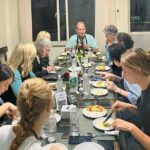
The session is about 4 hours and the group size maxes out at 16. That matters more than you’d think. Smaller groups mean you can actually get questions answered and get back to the cooking station without feeling lost.
They offer lunch and instruction in English, which helps if you don’t speak Nepali. You also get a mobile ticket, and you’ll receive confirmation at booking.
Getting to the class from Tribhuvan Airport (and why Thamel location helps)
The start point is Tribhuvan Airport, Kathmandu, and the activity ends back at the meeting point. Pickup is offered, and the school is in the heart of Thamel, where it’s easy to continue your day on foot after the class.
If you’re staying in central Kathmandu, this is one of those smooth setups: you don’t need to coordinate a long trek across town before you even start cooking. And Thamel’s location is practical for travelers—lots of food options nearby, plus easy access to public transportation if you need it.
Quick practical tip: since the start is tied to the airport area, confirm pickup timing when you book, especially if your flight times are tight. With classes like this, you want to treat the cooking session like a timed reservation, not like a vague “sometime in the afternoon” thing.
How the 4 hours run: chai, menus, spices, and hands-on cooking
The flow is straightforward, and that’s part of why the class works.
Step 1: Warm welcome with masala chai
You’re greeted with traditional masala chai, a hospitality gesture that sets the tone immediately. It’s not just a drink before you start—it’s a small cultural moment that makes the group feel like you’ve arrived somewhere welcoming, not just into a classroom.
You can also read our reviews of more tours and experiences in Kathmandu

Step 2: Pick from three menus (and share any dietary needs)
Next, you choose from three carefully curated menus. This is where you should think ahead about your preferences. Tell them about dietary restrictions or allergies during the menu selection part, so the cooking matches your needs.
I like this setup because it keeps the lesson flexible. You’re not stuck with a single default menu that may or may not fit your diet.
Step 3: A real intro to Nepali spices
Before you start cooking, you get an overview of regional spices that are central to Nepali cuisine. This helps you stop thinking like a tourist who follows instructions and start thinking like a cook who understands flavor.
You don’t need to memorize a spice chart. The goal is to give you enough context that when flavors show up in your dish, you know what you’re tasting and why.
Step 4: Your hands-on cooking session
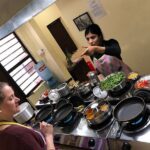
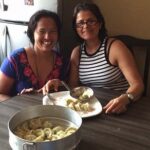
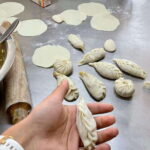
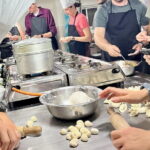
Then comes the best part: you cook. You’re guided through the process, and you’re not just observing. The pace is active, and the instruction is designed so you can keep up even if you’re new to Nepali cooking.
One detail that makes a difference: there’s no heavy cleaning responsibility on your end. You cook, they guide, and you can focus on making the meal happen. Multiple people highlighted that the cleanup is handled for you, which turns a cooking class from “work + mess” into a relaxed afternoon.
Step 5: Finish up and take home a recipe book
At the end, you receive a Namaste Cooking School recipe book. This is a big part of the value, because it’s what turns the class into a future cooking plan, not just a one-time meal.
When you’ve got the written instructions, you’re more likely to cook again at home—and actually remember what you did instead of only remembering the taste.
Spice lessons you can actually use back home
Many cooking classes teach you steps. This one also tries to explain the flavor logic with its spice intro. That’s the difference between cooking something once and being able to recreate the idea later.
Think of it like this: if you only learn the sequence of actions, you depend on the dish tasting the same way every time. If you learn what spices do, you can troubleshoot when your kitchen pantry or local ingredients don’t match Kathmandu perfectly.
Also, learning spice names and their role helps you when you’re cooking with other cuisines later. Nepali cooking sits in its own flavor world, and once you understand the spices, you’ll recognize them faster when you travel or shop.
The hands-on part: why you’ll feel proud eating your own lunch
You’re not waiting for someone to bring the finished food to the table. You make it.
That’s why the class sticks. When you taste your own work—fresh, delicious, and made with guidance—you get that very specific satisfaction of having done it yourself. It’s also easier to ask questions while you’re mid-recipe rather than waiting until after the fact.
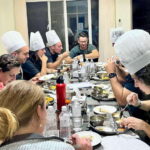
And the teaching style matters too. The class is led by women who are upbeat and friendly, with a focus on making the experience enjoyable, not stressful. People even mentioned dancing and singing as part of the fun energy in the room. That doesn’t mean it’s a show. It means the room doesn’t feel stiff, and you’re more likely to relax enough to learn.
If you’re traveling solo, this kind of group cooking setup can be a win. You still have other people around you, and the conversation comes naturally through cooking tasks and shared menu choices.
What you eat: fresh lunch built around the menu you choose
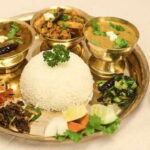
Lunch is included, and the food you cook is described as fresh and delicious. Since you choose from three menus, you’ll likely be able to select something that fits your tastes—within the limits of the menus they offer at that time.
I recommend using the menu selection as a chance to try something you might not order just by seeing it on a menu board. If you always pick the safe choice, cooking classes become a repeat of what you already know. Pick one dish you’re curious about, and let the spice overview set expectations before you start cooking.
And because they ask about dietary restrictions and allergies, you shouldn’t feel like you’re stuck. Share what you need early, so they can guide you to a menu option you can cook and eat comfortably.
The Thamel location: convenient for tourists, still local enough to feel real
The school is right in central Thamel, which is good news for logistics and good news for atmosphere. You can get there easily, and after the class you’re not trapped in “dead time” with nowhere to go.
Thamel also makes it easier to pair this activity with other Kathmandu plans. You can do the cooking session in the afternoon and then wander for dinner, or do it earlier so you still have energy left for evening plans.
The bigger point is this: being in the traveler zone doesn’t make the class feel fake. The focus stays on Nepali cooking technique, spices, and ingredient authenticity through local sourcing. You’re in a practical space designed for teaching—just located where visitors can reach it without a hassle.
Who should book this cooking class
This class is a great fit if you want:
- Hands-on cooking instead of passive sightseeing
- A female-led cultural experience with a warm, welcoming tone
- A short, structured activity that includes lunch
- A recipe book you can use later, not just a memory
- An English-speaking guide-friendly setup
It’s also good if you’re traveling solo and want a social experience without awkward icebreakers. Cooking tasks keep conversation flowing naturally.
You might consider skipping or weighing your options if:
- You dislike cooking or get overwhelmed by active, hands-on instruction
- You’re traveling during a period where weather is unpredictable and you can’t easily shift plans
- You want a very long, sightseeing-style day rather than a compact cooking focus
Should you book Namaste Cooking School?
I think it’s worth booking if you want a Kathmandu activity that’s both cultural and genuinely useful. The combination is rare in this category: a women-led class, a structured flow (chai → menu choice → spice intro → cooking → cookbook), and the practical detail that you do the cooking while the mess is handled for you.
At $30 and about four hours with lunch included, this isn’t a luxury add-on. It’s a solid way to learn Nepali flavors in a way you can repeat at home. If your schedule allows, book ahead so you don’t get stuck with limited menu times.
FAQ
FAQ
What is the location of this cooking class?
The school is located in the heart of Thamel in Kathmandu. Pickup is available, and the activity starts from Tribhuvan Airport.
How long is the cooking class?
It runs about 4 hours (approx.).
How much does it cost?
The price is $30.00 per person.
What’s included in the experience?
Lunch is included, and you also receive a Namaste Cooking School recipe book. English instruction is offered.
Do they offer pickup?
Yes, pickup is offered. The activity starts from Tribhuvan Airport and ends back at the meeting point.
How big is the group?
The class has a maximum of 16 travelers.
Can they accommodate dietary restrictions or allergies?
Yes. During menu selection, they ask about dietary restrictions or allergies.
Do I get a ticket on my phone?
Yes, the experience offers a mobile ticket.
What happens if the weather is bad?
The experience requires good weather. If it’s canceled due to poor weather, you’ll be offered a different date or a full refund.
What is the cancellation window?
You can cancel for a full refund up to 24 hours in advance. If you cancel less than 24 hours before the start time, the amount paid won’t be refunded.