REVIEW · KATHMANDU
Kathmandu City Tour
Book on Viator →Operated by Himalayan Hero Adventures · Bookable on Viator
Temple bells, stupa domes, and busy courtyard life all in one route. This Kathmandu City Tour is interesting because you’re not just seeing landmarks—you’re moving through the parts of Kathmandu Valley where Hindu and Buddhist traditions sit side by side, plus you get a guided route that hits major sights without turning the day into a maze.
I especially like the guided focus on big-name heritage sites, and I like the practical comfort of an air-conditioned vehicle for the ride between stops. One thing to keep in mind: lunch and coffee are not included, and you may still need to handle permits on heritage sites even though admission tickets are listed as free.
You start at 8:15 am, and the day runs about 7 to 8 hours, which is enough time to take photos, slow down at each place, and still feel like you saw the essentials of Kathmandu without dragging yourself into an all-day marathon.
In This Review
- Key Highlights at a Glance
- Kathmandu Valley, Condensed: Why This Day Tour Works
- Price and Value: Is $100 Worth It?
- Pickup, AC Comfort, and the Private-Group Setup
- Stop-by-Stop: Pashupatinath, Bouddhanath, Patan Durbar Square, Monkey Temple
- 1) Kathmandu Valley and the Big Icons First
- 2) Pashupatinath Temple: Hindu Devotion at Scale
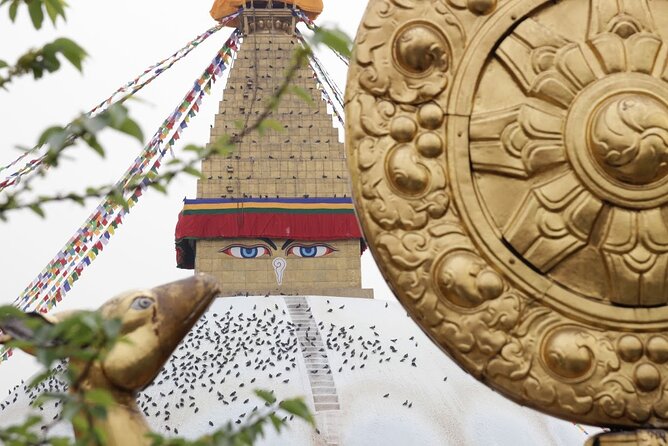
- 3) Bouddhanath Stupa: Buddhist Gravity and Color
- 4) Patan Durbar Square: Royal-Courtyard Atmosphere
- 5) Swyambhunath Stupa (Monkey Temple): The View and the Ritual
- What’s Included vs What You’ll Pay Separately
- How Long It Really Takes and How to Make the Day Feel Easy
- Guide Quality: Why It Matters More Than You Think
- Who This Tour Fits Best (and Who Might Skip It)
- Should You Book the Kathmandu City Tour?
- FAQ
- What time does the tour start?
- How long is the Kathmandu City Tour?
- Do you get pickup and transport?
- What’s included in the price?
- What is not included?
- Is there an admission fee?
- Can I cancel for a full refund?
Key Highlights at a Glance
- Kathmandu Valley route that connects Hindu temples and Buddhist stupas in a single day
- Pickup offered plus comfortable air-conditioned transport between major sites
- Pashupatinath, Bouddhanath, Patan Durbar Square, and Swyambhunath on one schedule
- Private for your group, with group discounts depending on party size
- Admission ticket listed as free, but heritage-site permits are not included
Kathmandu Valley, Condensed: Why This Day Tour Works
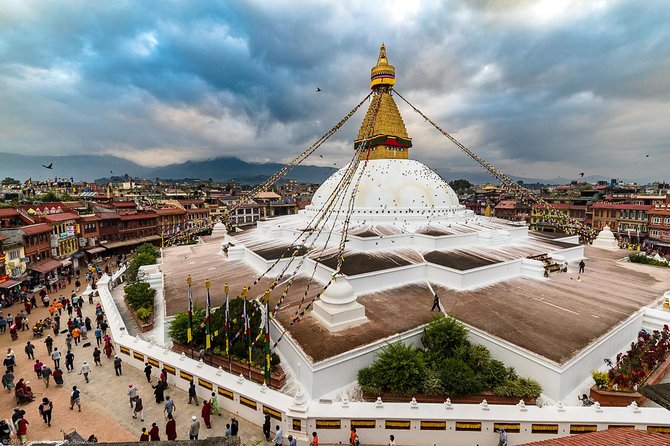
Kathmandu can feel like a thousand tiny streets and temple gates that all look like they should lead somewhere great. This tour helps you get your bearings fast by building a route around the most important heritage stops in the Kathmandu Valley area.
The best part is the way the places talk to each other. You’ll see Hindu religious space at Pashupatinath, then switch gears to the giant Buddhist presence of Bouddhanath Stupa, and later move into the palace-courtyard atmosphere around Durbar Square and Patan. It’s the same city, different spiritual languages.
The other reason this works is timing. Starting at 8:15 am usually gives you a calmer rhythm for temples and stupa visits. You’re also not locked into an eight-hour walking-only day because you’ve got an AC vehicle between stops.
That’s a practical win if you’re planning a short trip and you want one strong day that covers the highlights without forcing you to map everything yourself.
You can also read our reviews of more city tours in Kathmandu
Price and Value: Is $100 Worth It?
At $100 per person for about 7 to 8 hours, the value mostly comes from what you’re not paying for with your own time and stress. You get a tour guide and air-conditioned transport, and that matters in Kathmandu where traffic can chew up hours if you’re improvising.
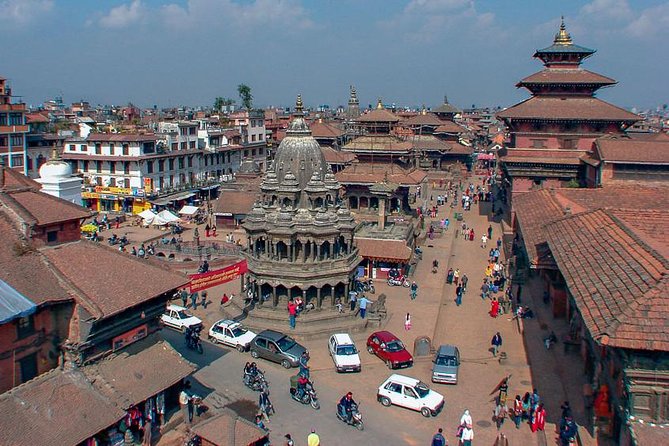
This price also feels reasonable because the tour is built around major heritage sites that people travel for in the first place. You’re not doing random stops or a generic city drive. It’s a focused day: temples, stupas, and UNESCO-listed heritage areas linked to Kathmandu Valley and the royal-courtyard tradition.
The catch is simple: lunch, coffee/tea, and heritage-site permits are not included. The tour also lists admission as free, so you may not face entry ticket costs at every stop, but permits can still be part of the on-site reality. I’d plan your budget for meals and small extras anyway, and treat permits as a possible add-on.
If you want a low-effort day with strong sightseeing structure, this is a good fit. If you prefer free-form wandering and you already know the sites well, you might get a similar day cheaper on your own—but you’ll trade away the clean route and guidance.
Pickup, AC Comfort, and the Private-Group Setup
The tour offers pickup, and it’s designed to be easy to join. The meeting point is described as near public transportation, and confirmation is provided at booking time.
A key practical detail is the air-conditioned vehicle. In Kathmandu, that comfort is not a luxury—it’s what keeps the day enjoyable once the driving and temple walks stack up. It also helps if your day is right after arrival, when you’re still adjusting and don’t want your sightseeing plan to feel like punishment.
This is also described as private for your group, meaning it’s not a huge mixed crowd experience. That often makes photos easier, and it can be less chaotic when you’re moving between sacred spaces.
One more thing I like from the pattern in the operator’s reputation: people talk about good communication and smooth organization, including drivers with solid English. In the feedback I saw, names like Kiran show up for driving, and Kumar and Madan appear as key figures behind the company. That kind of consistency usually signals you won’t get left alone to figure things out.
Stop-by-Stop: Pashupatinath, Bouddhanath, Patan Durbar Square, Monkey Temple
Here’s what the day looks like in practice, and what each place gives you.
1) Kathmandu Valley and the Big Icons First
The tour frames the day as a Kathmandu Valley circuit, which matters because you’re not just ticking off one site. You’re seeing how different neighborhoods and cultural influences shape the city’s spiritual core.
You’ll move through multi-cultural tradition and language influences that feel built into daily life, not staged for tourists. The guide helps connect what you’re seeing to why it’s important in the Kathmandu Valley tradition.
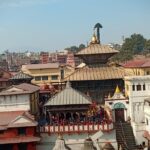
2) Pashupatinath Temple: Hindu Devotion at Scale
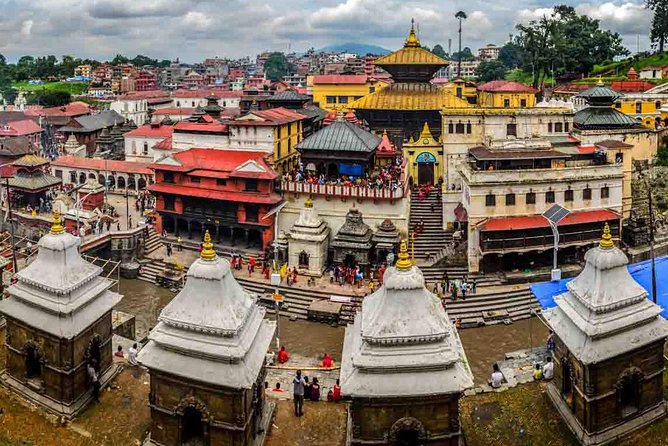
Pashupatinath Temple is one of the biggest spiritual magnets in Nepal, and it’s not the kind of place you’ll understand just from photos. You need a guide to point out what to notice—how the architecture and religious rhythms show up around worship areas.
This is also a place where you’ll likely feel the scale and intensity of Hindu practice. That can be moving, and it can also be busy. Go in ready to be respectful, dress appropriately, and expect you might not have full control over timing and crowd flow.
3) Bouddhanath Stupa: Buddhist Gravity and Color
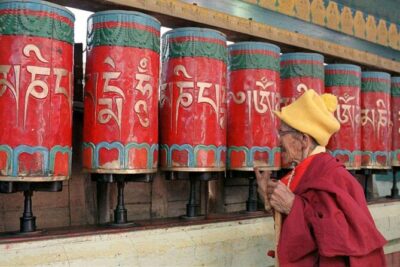
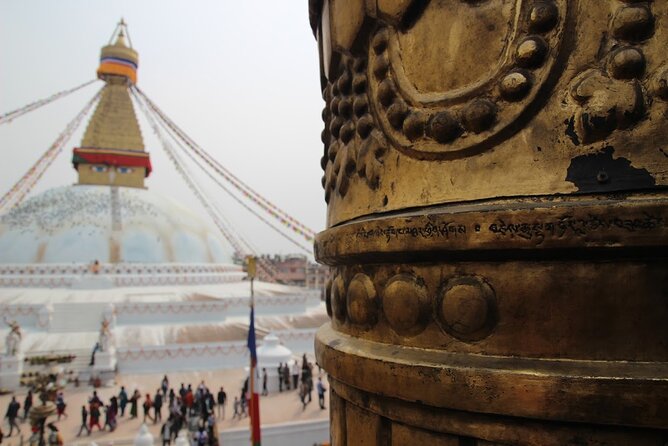
Then you shift to Bouddhanath Stupa, famous for its massive stupa presence and the way Buddhist devotion fills the surrounding space. This is where the day starts to feel like two worlds in one city: after Hindu temple energy, Buddhist practice takes center stage.
The guide helps you understand the rhythms around the stupa area—where people gather, how movement around the stupa works, and what the visuals mean beyond decoration. If you’re a first-time visitor, this stop often becomes the memory-anchor of the whole trip.
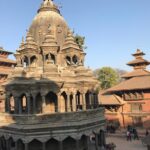
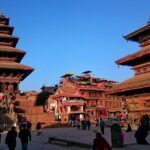
4) Patan Durbar Square: Royal-Courtyard Atmosphere
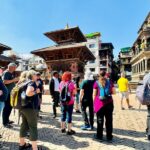
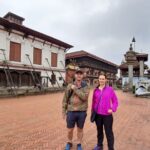
Next up is Patan Durbar Square, tied to the royal heritage theme that runs through Kathmandu Valley. This is the kind of place where you feel the city’s historical layout in the stonework and courtyards.
Durbar squares aren’t just pretty buildings. They give you a sense of civic and royal structure—how power, religion, and daily life blended in earlier centuries.
You’ll also likely find it easier to appreciate because you’ve already been “reading” the day’s religious sites. By this point, your eyes are tuned for patterns: carvings, courtyards, and the way people move through sacred and historic space.
5) Swyambhunath Stupa (Monkey Temple): The View and the Ritual
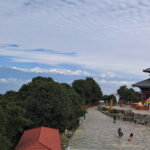
Finally comes Swyambhunath Stupa, often called Monkey Temple. This stop gives you two things at once: the viewpoint feeling and the ritual atmosphere.
From the practical side, you’ll want to manage expectations about steep paths and steps. Even with time to slow down, you’ll still feel the climb, so wear shoes you trust on uneven stone.
What I like about this stop is that it rewards both quick viewing and patient looking. You can take in the city view, then shift focus to the stupa details and the devotion happening around it.
What’s Included vs What You’ll Pay Separately
Let’s make the money part clear so there are no surprises.
Included:
- Air-conditioned vehicle
- Tour guide
Not included:
- Lunch
- Coffee and/or tea
- Permits on heritage sites
Admission:
- The tour information lists admission ticket free for the stops described, and the route is set up so entry costs may not be the big expense.
Because permits are explicitly not included, I’d treat the day like this: plan a budget for your meals, and be ready to cover any on-site permits that are required where you’re visiting. If you want to remove uncertainty completely, ask the operator when you book what fees (if any) you should expect at each heritage stop.
How Long It Really Takes and How to Make the Day Feel Easy
The tour says 7 hours with a range up to 8 hours. That’s a solid window for Kathmandu sightseeing, especially because heritage sites can’t always be rushed. You’ll likely spend extra minutes where you’re drawn in—at temple courtyards, around the stupa, or when you want a better photo angle.
Here’s how to keep the day from feeling tight:
- Wear layers you can adjust, since mornings and midday can feel different.
- Bring water and a small snack plan, even if you plan to buy lunch later.
- Keep your phone charged for the viewpoints and stupa details, and don’t wait until the last stop for photos.
Also, keep an eye on how you dress. These are sacred spaces, so plan for conservative, respectful clothing. You’ll get a smoother experience if you don’t have to make quick outfit changes before you enter.
Guide Quality: Why It Matters More Than You Think
For a city like Kathmandu, a good guide is the difference between seeing buildings and understanding what you’re standing in front of. A guide can point out the reason one courtyard is arranged a certain way, why a stupa draws specific rituals, and what details are worth noticing instead of just scanning the scene for photos.
In the feedback patterns tied to this operator, you’ll see praise for clear organization and English-speaking driving support, including Kiran. Owners and key staff like Kumar and Madan also appear in guest discussions as part of the operation. That kind of name recognition often means the same people are involved in planning and follow-through, which usually equals fewer hiccups.
Even if you’re not a history nerd, this matters. When you understand what you’re looking at, the city feels less chaotic and more meaningful.
Who This Tour Fits Best (and Who Might Skip It)
This is a great match if:
- You’re short on time and want the Kathmandu Valley highlights in one day.
- You want the spiritual variety—Hindu temple, Buddhist stupa, and royal-courtyard heritage—without building your own route.
- You prefer a guided plan with comfortable transport.
It might be less ideal if:
- You’re comfortable navigating and planning your own heritage route with local transport and you don’t need a guide.
- You’re expecting lunch to be included.
- You don’t want to deal with any potential permit-related fees at heritage sites.
If you like structure and you want a clean route from start to finish, you’ll likely enjoy this more than a do-it-yourself day that depends on traffic and your ability to find the right entrances quickly.
Should You Book the Kathmandu City Tour?
I’d book it if you want one strong, efficient sightseeing day that covers the major sacred and historic icons around Kathmandu Valley, with pickup, AC comfort, and a guide doing the translation between what you see and what it means.
I wouldn’t book it only if you’re trying to travel ultra-budget and you plan to handle everything on your own anyway. At $100, the value is less about bargain hunting and more about buying back time, comfort, and clarity.
One simple rule of thumb: if you want to feel confident in your day—where you’re going, what you’re looking at, and how long it will take—this tour is an easy yes.
FAQ
What time does the tour start?
It starts at 8:15 am.
How long is the Kathmandu City Tour?
Plan on about 7 to 8 hours.
Do you get pickup and transport?
Yes. Pickup is offered, and the tour includes an air-conditioned vehicle.
What’s included in the price?
The price includes an air-conditioned vehicle and a tour guide.
What is not included?
Lunch, coffee and/or tea, and permits on heritage sites are not included.
Is there an admission fee?
The tour information lists admission ticket free, but permits on heritage sites are not included.
Can I cancel for a full refund?
Yes. You can cancel up to 24 hours in advance for a full refund. If you cancel within 24 hours of the start time, the amount paid is not refunded.