REVIEW · KATHMANDU
Kathmandu Durbar Square | Holi Festival Celebration 2 March
Book on GetYourGuide →Operated by Epic Adventures Private Limited (EAPL) · Bookable on GetYourGuide
Color, prayers, and history in one square. This Holi celebration in Basantapur Durbar Square pairs the big ritual moment of Holika Dahan with real sightseeing value in Kathmandu Durbar Square, a UNESCO site. I like that the day is built to give you both the festival action and the context behind what you’re seeing.
One thing to consider: Holi is crowded, and color stains. You’ll want old clothes, eye protection, and patience for moving through temple lanes packed with people.
In This Review
- Key points to know before you go
- Holi in Basantapur Durbar Square: Why This Location Matters
- How the 6-Hour Flow Works From Your Start Point
- Holika Dahan: The Big Fire Moment and the Blessing Part
- Exploring the Carved Courtyards and Temple Layout
- Rangwali Holi Context: What Happens the Next Day
- Colors, White T-Shirt, Lunch, and the Small Stuff That Adds Real Value
- The Photography Reality: How to Get Great Shots Without Being That Person
- Safety With Color: A Checklist That Actually Helps
- English and Hindi Guide Support: What That Changes for You
- Price and Value: Is $35 a Good Deal?
- Who Should Book This Holi Experience
- Should You Book for 2 March 2026? My Take
- FAQ
- Where is the meeting point for the Kathmandu Durbar Square Holi celebration?
- How long is the Holi celebration tour?
- What is included in the tour price?
- What will I do during the 6 hours?
- Is lunch provided?
- What should I bring to stay comfortable?
- Are alcohols included?
- What languages is the live guide?
- Who is the tour not suitable for?
- What is the cancellation policy?
Key points to know before you go
- Holika Dahan ritual viewing with blessings and a clear cultural explanation
- UNESCO Kathmandu Durbar Square sights in the same 6-hour block
- Provided essentials like a white t-shirt, color, and a mineral water bottle
- Time with a live English/Hindi local guide who keeps the day organized
- Practical photo focus in temple courtyards and around the square’s performers
- Safety-first planning for crowds and color application etiquette
Holi in Basantapur Durbar Square: Why This Location Matters
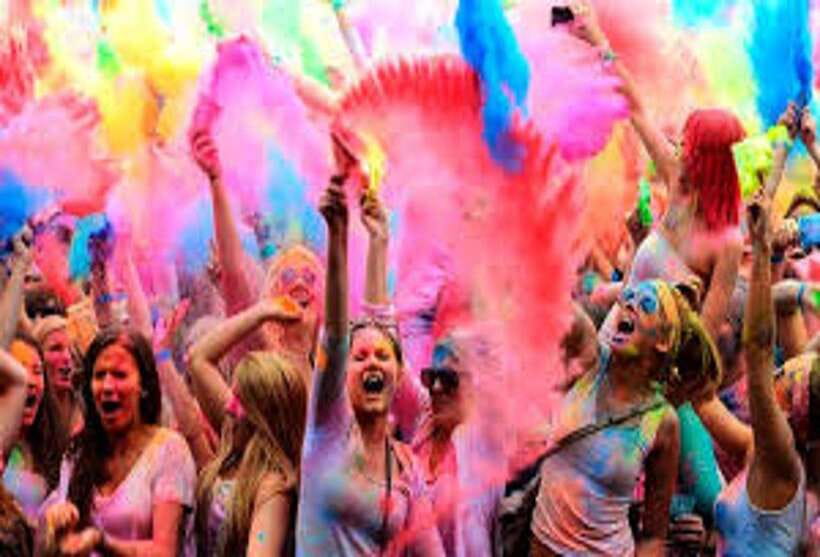
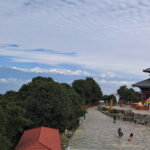
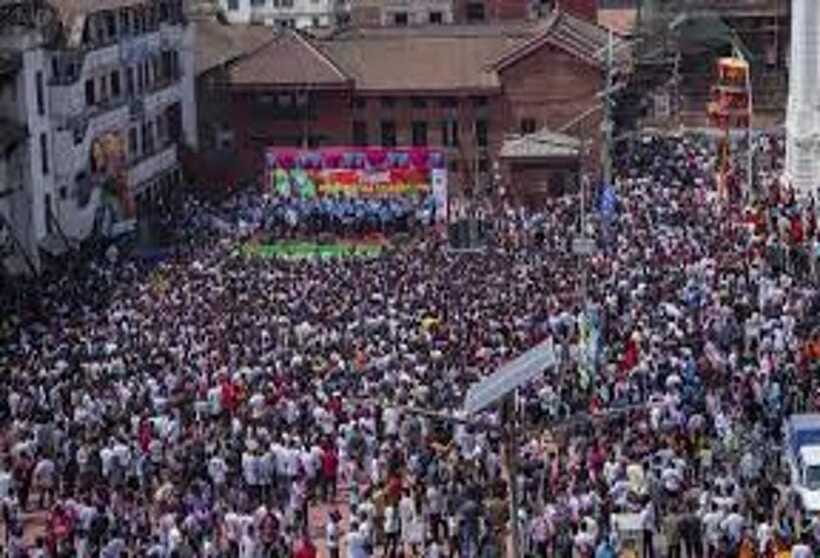
Kathmandu’s Basantapur Durbar Square is one of the places where Holi doesn’t feel like a staged show. You’re in the middle of a living cultural setting, where the festival overlays a historical site that’s already full of carved stone, small courtyards, and temple structures. When the ritual starts, it hits harder because it’s happening right where locals worship and gather.
I also like that the day isn’t only about throwing color. You’re guided through why people celebrate, including the Holika Dahan bonfire moment, which symbolizes the triumph of good over evil. That background matters, because it helps you read what you’re seeing instead of just reacting to the chaos.
You can also read our reviews of more tours and experiences in Kathmandu.


How the 6-Hour Flow Works From Your Start Point
Your day begins near The Delicious Pizza House Nepal, and from there you’ll walk toward Kathmandu Durbar Square. Expect about 30 minutes on foot at the start, then roughly 4 hours to explore the square and take in the festival atmosphere.
After the main celebration time, you’ll continue with another walk segment of around 45 minutes. That adds up to a day that’s “easy walk” rather than “sit in a bus all day.” If you’re the type who likes to wander, this works well. If you hate crowds and tight movement, you’ll need to plan for slower pacing.
Good to know: the activity runs for 6 hours total, and it’s available only on 2 March 2026. That one-day limit is a big part of the value. You’re booking for a specific moment in the Holi calendar, not a generic sightseeing slot.
Holika Dahan: The Big Fire Moment and the Blessing Part
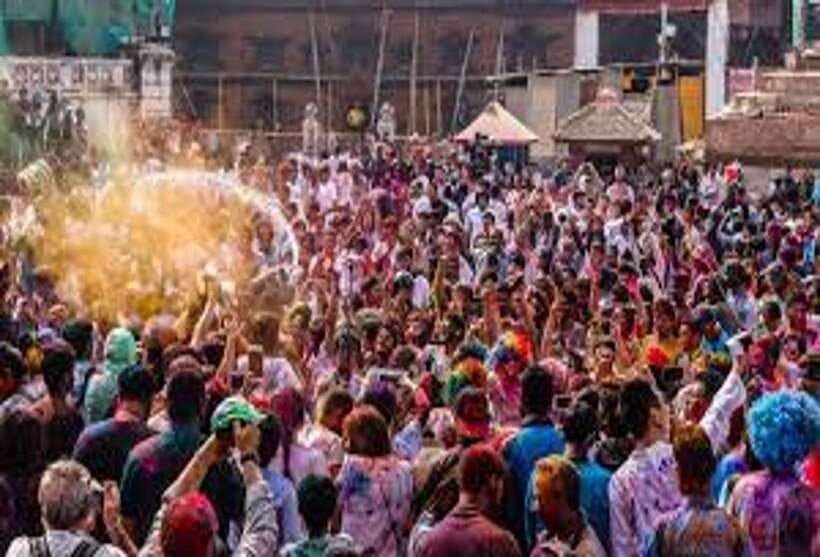
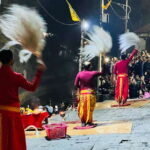
The headline ritual is Holika Dahan, the traditional bonfire. In practical terms, you’ll be there when the flames rise and people offer prayers. The group also focuses on seeking blessings for prosperity, happiness, and good fortune—so you’re not just watching from the outside.
What I like about this part of the program is the “why,” not just the “wow.” Holi can look like a color party if you only know the surface. Here, you get the religious meaning tied to the bonfire moment, so the day makes emotional sense even if you’re not fluent in the local customs.
If you’re the kind of traveler who likes respectful experiences, this is one of the strongest sections. It’s also a good time for photos because the fire creates dramatic lighting around the square.
Exploring the Carved Courtyards and Temple Layout
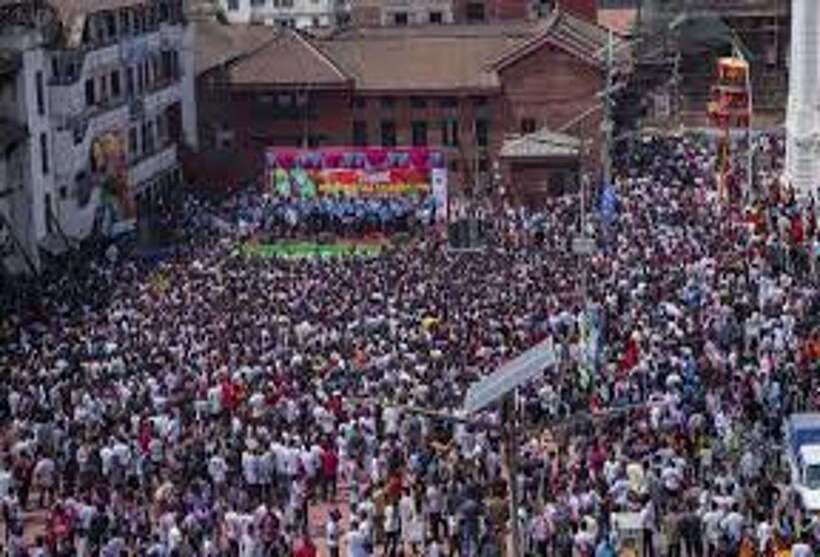
Between ritual moments, you’re sightseeing around the Durbar Square complex: temples, palaces, and courtyards. This is where you’ll understand why the square is such a landmark in Kathmandu. The stonework and layout aren’t background filler. They shape how crowds move and where people gather.
Because Holi brings everyone outside, these historic features become part of the festival. Performers and music can pull attention toward specific courtyards, while families linger in shaded corners. Your guide helps you see the site at the same time you’re seeing the festival energy—without turning the day into a frantic sprint.
This is also where you’ll likely spend time with your camera. The square gives you multiple angles: wide views from open areas, and close-ups near temple carvings and ritual spots. Just remember: photography etiquette matters when people are participating in ceremonies.
Rangwali Holi Context: What Happens the Next Day
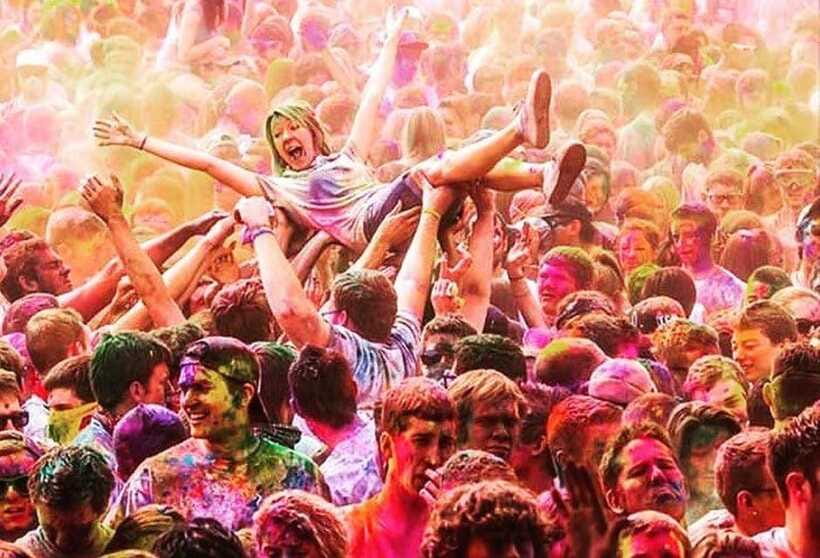
You might hear about Rangwali Holi, the street-color day that happens the following day. Since this tour is for 2 March 2026, you’ll be experiencing the main Holi celebration tied to the Holika Dahan timeline, not the next day’s street surge.
That said, knowing what’s coming helps you plan the rest of your trip. If you’re staying in Kathmandu on 3 March, you’ll likely see more color roaming through streets beyond the Durbar Square zone. Even if you don’t join that, it helps you understand why the vibe escalates from one day to the next.
Colors, White T-Shirt, Lunch, and the Small Stuff That Adds Real Value
This tour includes several practical items that reduce hassle. You get a white t-shirt, color, and a bottle of mineral water. That matters on Holi because the “day-of” logistics can otherwise turn into a scramble—especially if you don’t want to hunt for powders, protective gear, or a place to clean up.
You also get a Nepali thali set as lunch. For $35 per person, that’s a big piece of the value picture. You’re paying for a guided cultural experience, access fees (including the monument fee at Kathmandu Durbar Square), and a meal—not just a walk-through.
And yes, there’s a reason the white t-shirt is part of the plan. It gives you a clean baseline for color photos and makes it less stressful to participate. The tradeoff is obvious: you should treat that shirt as a Holi souvenir, not a washable item you’ll wear again right away.
Not included: alcoholic beverages and personal expenses. If you want snacks or drinks beyond what’s provided, budget for that separately.
The Photography Reality: How to Get Great Shots Without Being That Person
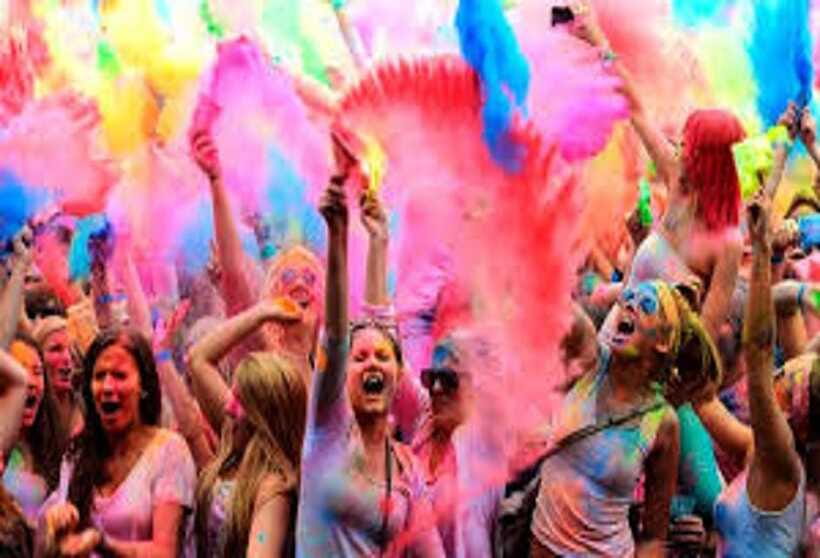
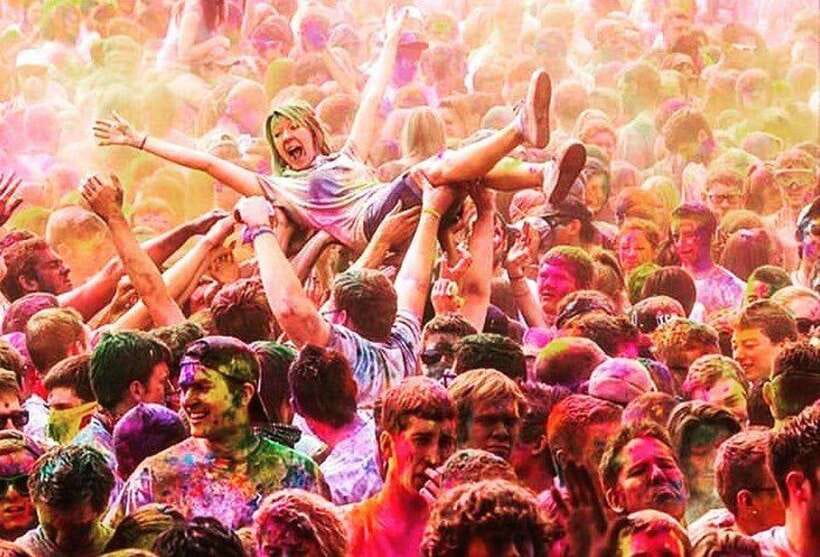
The square is a photographer’s dream. You’ll have colored powder, dancers, music energy, and a historic stone setting that gives depth to your pictures. But Holi also means crowds, fast movement, and people getting close.
Your best strategy is respectful positioning:
- Focus on shooting when you’re near open areas rather than forcing your way into a ceremony.
- If someone looks like they’re actively participating or praying, give them space.
- When applying color, remember there’s an etiquette component. Seek permission before putting color on others, especially elders or anyone who doesn’t want full participation.
If you follow those rules, you’ll get photos that feel like memory, not conflict.
Safety With Color: A Checklist That Actually Helps
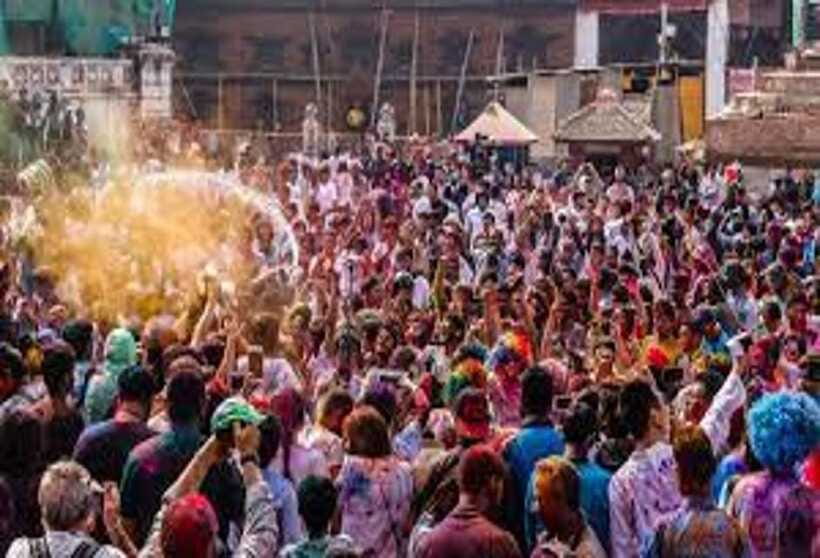
Holi is fun, but it can be rough on skin and eyes if you’re not prepared. The tour guidance is clear: wear old clothes you don’t mind getting stained with colors. Protect eyes and skin with sunglasses and by applying oil or moisturizer beforehand.
Crowds are another practical issue. Even if you’re excited, you’ll want to be mindful of where you stand and how you move. Staying hydrated helps too, and you do get a water bottle as part of the included package.
Also, plan around the fact that this activity isn’t suitable for everyone. It may not be a good fit if you are pregnant, have mobility impairments, use a wheelchair, have respiratory issues, have pre-existing medical conditions, or have had recent surgeries. The day involves walking and dense festival conditions, so the safest choice is to match the tour to your health needs.
English and Hindi Guide Support: What That Changes for You
A key part of this experience is that you have a live local guide in English and Hindi. That changes the day because you’re not trying to translate ceremonies or guess the meaning of ritual actions from scratch.
The guide also helps you hit the most meaningful viewing windows. In practice, that’s what turns a tourist “watching Holi” into a cultural experience you can actually understand. You’ll also have someone to clarify where to look, when to move, and how to handle crowd flow around the square.
If you’re traveling solo, this kind of guidance can reduce stress. One guest described feeling safe with the team throughout the experience, and that attention shows in how the group stays together.
Price and Value: Is $35 a Good Deal?
At $35 per person for 6 hours, the price looks more reasonable when you break down what’s included:
- Local guide (English/Hindi)
- Monument fee for Kathmandu Durbar Square
- Lunch (Nepali thali set)
- White t-shirt
- Color
- Mineral water
- Organized access to the ritual and square sightseeing during Holi
If you were to assemble this on your own—find a guide, pay entry where needed, and then add lunch—you’d likely spend more time and money than the fixed tour cost. The value is strongest if you want both festival participation and historical context without doing logistics on the fly.
Who Should Book This Holi Experience
This tour is a good match if you want:
- A cultural Holi day that includes the Holika Dahan ritual, not just color powder play
- A guided visit to Kathmandu Durbar Square while festivities are happening
- A structured day that includes a meal, entry, and practical supplies
You may want to skip it if:
- You can’t handle walking and crowded public spaces
- You have medical or mobility constraints that make dense conditions unsafe
- You’re hoping for a quiet, low-stress experience
If you’re a first-time visitor to Kathmandu, this also works well as a “learn the place” moment. You’re seeing a major UNESCO site, while also witnessing how the living city celebrates.
Should You Book for 2 March 2026? My Take
I’d book this Holi celebration if you’re excited by cultural context and you’re okay with messy, joyful crowd energy. The combination of ritual viewing, temple-courtyard sightseeing, and included lunch is the real selling point. You also get practical Holi items like the white t-shirt and color, which makes it easier to participate without overthinking supplies.
If your priority is comfort over color, you can still enjoy the day—but plan carefully. Bring eye protection, wear old clothes, and be ready for the day to move fast in tight spaces.
Finally, one interesting extra: the operator behind the experience (Epic Adventures Private Limited) has helped at least one traveler arrange a last-minute hike the day before. So if you like having the same local team handle multiple activities, this could be a solid base for planning your broader Kathmandu itinerary.
FAQ
Where is the meeting point for the Kathmandu Durbar Square Holi celebration?
The activity meeting point is located at Paknajol Marg, opposite the Ganesh Temple. You can find the spot on Google Maps, and if you stay in Thamel, you can email your hotel name and address for pickup.
How long is the Holi celebration tour?
The total duration is 6 hours.
What is included in the tour price?
Included items are a white t-shirt, color, 1 bottle of mineral water, monument fee at Kathmandu Durbar Square, local guide, Nepali thali set as lunch, and the Holi festival celebration on 2 March 2026.
What will I do during the 6 hours?
You’ll walk from the starting point to Kathmandu Durbar Square, spend about 4 hours sightseeing in the Durbar Square area, watch Holi celebrations (including Holika Dahan), and then continue with the remaining walking time as the day wraps up.
Is lunch provided?
Yes. Lunch is a Nepali thali set.
What should I bring to stay comfortable?
Bring a camera, sunscreen, water, and comfortable clothes. Old clothes are especially recommended because they may get stained with color.
Are alcohols included?
No. Alcoholic beverages are not included.
What languages is the live guide?
The live tour guide speaks English and Hindi.
Who is the tour not suitable for?
It’s not suitable for pregnant women, people with mobility impairments, wheelchair users, people with respiratory issues, people with pre-existing medical conditions, or people with recent surgeries.
What is the cancellation policy?
You can cancel up to 24 hours in advance for a full refund, according to the tour terms.