REVIEW · KATHMANDU
Kathmandu: Kopan Monastery, Swayambhu and Boudha Nath Stupa Tour
Book on Viator →Operated by Breakfree Adventures Pvt. Ltd. · Bookable on Viator
Quiet mornings, big sacred sites. This Kathmandu tour strings together Boudhanath Stupa and Swayambhunath (Monkey Temple) with a stop at Kopan Monastery, so you get both major pilgrimage energy and quieter spiritual lessons. I especially like the professional English-speaking guide (Madan) and the fact that you can go at a pace that actually makes sense for questions, photos, and small pauses.
One thing to plan around: this is a short, high-focus route, so you’ll want comfy shoes and a bit of patience with crowds around the big stupas. The tour also doesn’t include meals, though there are rooftop restaurant options nearby if you want lunch with a view of Boudhanath.
In This Review
- Key takeaways before you go
- Boudhanath Stupa: The UNESCO stop that sets the tone
- Kopan Monastery: Calm teachings on a hilltop near Kathmandu
- Swayambhunath (Monkey Temple): Panoramic views and mixed symbolism
- How the 5–6 hour private route actually feels
- Price and value: When $70 makes sense in Kathmandu
- The guide experience: Why Madan matters on this route
- Lunch near Boudhanath: Easy optional add-on
- Practical tips for a smoother sacred-site day
- Should you book this Kathmandu Kopan–Boudhanath–Swayambhunath tour?
- FAQ
- FAQ
- How long is the Kathmandu Kopan Monastery, Swayambhu, and Boudha Nath tour?
- What does the tour cost?
- Are hotel pickup and drop-off included?
- Is this a private tour?
- Are entrance fees included?
- Do I need to pay for meals?
- Are donations included in the price?
- Do they provide tickets on your phone?
- What’s the cancellation policy?
Key takeaways before you go
- Hotel pickup and drop-off in an air-conditioned private vehicle saves you time and stress in Kathmandu traffic.
- Tickets and entrance fees included for the main monuments remove the guesswork once you’re there.
- Madan as your private guide makes the history and symbolism easier to understand on the spot.
- Boudhanath Stupa first sets the tone right away with a full hour at one of the largest stupas in the world.
- Swayambhunath done in parts (multiple short stops) helps you take in views and religious details without feeling rushed.
- Private tour, only your group means fewer compromises compared with joining a larger group.
Boudhanath Stupa: The UNESCO stop that sets the tone
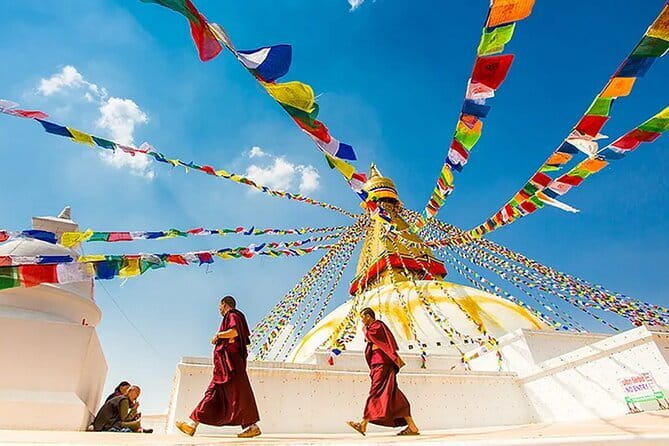
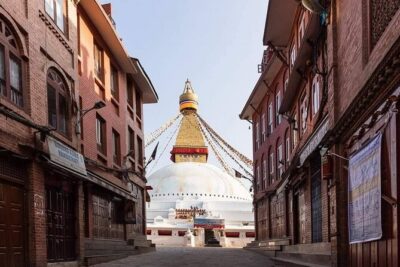
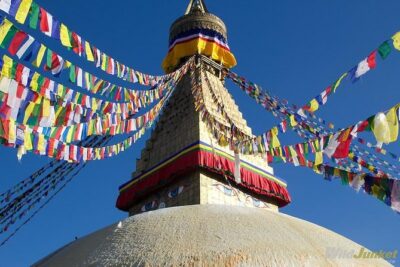
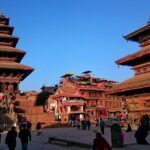
Boudhanath Stupa is the kind of place that changes your volume level. One hour here feels just right: long enough to walk the sacred perimeter, notice the prayer-wheel rhythm, and watch people do their routines without turning it into a checklist.
This is also one of those UNESCO World Heritage sites that matters beyond the stamp. It’s described as a major pilgrimage destination for Buddhists, and you’ll feel that in the way the space is used—practical, devout, and communal. If you care about what religious structures do for people, not just what they look like, this is a strong first landing spot.
What you’ll love: the scale and the spiritual focus. What to watch: the area can be busy, so plan to move slowly at your own pace rather than trying to “power-walk” the whole perimeter.
You can also read our reviews of more tours and experiences in Kathmandu.
Kopan Monastery: Calm teachings on a hilltop near Kathmandu
Then you head to Kopan Monastery, another highlight with a different mood. It’s on a hilltop near Kathmandu, and that location matters: the setting supports a quieter feel than the busy streets below. The time here is about an hour with an admission ticket included, which is enough to see the space, understand the purpose of the monastery, and take in the meditation and learning vibe.
Kopan is known as a hub for meditation and learning, so if you’re the type who likes to know what you’re looking at—without turning everything into a lecture—you’ll likely appreciate a guide who can connect the symbols to everyday spiritual practice. The value here is the human context: what people come here for, how the monastery functions as a teaching center, and why silence and routine are part of the experience.
If you’re sensitive to a more contemplative environment, this stop is also a nice balance after Boudhanath. It gives you a breather before the Monkey Temple climb.
Swayambhunath (Monkey Temple): Panoramic views and mixed symbolism
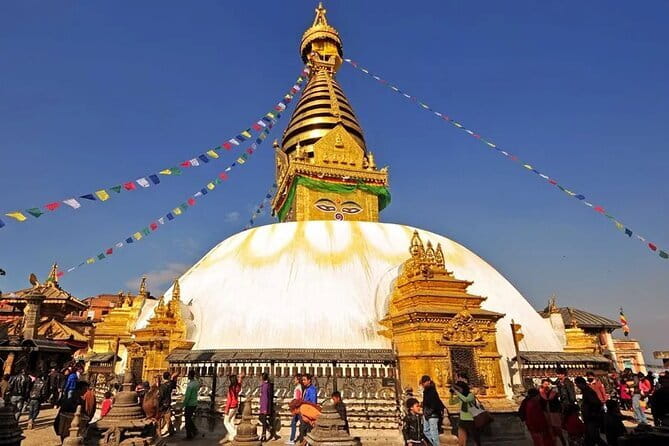
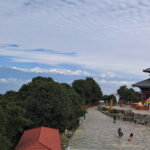
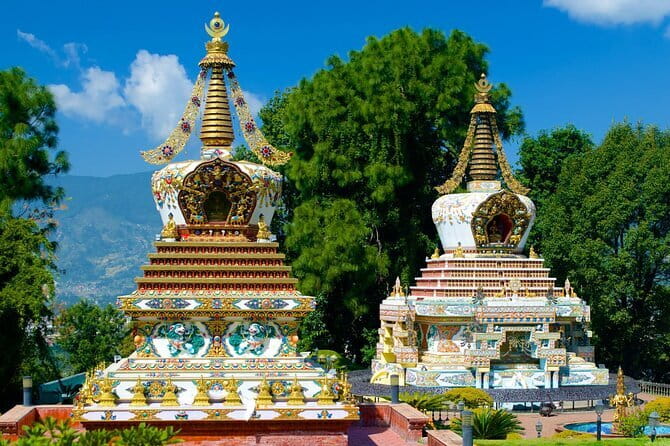
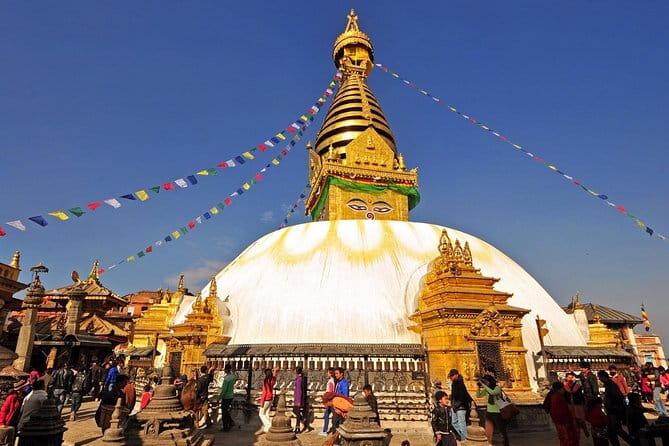
Swayambhunath is often called the Monkey Temple, and it’s easy to see why once you’re on the hill. The top of the hill offers panoramic views of the Kathmandu Valley, which means you’re not just viewing a monument—you’re also getting oriented to the city’s layout from above.
This tour handles Swayambhunath with multiple short segments, each around 30 minutes. Some segments list admission as free, while one part (Swayambhu Mahachaitya) includes admission. That structure makes the visit feel more like a guided walk with stops, not one long sprint up to a single viewpoint.
You’ll also see a blend of Buddhist and Hindu symbolism mentioned for this site. That mixture is part of what makes the Monkey Temple area so interesting: you’re standing in a religious space where different traditions interact in visible ways. The tour also points you toward the small rituals you can join, like spinning prayer wheels, which helps the visit feel participatory rather than purely observational.
What you’ll love: the views plus the chance to interact respectfully with small rituals. What to watch: the hill means stairs or uneven ground, so wear shoes you trust.
How the 5–6 hour private route actually feels
On paper, this is a compact 5–6 hour tour. In practice, it works well because it avoids the common mistake of “rushing between stops” without context. The order matters, too: starting with Boudhanath gives you a strong baseline for Buddhist architecture and pilgrimage behavior. Then you shift to Kopan Monastery for quieter learning, and finish at Swayambhunath for views and mixed symbolism.
Since it’s a private tour for only your group, you’re not boxed into the pace of a larger crowd. That matters because sacred sites often require time for the in-between moments: reading a sign, asking a question, stepping aside so you can actually see, or just standing still for a minute.
Also, the tour includes monuments entrance fees and uses a mobile ticket. That reduces friction during the day and keeps you from juggling extra paperwork while you’re already thinking about the places themselves.
Price and value: When $70 makes sense in Kathmandu
At $70 per person, the big question is what you’re paying for. Here, you’re not just buying access to monuments. You’re paying for:
- a private English-speaking guide
- hotel pick-up and drop-off
- an air-conditioned private vehicle
- entrance fees and all fees and taxes
- a guided structure that helps you understand what you’re seeing
If you tried to piece this together solo, you’d likely spend time figuring out transport and dealing with entry processes while also needing to do your own research. With a guide like Madan, the value comes from interpreting the sites while you’re there—so the day feels coherent, not random.
There’s also a scheduling angle: it’s commonly booked about 47 days in advance on average. That doesn’t mean you can’t find something later, but it’s a good sign that demand exists for this exact combo route. If your dates are fixed, you’ll typically do better by booking ahead.
The guide experience: Why Madan matters on this route

One of the strongest signals from prior experiences is the guide quality. Madan is described as professional and able to give informative history that helps you appreciate what you’re looking at. That’s not just nice commentary. It changes how you experience religious spaces—especially at places like Boudhanath and Swayambhunath, where symbolism runs deep and details can be easy to miss.
Another practical win: you can go at your own pace and ask a lot of questions. That’s a big deal for this kind of tour because “sacred sight-seeing” can go two ways—either it becomes a quick photo run, or it becomes understanding plus a calm sense of place. This format leans toward the second one.
If you’re the kind of person who wants answers—why certain things are done a certain way, what parts of the stupa represent, how the traditions connect—this guide-driven approach will feel like the right investment.
Lunch near Boudhanath: Easy optional add-on
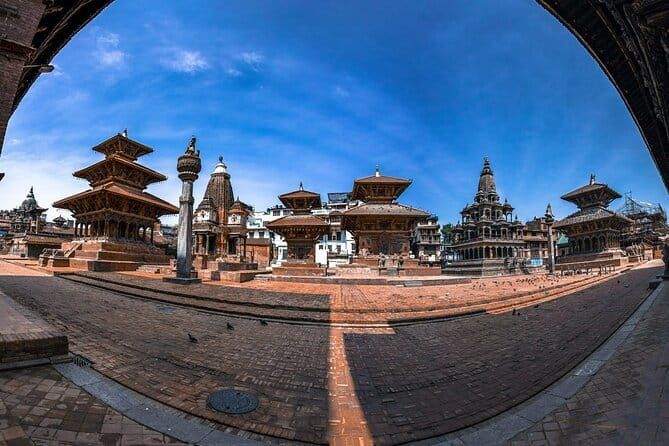
Meals and drinks aren’t included, but there’s a smart built-in moment in the flow: you can enjoy lunch with a stunning view of Boudhanath from rooftop restaurants nearby. That’s the kind of practical perk that saves you from scrambling for food right after the main monument time.
My advice: keep lunch simple and light, especially before you go up to Swayambhunath. You’ll likely do more walking than you think, and you’ll enjoy the Monkey Temple segment more if your energy is steady.
Practical tips for a smoother sacred-site day
A few things will make the day easier, without turning it into over-planning:
- Bring cash for personal donations if you want to contribute. Donations in monasteries are explicitly not included.
- Wear shoes for hills and uneven ground. Swayambhunath is hilltop viewing, and that means real footwork.
- Expect prayer-wheel and ritual moments. If you want to spin wheels, do it respectfully and watch what others do first.
- Keep an eye on timing. This is a 5–6 hour window, so if you wander far off, you’ll feel it later.
- Plan for questions. This tour’s value shows up when you use your guide like a resource.
Should you book this Kathmandu Kopan–Boudhanath–Swayambhunath tour?
If you want one guided day that hits three iconic Kathmandu spiritual sites with tickets handled and a real guide like Madan to explain what you’re seeing, I think this is a solid choice. The value is strongest when you care about context—why the stupas matter, how the monastery functions, and what the mix of Buddhist and Hindu symbolism means at Swayambhunath.
I’d skip or rethink it only if you’re hoping for a long, unstructured visit at each location. This is more of an efficient, guided “best-of” day with time for questions, not a slow retreat.
FAQ
FAQ
How long is the Kathmandu Kopan Monastery, Swayambhu, and Boudha Nath tour?
The tour runs about 5 to 6 hours.
What does the tour cost?
The price is $70.00 per person.
Are hotel pickup and drop-off included?
Yes. Hotel pickup and drop-off are included.
Is this a private tour?
Yes. It’s private, and only your group participates.
Are entrance fees included?
Yes. Monuments entrance fees are included, with some segments at Swayambhu/Swayambhunath listed as free and one segment (Swayambhu Mahachaitya) included.
Do I need to pay for meals?
Meals and drinks are not included, so you’ll want to plan lunch separately.
Are donations included in the price?
No. Donations in monasteries are not included.
Do they provide tickets on your phone?
Yes. There is a mobile ticket.
What’s the cancellation policy?
You can cancel for a full refund up to 24 hours before the experience’s start time. If you cancel less than 24 hours before, you don’t get a refund.