REVIEW · KATHMANDU
Mardi Himal Trek Nepal
Book on Viator →Operated by Magic Himalaya Treks · Bookable on Viator
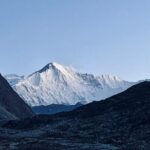
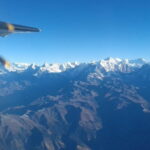
Quiet ridgelines and big Himalayan views come fast. This 9-day Mardi Himal Trek in Nepal’s Annapurna region is built for walkers who want a quieter trail and repeated panoramic moments of Machapuchare (Fishtail), Annapurna South, and Hiunchuli. You also get the bonus of staying in a route that has grown into a tea house style trek, so the “on the mountain” experience feels approachable without turning into a shortcut.
I like that this trek mixes real trekking days with practical support. The plan includes guide and porter support, permits, and a schedule that’s designed around comfort where it counts—then you earn your views on foot. The only real catch is effort: expect steep, narrow stretches, long hiking days, and cold-night reality in higher tea houses, so go in with solid stamina and a warm mind.
In This Review
- Why Mardi Himal Feels Different Than Other Annapurna Treks
- Key Highlights to Know Before You Go
- From Kathmandu to Pokhara: Smooth Setup for Trekking Days
- Kande, Deurali, and the Australian Camp Viewpoint: First Steps, Big Payoff
- Forest to Low Camp: When the Terrain Starts Changing
- High Camp Day: Thinner Tree Line and Danphe Possibilities
- Upper Viewpoint Day: A Long Hiking Effort With Steep Rhythm
- The Shiding Village Twist: Different Route, Then a Drive Back
- Pokhara to Kathmandu: Time to Breathe Before the Flight
- Day 9 Return: Airport Transfer and a Clean Close
- Price and Logistics: Is $750 Good Value Here?
- What the Trail Is Like Day to Day (Without the Guesswork)
- Who This Trek Suits Best
- Final Take: Should You Book This Mardi Himal Trek?
- FAQ
- Where does the trek start?
- Is pickup included?
- How long is the Mardi Himal Trek?
- What kind of lodging is used on the trek?
- What’s included in the trek package?
- What is not included?
- What fitness level do I need?
- What is the group size?
- Is there a cancellation window?
Why Mardi Himal Feels Different Than Other Annapurna Treks
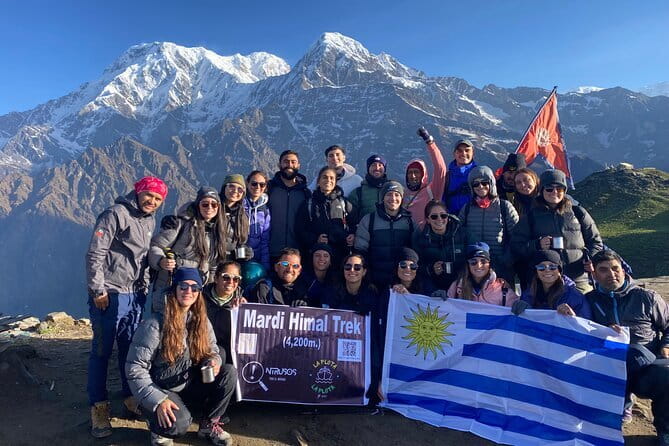
Mardi Himal sits in a sweeter spot for hikers who want the Annapurna drama without the constant crowd pressure. Even with the trail becoming more established, the vibe stays more relaxed than the busiest classic routes.
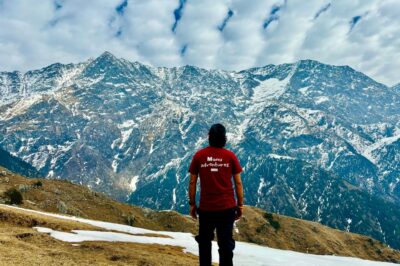
This trek is also visually rewarding in a specific way: you don’t just get one big moment. You keep seeing new angles of the same giants—especially around Machapuchare and the Annapurna peaks—because the route moves through ridges, viewpoints, and changing terrain.
Key Highlights to Know Before You Go
- Quiet trail energy: A calmer feel than the bigger Annapurna crowd magnets, while still delivering major summit-style views.
- Tea house trekking convenience: You trade camping gear stress for lodge-style stays along the route.
- Fishtail and Annapurna panoramas: Machapuchare, Annapurna South, and Hiunchuli show up across multiple high points.
- Support that stays personal: The Magic Himalaya team, led by Nabin, is repeatedly praised for being attentive and easy to work with.
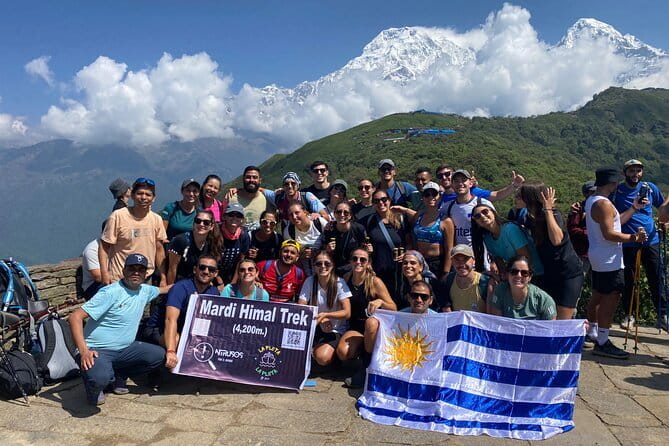
- Small group feel: Maximum group size is 16, which helps keep the days from feeling chaotic.
You can also read our reviews of more hiking tours in Kathmandu
From Kathmandu to Pokhara: Smooth Setup for Trekking Days
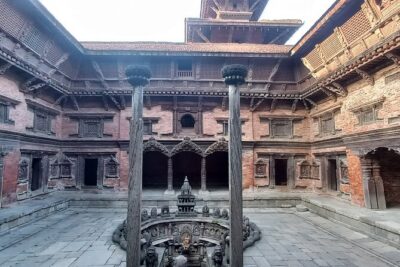
Your trip starts in Kathmandu, with airport pickup and a transfer to a hotel area in Thamel. If you’ve ever arrived in Nepal a bit tired, you’ll appreciate how this removes the first-day “figure-it-out” stress.
Later, you’ll meet the Magic Himalaya Treks office for a briefing. That matters more than people think, because trekking success is partly about pacing, partly about staying calm when the bus rides and early wake-ups stack up.
On day 2, you head to Pokhara by tourist bus after breakfast. This is one of those practical choices that keeps your overall schedule on track. Instead of multiple transfers, you get a clear jump to the starting region, and you sleep in Pokhara before trekking begins.
Kande, Deurali, and the Australian Camp Viewpoint: First Steps, Big Payoff
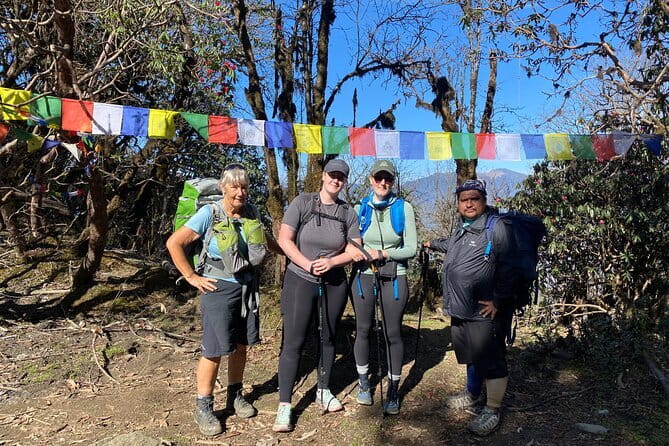
The trekking run officially begins when a private vehicle takes you toward Kande, and then you start walking toward Deurali. It’s a good warm-up day that still gives you something to look forward to.
One of the coolest details here is Australian Camp as a viewpoint. Even if you don’t linger long, stopping there gives you an early taste of why this area is so loved—mountain angles you can’t see from town.
That evening, you stay at Deurali villa. The “hotel-style” comfort isn’t luxurious, but it’s a big advantage compared to older camping versions of Mardi Himal. You’re not carrying everything on your back, and you can focus on moving well.
Forest to Low Camp: When the Terrain Starts Changing
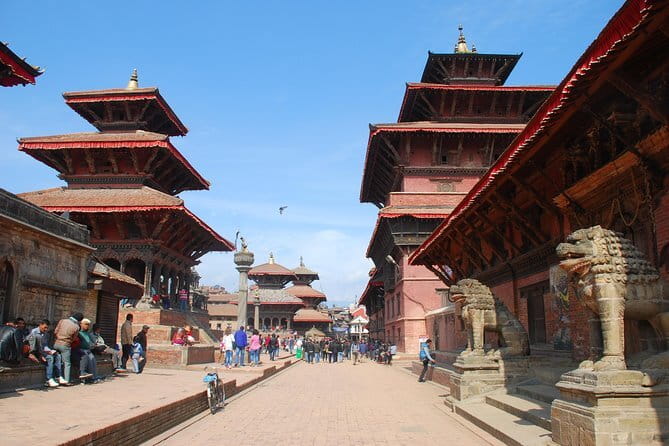
Day 4 shifts you through forest toward a low camp for the night. This is where the trek starts to feel less like travel and more like altitude hiking.
The reward is variety. You’re not stuck in one type of scenery. You move from greener paths into a landscape that feels more alpine as you climb, and the air changes as you gain elevation.
You’ll also have full board support on the trek days: accommodation, breakfast, lunch, and dinner are included for these hiking nights. That helps a lot on a route like this, because you’re not mentally juggling meal plans while your legs are doing the work.
This is also a day where you’ll likely notice the difference between “I can walk” and “I can walk steadily.” Aim for a consistent pace rather than bursts. You’ll thank yourself later.
High Camp Day: Thinner Tree Line and Danphe Possibilities
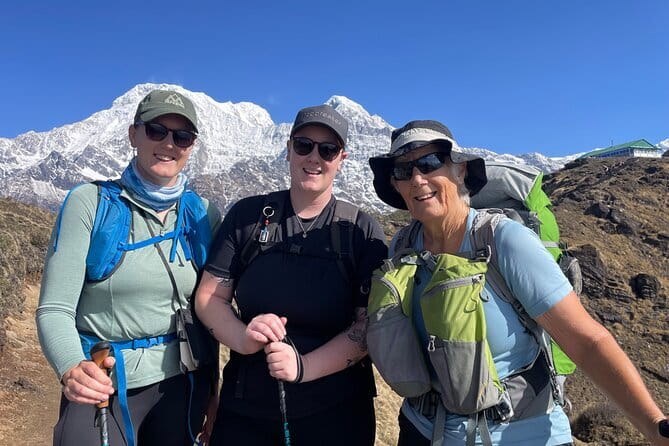
The next day climbs you upward to high camp, and it’s a key transition day. As you go higher, the tree line gets thinner and the surroundings look more exposed.
This is also when nature becomes part of the trek story. There’s a possibility of seeing Danphe (the national bird of Nepal). You might spot one, or you might not—but either way, this day tends to feel alive, with more open views and more wildlife chances than the lower stretches.
High camp is your final destination for the day. After you arrive, you’ll have the kind of evening you want on a mountain trek: warm food, time to look out, and a chance to prepare calmly for the next day’s viewpoint push.

Upper Viewpoint Day: A Long Hiking Effort With Steep Rhythm

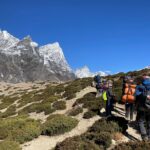
Day 6 focuses on getting to an upper viewpoint, and it’s described as a day of mixed effort: ascend, descend, and time on a steep, narrow trail. This is the day I’d mentally label as the physical challenge peak.
The route also passes through pastures and includes stretches along narrow rides of trail. Translation: footing matters. Slow and sure beats fast and sloppy, especially when you’re tired and the trail gets technical.
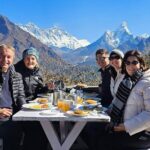
You’ll spend a long day on this one, and the payoff is that upper viewpoint feeling—the moment when your legs are exhausted, but your eyes get a clear reward. If you’ve ever wanted that “cold air plus huge view” combo, this is where you should expect it.
The Shiding Village Twist: Different Route, Then a Drive Back

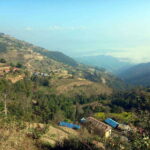
On day 7 you don’t simply follow the same Mardi Himal trail back. Instead, you take different routes to reach Shiding Village, and then you drive back to Pokhara for an overnight stay.
I like this switch because it keeps your second half from feeling like repeat scenery. You get to approach the region from another angle and make the experience feel less like a loop and more like a journey through different sides of the same mountains.
After hiking to Shiding Village, the jeep drive back to Pokhara is a practical recovery tool. You’re not stranded; you’re guided into transport, and you can reset your body for the final travel days.
Pokhara to Kathmandu: Time to Breathe Before the Flight
Day 8 brings breakfast in Pokhara and then a small walk or drive to the tourist bus park to catch your Pokhara-to-Kathmandu bus. Expect a longer ride—about 6 to 7 hours—so it helps to keep your posture and water routine sensible.
Once back in Kathmandu, you’re looking at a more relaxed end-of-trip day. This part matters because trekking trips often fail on day 8 if people push too hard right after a long mountain finish. Here, you’re given the chance to come down and let your body settle.
Your final overnight is in Kathmandu, setting you up for departure day.
Day 9 Return: Airport Transfer and a Clean Close
On day 9, you get picked up from your hotel before departure and transferred to the airport. It’s the kind of ending that keeps the trip from turning into last-minute stress.
A trek like Mardi Himal gives you more than photos. You remember ridges, cold mornings, the pattern of walking uphill, and the way the peaks look different as the light shifts. A smooth send-off helps that memory land gently instead of being chopped up by chaos.
Price and Logistics: Is $750 Good Value Here?
At $750 per person, you’re paying for far more than “a few days of hiking.” This package bundles transport between Kathmandu and Pokhara, private drives to the trek start, and the return drive from Shiding Village to Pokhara. That alone reduces the number of moving parts you’ll manage during your trip.
You’re also paying for the on-the-ground support that makes a tea house trek easier: guide and porter salary, trekking equipment support (as listed), accommodation, and meals during the trekking days. Permits for the Annapurna conservation area are included, along with required documents and a trekking map plus a company duffel bag for the porter.
And yes, the trek includes a farewell dinner and celebrations. That’s not just a nice extra. It’s part of how a guided group trip builds shared energy and a feeling of closure—especially helpful if your hiking days feel intense.
One practical note: lunch and dinner in Kathmandu and Pokhara are not included. That means you’ll still spend a bit on normal city meals. Plan for that so you don’t get surprised late in the trip.
What the Trail Is Like Day to Day (Without the Guesswork)
This trek is often described as shorter than many “big” Annapurna adventures, and that’s why it works. You still get meaningful elevation and long days, but you don’t stretch into the kind of time commitment that forces major leave planning.
Your days are structured around high-output walking. Some are around 5 to 6 hours, while others go longer, including a day that can run close to 10 hours. The schedule is paced for a moderate fitness level, but “moderate” here doesn’t mean easy. It means you’ll do steady work and recover properly at night.
Tea houses change the vibe. You won’t have the same freedom as full independent camping, and the facilities will be basic in higher zones. Still, having places to sleep and eat without carrying everything is a big advantage, especially if you want to focus on views rather than logistics.
Also, start time is listed as 1:15 am. That’s early by any standard. Even if you don’t trek immediately at that hour, you’ll want a plan for waking up and staying functional. The upside is that early starts help you get moving before weather shifts and crowds build in other areas.
Who This Trek Suits Best
This is a great fit if you want:
- A quieter Annapurna trek with real mountain views
- Tea house stays instead of full camping
- A guided setup with permits handled and meals included on trek days
- A small group feel (up to 16 people)
It may be less ideal if you:
- Strongly dislike steep, narrow trails
- Want a fully cushy experience every single day (tea houses are practical, not luxury)
- Prefer to avoid early wake-ups
Final Take: Should You Book This Mardi Himal Trek?
If you’re aiming for a calm Annapurna experience with big-ticket scenery—Machapuchare/Fishtail included—this trek is a smart choice. I especially like the way Magic Himalaya supports you from door to door in Nepal: airport transfers, Kathmandu and Pokhara transport, guide and porter help, permits, and a schedule that keeps you moving without mystery.
Booking is an easy yes when you want strong organization and a team that stays responsive—Nabin and the broader team get high marks for attentiveness and keeping everything smooth. It’s also a good yes for people who want tea house comfort without giving up the real hiking payoff.
If you’re set on avoiding any tough uphill days or you don’t handle cold nights well, you may want a different trek style. But if you can walk, you’re warm enough, and you want those panoramic ridge moments, this one deserves a spot on your shortlist.
FAQ
Where does the trek start?
You start in Kathmandu, with airport pickup and a transfer to a hotel in Thamel, then you travel to Pokhara before beginning the trek.
Is pickup included?
Yes. You get private transportation/airport pick-up and drop, plus pickup from your hotel before departure on the final day.
How long is the Mardi Himal Trek?
The duration is about 9 days.
What kind of lodging is used on the trek?
The Mardi Himal route is run as a tea house trek, with hotels and lodges along the way.
What’s included in the trek package?
The package includes guide and porter support, permits and required documents, trekking map, medical kit/medicine, accommodation, and meals on trek days. Transport between Kathmandu and Pokhara is also included, plus a farewell dinner.
What is not included?
Gear and clothes are not included. Lunch and dinner in Kathmandu and Pokhara are not included, along with personal expenses and any bar bills or alcohol/non-alcohol drinks. Rescue operation costs are also not included.
What fitness level do I need?
A moderate physical fitness level is recommended.
What is the group size?
Maximum group size is 16 travelers.
Is there a cancellation window?
Yes. Free cancellation is allowed up to 24 hours in advance for a full refund.