REVIEW · KATHMANDU
Mera Peak Climbing
Book on Viator →Operated by Nepal Guide Treks and Expedition P. Ltd. · Bookable on Viator
One altitude number sells the whole adventure: Mera Peak. This climbing trip is built around Nepal’s permitted trekking-peak climb that rises to the south of Everest, with huge payoffs like views of five 8,000m-class mountains and time moving through the wild Hongu and Hinku valleys.
What I like most is the package clarity: 4 nights in Kathmandu (BB plan), Mera Peak permits, and the tea house + camping setup during the trek, plus an experienced climbing guide and climbing gear.
One thing to weigh: this isn’t a casual “scenic hike.” The trip is for people with strong physical fitness, and altitude health decisions (including descent and medication guidance) are part of the reality.
In This Review
- Key Things That Matter on This Mera Peak Climb
- Mera Peak and the Everest-Region View List (That Makes the Effort Worth It)
- Kathmandu: Why the 4 Nights in Your Base City Pay Off
- Price and What You Actually Get for $3,000
- Trekking Through Hongu and Hinku Valleys (Plus Sherpa Culture Without the Circus)
- Acclimatization Rules That Feel Strict for a Reason
- Summit Reality: Weather, Delays, and the Value of Team Decisions
- The Human Factor: Communication and Guide Quality (From the Names on the Ground)
- Who Should Book This Mera Peak Climbing Trip
- Should You Book Nepal Guide Treks and Expedition for Mera Peak?
- FAQ
- Where does the Mera Peak climbing tour start?
- How long is the Mera Peak climbing experience?
- What is the price per person?
- What is included in the trip cost?
- Are personal climbing gears included?
- What accommodation style do you use during the trek?
- What group size should I expect?
- Is pickup offered?
- What does the tour suggest for altitude sickness?
- Is there free cancellation?
Key Things That Matter on This Mera Peak Climb
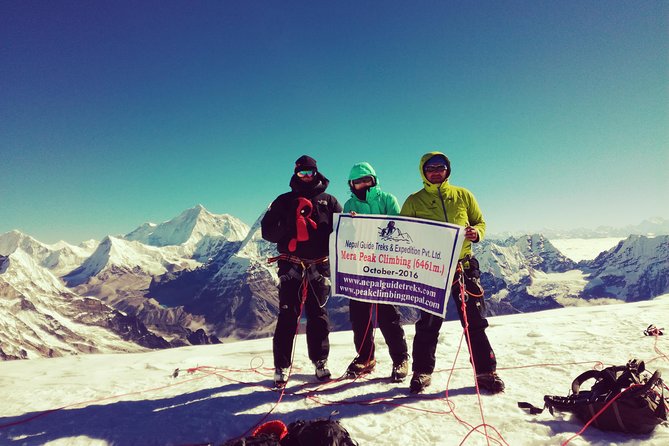
- Real 8,000m sightlines: Everest-region mountains like Everest, Cho Oyu, Makalu, Kanchenjunga, and Lhotse show up in the viewing game.
- Hongu + Hinku valleys time: you get a quieter, more remote trekking feel than the busiest corridors.
- Guide and Sherpa support: reviews repeatedly praise guides and Sherpa partners like Gelchen, Dandee, Sonam, Samdu, Ming-ma, and Dende for keeping things on track.
- Permits and gear included: Mera Peak climbing permits plus necessary climbing gear are part of the cost—less guessing, fewer surprise add-ons.
- Weather-flex route adjustments: when heavy snow closed planned passes for at least one traveler, the plan was adjusted while keeping safety front and center.
- Altitude sickness guidance is explicit: the trip’s expectations include hydration targets and clear instructions for mild vs serious symptoms.
Mera Peak and the Everest-Region View List (That Makes the Effort Worth It)
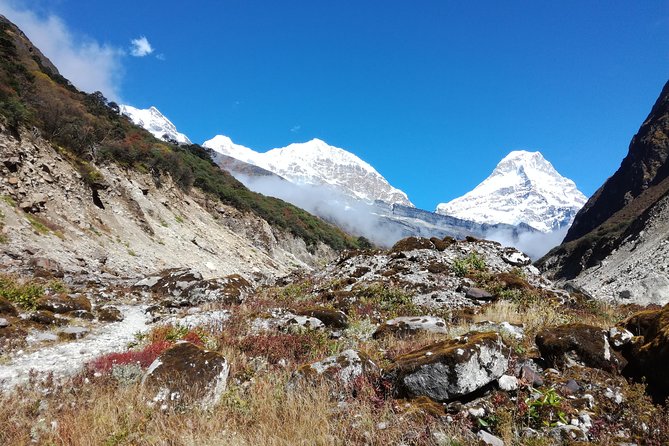
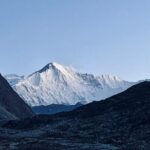
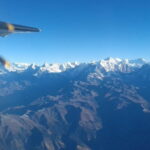
Mera Peak is Nepal’s headline permitted trekking peak for good reason. It sits to the south of Everest and—when conditions line up—puts you in a high-altitude viewing position over some of the most famous names in the Himalaya.
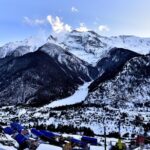
The biggest “why do this?” detail is the mountain list. You’re promised stunning views of five 8,000m peaks: Mt. Everest (8848m), Mt. Cho Oyu (8201m), Mt. Makalu (8485m), Mt. Kanchenjunga (8586m), and Mt. Lhotse (8516m), plus other Everest-region peaks. That’s not small talk. It’s the kind of view range that makes you feel like you’re looking at a map that finally became three-dimensional.
Now the tradeoff: altitude. You’re not just chasing photos; you’re managing your body. The trip’s own expectations are blunt about it—drink water consistently, avoid alcohol and smoking, and plan your energy like you’re climbing a long math problem. Your pace matters because the mountain won’t negotiate.
If you want a straightforward, guided route that targets a high summit goal while still offering trekking through quieter valleys, this is a strong match. If you want “easy high views,” pick a different Nepal plan.
You can also read our reviews of more tours and experiences in Kathmandu.
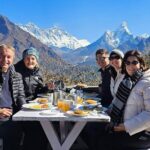
Kathmandu: Why the 4 Nights in Your Base City Pay Off
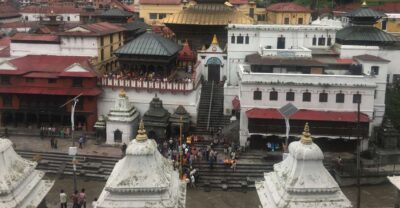
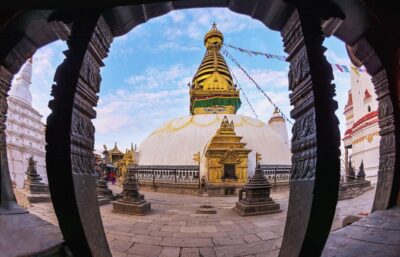
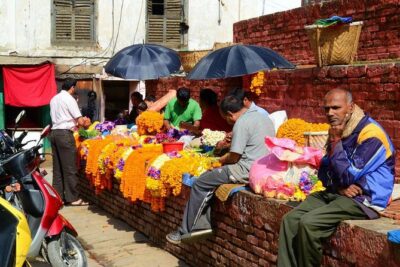
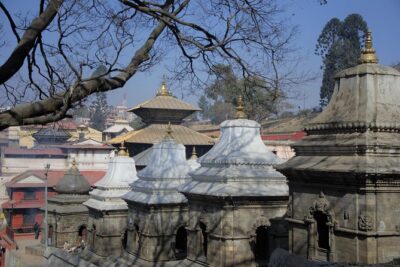
This trip includes 4 nights in Kathmandu with a bed and breakfast plan. That’s more than a random hotel line item. It gives you time to handle the stuff that matters before you leave the city: organizing your final clothing and layering, double-checking gear, and getting your bearings with minimal stress.
Kathmandu also matters for logistics. The meeting start point is Tribhuvan Airport, and pickup is offered. The operator’s hours are listed as 9:45 AM–6:15 PM, Monday through Sunday. That tells you the team is set up for real coordination—especially useful if weather or travel timing gets weird.
Another useful detail: the group max is 15 travelers. Smaller groups tend to mean less “everyone for themselves” energy and more chance your guide can actually manage pacing, questions, and last-minute fixes.
And based on traveler experiences, communication seems to be a standout. One review specifically praised fast responsiveness through WhatsApp before the climb. That helps you arrive with fewer unknowns, which is half the battle when you’re about to go high.
Price and What You Actually Get for $3,000
At $3,000 per person, this is not a cheap trip. But it also isn’t just “a leader and good luck.”
Included in the package:
- 4 nights in Kathmandu (BB plan)
- Mera Peak climbing permits
- Tea house + camping combined food and accommodation during the trek
- Experienced trekking and climbing guide
- All necessary climbing gears
Not included:
- International airfares and departure tax
- Personal climbing gears
- Personal expenses
- Tips to guides/porters
So where does the value land? For most climbers, permits, trained climbing guidance, and proper gear are the expensive parts that people either pay for directly or scramble to replace. Having permits and necessary climbing gears included reduces risk and reduces last-minute spending.
Still, don’t blindly assume every altitude-related item you want is included. The trip guidance includes a reminder about checking altitude gear availability (like oxygen-support tools). That’s smart advice—ask directly what’s provided versus what you’ll bring personally. Clear lists protect your budget and your peace of mind.
Also, remember the “hidden cost” of summit-style trips: time, training, and being honest with your readiness. If you show up underprepared, you pay in discomfort and decision-making.
Trekking Through Hongu and Hinku Valleys (Plus Sherpa Culture Without the Circus)
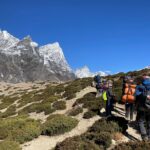
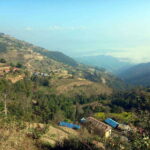
This route doesn’t live only on altitude bragging rights. It also includes trekking around the Hongu and Hinku valleys, described as wild, uninhabited, and beautiful.
That matters for two reasons:
- You get a more remote-feeling trekking environment, not just a constant line of hikers.
- Your “day-to-day” becomes about motion and scenery instead of repetitive routine towns.
There’s also culture built into the experience: you’ll experience the culture and traditions of highland Sherpa tribe communities. That’s not just a “stop for a photo.” The value is in how a climbing trip stays human at the edges—learning how local communities live and work at high altitude, not treating them like background scenery.
From the review pattern, the Sherpa side of the team seems to be a real strength. Guides and Sherpa partners are named often, including Gelchen Sherpa, Ming-ma (Sherpa), Sonam Sherpa, and others. When things get hard—weather delays, stomach issues, or summit timing—having local experience on the team helps your trip stay functional instead of turning into a waiting game.
A practical note: remote valleys can also mean slower “fixes” if you get sick or if conditions change. That’s why the next section—how the trip expects you to handle altitude health—matters.
Acclimatization Rules That Feel Strict for a Reason
Altitude makes rules matter. This climb spells out health expectations clearly, and you should treat them as part of the route design, not optional advice.
Key guidance the trip emphasizes:
- Drink enough water, with a target of 2–3 liters a day, using lukewarm water
- Avoid alcohol and smoking
- Eat light food but rich in calories
- Add ginger and garlic in your food
- If possible, travel to lower altitude to help your condition
- Consult a doctor if available
- If sickness is mild: don’t panic, stay where you are, sleep enough, and drink enough water
- If it doesn’t get better even after acclimatizing: start descending
- If serious: descend immediately, use Diamox pills
- Use a Gamow bag (high-pressure inflatable bag) to restore oxygen and air pressure, and confirm your organizer provides the needed altitude gears
A couple of practical thoughts from experience-based logic (not medical magic):
- Your best strategy is prevention: hydration, steady eating, and not pushing your body because your ego is bored.
- Second-best is honesty: tell your guide early when you feel off. Waiting until you’re clearly in trouble costs more time than you think.
- Third-best is gear readiness: if the team uses an inflatable oxygen-support approach, you’ll want to know it’s available and how it’s handled.
Also pay attention to food. Light meals that still pack calories help you keep moving without feeling stuffed. Ginger and garlic guidance is included in the trip expectations, and those flavors also make high-altitude eating easier for many people.
If you go into the climb understanding that descent is a normal tool—not a failure—you’ll be safer and calmer on summit days.
Summit Reality: Weather, Delays, and the Value of Team Decisions
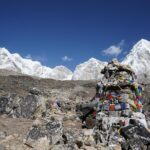
This climb targets Mera Peak, but the mountain decides when it’s cooperative. The best teams plan for weather and adjust without drama.
One review example described a situation where an original route (Mera Peak–Amphu Laptsa Pass–Island Peak) became impossible because the pass was closed due to heavy snowstorms at the end of October. The agency adjusted smoothly, and the traveler felt safe with the support of their Sherpa team.
That kind of contingency thinking is what you want. A summit day is not only about strength; it’s about decision quality:
- When to wait
- When to reverse
- How to manage group energy
- How to keep everyone safe on technical terrain and in cold conditions
Because the trip includes an experienced trekking and climbing guide and “all necessary climbing gears,” you’re not just paying for logistics. You’re paying for judgment.
There’s another subtle win: group size. With a max of 15, it’s easier to control pacing and keep everyone together, especially if conditions change. A huge group becomes a slow-motion problem during summit windows. A smaller group makes better weather calls possible.
So yes, you’re chasing a summit. But you’re also buying a process that treats safety and flexibility as part of the climb.
The Human Factor: Communication and Guide Quality (From the Names on the Ground)
In these kinds of trips, the hardest part isn’t always the mountain. It’s dealing with uncertainty: timing, minor illness, weather, and gear questions. That’s why guide quality shows up again and again in the praise.
Here are the names that come through in the experience record:
- Prakash Devkota (owner) is mentioned for responsiveness, including clear advice before travel via WhatsApp
- Guides and Sherpa partners like Dandee, Sonam Sherpa, Gelchen Sherpa, Samdu, Ming-ma, and Dende are repeatedly credited with keeping clients safe and supported
- In one case, stomach illness issues didn’t kill the summit plan; the guide still pushed for an attempt after establishing readiness, and the traveler reported making the summit
That doesn’t mean every summit day is guaranteed. Weather happens. Bodies happen. But it does suggest the team works as a system: guides, Sherpas, and decision-making aligned around safety.
If you’re a solo traveler, this matters even more. One review specifically highlighted choosing this company to feel safe and not worry about logistics. You’ll likely appreciate the same thing: less time managing paperwork and more time preparing physically and mentally.
Who Should Book This Mera Peak Climbing Trip
This is a good fit if you:
- Want a high-altitude permitted trekking peak experience in Nepal’s Everest region
- Are physically ready for a long, demanding plan (the trip asks for strong fitness)
- Prefer a group capped at 15 rather than a crowded scramble
- Want both trekking scenery and a real summit objective
- Appreciate guidance that includes health decision support (hydration targets, when to descend, altitude illness response)
It might not be the best fit if you:
- Hate the idea of making hard calls about descent if conditions worsen
- Want a fully hands-off vacation style trip with no altitude education
- Are looking for a climb with zero risk of weather delays
Minimum age is 18, so it’s also a trip aimed at adult fitness and responsibility.
Should You Book Nepal Guide Treks and Expedition for Mera Peak?
If you want a serious attempt at Mera Peak with permits, gear, and strong on-the-ground support, this booking looks sensible. The strongest signals are the repeated praise for guide teamwork, responsiveness, and safety-focused adjustments during rough weather or health issues.
Before you hand over your money, do three quick checks:
- Confirm what counts as included climbing gear versus what’s considered personal equipment
- Ask what altitude gear support you have access to (the trip notes the importance of checking altitude gear availability)
- Be honest about your fitness. If acclimatization sounds like a chore, this climb will feel like a test.
Also, cancellation is listed as free if you cancel at least 24 hours in advance for a full refund. That’s not just a legal footnote. It’s breathing room if your travel plans shift.
My bottom-line take: book if you’re ready to train, hydrate, and listen to the team. This isn’t a “hop on a truck and see the world” trip. It’s a climb where good planning—and the right Sherpa-and-guide partnership—turns altitude difficulty into a real accomplishment.
FAQ
Where does the Mera Peak climbing tour start?
The tour starts at Tribhuvan Airport, Kathmandu, Nepal.
How long is the Mera Peak climbing experience?
The duration is listed as 18 days 2 hours (approx.).
What is the price per person?
The price is $3,000.00 per person.
What is included in the trip cost?
The trip includes 4 nights in Kathmandu (BB plan), Mera Peak climbing permits, tea house + camping combined food and accommodation during the trek, an experienced trekking and climbing guide, and all necessary climbing gears.
Are personal climbing gears included?
No. Personal climbing gears are not included, even though the tour includes necessary climbing gears.
What accommodation style do you use during the trek?
During the trek you use tea house + camping combined food and accommodation.
What group size should I expect?
The tour has a maximum of 15 travelers.
Is pickup offered?
Yes, pickup is offered.
What does the tour suggest for altitude sickness?
The trip guidance includes drinking enough water, resting, and descending if symptoms don’t improve after acclimatizing. For serious cases, it mentions descending immediately and using Diamox pills, and it also advises using a Gamow bag if available. You should also consult a doctor if one is available.
Is there free cancellation?
Yes. Free cancellation is available if you cancel at least 24 hours in advance for a full refund.