REVIEW · KATHMANDU
“Explore Kathmandu Rich Heritage: City Highlights Bus Tour”
Book on GetYourGuide →Operated by Anjil Manjil Travels and Tours · Bookable on GetYourGuide
One city. Five major spiritual landmarks. This Kathmandu Heritage Highlights bus tour is a practical way to see a lot fast, with shared local transport that keeps you moving without lots of long stops. I like that you hit standout UNESCO World Heritage sites in Kathmandu Valley, and I also like that you get real local energy on a group bus instead of a sterile, timed-only scramble. One thing to consider: the pace and timing can feel a bit tight, and access at some religious sites may depend on local rules.
You’ll start from Thamel, join other travelers, and roll through big names like Swayambhunath, Pashupatinath, Boudhanath, Kathmandu Durbar Square, and Budhanilkantha. The driver speaks English and Hindi, and the day is built around views plus quick stops for photos and walking. If you’re hoping for a slow, sit-down tour with lots of pre-briefing at each stop, this shared format might not be your match.
In This Review
- Key things to know before you go
- How the 6-hour route fits into a first day in Kathmandu
- Pickup in Thamel: where to stand and why timing matters
- On the bus: what this shared format really feels like
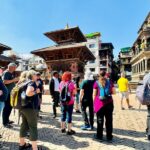
- Kathmandu Durbar Square: the one stop built for time and wandering
- Swayambhunath and Pashupatinath: views, scale, and the reality of religious access
- Boudhanath Stupa and Budhanilkantha: major landmarks with quick context
- Guide style and the difference between a checklist and real understanding
- Price and value: $10 for transport plus major landmarks
- Who this tour suits best (and who might want a different plan)
- Should you book the Kathmandu Rich Heritage bus tour?
- FAQ
- Where is the meeting point for the tour in Thamel?
- What time should I arrive for pickup?
- What main places are included in the tour?
- Is this tour shared or private?
- Are meals included?
- Can I enter all the temples and religious areas if I am not Hindu?
- Does the tour end back near Thamel?
Key things to know before you go
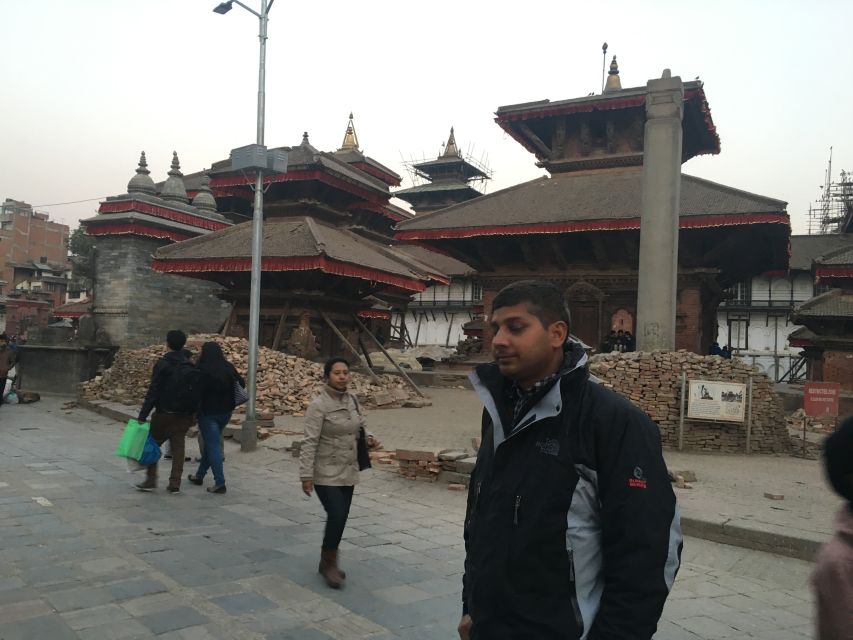
- UNESCO sights in one run: Swayambhunath, Pashupatinath, Boudhanath, and Kathmandu Durbar Square are part of the route.
- Thamel meet-up is central: Pickup happens opposite Hotel Malla’s main gate across the road in Thamel.
- Shared bus with a driver guide style: You ride a local sharing bus with a driver, and stops aren’t long.
- Temple access can vary: Some areas may have only-for-Hindu signs, so plan for exterior viewing.
- Value-driven timing: For about $10 and roughly 6 hours, you’re paying for coverage, not deep time at each site.
How the 6-hour route fits into a first day in Kathmandu
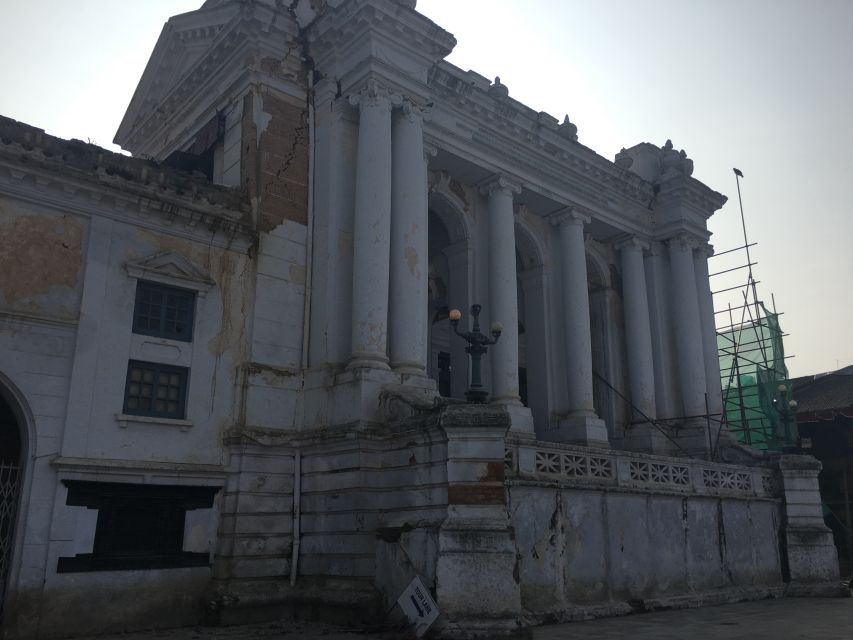
Kathmandu can be a lot on day one: traffic, big distances, and confusing meeting points. This tour helps because it bundles multiple top heritage stops into one organized morning/afternoon window. You’re not hopping between taxis all day, and you’re not stuck trying to plan a route yourself when you’re still learning the neighborhoods.
The big idea is simple: see the best-known landmarks, get key views, and leave with a mental map of how the city’s heritage areas connect. The tour is priced low for a reason—it’s built around a shared bus and relatively efficient walking/photo time rather than long, guided explanations.
You’ll also get a cultural lens through the stops themselves. Even when you don’t get a long lecture at each site, these places show Nepal’s blend of architecture, faith, and daily life. That’s the kind of context that’s hard to recreate from photos alone.
You can also read our reviews of more city tours in Kathmandu
Pickup in Thamel: where to stand and why timing matters
Your main anchor point is opposite of Hotel Malla’s main entrance gate, across the road in Thamel. The tour is structured so the bus collects you there (or from select alternatives), then continues through the circuit with minimal extra waiting.
Plan to be at the pickup area early, not right at 11:00. The guidance is to arrive between 9:50 and 10:20, even though the general pickup is described as coming around 11:00 am. That early window matters because shared tours depend on everyone being ready, and one late group member can ripple into delays.
There are also multiple pickup options listed for this day, including places such as Amrit Science Campus and Pokhara Lakeside, plus other Kathmandu stops like Sorhakhutte and Barahi Chouk. If you pick an option farther from Thamel, you’ll likely want to build in extra buffer time for the bus to pick you up smoothly.
One more practical note: the tour is designed to bring you back near where you started—drop-off includes Thamel area near Hotel Malla—but you should still confirm your exact drop-off preference when you join, especially if you’re not staying in Thamel.
On the bus: what this shared format really feels like
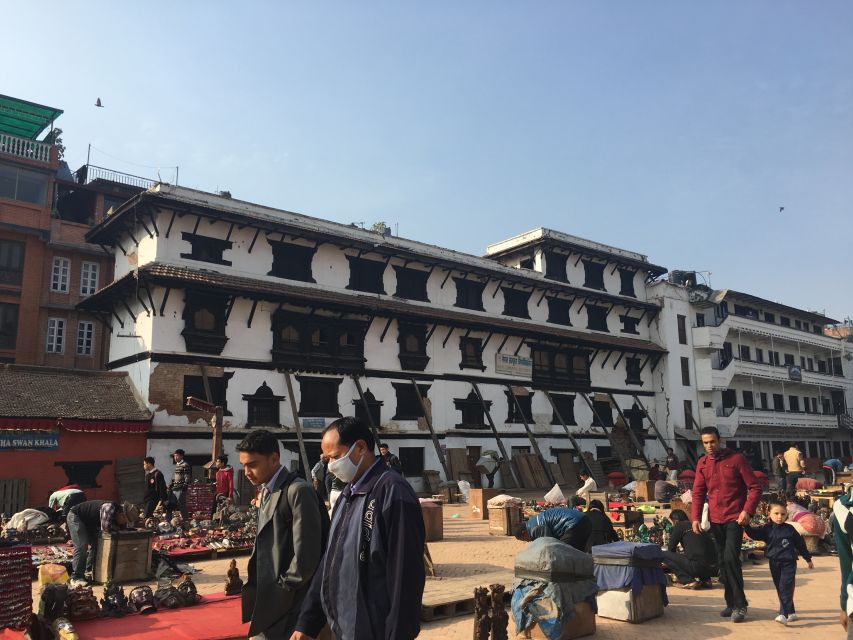
This isn’t a private van with a dedicated driver. You’re joining a group on a local sharing bus, with the driver acting as your main point of contact. The languages listed are English and Hindi, which can be helpful for understanding directions and basic context.
The upside of a shared bus is that it feels more local than a polished, coach-style tour. You’re moving like a visitor who is also blending into everyday transit patterns. The tradeoff is that the day can run on “group energy” rather than your personal pace.
From the experience feedback, a couple issues show up that you can take into account:
- Sometimes the bus/transport setup can feel less than spotless.
- Sometimes the guide/driver briefing at each stop isn’t as thorough as you might hope.
- Sometimes the schedule can shift enough that you don’t feel like you’re getting maximum time at the exact sites you care about most.
So my advice is to treat this tour as a fast sampler. For anyone who wants deep storytelling and lots of time inside every temple complex, you may find yourself wishing for more framing before each stop.
Kathmandu Durbar Square: the one stop built for time and wandering
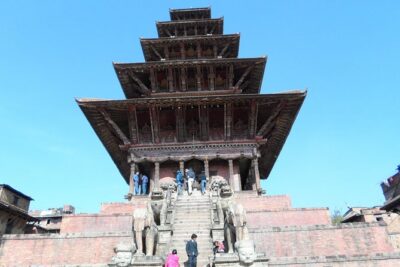
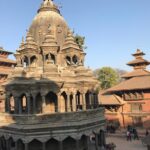
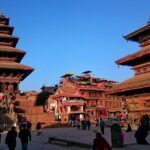
Kathmandu Durbar Square is the most explicitly time-defined part of the route: about 1 hour, with a mix of photo time, visiting, and time for shopping/sightseeing. That matters because this is the kind of place where you can actually lose track of time—there’s always another angle, another doorway, another detail.
I like this stop on the itinerary because it’s not only about viewing a landmark from far away. You get a window to walk around, take photos, and move at your own rhythm. Even if the rest of the day feels compressed, this hour gives you a chance to slow down just enough to absorb the atmosphere.
Practical reality: in a one-hour slot, you’ll want to prioritize what you care about most—views from the square, the main temple areas you want photos of, or the streetside browsing nearby. Don’t try to do everything. If you do, you’ll end up rushing at the least interesting moments.
Swayambhunath and Pashupatinath: views, scale, and the reality of religious access
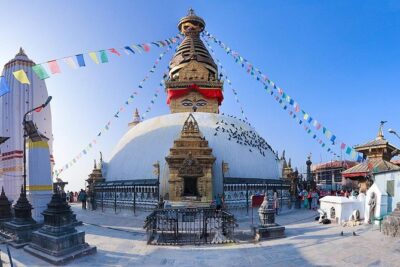
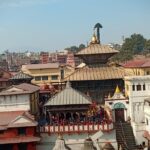
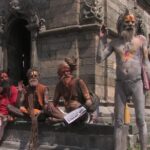
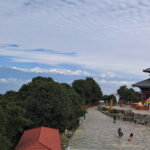
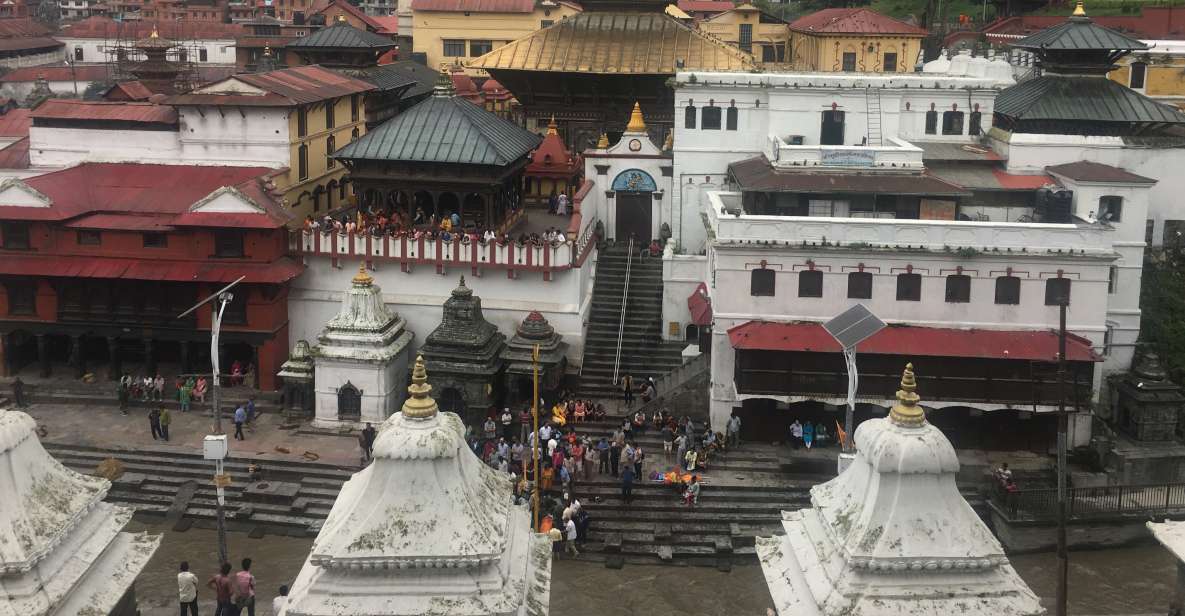
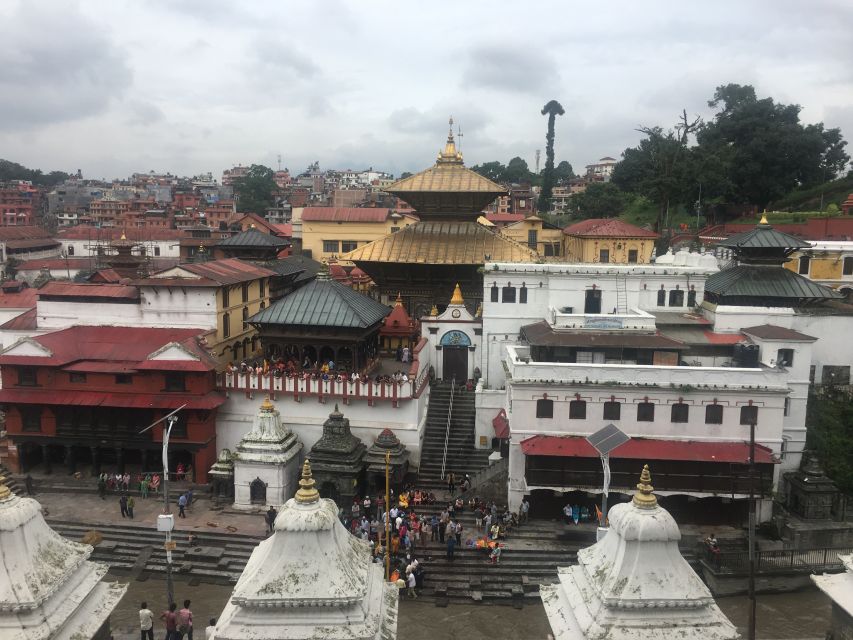
Two of the biggest headline stops are Swayambhunath and Pashupatinath. The tour is set up specifically so you enjoy views of these sites and get a sense of their importance in Kathmandu’s heritage landscape.
Here’s what you should expect in a shared bus day:
- You’ll likely have short windows for photos and quick walks.
- Some people will get enough time to feel satisfied with exterior views.
- Others may feel they need more time to fully take in what’s in front of them.
Access can also be a factor. One important consideration from real on-the-ground experience: some areas may have only-for-Hindu signs, which means you might not be able to enter every space even if you’re visiting respectfully. If you’re not Hindu, go into the day with the mindset that you’ll still see plenty—just not every interior zone.
I also recommend you keep your expectations simple: focus on the scale of what you’re seeing, the architectural feel of the complexes, and the contrast between these two sites. The bus format helps because you’re seeing both without spending half a day routing and negotiating transport.
If you want maximum value from these stops, arrive with a short mental checklist: what angle do you want photos from, and which viewing area feels most worth your time?
You can also read our reviews of more historical tours in Kathmandu


Boudhanath Stupa and Budhanilkantha: major landmarks with quick context
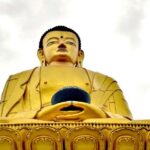
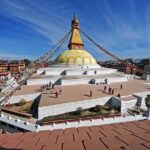
The itinerary also includes Boudhanath Stupa and Budhanilkantha. Both are major names in Kathmandu Valley heritage, and they’re on the list because they give you variety: more than one kind of sacred architecture, more than one style of spiritual space.
Because the tour is a shared bus with multiple stops, you shouldn’t assume you’ll get long time inside these complexes. Instead, think of these as:
- stops for orientation,
- photo opportunities,
- and a chance to see how visitors and locals interact around iconic heritage sites.
Budhanilkantha is included as a separate stop, which is a good sign for variety. Even if you only have limited time, the fact that it’s not just another temple on the same street helps you build a wider mental picture of the Kathmandu Valley heritage circuit.
If you’re the type who likes to compare details across sites, this portion is actually fun—even when time is short—because you can look for differences immediately. That’s an underrated way to “learn” quickly when you’re traveling with a group.
Guide style and the difference between a checklist and real understanding
The tour’s listing notes a driver who speaks English and Hindi, and the day is described as locals-on-a-local-bus style. That’s a good fit if your goal is coverage and practical context.
But one common friction point with shared tours is that you might not get a full briefing before each stop. That matters more than people think. When you don’t know what you’re looking at, you can still appreciate the sight, but you lose some of the meaning.
So here’s what you can do:
- Before the first stop, ask the driver for quick context about what each site represents in one sentence.
- If you notice you’re arriving at a site with signage you don’t understand (including possible access restrictions), take a moment to ask what you can and can’t enter.
From real experience on this type of route, visiting can also feel uneven—some people get more access than others depending on where they’re directed. That’s not necessarily a problem with the tour itself; it’s how religious sites can work. The key is to keep your day flexible and accept that you’ll see a lot, but not everything.
Price and value: $10 for transport plus major landmarks
At $10 per person for a roughly 6-hour shared tour, the value is hard to beat—especially given that the route covers multiple major landmarks in Kathmandu Valley. You’re paying for:
- round-trip transfer by a local sharing bus,
- a driver who helps run the day,
- and a guided-feeling route that lines up several heritage stops without you managing everything.
The cost doesn’t include meals, so you should budget for food on your own. That’s normal for tours like this, and it’s also why you’ll get a lower price. Bring your own snack logic: plan to buy something nearby during downtime or stop for something quick if you get hungry.
The real question is whether you want speed or depth. For a first-time Kathmandu visit, this is a strong buy because it helps you build your bearings. If you already know you want deep explanations at every temple complex and generous time inside, you might find this format a little too efficient.
Who this tour suits best (and who might want a different plan)
This tour fits best if you:
- are in Kathmandu for a short time,
- want multiple UNESCO-area sights in one day,
- like getting a sense of the city through transit and quick stops,
- and are okay with the possibility of tighter visit times.
You might want to think twice if you:
- need long quiet time at each site,
- care a lot about being able to enter every area,
- strongly prefer a thorough briefing at every stop,
- or have a tight schedule and can’t risk small changes.
There’s also a helpful option: private group is available. If you’re traveling with friends who want more control (and likely more consistent briefing), private can turn the same route into a more comfortable experience.
Should you book the Kathmandu Rich Heritage bus tour?
If you want a low-cost, practical way to cover Kathmandu’s heritage highlights, I think it’s a smart pick. The mix of Swayambhunath, Pashupatinath, Boudhanath, Kathmandu Durbar Square, and Budhanilkantha gives you real breadth, and the Thamel meet-up makes it easy to anchor your day.
Book it if your priority is: see the big sites, get the views, and come away with a clearer sense of where everything is.
Skip it or switch to a private option if your priority is: lots of time at each complex, deeper explanations at every stop, or a schedule that must feel perfectly smooth start to finish.
FAQ
Where is the meeting point for the tour in Thamel?
You meet opposite Hotel Malla’s main entrance gate, across the road in Thamel. The pickup is arranged from that side of the street.
What time should I arrive for pickup?
You should be there between 9:50 and 10:20 am, even though pickup is described around 11:00 am. Arriving early helps you avoid delays with a shared group.
What main places are included in the tour?
The tour route includes Swayambhunath, Pashupatinath, Boudhanath Stupa, Kathmandu Durbar Square, and Budhanilkantha.
Is this tour shared or private?
It’s run as a shared local bus tour with a driver. A private group option is also available.
Are meals included?
No. All meals are not included, and you’ll need to purchase food during the day if you want to eat.
Can I enter all the temples and religious areas if I am not Hindu?
Some areas may have only-for-Hindu signs, so entry may be restricted. Plan to view what you can and be ready for exterior viewing if access is limited.
Does the tour end back near Thamel?
Yes. After visiting the sites, the bus drops you back near the same area, next to Thamel (with multiple drop-off locations listed).