REVIEW · KATHMANDU
Kathmandu: Private City Guided Tour
Book on GetYourGuide →Operated by Green Valley Nepal Treks & Research · Bookable on GetYourGuide
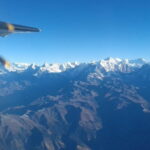
Four UNESCO stops in one day. That’s the charm of this private city tour that blends Buddhist and Hindu Kathmandu in a single, well-paced loop with a guide who explains what you’re actually seeing. You’ll hit Patan Durbar Square, Swayambhunath (Monkey Temple), Pashupatinath, and Boudhanath Stupa, and the schedule even includes a helicopter stop at Everest View Hotel for a closer Mt. Everest look.
I love that the tour is built for first-day orientation. With hotel pickup options across Kathmandu and an English-speaking guide, you’re not stuck figuring out timing, etiquette, or ticket counters. I also like the human touch: guides such as Kapil and Saru are repeatedly highlighted for making the day feel understandable, not like a checklist.
One consideration: 6 hours in Kathmandu can get crowded by traffic and monument entry lines, and you’ll also pay on-the-spot entrance fees (plus meals aren’t included). If you hate delays and surprises, plan for a slightly fluid schedule.
In This Review
- Key highlights worth building your day around
- How the 6-hour private format makes Kathmandu feel manageable
- Price and value: what’s included, what you’ll pay on your own
- Picking the right time to see Swayambhunath (Monkey Temple) without burning out
- Boudhanath Stupa: Tibetan Buddhism at a world-scale monument
- Pashupatinath’s Shiva temple and the Bagmati River reality check
- Patan Durbar Square: Newari craft and the Krishna Temple with 21 pinnacles
- The Everest View Hotel helicopter stop: how to treat it like a bonus, not a guarantee
- Lunch and local food: using the free time the smart way
- What to bring and how to avoid small inconveniences
- Who this tour is best for (and who should look elsewhere)
- The human factor: why good guiding changes everything
- Should you book this Kathmandu private city tour?
- FAQ
- Which monuments and sites are included?
- How long is the Kathmandu Private City Guided Tour?
- What is the price per person?
- What’s included in the tour price?
- Are monument entry fees included?
- Are meals included?
- Does the tour include an Everest View Hotel stop?
- Is the tour wheelchair accessible?
- What should I bring with me?
Key highlights worth building your day around
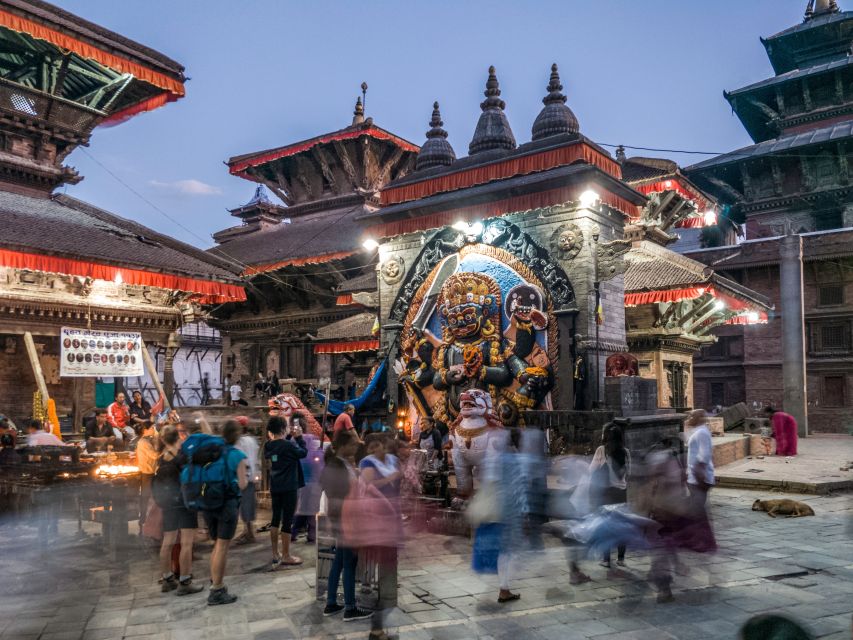
- Four UNESCO World Heritage religious sites in one guided loop: Patan Durbar Square, Swayambhunath, Pashupatinath, and Boudhanath
- Buddhist + Hindu in one storyline, so you get the logic behind Kathmandu’s sacred geography
- Everest View Hotel helicopter stop for a rare Mt. Everest viewpoint add-on within the same outing
- Pickup and drop-off at multiple neighborhoods, which saves time and stress at the start and end of your day
- Guides who manage time well, so your stops feel seen without turning into a sprint
How the 6-hour private format makes Kathmandu feel manageable
This isn’t a mega-tour that bounces you around with strangers. It’s a private group tour with a private car, plus hotel pickup and drop-off. That matters in Kathmandu, where finding the right entrance, the right order, and the right etiquette can take more effort than the distance suggests.
The tour runs about 6 hours, which is the sweet spot for a short visit. You’ll see the key monuments that define the Kathmandu Valley religious experience, then still have breathing room for quick breaks and shopping/free time. If you’re using Kathmandu as a launchpad to trekking (or you’ve got Pokhara in your plans), this is a smart way to get oriented fast.
You’ll also be working with an English-speaking guide (English, Hindi, and Nepali languages are supported). In practice, that’s the difference between seeing temples and understanding why people treat them as living places.
You can also read our reviews of more guided tours in Kathmandu
Price and value: what’s included, what you’ll pay on your own
The tour price is $40 per person for a private car and an English-speaking guide with pickup/drop-off. That’s the part you’re effectively buying: local navigation, interpretation, and a day structured so you don’t waste hours trying to plan it all yourself.
Two common add-ons are worth knowing:
- Monument entry fees are not included. The listed fee is NPR 2700 per person (about US$22), and the prices can differ for South Asian Association for Regional Cooperation nationals and Chinese nationals—so confirm at the counter.
- Meals and drinks are also not included. The tour does include time that’s suitable for eating, and you should budget for lunch.
Is $40 a deal? For a private guided day covering four major sites, it’s often a strong value—especially if you’re not traveling with a group big enough to hire separate transport plus a guide. If you’re the type who wants a “tell me what I’m looking at” experience (and not just photos), the guidance is where the money quietly pays off.
Picking the right time to see Swayambhunath (Monkey Temple) without burning out
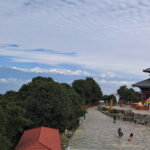
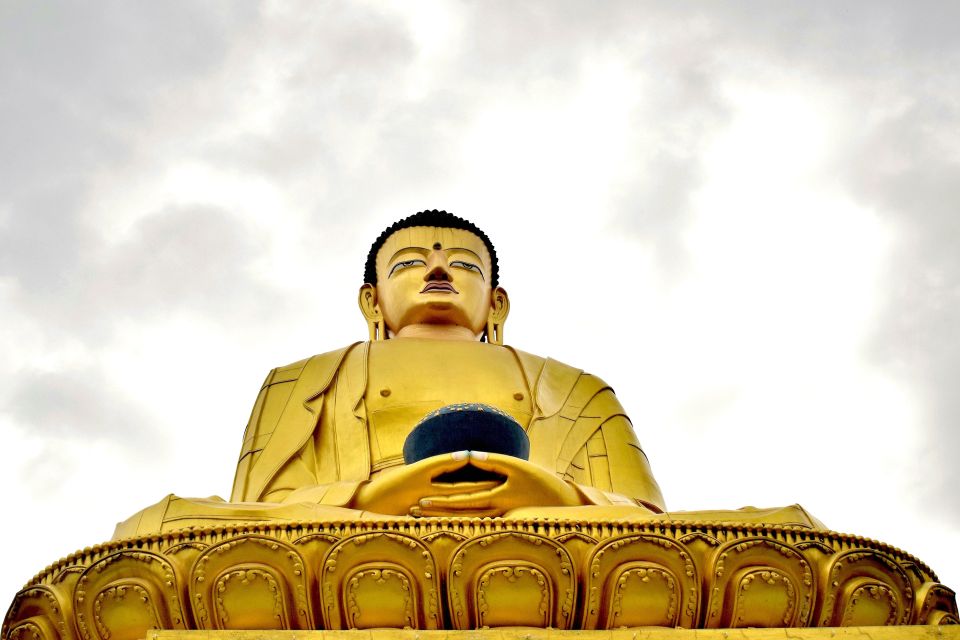
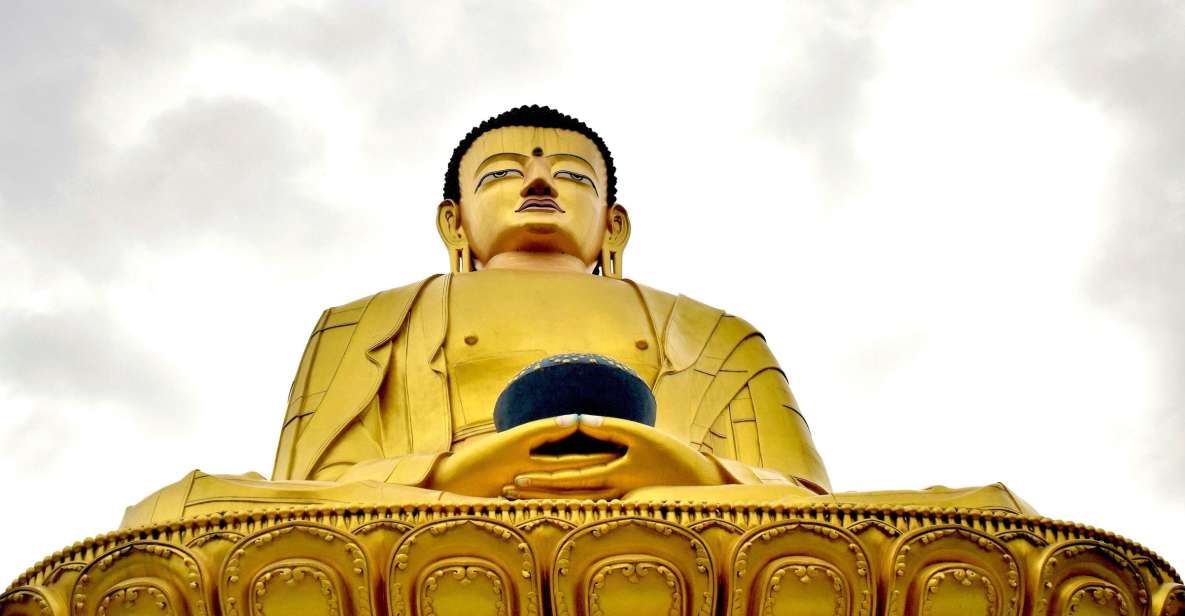
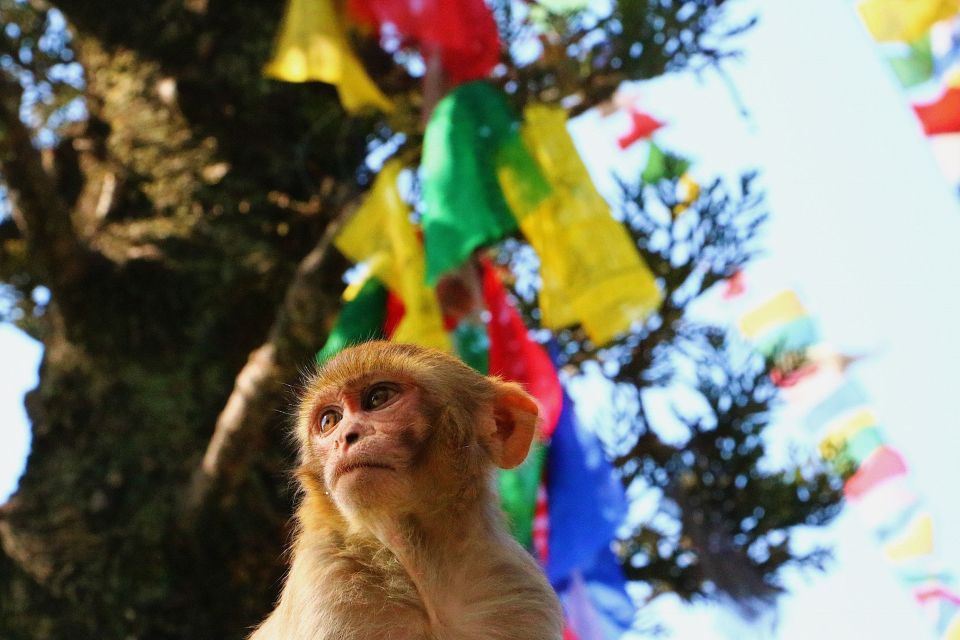
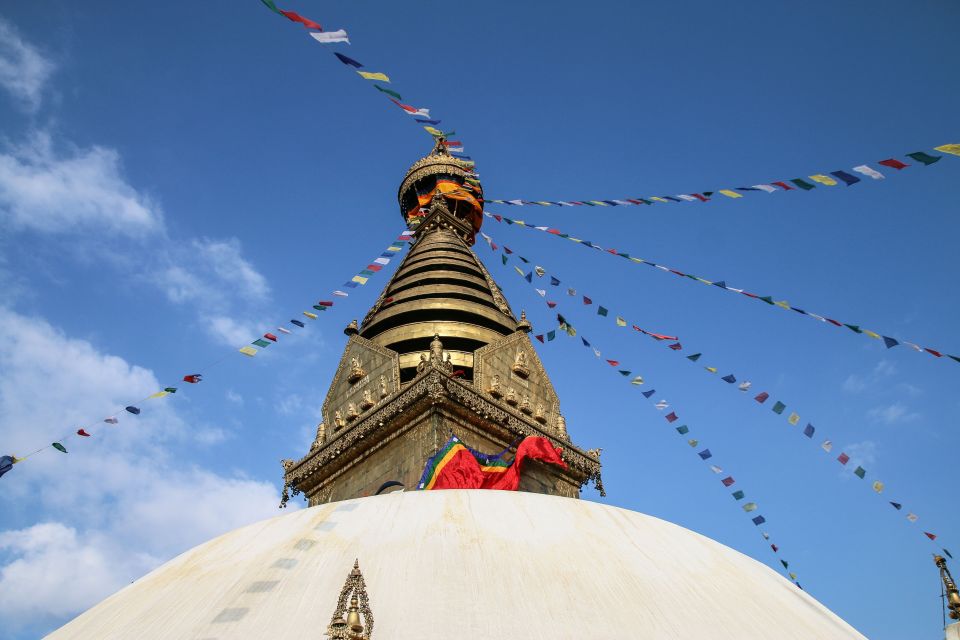
Swayambhunath / Monkey Temple is one of those places you’ll remember because it feels like the city is staged around it. It’s a Buddhist stupa that’s around 2,500 years old, sitting on a hillock about 77 meters above ground level, giving you a sweeping view of the Kathmandu Valley.
What you’re looking for:
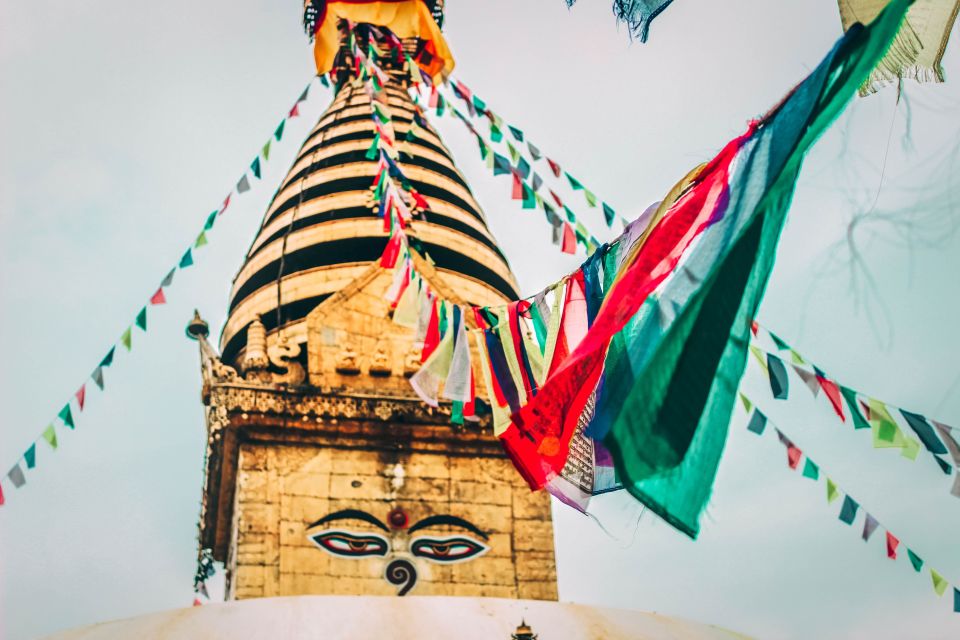
- The painted eyes on the dome—often described as the all-seeing eyes of Buddha—on four sides.
- The way the complex blends monasteries and shrines. There’s also a temple of Haratima where Buddhists and Hindus worship.
- A short walk beyond the main area to spots like the temple of Manjushree and the Anandakuti Bihar.
Why this stop works early or mid-tour: you get the wide-angle “where am I?” view. That makes later neighborhoods and monuments easier to place mentally.
What to watch out for: the hill means stairs. Comfortable shoes help more than you think. Also, there are monkeys—so keep bags close and don’t leave anything tempting in open view.
Boudhanath Stupa: Tibetan Buddhism at a world-scale monument
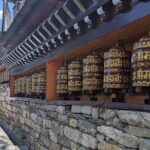
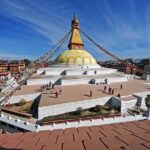
From Swayambhunath, the next big shift is scale and atmosphere at Boudhanath Stupa. It’s about 6 km east of Kathmandu and believed to date to the 5th century AD. This isn’t a small temple. It’s one of the biggest Buddhist stupas in the world, wrapped by lamas and monasteries.
Here’s what makes it special for your senses:
- Tibetan Buddhists come in thousands in winter to honor the stupa, so the place can feel busy in a purposeful way.
- The stupa itself is visually dominant—once you’ve oriented yourself, you can understand why it’s treated as a major pilgrimage focal point rather than just a photo stop.
If you like religious details, ask your guide what parts of the practice you’re seeing during your visit—because this is one of those sites where people aren’t just sightseeing. They’re doing devotion.
Practical note: this stop can be easier physically than Swayambhunath, but it’s still a cultural space with rules. Wear something respectful and stay aware that worship is happening all around you.
Pashupatinath’s Shiva temple and the Bagmati River reality check
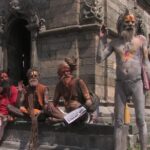
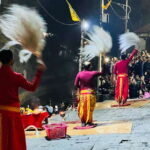
Pashupatinath is the Hindu anchor of this itinerary: a temple dedicated to Lord Shiva, about 5 km east of Kathmandu by the Bagmati River. It’s known for its two golden roofs and four silver doors, and it attracts tens of thousands of Hindu pilgrims each year in spring.
What makes this stop more than architecture:
- The temple’s location by the river connects worship to the life-and-death cycle of Hindu belief.
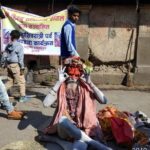
- Along the Bagmati River, you can observe the cremation ritual of Hindus.
This is the one stop where you may need a stronger stomach than at the Buddhist sites. It’s not graphic for the sake of shock, but it is raw and real. If you’re sensitive to smoke or strong smells, bring a mask or face covering. Some guides have helped with masking needs based on what you might experience there.
Also, be prepared for possible viewing limits depending on what’s happening at the time. In a sacred place, access can be controlled. Your guide can usually help you understand what you can see and where you should stand.
You can also read our reviews of more city tours in Kathmandu
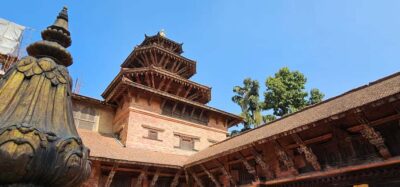
Patan Durbar Square: Newari craft and the Krishna Temple with 21 pinnacles
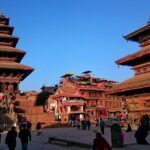
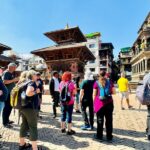
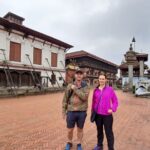
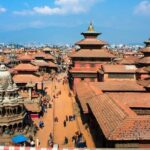
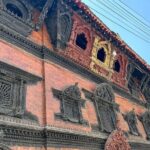
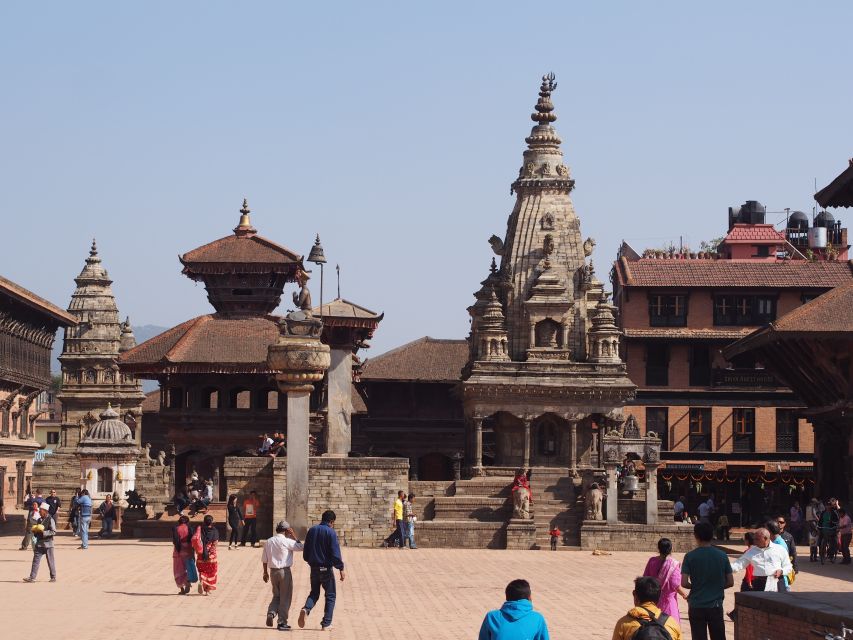
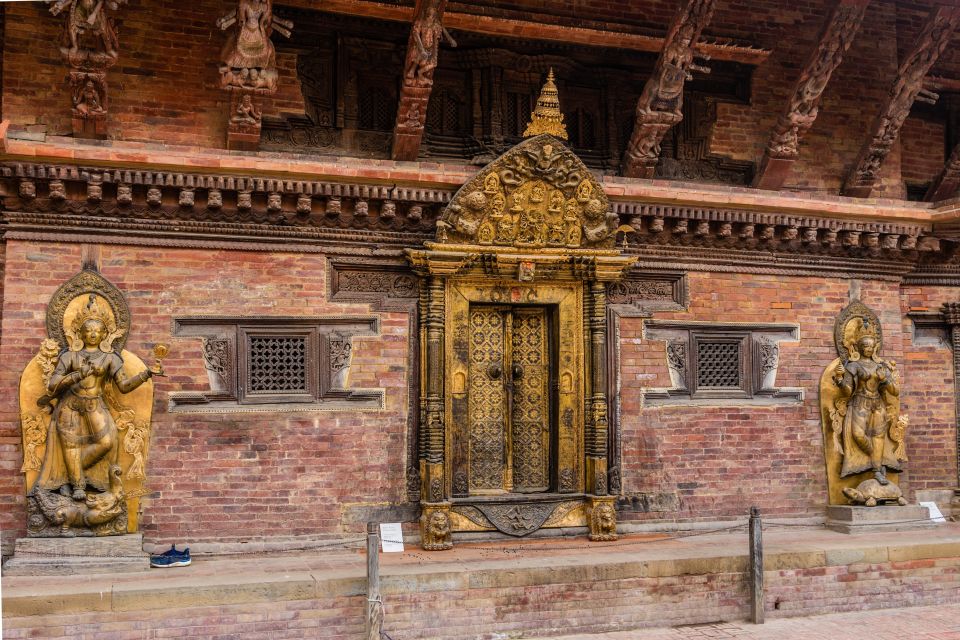
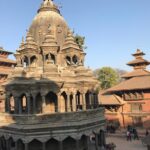
Next up is Patan Durbar Square, also called Patan Durbar Square. It’s home to the former Patan Royal Family and is famous for Newari architecture. Out of Kathmandu’s three durbar squares, it’s often the most photographed—mostly because it’s designed for close-up detail.
Key sights you’ll want to focus on:
- Krishna Temple, with 21 golden pinnacles. It’s the kind of detail you’d miss if you only move quickly.
- Rudra Varna Mahavihar, a Buddhist monastery that houses local treasures.
- Mul Chowk, the central courtyard that helps you understand how the space functioned socially and religiously.
A good guide here helps you read the square. Otherwise, it can turn into “pretty buildings.” With context, you notice the craftsmanship, the layout, and how Buddhist and Hindu layers overlap in the same cultural zone.
The Everest View Hotel helicopter stop: how to treat it like a bonus, not a guarantee
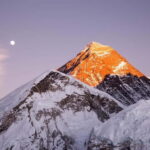
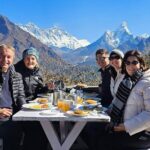
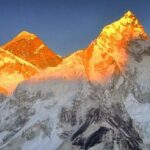
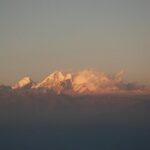
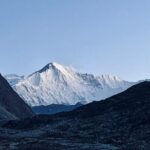
The tour highlights mention helicopter stops at Everest View Hotel for a closer view of Mt. Everest. Since the detailed timing isn’t spelled out in the basics, I recommend treating it like a schedule-dependent add-on.
How to plan your mindset:
- Think of it as a viewpoint bonus you’ll appreciate if timing and operations align.
- Keep your expectations flexible. Mountains and weather can affect plans anywhere in Nepal, even when a tour says it’s included.
If you love big-picture geography, this is a strong pairing with the temple sites. You go from sacred Kathmandu Valley monuments to a sky-scale mountain perspective in the same day.
Lunch and local food: using the free time the smart way
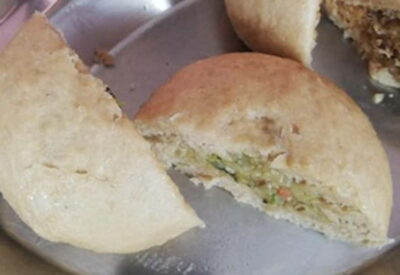
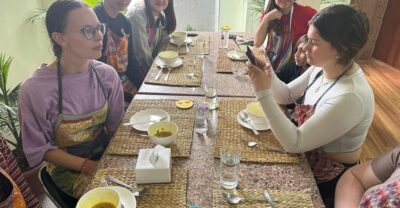
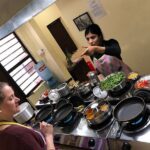
Meals and drinks aren’t included, but food still matters here because your tour includes time that fits shopping and breaks. Kathmandu is great for both savory and sweet dishes, so use the day to test local comfort food rather than grabbing a generic meal near your hotel.
If you want an easy approach:
- Choose a lunch spot your guide suggests near one of the monuments.
- If you’re near Boudhanath, ask for options with a view so lunch becomes part of the experience, not just fuel.
Some guides have taken people to rooftop-style lunches with stupa views, which is a nice reminder that Kathmandu’s best scenery isn’t only outdoors.
What to bring and how to avoid small inconveniences
This tour runs between multiple temple complexes, so your comfort matters more than you’d think.
Bring:
- Passport or ID card
- Comfortable shoes (stairs are real)
- Water
- Cash (for entrance fees and any shopping)
- A face mask or protective covering, especially helpful if you visit Pashupatinath’s river area
Also, bring a little respect gear:
- A light head covering can be useful in temple areas out of politeness, even when not strictly required.
- Keep your phone charged, but don’t let photos make you forget that people are praying.
Tour logistics that help:
- You’ll choose a car type based on your group size (sedan, SUV, or minivan).
- Entrance tickets must be bought on the spot, and your guide will assist.
Who this tour is best for (and who should look elsewhere)
This is ideal if you:
- Want four major UNESCO-class sites without spending your whole day planning
- Like having a guide explain religious symbolism, architecture, and how Buddhism and Hinduism coexist in Kathmandu
- Have limited time and still want to understand the city’s spiritual geography
It’s less ideal if you:
- Need wheelchair access. The tour is listed as not suitable for wheelchair users.
- Want a long, slow visit at just one site. With four stops in 6 hours, this is an overview day with the option to slow down briefly, not a deep-dive at a single complex.
The human factor: why good guiding changes everything
One reason this tour earns such strong satisfaction is the guide role. People consistently highlight guides like Kapil, Saru, and other team members for doing two things well:
- Explaining the meaning behind what you see (eyes on domes, what shrines represent, why certain rituals matter)
- Keeping time so the day doesn’t spiral into waiting and confusion
You’ll feel this most at the sites where you could otherwise get lost in details—Swayambhunath’s complex layout, Patan’s courtyard logic, and Pashupatinath’s river-centered reality.
If you’re traveling solo, this kind of guiding can also reduce stress. You’re not just booking transport; you’re booking a translator for culture.
Should you book this Kathmandu private city tour?
If you’re wondering whether this is worth your time, I’d book it if you fit this profile: you want a structured introduction to Kathmandu Valley’s main religious monuments, you appreciate context, and you’re okay paying entrance fees and sorting your own lunch.
Skip it (or plan differently) if you:
- Are very sensitive to cremation viewing areas and smoke
- Prefer only one or two sites and want hours per location
- Need wheelchair-friendly routing
For most first-timers, this strikes a good balance: UNESCO-grade stops, private convenience, and guiding that makes the day make sense. If that’s your goal, this is a solid way to start your Nepal trip.
FAQ
Which monuments and sites are included?
The tour covers four major stops in Kathmandu: Patan Durbar Square, Swayambhunath Temple, Pashupatinath Temple, and Boudhanath Stupa.
How long is the Kathmandu Private City Guided Tour?
The duration is 6 hours.
What is the price per person?
The price is $40 per person.
What’s included in the tour price?
It includes hotel pick-up and drop-off, a private car, and an English-speaking guide.
Are monument entry fees included?
No. Monument entry fees are listed as NPR 2700 per person (about US$22), and they must be bought on the spot. Prices can vary for different national categories, so you should check at the counter.
Are meals included?
No. Meals and drinks are not included.
Does the tour include an Everest View Hotel stop?
Yes, the highlights mention helicopter stops at Everest View Hotel for a closer view of Mt. Everest.
Is the tour wheelchair accessible?
No. It’s not suitable for wheelchair users.
What should I bring with me?
Bring passport or ID card, comfortable shoes, water, cash, and a face mask or protective covering. Pets are not allowed.