REVIEW · KATHMANDU
Everest Base Camp Trek 15 days | Local Guide | Flexible Itinerary
Book on Viator →Operated by Life Himalaya Trekking · Bookable on Viator
Everest starts with a small plane ride. I like the classic Sherpa tea-house trail and the big view payoff at Kala Patthar (5,545m), where Everest and its neighbors come into focus. This is the kind of trek that mixes high-altitude effort with small, human moments along the way, guided by a team that keeps safety and comfort front and center.
The main thing to think about is the altitude and the cold: even with careful pacing, you are still trekking in thin air, and hot showers and charging are not part of the standard plan.
In This Review
- Key things I’d watch for before you go
- Starting in Kathmandu: quick comfort before the mountains
- The Lukla flight: the Everest gate, not a sightseeing trip
- Sherpa villages by tea house: the best kind of everyday
- Namche to Tengboche: acclimatization and the rhythm of uphill days
- Dingboche and the second acclimatization pause
- Everest Base Camp day: the long wait ends in real emotions
- Kala Patthar at 5,545m: early start, maximum payoff
- Coming back down: Pangboche, Phorste, and the less crowded feel
- A day that moves toward Gokyo-area trails: more variety in the route
- Back to Lukla and downshift to Kathmandu
- Gear, food, and porter support: where this trek wins practical points
- Guides and team: safety focus you can actually feel in daily pacing
- Price and value: what you’re really paying for at $1,890
- Who this trek suits best (and who should be cautious)
- Should you book Everest Base Camp with this local guide setup?
- FAQ
- Where does the trek start?
- Are domestic flights included to get to Lukla?
- What permits are included for the Everest region?
- What trekking gear is included?
- How are meals handled on the trek?
- Is there hot shower access or battery charging during the trek?
- Do I need travel insurance?
- What if weather disrupts the trek?
Key things I’d watch for before you go
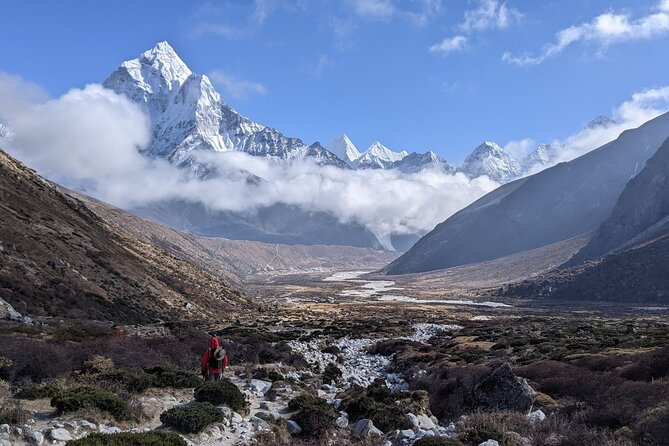
- Kala Patthar is the headline: an early start for panoramic views of Everest, Lhotse, Nuptse, and more
- Acclimatization is built in: extra time around higher villages like Namche and Dingboche
- Gear support is included: trekking poles, a sleeping bag, and a down jacket (returned after the trek)
- Porters keep your load realistic: 1 porter for every 2 people, with porter carrying shared weight
- Flights and permits are handled: Lukla flights plus Sagarmatha National Park, TIMS, and rural permits
- Food follows the lodge menu: hygienic options chosen from where you stay
Starting in Kathmandu: quick comfort before the mountains
Your trip begins in Kathmandu with an airport welcome and transfer to your hotel. This matters more than it sounds. When you only have a short window to recover from travel, you want the first day to feel simple and organized.
You’ll also be using a mobile ticket, and pickup is part of the package. That reduces the usual Nepal-trip chaos of trying to decode where to go and when to meet. It is not a luxury tour, but it is set up to take the stress out of day one.
The practical takeaway: arrive a little rested if you can. Kathmandu can be noisy and busy, and your first big physical jump happens fast once the Lukla flight is on the calendar.
You can also read our reviews of more guided tours in Kathmandu
The Lukla flight: the Everest gate, not a sightseeing trip
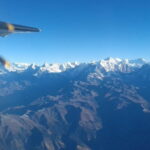
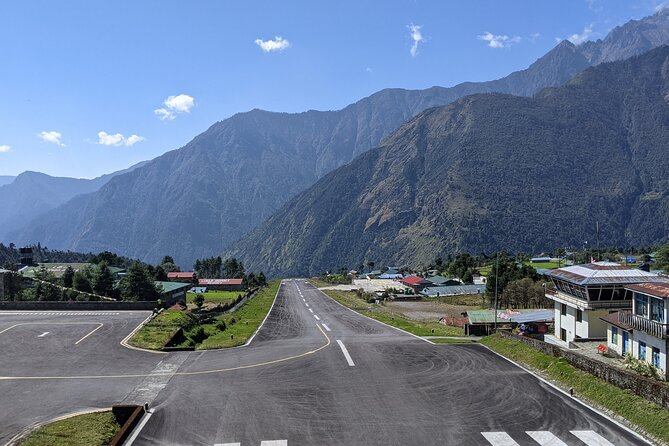
Day two is the start of the true Everest region story: an early flight to Lukla (about 2,810m). The flight is included, and the trek package also covers the return flights from Lukla back to Kathmandu/Ramechhap.
Why this matters for value: without those flights, EBC would be a much longer, more exhausting project. With flights included, you can focus energy on trekking rather than days of road travel.
One reality check: these flights are weather dependent. The experience notes that the trek requires good weather, and poor-weather cancellations can trigger a date change or refund. That’s normal for Everest, and it is exactly why flexibility matters here.
Sherpa villages by tea house: the best kind of everyday
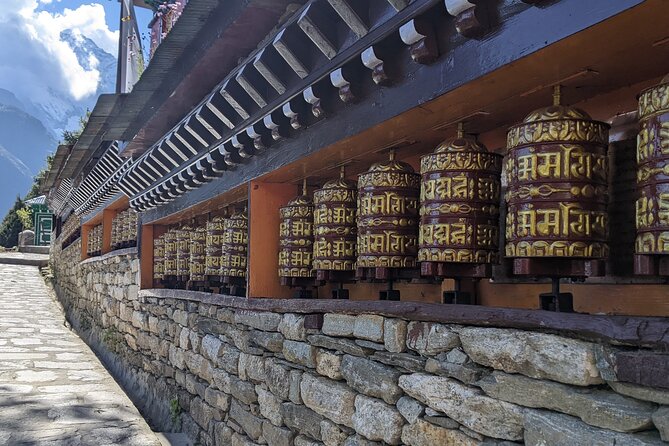
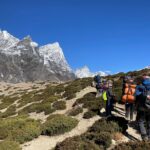
Once you are on the trail, this trek follows the classic Sherpa route. You’ll move through villages where the rhythm is familiar: short walks, tea-house rests, and a steady rise that feels hard at times and totally worth it.
A highlight early on is Namche Bazaar, often called the gateway to the Sherpa world in the Everest region. You’ll also cross the Hillary Bridge along the way. It is the kind of moment where the trail gets real. One more crossing, one more view of what comes next, and suddenly the mountains stop being scenery and start being your schedule.
Along these days, your guide’s job is not just navigation. It is keeping you moving at the right pace so you do not burn your lungs too early. That becomes extra important once you start gaining altitude quickly.
The practical drawback: tea houses are comfortable, but they are not like hotels. Expect basic rooms, simple bedding, and the need to layer for cold mornings and nights.
Namche to Tengboche: acclimatization and the rhythm of uphill days
At around 3,440m you get an acclimatization stop with time for side excursions. This is the point where I’d encourage you to listen to your guide and not treat rest like boredom. Extra time at this elevation can help you adjust before the next jump.
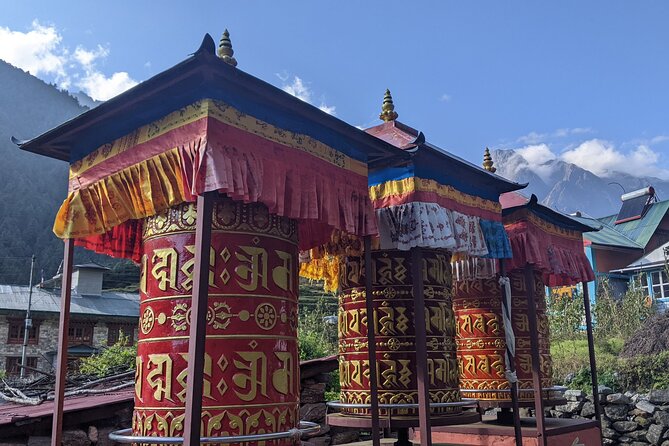
Then you head toward Tengboche (around five hours above Namche). Tengboche is a cultural stop as much as it is a trekking stop. You visit Tengboche Gompa, and it’s a reminder that this is not only about Everest views. This region is living faith, living communities, and long-held traditions.
Two things to plan for on days like this:
- Trekking mornings often start cold and get warmer later, so bring layers you can manage quickly.
- If you feel a headache or unusual fatigue, you do not push through blindly. Your guide’s focus on guest safety and altitude sickness prevention is a key part of why this trek style works.
Dingboche and the second acclimatization pause
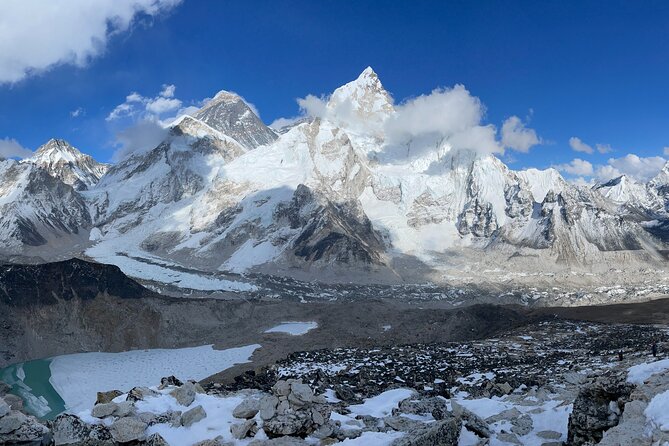
After Tengboche, the trail continues toward Dingboche. You’ll follow the Imja Khola area and cross bridges along the way. The walking is steady but demanding. You’ll be gaining altitude long enough that your body starts to notice every step.
Then comes another important buffer day at Dingboche. This is not just “free time.” Acclimatization here is built in to help your body adjust before the big day toward Everest Base Camp.
If you want the simplest rule for high-altitude trekking: acclimatization days are for slowing down safely, not for proving you are tough. The package is designed with that in mind, and the guide team is part of the safety net.
It also helps that the trek is described as using a structured approach to avoid altitude sickness. You should still watch yourself daily: breathing rate, sleep quality, and how you feel when you stand up matter.
You can also read our reviews of more hiking tours in Kathmandu
Everest Base Camp day: the long wait ends in real emotions
Day nine is the big one: walking toward Everest Base Camp. After multiple days of rising and adjusting, the final approach can feel like it has its own gravity. You’ve earned it by then, and that changes the tone of the day.
You should expect the day to feel like a mix of effort and reward. Tea houses, thin air, and uphill stretches will be part of your pace. But once Base Camp is in front of you, the scale of the place hits differently than photos.
Included in this day are admission-ticket-type items, and the schedule also keeps you in a supported rhythm with lodge meals and guided walking. That support matters because, at this point, you want your energy to go toward the moment—not toward solving logistics.
Kala Patthar at 5,545m: early start, maximum payoff
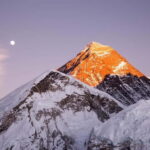
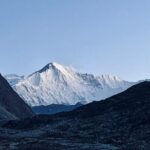
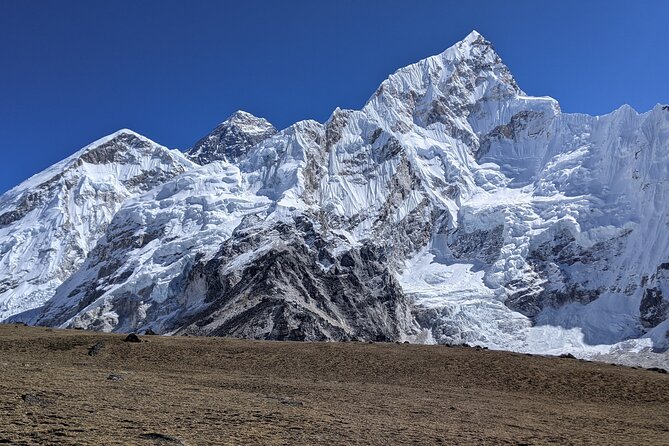
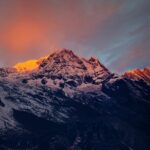
The next day targets Kala Patthar (5,545m), with an early morning hike. This is the highest elevation moment of the trip, and the goal is the panoramic view of Everest and surrounding peaks.
If you like payoff-for-effort treks, this is the one. But be honest about the effort: early mornings at high altitude are cold, your legs feel heavy, and you might need a few minutes longer than expected to get warm.
The guide and the group pace matter here. Your day starts early because the best views come when the light is right. That means you plan your sleep and clothing carefully the night before.
Included notes also suggest the pacing is organized to keep you safe and comfortable, not reckless. In this altitude zone, that difference is huge.
Coming back down: Pangboche, Phorste, and the less crowded feel
After Kala Patthar, you’re trekking downward toward Pangboche, and then you follow a route described as less crowded, heading to Phorste. This is the part of the trek where people often want to rush, but your body still needs time to settle.
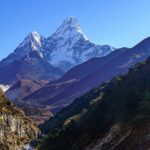
The route includes passing viewpoints of peaks like Ama Dablam and Thamserku, and it also connects back toward the cultural highlight areas like Tengboche monastery viewpoints.
Why a less crowded route can be valuable: it reduces bottlenecks on narrow sections. In busy seasons, that translates to less waiting, fewer forced pace changes, and a calmer trek feel.
You’ll still be in a trekking rhythm, though. Downhill can be rough too, because your knees and ankles do the heavy lifting.
A day that moves toward Gokyo-area trails: more variety in the route
On one of the later trekking days, the route connects toward Gokyo via Phorste Thanga (around 3,680m) and then includes a climb toward Mong Danda. The package also frames this as another less crowded stretch with great views.
I like this kind of variety because it breaks the monotony of doing the same ridgeline beat twice. It also means the trek has multiple “worlds” in it: base camp energy, viewpoint energy, and then a different set of trails and communities.
You do need to know this: it is still a high-altitude trek, so it is not a casual sightseeing day. You are moving because the schedule is designed to bring you back to Lukla in time for the return flight.
Back to Lukla and downshift to Kathmandu
After the high points and the downclimb period, you return on foot toward Lukla. The trekking day includes passing through familiar waypoints and then finishing the walking with a final stretch toward Lukla.
Once you reach Lukla, you’ll have an evening there, then take an early possible flight back to Kathmandu the next day. The return flight is included, and you get some leisure time on the Kathmandu side to decompress.
This is a smart touch. Big treks can drain you more emotionally than physically. A day of calm in Kathmandu gives you space to process what you just did, and to catch your breath before the airport day.
Gear, food, and porter support: where this trek wins practical points
This trek package includes a lot of the “you’ll forget this at home” items:
- Hiking poles
- Sleeping bag
- Down jacket (returned after the trek)
That’s value because renting or buying in Kathmandu can add up, and some items are hard to source quickly at the right quality.
You also get a porter setup: 1 porter for 2 people, with porters carrying shared weight (about 20kg total, described as 10kg per guest). This is a big deal on a long trek. It lets you keep your backpack load in a manageable range, which can mean the difference between finishing strong and arriving tired.
Food is handled too. Meals are provided from the lodge menu, described as hygienic and chosen by the operation. Breakfast is provided on 14 mornings, lunch on 12 days, and dinner on 13 days, with a farewell dinner included.
What is not included matters:
- No hot showers
- No battery charging during the trek
So plan for practical power management. A fully charged phone and spare battery help you stay connected for photos and navigation needs, even if signal is unreliable.
Guides and team: safety focus you can actually feel in daily pacing
The operation emphasizes guest security, safety, satisfaction, and comfort, including a guide-led approach to reduce altitude sickness risk. On Everest treks, that language is not just marketing. It usually shows up as pacing rules, rest stops, and clear decision-making on rough days.
The reviews supplied names of guides and porters that give you a clue about the human side of the team. You might work with an English-speaking guide such as Raj, Shiba, Ram, or Rabin, with porter support like Suren, Sonam, Phurpa, or Prakash. Other names mentioned include Sagar and Jal.
Even if you do not get the exact same people, the pattern matters: many departures describe a team that stays attentive and supportive, with porters who help lighten the day-to-day burden.
Price and value: what you’re really paying for at $1,890
At $1,890 per person for about 15 days, you’re paying for more than a route on a map. You’re paying for:
- Included flights between Kathmandu/Ramechhap and Lukla
- Park and route permits (Sagarmatha National Park, TIMS, and rural permits)
- An English-speaking, license-holder guide (and an assistant guide for larger groups)
- Porter staffing with a specific load plan
- Core trek gear like poles, sleeping bag, and down jacket
- Lodge-meal support and key group dinners
Then there are the add-ons you should budget for separately:
- International travel costs and visa fees
- Tips for guide, porters, and drivers
- Travel insurance up to 6,000m (listed as not included, with a noted $200 per person)
- Kathmandu meals, snacks, and beverages
- Extra nights if your schedule changes
- Hot showers and charging, which are not included
My value take: if you had to recreate all those pieces yourself, the cost would likely spread out across flights, permits, gear rentals, and guide fees. This package keeps those big chunks consolidated, which is good if you want a smoother planning process.
Who this trek suits best (and who should be cautious)
This is for you if you:
- Want the classic Everest Base Camp route with tea houses (not camping trekking)
- Prefer a guided pace with built-in acclimatization stops
- Like having clear logistics: permits, flights, gear, and meals handled
- Can commit to a strong fitness level for sustained uphill walking in thin air
This might be less ideal if you:
- Are not comfortable with no hot showers and limited charging
- Know you struggle with altitude and cannot realistically acclimatize
- Want a completely flexible schedule without weather and flight constraints (Everest doesn’t run on wish lists)
Remember: the trek notes that a strong physical fitness level is required, and it also frames altitude sickness avoidance as part of the plan.
Should you book Everest Base Camp with this local guide setup?
If you want an organized, supported Everest Base Camp trek that still feels authentic, I think this setup is a strong match. The combination of included flights, permits, porter support, and acclimatization-focused pacing is exactly what you want when trekking at 5,000m-plus.
Before you book, be clear-eyed about two things: cold and altitude. If you go in with the right gear, realistic expectations, and a willingness to take acclimatization seriously, the experience has the structure to deliver the big Everest moment without turning the whole trip into a survival test.
FAQ
Where does the trek start?
The trek starts with a meeting point at Tribhuvan Airport in Kathmandu, Nepal, with a representative transfer on arrival.
Are domestic flights included to get to Lukla?
Yes. Flights from Kathmandu/Ramechhap to Lukla and Lukla back to Kathmandu/Ramechhap are included for all members and staff.
What permits are included for the Everest region?
The package includes the Sagarmatha National Park permit, TIMS permit, and a local rural area permit.
What trekking gear is included?
You get hiking poles, a sleeping bag, and a down jacket. These items are described as being returned after the trek.
How are meals handled on the trek?
You’ll have meals based on the lodge menu, with hygienic food chosen from where you stay. Breakfast is included for 14 mornings, lunch for 12 days, and dinner for 13 days, plus a farewell dinner.
Is there hot shower access or battery charging during the trek?
No. Hot showers and battery charging are listed as not included.
Do I need travel insurance?
Travel insurance covering up to 6,000m is listed as not included, with a stated cost of $200 per person.
What if weather disrupts the trek?
Cancellation is free up to 24 hours in advance for a full refund. The experience notes it requires good weather, and if canceled due to poor weather you’ll be offered a different date or a full refund.