REVIEW · KATHMANDU
Ghorepani Poonhill Trek -8 Days
Book on Viator →Operated by Himalayan Adventure Treks and Tours Pvt Ltd · Bookable on Viator
Sunrise over the Annapurnas is the main event. This 8-day Ghorepani Poonhill route blends an easy foothills trek with a Kathmandu culture day, so you get big mountain drama plus world-class temples. Expect Poon Hill views, Gurung village time, and the comfort of organized logistics.
I love how the trek is built around support on the trail: an experienced guide plus a porter keeps the trip from feeling like a solo challenge. I also like the chance to slow down in Ghandruk village, where the village atmosphere and local Gurung culture are part of the payoff, not just the background.
The main consideration is the early start for sunrise, plus the fact that lodge life is simple. If you want a five-star bed and late mornings, this trek will test your patience a little.
In This Review
- Key things to know before you go
- Poon Hill Sunrise: The View You Plan the Whole Trip Around
- Kathmandu and Pokhara: Two Hotel Nights That Make the Trek Feel Doable
- Day 3 to 4: From Nayapul to Ghorepani Through Villages and Rhododendron Woods
- Day 5 Poon Hill Push: Sunrise Timing, Mountain Focus, and Real-World Comfort
- Day 6 Descent to Ghandruk: Oak, Fir, and a Village Walk You’ll Remember
- Day 7 Return Route: Manakamana Cable Car Stop and the Drive Back to Kathmandu
- Kathmandu Day Tour: Pashupatinath, Boudhanath, Swayambhunath, and Durbar Square
- Price and Logistics: What $800 Really Buys You Here
- Guides and Support: Why Names Like Badri, Prakash, and Gomboo Matter
- Fitness, Pacing, and Weather: Who This Trek Suits Best
- Should You Book This Ghorepani Poonhill Trek?
- FAQ
- What permits are included for the Ghorepani Poonhill Trek?
- Do you get picked up from Tribhuvan International Airport?
- How many nights are spent in Kathmandu and Pokhara?
- Is a guide and porter included?
- Are meals included, and is vegetarian food available?
- What costs are not included in the $800 price?
Key things to know before you go
- Poon Hill at 3210m for sunrise viewing over the Annapurna and Dhaulagiri ranges
- Ulleri to Ghorepani (about 5–6 hours) with a steady climb through rhododendron forests
- Ghandruk village time on an easier day, with plenty of time to wander and take it in
- Kathmandu UNESCO sights included: Pashupatinath, Boudhanath, Swayambhunath, and Kathmandu Durbar Square
- Permits and paperwork handled with TIMS and ACAP included, plus paper-work support
- Meals, hotels, and a farewell dinner: 3 hotel nights in Kathmandu and Pokhara and a cultural performance on the last night
Poon Hill Sunrise: The View You Plan the Whole Trip Around
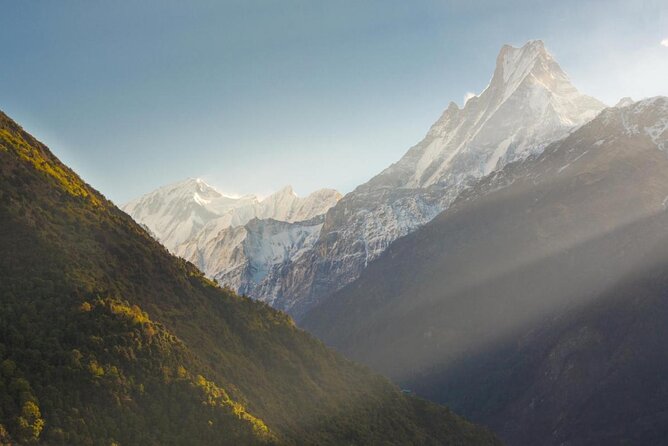
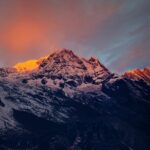
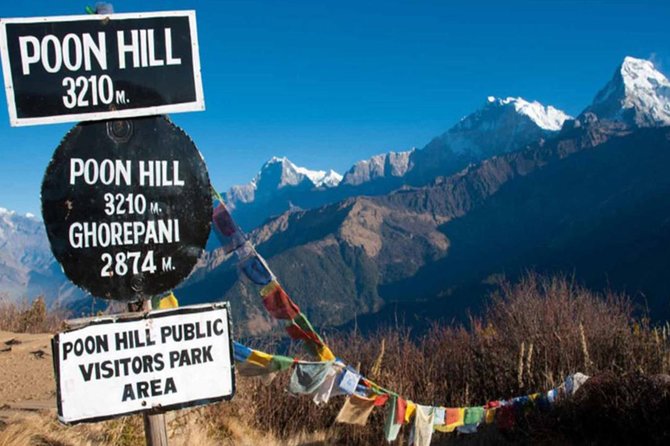
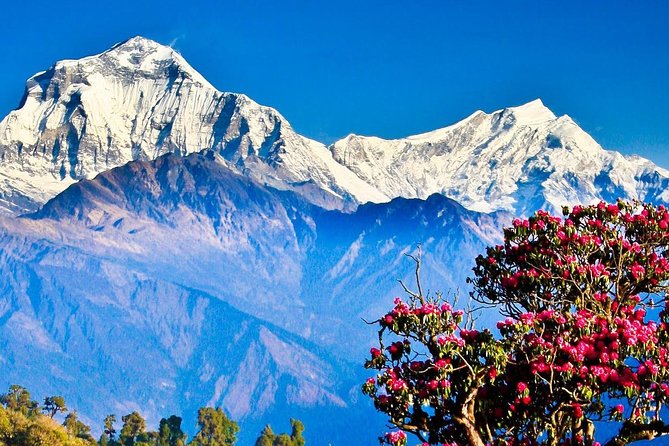
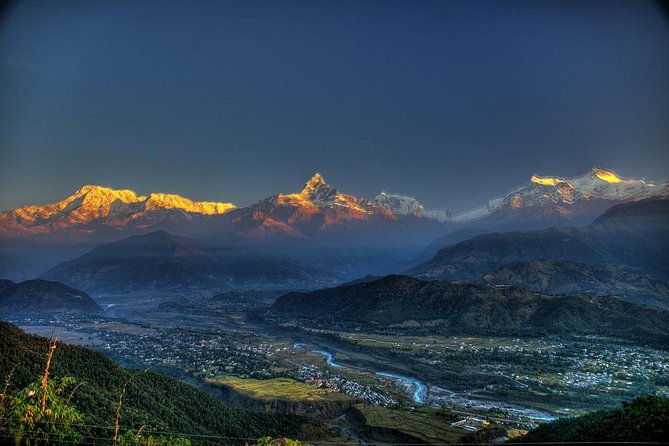
This trek lives and dies by the early-morning push to Poon Hill. You’ll be starting from Ghorepani (2860m) and heading up to Poon Hill at 3210m for sunrise, timed so you can watch the mountains catch the first light.
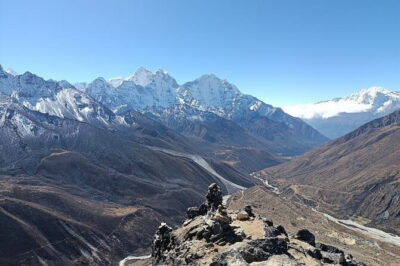
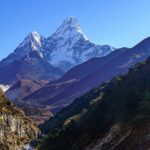
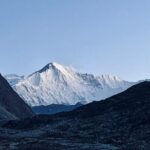
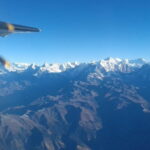
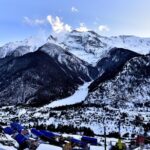
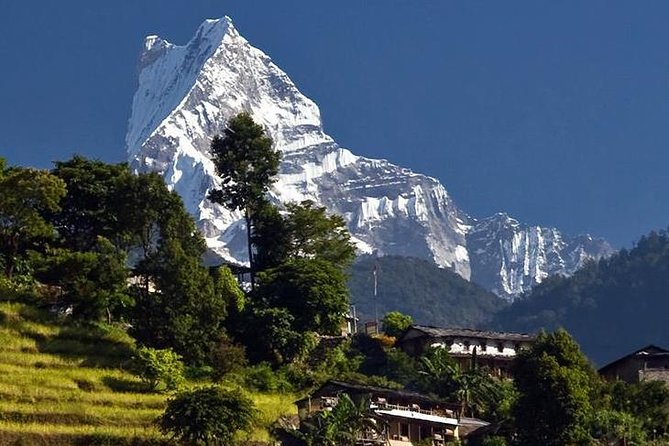
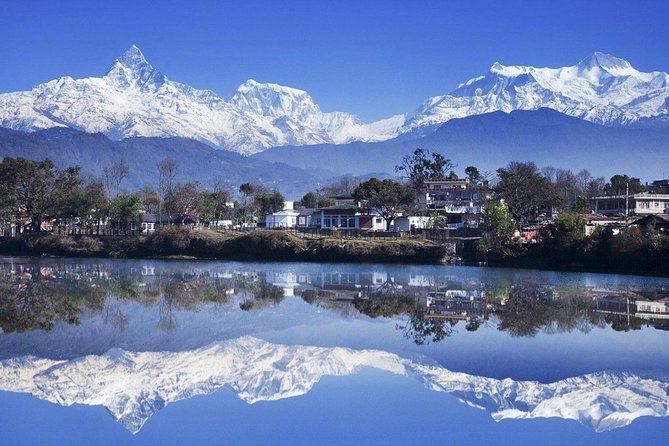
From there, the mountain viewing is the real point. You’re in the Annapurna orbit with views across major peaks including Machhapuchhre (6997m), Mardi Himal (5553m), and Lamjung Himal (7454m). Even if you’re not a “peak counter,” those names help you orient what you’re seeing when the sky starts changing.
Practical tip: bring layers you can handle in cold early light. Sunrise mornings at altitude can feel sharp, even if the day later warms up.
You can also read our reviews of more hiking tours in Kathmandu
Kathmandu and Pokhara: Two Hotel Nights That Make the Trek Feel Doable
Before you ever step onto trail, you get two nights in Kathmandu (3 hotel, breakfast included). You land at Tribhuvan International Airport, meet a representative, and transfer to your hotel by private vehicle. It’s a nice start if you’re landing jet-lagged and just want your feet on the ground fast.
After that, you head to Pokhara for two nights in another 3 hotel with breakfast. The drive is long enough to make the day feel like travel, but it’s also described as a time to soak in the Pokhara Valley views. Think of it as your slow warm-up: sleep, eat, and get used to Nepali pace before the trek begins.
One more thing I like: the trip isn’t only about walking. You also get a Kathmandu day tour with major UNESCO-listed religious sites. That’s a smart trade if your time is limited and you want both mountains and culture without extra planning.
Day 3 to 4: From Nayapul to Ghorepani Through Villages and Rhododendron Woods
Once you’re in Pokhara, you transfer to Nayapul (1050m). The drive is about 1.5 hours and is built for scenic viewing rather than fatigue. Then you start trekking gently toward Birethanti (about 1025m) over 4–5 hours, which is a good way to wake up your legs without turning Day 3 into punishment.
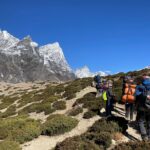
Day 4 is the bigger step. The Ulleri (1827m) to Ghorepani (2860m) trek takes about 5–6 hours and climbs roughly 1033 meters. This is where the trail starts feeling more “trekking” than “walking,” but the pacing is still described as manageable.
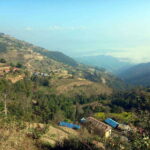
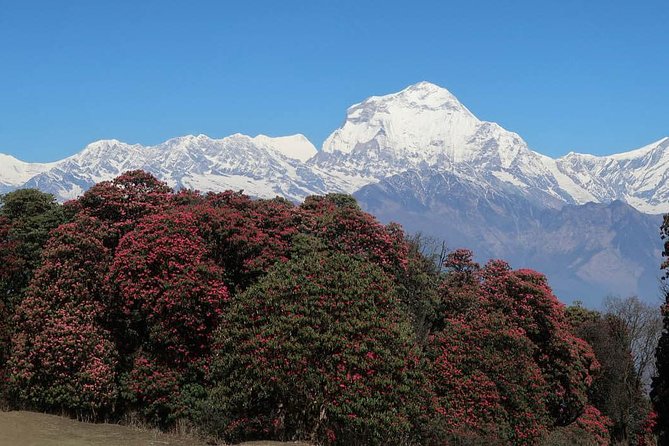
What’s especially enjoyable on this stretch is the forest type and the village rhythm. The route goes through lush rhododendron forests and passes through villages such as Banthanti and Nangethan. Tea houses and small settlements keep the day from feeling empty, and the constant change in scenery is a mental break even when your calves feel it.
If you’re new to trekking, this segment is exactly the kind of climb that teaches good habits: steady steps, small breaks, and not racing your breath.
Day 5 Poon Hill Push: Sunrise Timing, Mountain Focus, and Real-World Comfort
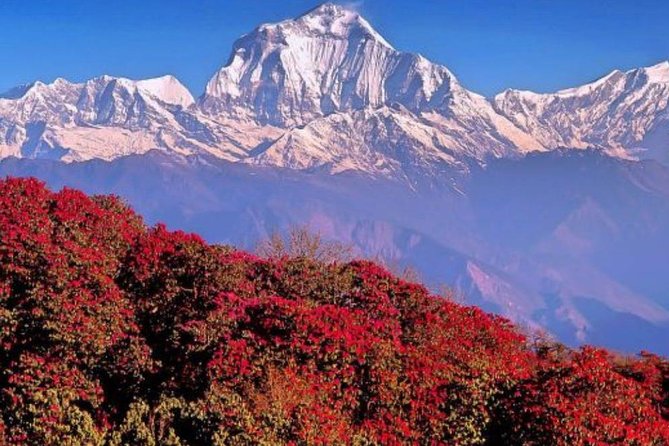
Day 5 is one of the signature days. It includes an early morning hike to Poon Hill (3210m) for sunrise, and then more trekking time afterward. Total trekking time is about 6–7 hours, which is a solid length for a view-heavy day.
This is also your best day for photos and for the kind of quiet that happens at altitude. When sunrise hits, you’ll see the broader range—Annapurna and Dhaulagiri regions—laid out in front of you. And with Machhapuchhre, Mardi Himal, and Lamjung Himal in the mix, the view isn’t just one mountain; it’s a whole skyline of peaks.
Lodge reality check: you’ll sleep in lodges/tea houses during the trek. That usually means warm enough when you dress right, basic rooms, and no luxury perks. If you plan your comfort (layers, a sleep plan, and realistic expectations), this day feels magical instead of cramped.
A nice bonus from the way the trip is structured: meals are included during the trek (lunches and dinners), so you’re not juggling hunger and budgeting while trying to catch the sunrise.
Day 6 Descent to Ghandruk: Oak, Fir, and a Village Walk You’ll Remember
After the Poon Hill highlight, Day 6 shifts into an easier rhythm. The route is an easy descent, moving through dense forests of oak, rhododendrons, and fir. This is the “let your legs recover but still enjoy the trail” day.
You also get time to explore Ghandruk village during the daytime. This matters because it turns the trek from a sequence of mountain checklists into an actual human experience. The area is connected with Gurung culture, and you’ll feel that in the village atmosphere, the routes, and the way your day slows down.
One practical consideration: descent can be easier in effort but tougher on knees. Take short steps, use trekking poles if you have them, and treat downhill like a skill, not a race.
Day 7 Return Route: Manakamana Cable Car Stop and the Drive Back to Kathmandu
Day 7 is about getting you back to the capital with a scenic plan. The route includes heading up toward Damauli, Dumre, Muglin, and Kurintar, where Nepal’s first cable car connects to Manakamana Temple. From there, you climb up to Thankot, described as the gateway to Kathmandu.
This day gives you variety after several trekking days. You’re still on the move, but it’s not the same uphill grind. Instead, it’s a travel-and-sightstop day, with the cable car option adding a fun change of pace.
Think of it as a gentle transition: you’ll go from trekking tempo to city tempo, and that helps you enjoy Kathmandu again rather than just “survive the transfer.”
Kathmandu Day Tour: Pashupatinath, Boudhanath, Swayambhunath, and Durbar Square
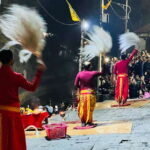
Your Kathmandu time isn’t only about sleep and departure. The itinerary includes a day tour that hits major sacred and historic sites: Pashupatinath, Boudhanath, Swayambhunath, and Kathmandu Durbar Square.
That combination is a practical way to understand the city fast. Pashupatinath gives you a major Hindu pilgrimage focus. Boudhanath and Swayambhunath bring you into Buddhist stupa culture. Durbar Square adds the palace-area, monument-and-detail side of Kathmandu.
If you like walking through places that feel lived-in rather than staged, this is a strong add-on. It also rounds out the trip: mountains in the morning mindset, monuments in the afternoon mindset.
Price and Logistics: What $800 Really Buys You Here
At $800 per person, the biggest question is whether the price covers the “stuff you’d otherwise pay for” and remove hassle. Here, it mostly does.
You get private airport transfers (arrival pickup and farewell on day 8), plus two nights in Kathmandu and two nights in Pokhara at 3 hotels, each with breakfast. That alone is a meaningful part of your comfort and budget.
On the trek side, you’re not paying separately for permits and administrative needs. TIMS permit and ACAP permit are included, and the operator handles the paper-work process. There’s also a duffle bag that’s returned after the trek, which is a practical touch for keeping your daily carry light.
Support is included too: an experienced guide and a porter for 1 porter for 2 clients. That ratio matters because it shapes how “pleasant” your trek feels. You’re still walking, but the logistics of bags and daily carrying become less stressful.
Food is also covered: 4 lunches, 4 dinners, and 7 breakfasts are listed for the overall plan. Then there’s a last-night farewell dinner at an authentic Nepalese restaurant with cultural performance, which turns the end of the trek into an actual event rather than a scramble to pack.
What’s not included is just as important to budget for: Nepal visa fee, international flights, travel and rescue insurance, tips for guide and porter, and personal expenses like phone calls, laundry, bar bills, battery recharge, bottle or boiled water, and hot showers.
The bottom line: this price is focused on reducing friction. If you want a trek where you don’t have to think about permits, meals, transfers, and basic safety setup, it’s good value.
Guides and Support: Why Names Like Badri, Prakash, and Gomboo Matter
The trip’s success often comes down to your guide and how calm they keep things. This operator is associated with guides such as Badri and Prakash, and a porter/trek partner named Gomboo Sherpa. In a trek context, those names signal real responsibility: helping you pace the day, explain the trail, and handle the small decisions that affect comfort.
I also like that the support doesn’t end when you start walking. There’s mention of being reachable for help, plus all the essential paper work being handled. That reduces your stress when you’re tired and want straightforward answers.
One fun detail tied to local food: Prakash is described as introducing people to some of the best momos along the trail. Food like that is never the main reason to trek, but it turns the day into something you’ll remember. And in Nepal, momos are not a side quest—they’re often the reward.
If you care about cultural context while hiking, this kind of guiding style is exactly what you want: friendly, patient, and focused on your experience rather than just the schedule.
Fitness, Pacing, and Weather: Who This Trek Suits Best
This trek is often a fit for people who want a famous route without a long, high-altitude grind. The days described are manageable in length, and there’s an emphasis on an easy trail overall. Still, you should respect the fact that you will climb.
You’ll gain elevation on Day 4 from Ulleri to Ghorepani, and you’ll do an early uphill hike on Day 5 for sunrise. If you’re coming from sea level, start slow, drink water, and keep your expectations realistic.
Your best strategy is to treat the trek as training, not as a contest. Short breaks help. Slow breathing helps. Looking down less and focusing on the next few steps helps.
Weather is the only wildcard you can’t ignore. The trek runs through forested sections (rhododendrons, oak, fir), and the temperatures can swing between morning and afternoon. Pack layers and plan for cold early starts.
As for difficulty level, it’s described as suitable for most people, including beginners. I’d still say: beginners who can handle early mornings and uneven footing will enjoy this most.
Should You Book This Ghorepani Poonhill Trek?
Book it if you want: Poon Hill sunrise, a classic foothills trekking experience, and a Kathmandu culture day in one organized package. The guide/porter support, included permits, and included meals/hotels make it feel like the operator is doing the heavy lifting so you can focus on walking and taking in the views.
Skip it (or at least compare alternatives) if you’re very sensitive to early starts, or if you require consistently high-end lodge comfort. Also, if your main goal is deep high-altitude trekking, this route is more about scenic classics than pushing for bigger altitude adventures.
If you want a short and sweet Himalayan-style trip that feels well run, this one is an easy yes.
FAQ
What permits are included for the Ghorepani Poonhill Trek?
TIMS permit and ACAP permit are included, along with all necessary paper works for the trek.
Do you get picked up from Tribhuvan International Airport?
Yes. The tour includes pickup from the airport and transfer to your hotel by private vehicle.
How many nights are spent in Kathmandu and Pokhara?
You get two nights in Kathmandu (3 hotel with breakfast) and two nights in Pokhara (3 hotel with breakfast).
Is a guide and porter included?
Yes. An experienced guide is included, and a porter is provided at a ratio of 1 porter for 2 clients.
Are meals included, and is vegetarian food available?
Meals are included during the trek: 4 lunches, 4 dinners, and 7 breakfasts. Vegetarian options are also available—just advise at booking.
What costs are not included in the $800 price?
Not included are Nepal visa fees, international flights to and from Kathmandu, travel and rescue insurance, personal expenses (like bottled/boiled water, laundry, and hot shower costs), and tips for the guide and porter.