REVIEW · POKHARA
Poon Hill Trek – 04 Days
Book on Viator →Operated by Adventure Vision Treks and Travels · Bookable on Viator
Four days to catch the Annapurna sunrise. This short trek out of Pokhara is all about Poon Hill mornings and a slower pace than bigger Himalayan routes, with comfortable stops and a guide handling the details. You’ll hike through classic lower-mountain trails and rhododendron forests, then finish with village time in Ghandruk.
Two things I’d put near the top: I really like the English-speaking guide setup that helps you stay confident, and I like that you’re not guessing at lodging and meals along the way. When people talk about this trek, they often name guide support like Bishow and coordination like Jiban—and that matters because short treks still feel tough when you’re doing them for the first time.
One consideration: even though it’s labeled beginner-friendly, the route includes real uphill hiking, and you’ll start early for sunrise viewing. If you’re expecting a flat stroll with no climbing, you’ll be disappointed; plan for effort and bring rain/cold gear based on the season.
In This Review
- Quick hits you’ll actually care about
- Pokhara to Tikhedhunga: a calm start, then real uphill
- Day Two toward Ghorepani and the Poon Hill build-up
- Poon Hill sunrise, then Ghandruk village: views plus people
- Day Four down to Nayapool and back to Pokhara lakeside
- Guides, safety, and why patience is part of the product
- Price and Logistics: why $230 can make sense here
- Best season for Poon Hill visibility (and when to avoid it)
- What the itinerary feels like day by day
- Who should choose this 4-day Poon Hill trek?
- Should you book this Poon Hill Trek (4 Days)?
- FAQ
- Is this trek private?
- How do you get to the trail from Pokhara?
- What are the main hiking days like?
- Do meals and accommodation come included?
- Is there an English-speaking guide?
- When is the best time to go?
- What is the cancellation policy?
Quick hits you’ll actually care about
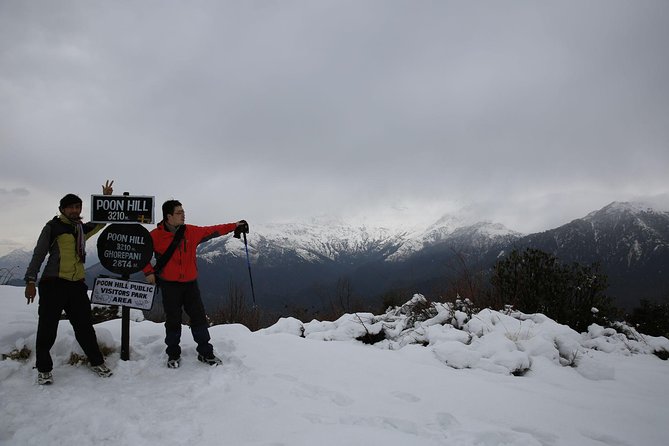
- Sunrise at Poon Hill is a scheduled early-morning highlight, with Annapurna views as the payoff.
- Tea-house nights keep things simple, with breakfast, lunch, and dinner included.
- Pokhara hotel-to-trail transport is handled by an air-conditioned vehicle.
- Private trek format means your group is the only group doing the route.
- Ghandruk village finish gives you a more cultural, less-crowded feel than you might expect.
- Monsoon caution: visibility drops and trails can be hard to walk in heavy rain.
Pokhara to Tikhedhunga: a calm start, then real uphill
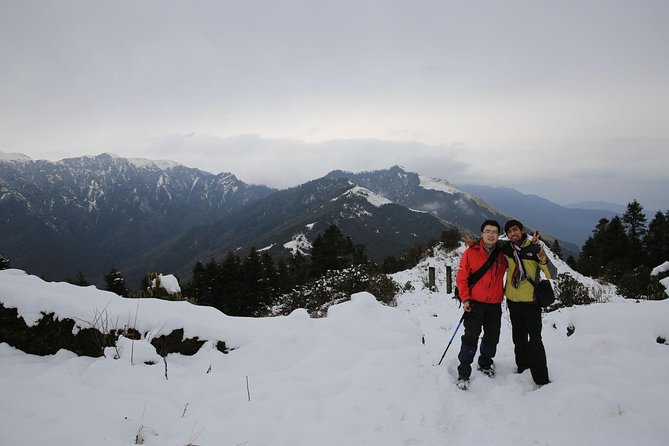
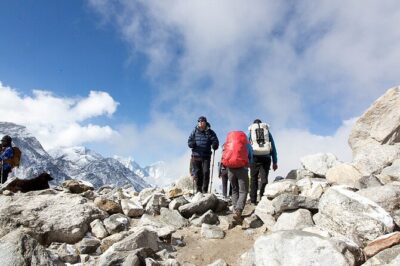
The trek begins with a drive out of Pokhara, then a hike that gently ramps up. First you’ll get transported by private vehicle (air-conditioned) to the trailhead area, and you’ll start walking toward Tikhedhunga. The first hiking day is about 4 to 5 hours, which is a smart length for an intro trek: long enough to feel like you’re trekking, not so long that you feel wiped out by day one.
What makes this start work is the pacing. You’re not doing a frantic march; it’s built around a “settle in and keep moving” rhythm. You’ll also get your first taste of the Annapurna region’s lower-mountain vibes—busy enough to feel alive, but still quiet compared to city life.
Practical tip: wear shoes you trust. The early days of a trek are where blisters form fast, because you’re still finding your stride. If your feet aren’t happy on day one, the whole trip feels harder.
You can also read our reviews of more hiking tours in Pokhara
Day Two toward Ghorepani and the Poon Hill build-up
By the second day, the trail energy changes. You’re pushing forward with the goal of reaching the Poon Hill area, often described as the base for sunrise planning. This is where the trek really becomes about timing: you’re not just walking to get to a viewpoint, you’re building your body’s rhythm for an early morning.
Even with only 4 days, the altitude experience is real in feel, if not always in numbers. You may notice that the air feels cooler and breathing feels different as you go higher. That’s also why the guide piece matters. A good local guide helps you manage pace so you don’t burn energy too fast.
You’ll sleep in a tea house along the way. That’s part of the value here: you’re not chasing hotels or complicated transfers. Tea houses mean you can relax, eat something warm, and get ready for sunrise without extra logistics.
One more reality check: tea-house food is comforting, but it’s also basic. If you’re picky about spice levels or need a very specific diet, you’ll want to plan ahead and keep expectations realistic.
Poon Hill sunrise, then Ghandruk village: views plus people
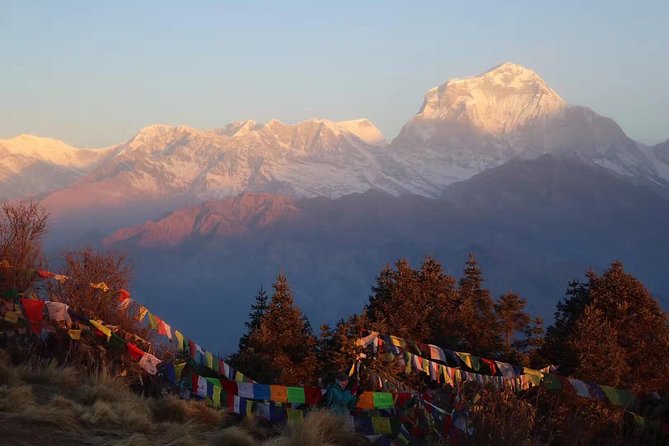
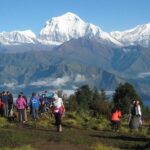
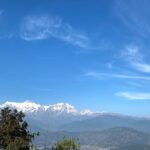
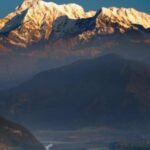
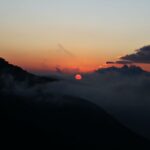
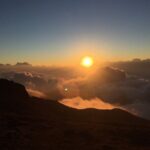
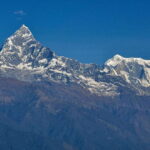
Day three is the day most people remember. You’ll head to Poon Hill early in the morning to see the sunrise, and you’ll do it before a full day of hiking. That early start can feel like a speed bump at first, but once you’re up there, it’s the payoff: bright sky, big mountain views, and that “worth it” feeling.
After the sunrise viewing, you’ll have breakfast, then trek onward to Ghandruk village. Ghandruk is a meaningful contrast to the higher ridge time. Instead of focusing on climbing and viewpoints, you get village rhythm—another side of Nepal beyond the immediate trekking route.
You’ll overnight in Ghandruk at an eco lodge. That’s a nice balance for a short trek: you’re finishing in a place where you can slow down a bit after the morning effort. If your idea of trekking includes not only views but also a small dose of local daily life, this is where it happens.
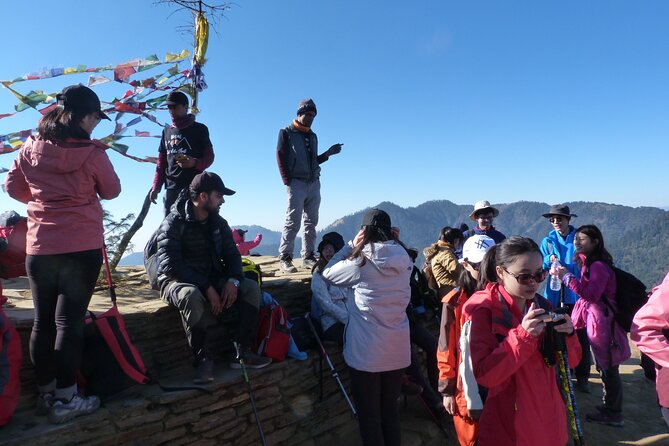
Practical tip: bring a warm layer even if daytime feels mild. Sunrise viewing often means cold air and wind, and you’ll be standing still waiting for the view.
Day Four down to Nayapool and back to Pokhara lakeside
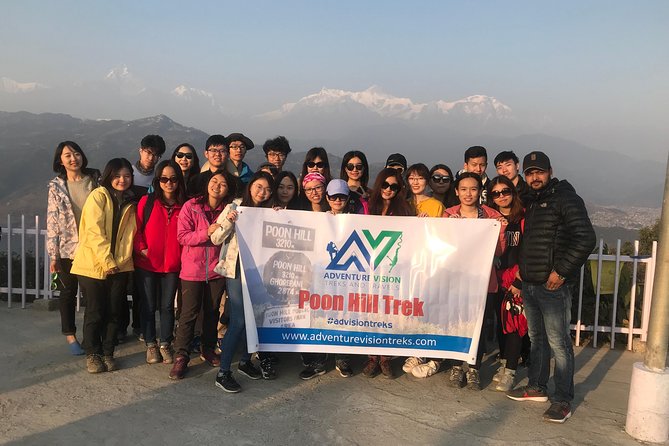
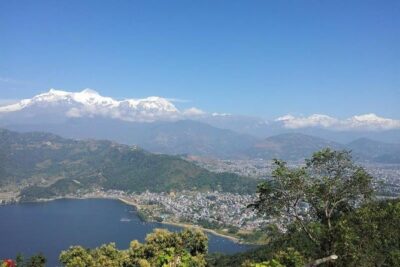
The final day keeps the momentum moving but doesn’t drag on forever. You’ll trek down to Nayapool, then drive back to Pokhara. This is the part that helps your body recover: after several days of stepping uphill, the downhill and then the car ride let you feel human again.
The drive back is included, so you don’t have to arrange transport at the end of your trek. That sounds minor, but it’s one of those details that makes a short trip actually feel smooth.
If you’re using Pokhara as a base, this finish is convenient. It’s also emotionally satisfying: you’re done with the trail, and you still get to enjoy the city afterward, instead of spending your last hours on paperwork and taxis.
Guides, safety, and why patience is part of the product
This trek is guided, and that’s not just a marketing phrase. An English-speaking trekking guide helps with route flow, timing, and staying steady on your feet. For first-time trekkers, confidence is as important as cardio.
In the experience reports connected to this operator, people have highlighted caring, professional guide support—especially when they were slower or tired. Names that come up include Bishow for on-the-ground guiding and Jiban for coordination. The point isn’t celebrity tour guiding; it’s practical: you want someone watching pace, watching you, and adjusting in real time so you finish the trek feeling capable rather than stressed.
Also, this is set up as a private activity, meaning your group handles the schedule. That usually means less waiting around and fewer awkward pacing mismatches. You’ll still move at a trekking pace, but it’s your pace.
One more safety angle: everything is organized so you’re not making decisions mid-trek when you’re tired. That’s a big deal in the mountains, where small confusion can waste energy.


Price and Logistics: why $230 can make sense here
Let’s talk value, not just cost. The price listed for this 4-day trek is $230, and for that you typically get:
- 3 nights accommodation
- breakfast, lunch, and dinner (so meals aren’t an added cost)
- An English-speaking guide
- Local/government taxes
- Air-conditioned vehicle transport
- Pickup offered and transport to/from Pokhara hotels
Not included are the usual extras: personal expenses, international airfare, insurance cost, and drinks/beverages cost.
Why that matters for real life: short treks can get expensive fast once you add guide fees, lodging, and meals separately. Here, meals and lodging are bundled in, and that reduces the number of decisions you need to make.
Could you do this for less on your own? Possibly, but you’d likely spend more time on planning, arranging transport, and negotiating daily details—time you may not have. For a 4-day intro trek, organized logistics often beats “cheaper” once you count stress.
If budget matters, ask yourself what you want to pay for: time saved and fewer moving parts. This itinerary is designed to give you that.
Best season for Poon Hill visibility (and when to avoid it)
The trek can be done throughout the year, but you’re warned against trekking in the monsoon season. The reason is simple: mountain visibility drops, and trail walking can be difficult due to rain conditions.
If you’re going in a rainy period anyway, you’ll want strong comfort with hill walking in bad weather. For most people, the smarter plan is to travel in a season when the views are likely clear and the trails are easier to manage.
I’d also plan around cold mornings. Even in shorter treks, sunrise viewing means standing still in mountain air. Layering is your friend.
What the itinerary feels like day by day
Here’s the flow in plain terms, without the spreadsheet feel:
- Day 1: Drive up, then hike toward Tikhedhunga for several hours, ending at a tea house. This is your body’s “get started” day.
- Day 2: Continue toward the Poon Hill area, with an overnight near your sunrise planning spot. This is your “timing and rhythm” day.
- Day 3: Sunrise at Poon Hill, breakfast, then trek to Ghandruk. Overnight in an eco lodge. This is your “views then village life” day.
- Day 4: Trek down to Nayapool and drive back to Pokhara. This is your “finish strong and recover” day.
Short treks are like that: they compress effort. The smart way to handle it is to keep your pace steady and trust the structure.
Who should choose this 4-day Poon Hill trek?
This is a great match if:
- You’re a beginner and want the Himalayan experience without a long commitment
- You prefer organized transport and meals handled
- You want both views and a cultural stop in Ghandruk
- You like the idea of being guided, especially for sunrise timing
It may be less ideal if:
- You hate early mornings (sunrise viewing is part of the design)
- You want a very easy walk with minimal climbing
- You’re going during monsoon and aren’t comfortable with rain and reduced visibility
If you’re unsure, treat this like a “test run” for trekking. It gives you a real sense of what hiking in Nepal is like—plus a view reward you don’t get from casual day hikes.
Should you book this Poon Hill Trek (4 Days)?
I’d book it if you want a short trek that’s built to help beginners succeed. The combination of English-speaking guide support, included meals, tea-house nights, and transport from Pokhara makes it a solid value for people who’d rather hike than plan.
I’d pause if you’re the type who needs fully flat terrain, or if you’re traveling in monsoon season and visibility is your top priority. Also, set expectations: this is short, not effortless.
If you want a Himalayan experience with clear structure, this does the job.
FAQ
Is this trek private?
Yes. It’s set up as a private tour/activity, and only your group will participate.
How do you get to the trail from Pokhara?
Pickup is offered, and an air-conditioned vehicle is included for transport to and from your Pokhara hotel area and the trek start/end points.
What are the main hiking days like?
The trek runs over about 4 days, starting with a hike toward Tikhedhunga, continuing toward the Poon Hill area, then sunrise viewing at Poon Hill before trekking to Ghandruk. The final day walks to Nayapool before driving back to Pokhara.
Do meals and accommodation come included?
Yes. You get 3 nights accommodation and meals included: breakfast, lunch, and dinner.
Is there an English-speaking guide?
Yes. An English speaking trekking guide is included.
When is the best time to go?
You can trek to Poon Hill from Pokhara throughout the year, but monsoon season is not suggested because mountain views are less clear and trails are harder to walk. If you’re experienced with rainy hill walking, you can choose monsoon.
What is the cancellation policy?
Free cancellation is available. You can cancel up to 24 hours in advance for a full refund, based on the experience’s local time.