REVIEW · KATHMANDU
Everest Base Camp Trek with Helicopter Return to Lukla – 10 Days
Book on Viator →Operated by Luxury Holidays Nepal Pvt. Ltd. · Bookable on Viator
Chasing Everest then floating back by helicopter. That’s the hook of this Everest Base Camp trek with helicopter return, where you still hike the classic route but cut down the hardest retracing at the end. I like two things a lot: the Gorakshep-to-Lukla helicopter ride that saves real suffering on the descent, and the steady, guided trekking with permits, lodging, and logistics handled. One drawback to plan for: the whole plan depends on weather for flights and the helicopter, and the high altitude is still no joke even with the easier return.
You’ll start with a Kathmandu hotel base, then fly up to Lukla and work your way through Sherpa villages, monasteries, and acclimatization stops like Namche Bazaar and Dingboche. The trip is paced for comfort by a licensed English-speaking guide, and past groups have praised guides like Ram (and also Rupak, Dambar, and Naren in other Nepal treks) for patience, flexibility, and keeping everyone on track. If your fitness is solid but you want help with the details, this is the kind of package that fits.
In This Review
- Key Things To Know Before You Go
- Kathmandu Warm-Up With Hotel Breakfast and a Smooth Start
- The Lukla Flight: Where Your Trek Really Starts
- Trekking Up the Dudh Koshi: Sherpa Villages and Forest Air
- Namche Bazaar and Tengboche: Monasteries, Markets, and Acclimatization
- Dingboche to Everest Base Camp: The Altitude Portion You Must Respect
- Kala Patthar Sunrise: The Moment You Plan for, Even When It’s Cold
- The Gorakshep Helicopter Return to Lukla: Saving Your Knees (and Your Time)
- Lodging, Gear, and Teahouse Reality Along the Trail
- The Guide Experience: Why Ram and Other Local Leaders Matter
- Price and Value: What $799 Really Buys in the Himalaya
- Who Should Book This Everest Base Camp Trek With Helicopter Return
- Should You Book This One, or Choose a Different Style?
- FAQ
- Where is the meeting point and what time does the trip start?
- How long is the Everest Base Camp trek with helicopter return?
- What flights are included in the package?
- Where does the helicopter ride take you?
- Which permits are included?
- What kind of lodging do I get during the trek?
- What meals are included?
- Is a guide included, and what language do they speak?
- How many people are in the group?
- What if the weather is poor?
Key Things To Know Before You Go
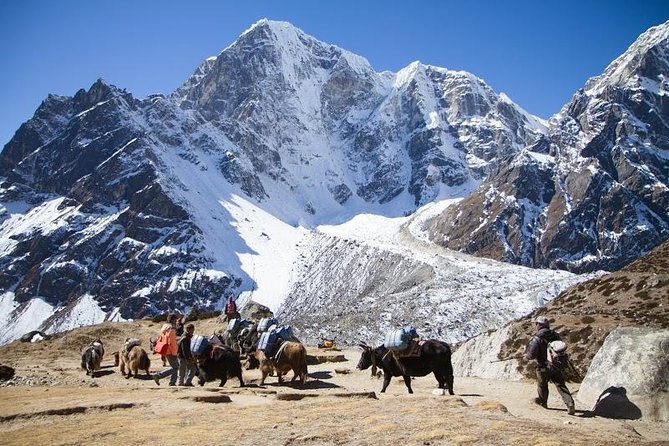
- Helicopter return helps, but altitude still shapes the trip: you’ll still hike to Everest Base Camp and Kala Patthar.
- Weather controls flights and the helicopter: poor conditions can change schedules or dates.
- Your meals budget matters: trekking lodging is included, but meals are not.
- Small group size (max 15): easier coordination and less chaos on the trail.
- Permits are handled for you: Sagarmatha National Park, TIMS, and Pasang Lhamu Entry are included.
- You’ll get core trekking gear: duffel bag, sleeping bag, T-shirt, and a map come with the package.
Kathmandu Warm-Up With Hotel Breakfast and a Smooth Start
Kathmandu is where you get your bearings before the mountain gets serious. You’re picked up by private vehicle for arrival/departure transfers, and you stay in a 3-star hotel with breakfast, which is exactly what you want the morning before the flight to the Khumbu.
One practical point: your start time is listed as 9:00 am at Tribhuvan Airport, so don’t plan an early-night plan the day before that leaves you rushed, groggy, or hunting for documents. Permits are included in the package, and that matters here because paperwork is one less thing to manage when you’re already dealing with altitude anxiety.
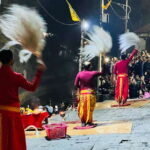
By the end of the trek, you also get a cultural farewell dinner in Kathmandu with Nepali cuisine and a cultural show. That’s a nice bookend. After days of cold air and careful steps, it’s good to have a warm, human moment that’s not just another meal stop.
You can also read our reviews of more hiking tours in Kathmandu
The Lukla Flight: Where Your Trek Really Starts
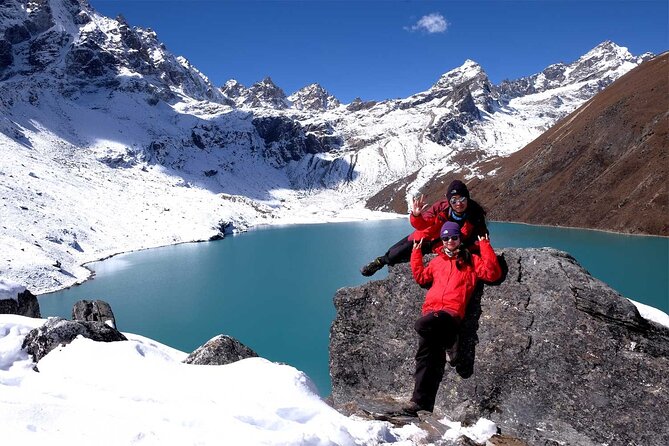
This trek uses domestic flights to move you into the Everest region efficiently. You’ll fly Kathmandu/Manthali to Lukla round-trip as part of the itinerary. That saves days compared with older-school approaches that take the long road first.
Once you’re in Lukla, the hiking begins. Expect the usual mix of trail time and “read your body” time. The altitude here starts creeping in fast, and the trail can feel more tiring than the distance suggests.
Since lunch/dinner in Kathmandu and all meals during the trek are not included, I treat this part like a budgeting moment too. Your guide can help with practical choices at teahouses, but you’ll still want cash and a simple plan for how you’ll handle snacks and drinks along the way.
Trekking Up the Dudh Koshi: Sherpa Villages and Forest Air
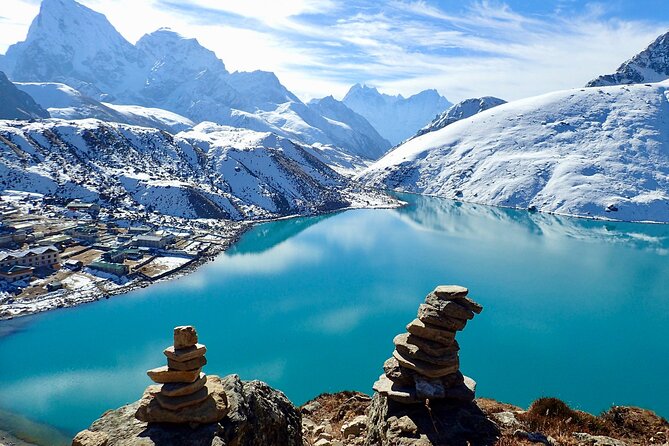
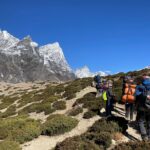
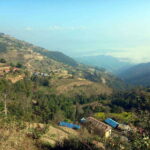
From Lukla, you move through the classic Khumbu rhythm: village life, tree cover, and gradual elevation gain. You’ll pass through Sherpa villages, hike through lush forests, and spend time along the Dudh Koshi River corridor. That river valley style is one of the reasons EBC treks feel so atmospheric early on. It’s not just views. You’re walking through a living corridor where people have spent generations serving the trail.
This is also where the small, practical stuff makes a difference. You’ll rely on your licensed English-speaking guide to pace you and to keep your day sensible. Even when the trail looks tame, your breathing can disagree. A good guide keeps you from turning a gradual trek into an exhausting sprint.
If you’re thinking about energy management, here’s what I’d watch: keep your effort steady, drink consistently, and avoid the trap of “I’m fine, so let’s go faster.” On this route, that’s how people feel wrecked later.
Namche Bazaar and Tengboche: Monasteries, Markets, and Acclimatization
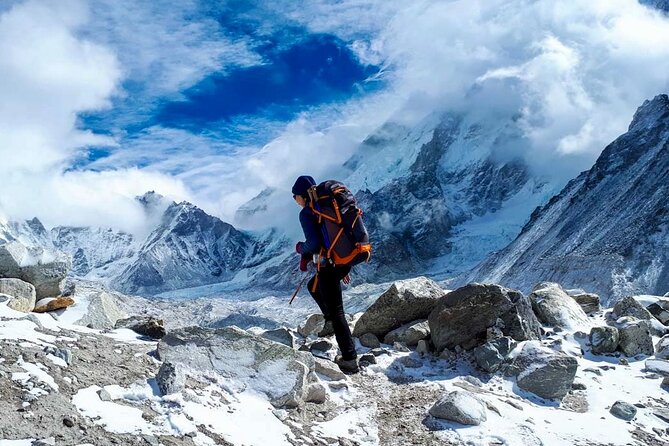
Namche Bazaar is one of the big emotional checkpoints on the way to Everest. It’s a place where the trail feels more social and the mountain becomes less theoretical. You’ll have time to pause there, and it’s tied to the acclimatization logic of the trip.
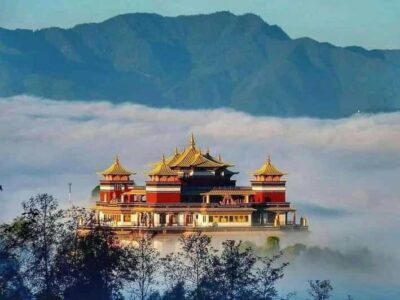
After that, the route continues toward Tengboche, where you’ll see monasteries and experience a more spiritual side of the Khumbu. Tengboche is often where people feel the Everest pull most clearly because the views are striking and the village atmosphere is calm.
I like this section because it mixes culture with altitude strategy. You’re not just climbing; you’re learning how the route fits human life. And your guide helps you choose when to push and when to “slowly, slowly” your way into the next altitude band.
A possible drawback to keep in mind: these areas can be busy depending on season, and the teahouse systems are designed for trekkers, not for comfort-priority travelers. Guesthouses are part of the deal here. If you’re sensitive to basic rooms and shared heat sources, plan to treat “comfort” as relative.
Dingboche to Everest Base Camp: The Altitude Portion You Must Respect
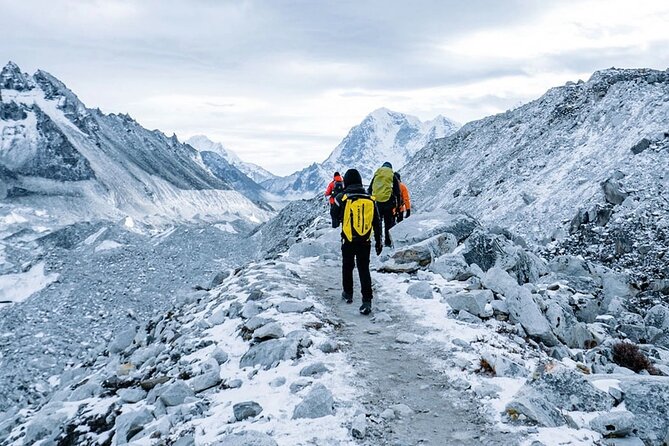
Dingboche is built into the itinerary as an acclimatization stop, which is exactly what you want on an EBC trek. You’ll spend time there to give your body a chance to adjust before you go higher and more exposed.
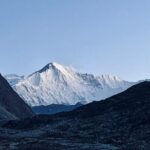
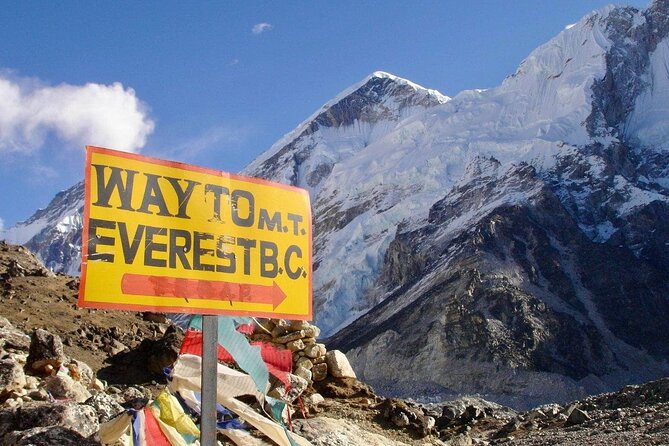
Then comes the stretch that turns the trip from scenery into achievement. You’ll reach Everest Base Camp, where the views focus your brain in a way nothing else does. It’s not only about seeing Everest’s massive presence. It’s also about realizing how many steps it takes to get there.
This is the point where a strong guide matters most. In past treks with guides like Ram, groups specifically praised how he helped with conditions and made the experience easier to handle. I interpret that as: good guidance isn’t just directions. It’s watching you, adjusting pace, and stepping in when someone is slowing down faster than expected.
Another practical reality: meals are not included during the trek. Teahouses sell food and drinks, and prices can rise with altitude. Bring a realistic budget mindset and don’t assume you’ll eat lavishly every day.
You can also read our reviews of more tours and experiences in Kathmandu
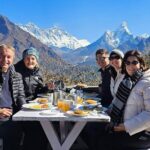
Kala Patthar Sunrise: The Moment You Plan for, Even When It’s Cold
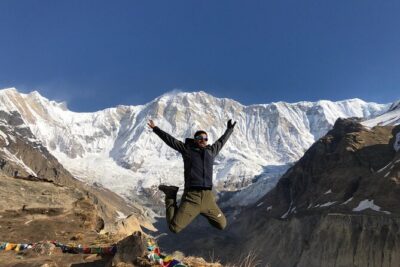
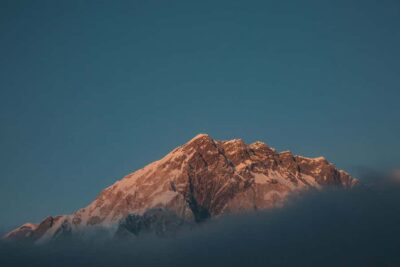
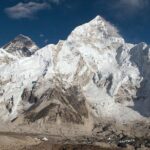
If you’re doing Everest Base Camp, you don’t want the trip to end with Base Camp only. The route includes a hike to Kala Patthar, timed for an early sunrise view over the Himalayas.
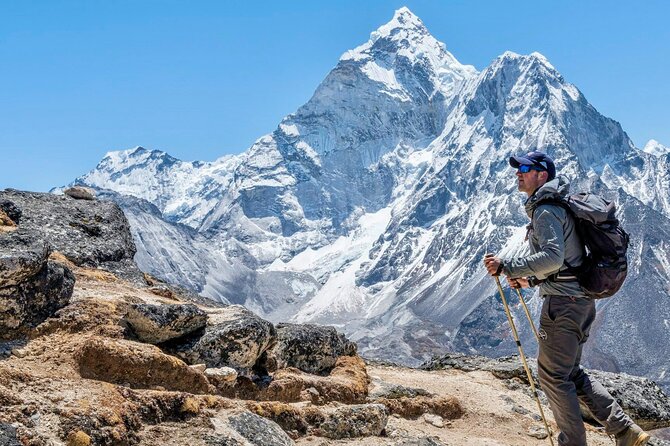
This is one of those “worth the effort” days. You’ll be hiking in colder conditions with limited light. It’s physical, and it’s also mental. The reward is that you’re getting a different angle on Everest than you get at Base Camp—more dramatic, more exposed, and often more unforgettable.
From a comfort standpoint, you’ll appreciate that your package includes a sleeping bag and other trekking basics, because you’ll be sleeping in guesthouses where warmth can vary. That doesn’t make the mountain cozy, but it reduces the number of things you need to buy or pack yourself.
Also, don’t underestimate the timing. Getting up early while acclimatized is easier for some people than others. Your guide should be the one keeping the plan realistic based on how you’re feeling.
The Gorakshep Helicopter Return to Lukla: Saving Your Knees (and Your Time)
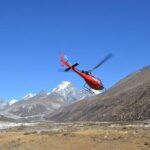
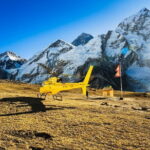
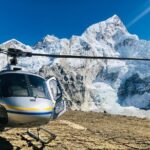
After reaching the high points, the plan takes a clever turn. You’ll ride a helicopter from Gorakshep back to Lukla.
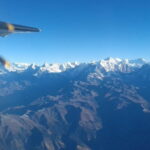
This is where the “luxury” part actually earns its name in real-world terms. Instead of doing the long backtrack downhill with sore knees and fatigue, you get an aerial view of the route you just trekked. It’s a reminder that the effort has shape and scale.
Value-wise, it also changes your final days. You arrive in Lukla and can fly back down to Kathmandu the same trip cycle rather than spending extra time hiking. If you’re trying to balance ambition with recovery, this is a smart design.
One caution: helicopters depend on conditions. The experience is described as requiring good weather, so keep a calm mindset if schedules shift. Also, don’t treat the helicopter as a guarantee that you’ll escape altitude effects. You still have to be safe up high before the ride happens.
Lodging, Gear, and Teahouse Reality Along the Trail
You’ll stay in standard guesthouses along the route. That’s helpful because it’s predictable, but it’s still basic Nepal mountain lodging—simple rooms, limited comfort, and a lot of “make do” energy.
Here’s what I like about the package support. It includes trekking gear such as a duffel bag, sleeping bag, T-shirt, and a map. That’s not just convenience. It reduces the stress of bringing the right items, especially if you’re flying in from far away and don’t want to gamble on last-minute gear shopping.
Your medical support also comes included with a comprehensive first aid medical kit. Still, you should expect that your own insurance must cover medical costs and high-altitude evacuation. That’s not optional in a place where a bad turn in altitude can turn serious quickly.
One more practical note: porter service is optional, with a recommendation of one porter for two trekkers. If you want to feel fresh enough for Kala Patthar and sunrise hikes, think seriously about whether you should carry less.
The Guide Experience: Why Ram and Other Local Leaders Matter
On Everest treks, guides often get credit for the itinerary, but the best ones get credit for the human details. Past feedback tied to this operator’s guide teams includes praise for people like Ram for creating a smooth experience and helping make things easier on the trail. Other names that show up in prior Nepal trekking feedback include Rupak, Dambar, and Naren, praised for patience, flexibility, and staying on top of group needs.
Here’s what that translates to for you:
- Your pace stays realistic because someone watches altitude strain.
- Logistics don’t hijack your energy; rooms and basic coordination get handled.
- You get someone to answer the annoying questions fast, instead of guessing in the cold.
This trip also caps at 15 travelers, which usually means more attention per person compared to mega-groups. If you want a guided trek that still feels personal, this group size helps.
Price and Value: What $799 Really Buys in the Himalaya
At $799 per person, this is priced in the “you’re paying for convenience” zone. The key is what’s bundled.
You get:
- 3-star hotel with breakfast in Kathmandu
- Domestic flights Kathmandu/Manthali to Lukla round-trip
- Helicopter from Gorakshep to Lukla
- Trek lodging in standard guesthouses
- Licensed English-speaking guide
- Permits: Sagarmatha National Park, TIMS, and Pasang Lhamu Entry
- A medical kit
- Farewell dinner with Nepali cuisine and cultural show
- Taxes and official fees
- Trek gear like sleeping bag and a duffel bag
- Private vehicle transfers for arrival and departure
If you tried to piece this together yourself, the helicopter and permits would be the two trouble spots—planning and cost. Helicopter travel is the big swing item, and it’s included here.
What you should budget separately: meals. Lunch/dinner in Kathmandu and all meals during the trek are not included, so plan for daily teahouse spending. Also plan for optional porter costs and personal extras like snacks and drinks.
If you like the idea of doing the classic Everest experience but want a smarter finish, this price structure starts to make sense.
Who Should Book This Everest Base Camp Trek With Helicopter Return
This trip fits best if you:
- Can handle trekking at altitude with a moderate fitness level
- Want guesthouse comfort without the headache of planning permits and logistics
- Prefer a guided pace and clear support
- Value saving time and knee stress with the helicopter return from Gorakshep
It may not fit you if:
- You hate basic lodging and fixed routines
- You want a totally meal-included package (meals during the trek are not included)
- You’re not comfortable with weather delays, since flights and helicopters require good conditions
And one more reality check: even with the helicopter, you’re still hiking to Everest Base Camp and climbing to Kala Patthar. This is still a real trek. The helicopter just changes how you finish.
Should You Book This One, or Choose a Different Style?
I’d book it if you want the full Everest Base Camp story but also want a final day that doesn’t wreck you. The Gorakshep-to-Lukla helicopter is the kind of upgrade that turns an exhausting exit into a highlight. Add the included permits, guide, guesthouses, and a Kathmandu cultural farewell dinner, and it’s a package that makes the trip feel manageable.
Before you commit, check two things:
- Your budget for meals and snacks during the trek
- Your insurance coverage for medical and high-altitude evacuation
If weather is good and you’re ready to respect altitude, this is a very solid way to do Everest without spending your last days paying for every step.
FAQ
Where is the meeting point and what time does the trip start?
You meet at Tribhuvan Airport, Kathmandu, Nepal with a listed start time of 9:00 am.
How long is the Everest Base Camp trek with helicopter return?
The trek is 10 days (approx.).
What flights are included in the package?
Domestic flights are included as Kathmandu/Manthali to Lukla round-trip.
Where does the helicopter ride take you?
The helicopter ride is from Gorakshep to Lukla.
Which permits are included?
The package includes permits for Sagarmatha National Park, TIMS, and Pasang Lhamu Entry.
What kind of lodging do I get during the trek?
You’ll stay in standard guesthouses along the trek route.
What meals are included?
Meals are not included: lunch and dinner in Kathmandu are not included, and all meals during the trek are not included.
Is a guide included, and what language do they speak?
Yes. A licensed English-speaking guide is included.
How many people are in the group?
The group has a maximum size of 15 travelers.
What if the weather is poor?
The experience requires good weather. If it’s canceled due to poor weather, you’ll be offered a different date or a full refund.