REVIEW · KATHMANDU
From Kathmandu: 12-Day Everest Base Camp Guided Trekking
Book on GetYourGuide →Operated by Welcome Nepal Treks P.Ltd · Bookable on GetYourGuide
Lukla to Everest feels surprisingly close. I like the focus on experienced guides who keep you confident on a steep, changeable route, including leaders like Padam and Nishan. I also like the way this trek doesn’t just promise views—it takes you up to Everest Base Camp and then onward to high-impact viewpoints like Kala Patthar.
One caution: the trek relies on tea house stays, and nights can feel tough in colder months. Also, meals during the trek aren’t included, so you’ll need to plan daily food costs while you’re moving through the Khumbu.
This is a small-group trek (up to 15 people) with an English live guide, plus the big logistics handled for you: Kathmandu hotel pickup, a round-trip flight to Lukla, and lodge accommodations along the way. If you’re aiming for the classic Everest Base Camp experience without juggling details, this format makes a lot of sense.
In This Review
- Key Highlights You’ll Feel on the Trail
- Day 1: Kathmandu Pickup to Lukla and Phakding’s First Step
- Day 2: Phakding to Namche Bazar at 3,440m
- Day 3: The Namche Acclimatization Day That Saves You Later
- Day 4: Namche Bazar to Tyangboche (3,867m)
- Day 5: Rhododendron Forest, Imja Khola Bridge, and the Imjatse Valley Views
- Day 6: Dingboche Acclimatization Day at 4,260m
- Day 7: Dingboche to Lobuche (4,930m) with a Lunch Stop in Dugla
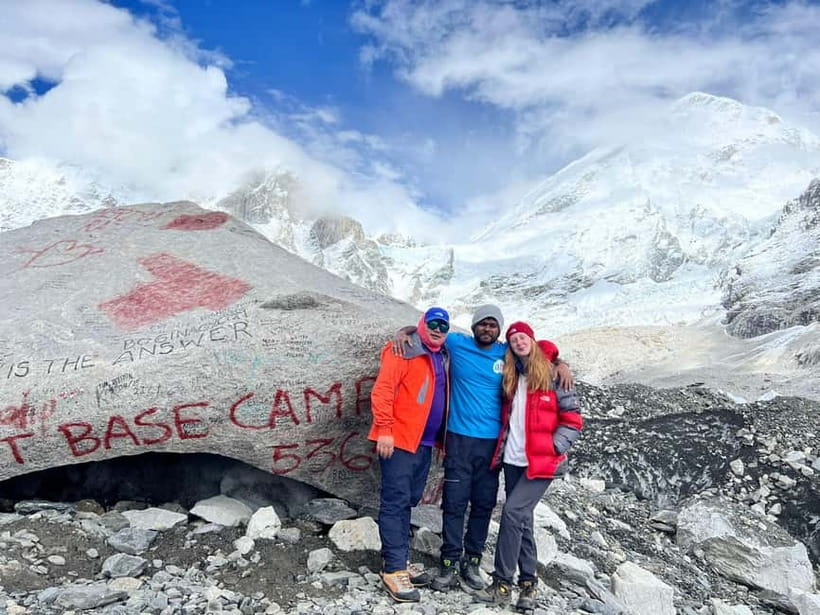
- Day 8: Lobuche to Gorakshep and Everest Base Camp at 5,364m
- Day 9: Kala Patthar at 5,545m and Then Down to Pheriche
- Day 10: Pheriche to Tyangboche and Back Toward Namche Bazar
- Day 11: Namche Bazar to Lukla and a Final Night
- Day 12: Early Flight Back to Kathmandu
- Price and What You’re Really Paying For (and Why It Might Be Worth It)
- Guides, Safety, and Why Small Group Matters on a Big Mountain Trip
- Porter Option: Lighter Load or Keep It Simple
- What to Bring (and What Not to Overpack)
- Who This Trek Fits Best (and Who Should Skip It)
- Should You Book This 12-Day Everest Base Camp Trek?
- FAQ
- How long is the Everest Base Camp trekking experience?
- What is included in the price?
- Are meals included during the trek?
- Do I fly to Lukla as part of the trek?
- Is a porter included?
- Is hot shower or internet available during the trek?
- What are the luggage rules and what do I need to bring?
Key Highlights You’ll Feel on the Trail
- A guided route built around acclimatization: rest days in Namche Bazar and Dingboche help you adjust before higher passes.
- Iconic high points, not just an out-and-back: Everest Base Camp (5,364m) and Kala Patthar (5,545m) anchor the trip.
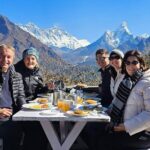
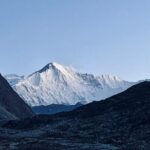
- Big-peak scenery day after day: Khumbetse, Nuptse, Lingtren, Lhotse, and views toward Ama Dablam show up repeatedly.
- Lukla handled as a flight-based start and finish: you spend more time hiking, less time guessing how to get there.
- Safety and morale matter: guides like Padam, Rohan, and Nishan are repeatedly praised for keeping people steady and upbeat.
Day 1: Kathmandu Pickup to Lukla and Phakding’s First Step
The trip starts with something you’ll appreciate later: everything begins with pickup. You’re collected from your hotel in Kathmandu (and also Bhaktapur or Lalitpur), then transferred to Tribhuvan International Airport for an early flight to Lukla.
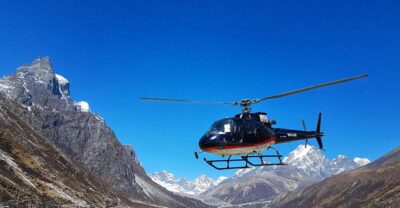
That flight is the hinge of the whole trek. Once you land, you transfer to the starting point and begin hiking to Phakding, where you stay overnight in a tea house lodge. Early legs of an Everest Base Camp trek are about finding rhythm, not crushing distance—and this first day is designed for that.
Practical note: you’re not bringing a lot of luggage. Large bags aren’t allowed, so pack smart and keep essentials easy to grab. If you’re not sure what to do with extra gear, bring only what you can carry comfortably.
You can also read our reviews of more guided tours in Kathmandu
Day 2: Phakding to Namche Bazar at 3,440m
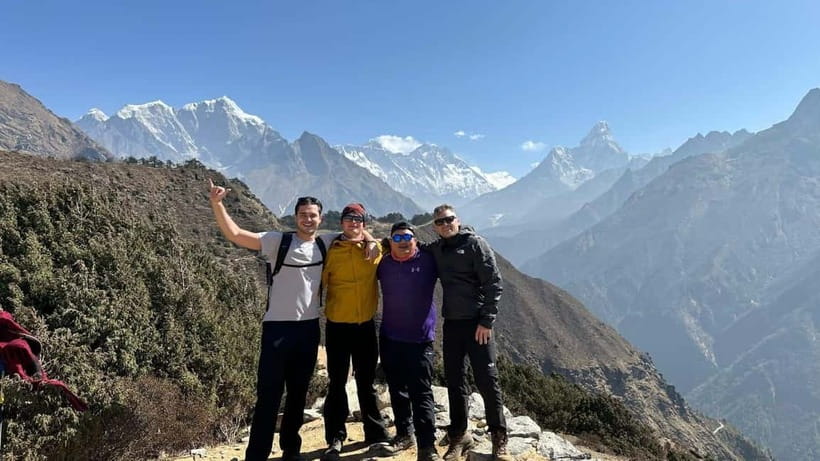
By the second day, you’re climbing into the heart of the Khumbu trail system, ending in Namche Bazar (3,440m). This is where the trek starts feeling more “mountain town” than “village hike,” with plenty of tea house options and the buzz of people moving upward.
What matters here is altitude awareness. You’re going from a lower starting point toward a higher elevation, and even if you feel fine, your body will still be recalibrating. This is a good time to move at a steady pace and avoid the urge to power up just because the trail looks manageable.
Your overnight is in Namche Bazar, which sets you up for the next day’s key role: acclimatization.
Day 3: The Namche Acclimatization Day That Saves You Later
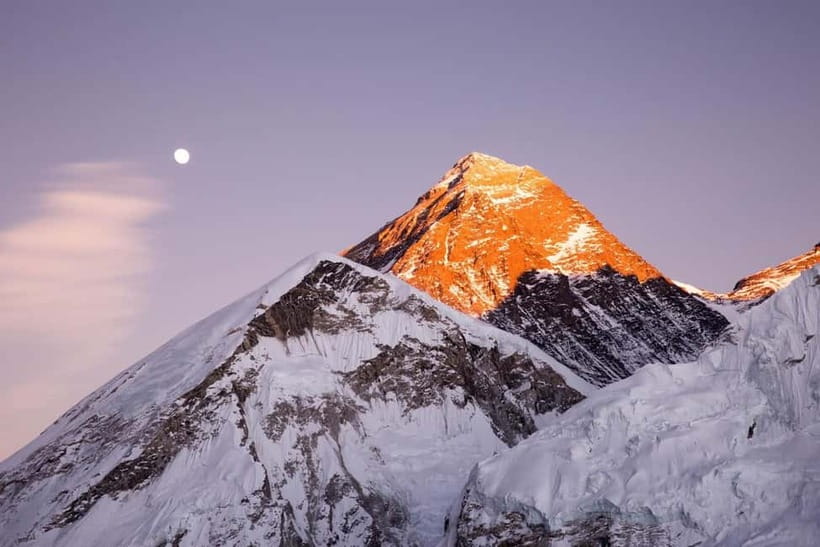
Day 3 is a true rest day in Namche Bazar. It’s not a “goof-off” day; it’s the day that can make the difference between feeling okay later and struggling when you’re higher.
While you’re at this altitude, you’ll get time to breathe, hydrate, and settle into the daily routine of teahouse life. Also, staying the second night gives your guide a chance to check how you’re handling elevation and adjust your pacing for what comes next.
If you’re the type who tends to push ahead, this is the day to resist that instinct. The route gains altitude step-by-step for a reason.
Day 4: Namche Bazar to Tyangboche (3,867m)
On day 4 you head from Namche Bazar to Tyangboche at 3,867m. This day is about climbing toward the higher Sherpa-region villages and shifting your perspective as peaks start dominating the horizon.
Tyangboche becomes your overnight stop, so your goal is to get there without turning the hike into a contest. The higher you go, the more small decisions matter—slow pace, consistent hydration, and keeping your breath controlled.
Tea house lodging continues. Expect a familiar pattern: simple meals and a warm spot in the common area when available, then sleep with the understanding that mountain nights can be cold.
Day 5: Rhododendron Forest, Imja Khola Bridge, and the Imjatse Valley Views
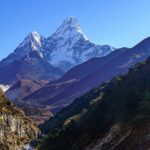
Day 5 changes the vibe. You hike through a rhododendron forest, cross a suspension bridge over Imja Khola, and pass into the Imjatse Valley beneath major peaks like Ama Dablam, Nuptse, and Lhotse.
This is one of the more scenic “moving days” because you’re stacking visual rewards along the way. The trail also gives you a taste of what makes the Khumbu special: the walking isn’t just transportation. It’s part of the show.
You reach Minlinggo along the route, then continue to Dingboche (4,260m) for the overnight. The altitude here is a reminder that Everest Base Camp trekking is as much about timing your recovery as it is about moving uphill.
You can also read our reviews of more hiking tours in Kathmandu
Day 6: Dingboche Acclimatization Day at 4,260m
Another acclimatization day—this time in Dingboche (4,260m). This stop is doing a lot of work for you. By now, you’ve had some altitude exposure, and this is where the trek’s structure helps reduce the risk of feeling awful as you rise toward Lobuche and the Everest Base Camp approach.
Spend this day moving gently, hydrating, and letting your body catch up. A rest day also makes the next “higher push” more realistic—especially because you’re headed toward Lobuche at 4,930m.
Day 7: Dingboche to Lobuche (4,930m) with a Lunch Stop in Dugla
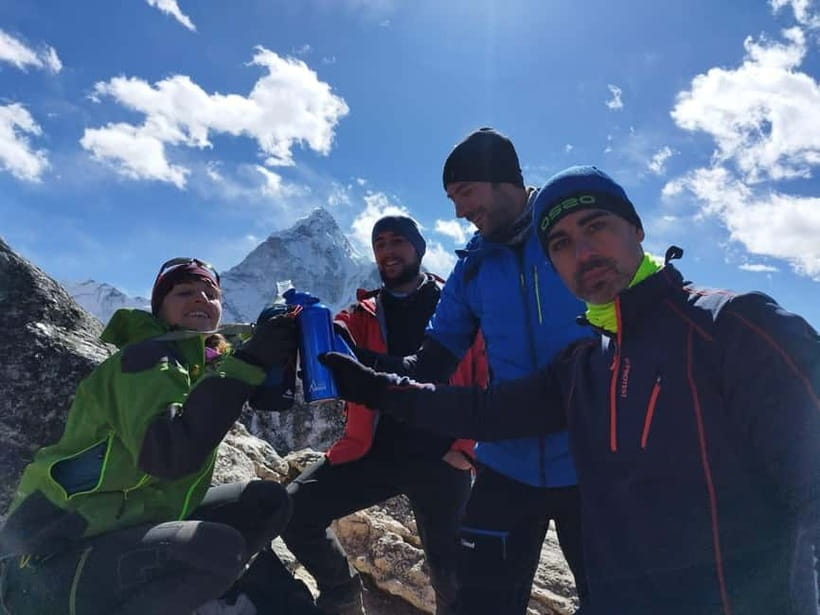
Day 7 is a climb day: Dingboche to Lobuche (4,930m) with about a 5.5-hour hike, plus lunch in Dugla. This is the kind of day where a steady pace matters more than ambition. If you feel your breathing spike, slow down early; the body responds faster than you think when you correct habits.
Lobuche is high, and your overnight will reflect that. Expect the cold factor to rise, and expect tea house comfort to be basic. This is when your guide’s experience becomes more than nice-to-have—knowing how to manage pace and energy is part of keeping you safe.
Day 8: Lobuche to Gorakshep and Everest Base Camp at 5,364m
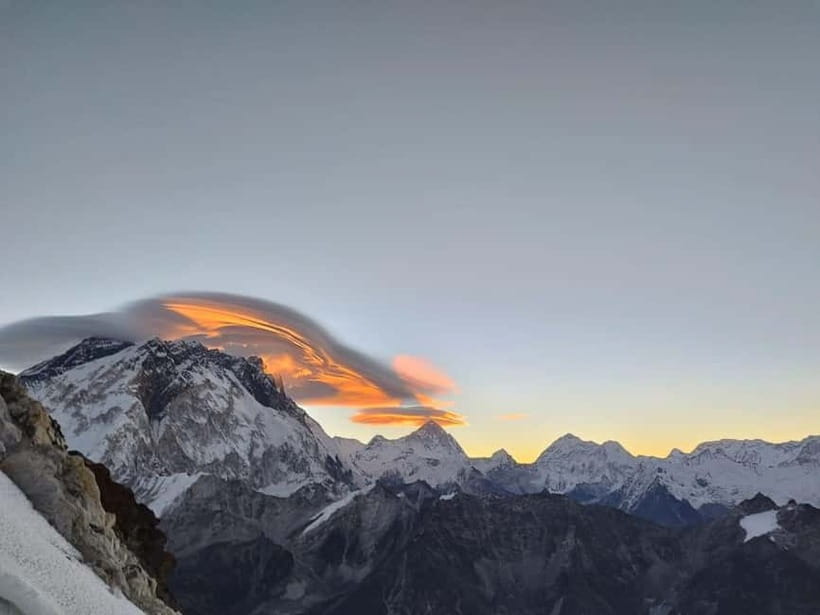
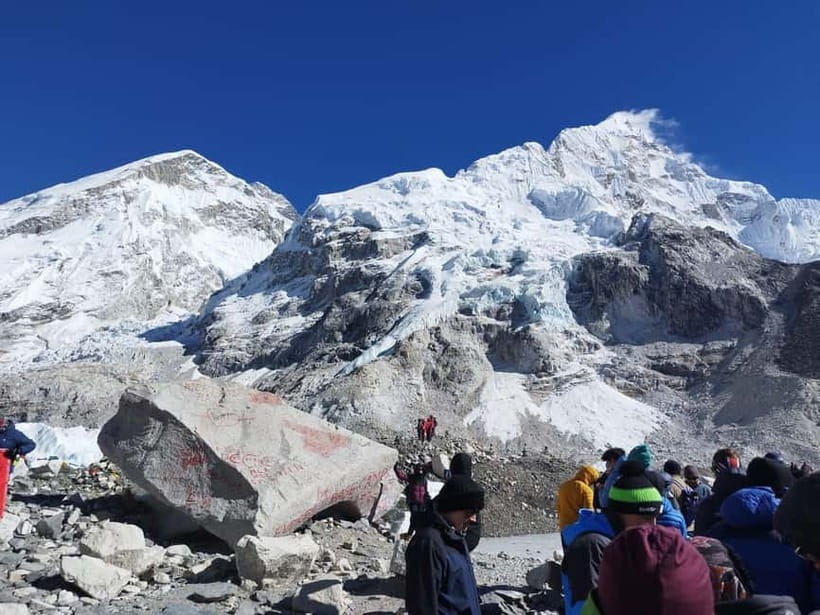
After breakfast in Lobuche, you start the trek to Everest Base Camp via Gorakshep. This is one of the most rewarding parts of the entire excursion because it turns the idea of Everest into something physical: rocky paths, the Khumbu glacier in your view, and a sense that the mountain is right there with you.
You visit Everest Base Camp at 5,364m, then head back to Gorakshep for the night. Staying at Gorakshep matters because it places you well for the next day’s high viewpoint climb.
This is also where you’ll want to plan your energy for the return. The “up” feeling is amazing, but you’ll be walking again after you reach the base camp.
Day 9: Kala Patthar at 5,545m and Then Down to Pheriche
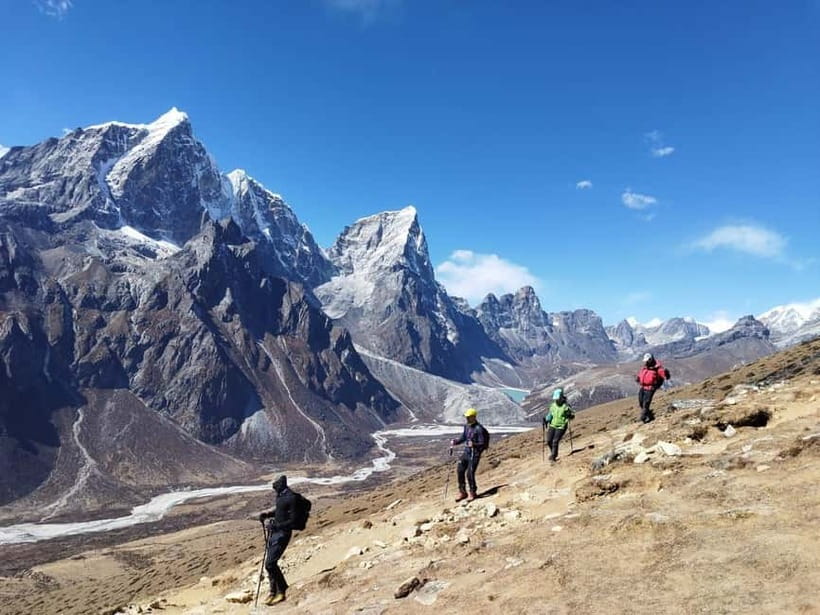
Day 9 brings the classic altitude payoff: hike from Gorakshep to Kala Patthar (5,545m). That height is one of the reasons people say this trek feels special—you get a strong mountain panorama and a chance to experience Everest’s scale up close.
After Kala Patthar, you continue down to Pheriche (4,243m) for the overnight. That elevation drop isn’t just relief. It’s part of how you keep your legs functioning and your body recovering for the final descent days.
If you’re chasing a single “wow” moment, this is often the day. It also tends to be the day where you appreciate how earlier acclimatization days paid off.
Day 10: Pheriche to Tyangboche and Back Toward Namche Bazar
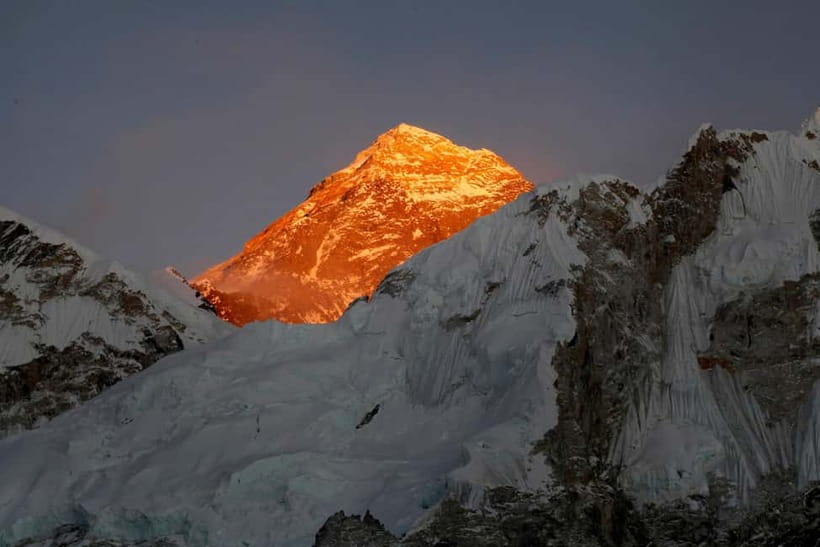
Day 10 is your first major descent: hike from Pheriche to Tyangboche (3,867m), then continue toward Namche Bazaar (3,440m) for the night.
Descent days can feel easier, but don’t treat them casually. Going down is often harder on knees and ankles than people expect, especially after days of altitude breathing. Take shorter steps, keep your weight centered, and use trekking poles if you have them.
This day also feels like the landscape is changing around you. Your surroundings start to look more familiar as you drop back toward Namche’s altitude.
Day 11: Namche Bazar to Lukla and a Final Night
On day 11, you make your way back to Lukla. This is your last night on the trekking side, so use it for practical things: dry clothes if you can, a careful inventory of what you’ll need for the next morning, and a calm walk pace.
Lukla can feel like a transition zone—less about Everest drama and more about getting ready to fly and close the loop on logistics.
Day 12: Early Flight Back to Kathmandu
The final day is straightforward. You take an early scenic flight back to Kathmandu, and then you’re transferred to your hotel.
It’s a satisfying ending because it reinforces what this trek is: a full 12-day experience built around the Everest Base Camp path, not a rushed attempt to do it in fewer days. When you return to Kathmandu, the altitude fatigue usually fades—but you’ll still remember the days when the peaks were the background and the trail was the whole focus.
Price and What You’re Really Paying For (and Why It Might Be Worth It)
This trek is priced at $1,002 per person for a 12-day guided experience. On paper, that might look like a lot—until you break down what’s bundled.
Included costs that matter in the Everest region:
- Round-trip domestic flights between Kathmandu and Lukla
- Airport pickup and drop-off (in Kathmandu, Bhaktapur, and Lalitpur)
- Lodge/tea house accommodations during the trek
- National park permit and TIMS card fees
- An English-speaking guide, with guide travel and support costs included
Not included (so you should budget for it):
- Meals during the trek (breakfast, lunch, dinner)
- Alcoholic and non-alcoholic drinks
- Hot showers and internet (so don’t build plans around consistent connectivity)
- Travel insurance
I like this pricing structure because the biggest, hardest-to-organize pieces are already handled: permits, flights, lodging, and the guide team. That helps you focus on pacing and acclimatization instead of paperwork or last-minute scrambling.
Guides, Safety, and Why Small Group Matters on a Big Mountain Trip
This trip runs as a small group (up to 15 people) with a live English guide. That matters because Everest Base Camp trekking isn’t just about “being fit.” It’s about being managed—pace, hydration, and decision-making in changing mountain conditions.
The guide experience here seems especially strong. I’ve seen multiple people highlight guides such as Padam (praised for safety and sharing knowledge), Nishan (praised for kindness, attentiveness, and adjusting to individual needs), and Rohan (praised alongside a porter experience that people clearly remembered). Even when conditions are difficult, that kind of leadership can keep morale from collapsing.
Also, if weather forces changes, the trek can require quick adjustments. Having a well-run team is what lets you handle that without turning it into chaos.
Porter Option: Lighter Load or Keep It Simple
Porter service is not included by default. If you want help carrying your bags, you can add a porter at an extra cost. The information given is that one porter can assist up to 25 kg weight for 2 guests.
So should you add one? If you’re carrying a heavy pack, want to arrive fresher for the higher days (Gorakshep and Kala Patthar), or you’re traveling with less trekking experience, it can be a smart choice. If your pack is already light and you’re comfortable managing your own load, you may not need it.
Either way, remember that large bags aren’t allowed, so the “what you carry” decision starts before you reach Lukla.
What to Bring (and What Not to Overpack)
You only need your passport for the trip as stated. Beyond that, plan around the trek’s style: lightweight daily loads and cold-night tolerance.
Gear included if required/requested:
- Jacket
- Sleeping bag
- Duffel bag
That reduces the pressure to bring bulky items from home, which is a real value if you’re traveling with limited airline baggage. Still, you’ll want your personal essentials ready (layers, gloves, hat, and basic trekking items), since the trek’s included gear may not match your exact preferences.
And yes, cold can be a factor. One theme from people’s experiences is that nights can be tough in December, so pack for real temperature drops, not city weather.
Who This Trek Fits Best (and Who Should Skip It)
This guided Everest Base Camp trek is a strong fit if:
- you want a classic itinerary with acclimatization built in (Namche and Dingboche rest days)
- you prefer guided structure over doing logistics on your own
- you’re okay with tea house basics and paying for meals separately
It’s not suitable for:
- pregnant women
- people with heart problems
- wheelchair users
If altitude is a concern for you, talk with a medical professional before committing. This is high-altitude hiking at elevations that quickly become demanding.
Should You Book This 12-Day Everest Base Camp Trek?
I’d book it if you want the Everest Base Camp route with the big moving parts handled: flights to Lukla, permits, tea house stays, and an English guide leading a small group. The itinerary’s two acclimatization days make the climb more sensible, and the fact that you reach Everest Base Camp plus Kala Patthar gives you the full “classic” payoff.
I would think twice if you hate cold nights, you don’t want to handle meal budgeting on the trail, or you need accessibility features this trek isn’t designed for. If you’re comfortable with tea house living and you can manage your altitude pace, this is a well-structured way to experience Everest without turning the trip into a logistics project.
FAQ
How long is the Everest Base Camp trekking experience?
It’s a 12-day trek, including travel between Kathmandu and Lukla and time on the trail at different altitudes.
What is included in the price?
The package includes airport pickup and drop-off, domestic flight return between Kathmandu and Lukla, national park entry permits and TIMS card fees, lodge/tea house accommodations during the trek, and an experienced English guide. It also includes items like a jacket, sleeping bag, and duffle bag if required/requested.
Are meals included during the trek?
No. Standard meals (breakfast, lunch, and dinner) during the trek are not included, and you’ll also need to budget for drinks.
Do I fly to Lukla as part of the trek?
Yes. The tour includes a return domestic flight between Kathmandu and Lukla, with an early flight from Kathmandu on Day 1 and a flight back to Kathmandu on Day 12.
Is a porter included?
A porter is not included by default. You can add a porter for an additional cost; the information provided is that one porter can assist up to 25 kg for 2 guests.
Is hot shower or internet available during the trek?
Hot showers and internet are not included during the trek, so plan around limited access.
What are the luggage rules and what do I need to bring?
Luggage or large bags are not allowed. You should bring your passport.