REVIEW · POKHARA
Pokhara: Day Hiking from Sarangkot to World Peace Stupa from Lakeside
Book on Viator →Operated by Couch Adventure Nepal (CAN) · Bookable on Viator
That early light changes everything in Pokhara. This day hike blends a Sarangkot sunrise viewpoint, a challenging ridge walk, and a climb to the World Peace Stupa with wide valley views. You’ll also get the practical bonus of Lakeside-area pickup and drop-off, so the day feels like a plan instead of a puzzle.
I love how the route keeps moving: you’re hiking through hillside villages and farmland, then you cross Fewa Lake by boat before heading up again. I also really like that the experience is guided and private to your group, with an English-speaking trekking guide who can adjust pace if you need it. The steep sections make the hike tough if you’re not used to downhill on uneven trails, especially if your knees get cranky.
Key Points to Know Before You Go
- 5am start from Lakeside with an included drive to Sarangkot for sunrise timing
- Rowing boat across Fewa Lake, which breaks up the walking and changes the scenery fast
- World Peace Stupa viewpoint time with included admission so you can focus on the views
- Devi’s Fall and Gupteswar Gupha add classic Pokhara nature + cave stops after the main climb
- Steep trails, moderate fitness needed; a good guide can make the difference
- Entrance fees for Devi’s Fall and Gupteswar Cave aren’t included, so plan a little extra cash
In This Review
- Why This Sarangkot to World Peace Hike Feels Like Real Pokhara
- Pickup, Timing, and the Morning Plan That Actually Works
- Sarangkot Sunrise: Big View Potential, Real Weather Risk
- Over Fewa Lake by Boat, Then Up to the World Peace Stupa
- Devi’s Fall and Mahadev Cave: Nature, Myth, and Cave Air
- Fitness Reality Check: Steep Trails, and How to Handle Them
- Price and Value: What You’re Really Paying For
- Who Should Book This Hike (and Who Might Skip It)
- Should You Book This Sarangkot to World Peace Stupa Day Hike?
- FAQ
- How long is the Sarangkot to World Peace Stupa hike?
- What time is pickup, and where does it start?
- Is the tour private?
- What’s included in the price?
- Are meals included?
- Are entrance fees for Devi’s Fall and Gupteswar Cave included?
- Is there free cancellation?
Why This Sarangkot to World Peace Hike Feels Like Real Pokhara
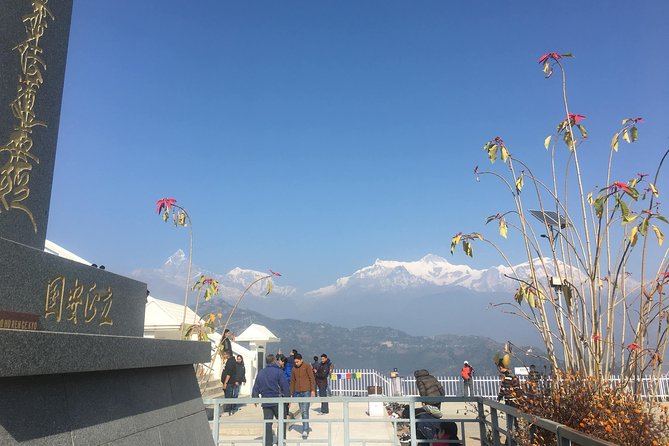
Pokhara mornings have a special rhythm. You’ll leave Lakeside before the city fully wakes up, drive up for sunrise, then spend the rest of the day on trails that show the hills, farms, and viewpoints that sit above town. It’s the kind of outing that makes you understand Pokhara beyond the lakeside strip.
The best part is the pacing. You’re not just going for a single viewpoint and turning around. You start with Sarangkot for the big mountain sky moments, then you keep earning elevation toward the World Peace Stupa for a panoramic look over the valley.
The route also feels balanced: hiking, boat, viewpoint, then caves and falls. That mix helps the day stay interesting even if weather doesn’t cooperate for the absolute best Himalaya visibility.
Pickup, Timing, and the Morning Plan That Actually Works
Your day starts early, around 5am, and pickup is arranged from within the Lakeside area. From there, you’ll drive about 40 minutes to Sarangkot. This timing matters because sunrise viewpoints are all about being in position before the light and cloud layers do their thing.
Expect a total duration of about 5 to 6 hours. That’s long enough to feel like a real hike, but not so long that you’re exhausted for the rest of your Pokhara trip. It also keeps logistics simple: hotel transfer included, and you’re back down afterward for a normal day.
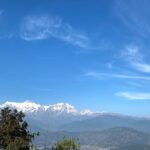
One small planning note: weather in Pokhara can shift quickly. One review-style reality check I’d take seriously is that clouds and rain can hide the high peaks, even if you reach the sunrise viewpoint on time. If that happens, you’ll still get hill scenery and sun breaks, but you should avoid counting on a perfect Annapurna-range panorama every single day.
You can also read our reviews of more hiking tours in Pokhara
Sarangkot Sunrise: Big View Potential, Real Weather Risk
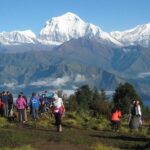
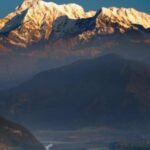
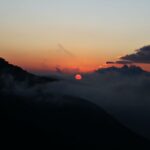
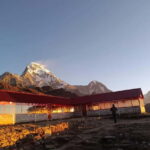
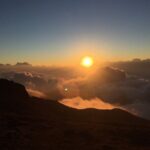
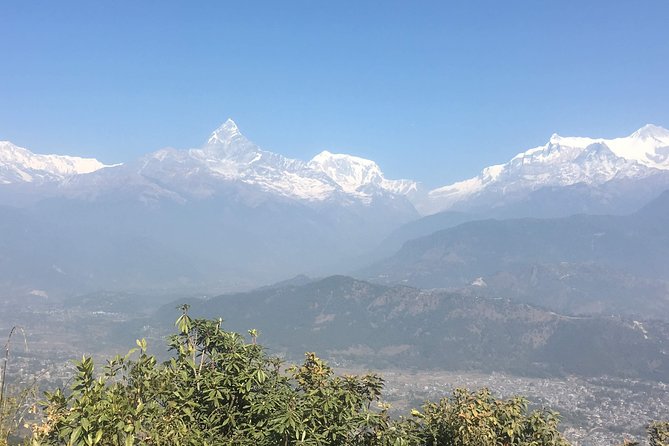
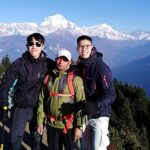
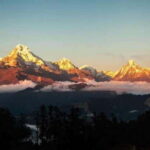
Sarangkot is famous for sunrise over the Annapurna range area. You’ll enjoy the viewpoint from there, and the experience includes the entrance ticket for Sarangkot. In practice, that means you’re paying for the ability to access the best lookout areas without extra hassle.
If you’re there for photos, start by setting your expectations. You might get a crisp, high-contrast sunrise. Or you might get clouds that soften the peaks into the background. Either way, the ridge viewpoint gives you a sense of depth across Pokhara’s hills and the wider valley.
I also like that Sarangkot is not just a quick stop. You get time to enjoy the sunrise viewpoint rather than being rushed out the door. Just dress for early-morning cool air, then adjust as you warm up.
Over Fewa Lake by Boat, Then Up to the World Peace Stupa
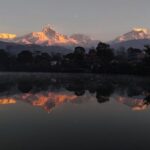
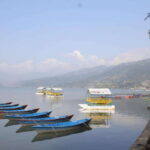
After the sunrise period, the hike continues along hilly trails through villages and farmland, heading toward Fewa Lake. Then comes one of the smartest parts of the day: you’ll cross the lake by rowing boat, which breaks the walking rhythm and changes how you see the shoreline.
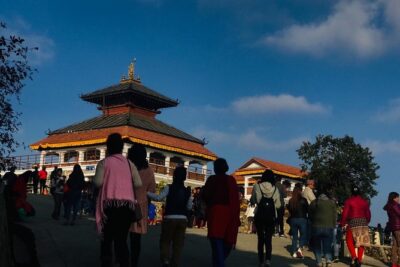
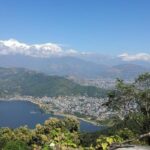
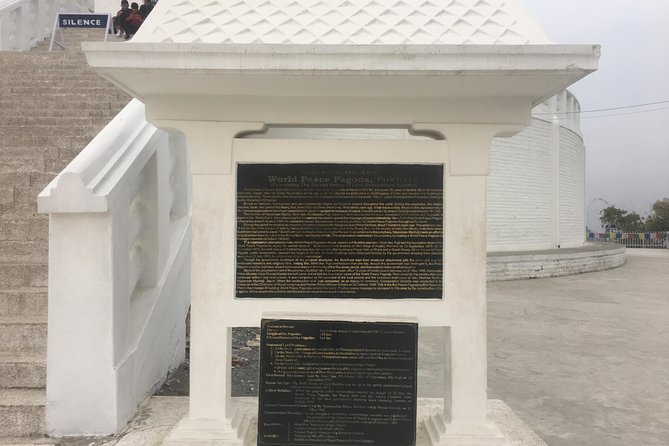
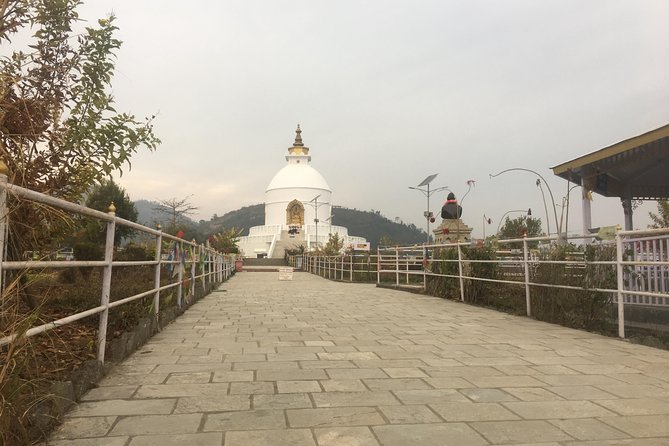
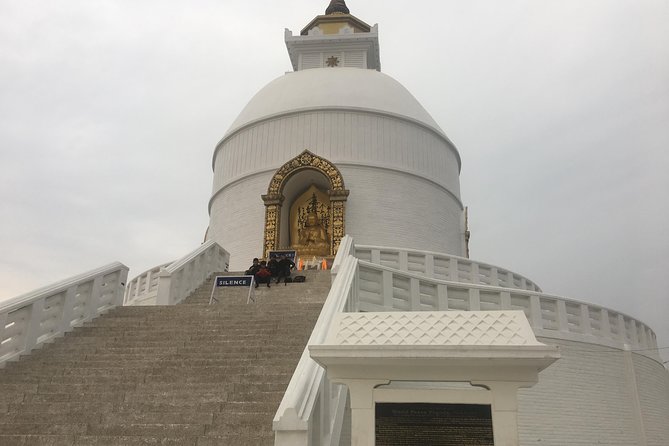
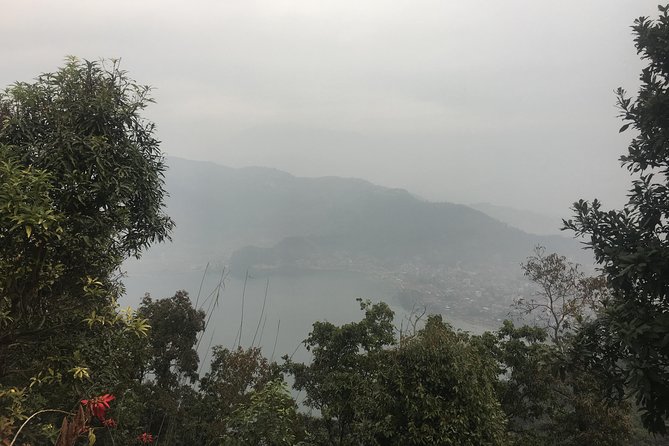
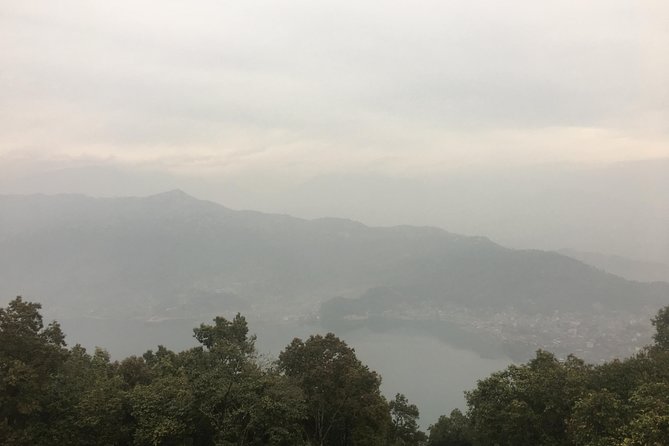
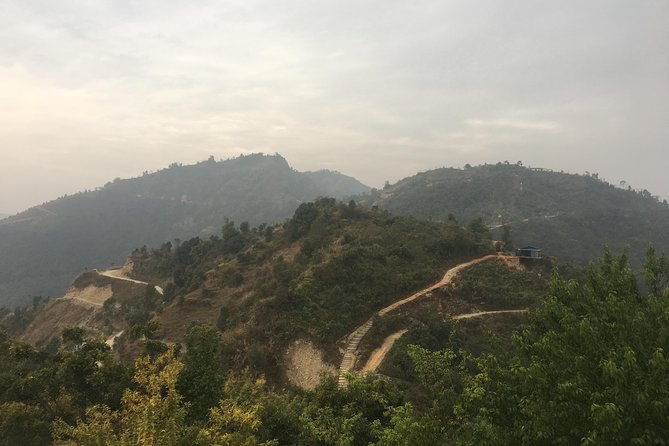
When you reach the other side, the hiking turns into a steady ascent. From there, you’ll work your way up through village areas and forest sections to the World Peace Stupa. This is the part that feels more demanding, but it’s also where the effort pays off with wide views over Pokhara valley and surrounding green hills.
The stupa stop includes admission, so you’re not juggling ticket costs mid-hike. In terms of value, this matters because you can focus on the climb and the view instead of stopping to negotiate entry fees on an early schedule.
Time-wise, you’ll spend around 3 hours on the World Peace Stupa portion. That’s long enough to take photos, catch your breath, and just enjoy the scene without treating it like a drive-by.
Devi’s Fall and Mahadev Cave: Nature, Myth, and Cave Air
After the stupa and viewpoint time, the day shifts toward two classic Pokhara stops. First is Devi’s Fall, followed by a cave experience at Gupteswar Gupha.
At Devi’s Fall, you’ll explore for about 20 minutes. The key practical thing here is that entrance fees are not included. So if you want to avoid delays, have a little cash ready for site entry.
Then you move to Gupteswar Gupha for about 40 minutes. This cave visit is tied to the story of Lord Shiva and the connection between the water features in the area. Even if you’re not deep into mythology, caves change the mood fast: expect cooler air and a different texture underfoot.
A detail I appreciated from the descriptions you get on this route: the cave experience includes a point where you reach a river connected with the water coming from Devi’s Fall. It helps the stops feel linked instead of random additions.
Fitness Reality Check: Steep Trails, and How to Handle Them
This hike is best suited for active travelers, and the trails are described as steep. That’s not a warning to scare you off. It’s a heads-up to prepare smartly so your body stays with you for the whole day.
If you’ve ever hiked steep descents on rocky or uneven steps, you know what can happen. One guide-supported success story I’d take seriously: a visitor with knee problems managed the “little” trekking down by relying on the guide’s help. That tells me the route is doable, but only if you go with a respectful pace and you’re willing to slow down when needed.
Here’s how I’d approach it:
- Wear shoes with solid grip. The steep sections are where footing matters most.
- Use your trekking poles if you have them. Even basic poles can help control knee stress on descents.
- Let the guide set a sustainable pace. This is a private tour, so you can move at your comfort level.
- Bring a light layer. The morning starts cool, then you warm up during the climb.
Your guide can also help with the pace since the tour can be customized to your needs. That flexibility is part of the value of a private guide, not just a nice extra.


Price and Value: What You’re Really Paying For
The price is $130 for this day hike, roughly 5 to 6 hours. On its face, that might sound like a lot for a few hours outdoors, but you’re paying for several practical things that add up quickly in Pokhara:
- Hotel pickup and drop-off within Lakeside area (big time-saver)
- An English-speaking trekking guide
- Water bottles for each person
- Entrance fees to Sarangkot included
- Boat crossing on Fewa Lake included
- Admission to the World Peace Stupa included
- The trip is private to your group
Then you have a couple of costs you should mentally budget for: Devi’s Fall and the cave entrance fees are not included, and meals are not included. That’s normal for a hiking day, but it’s still a real factor if you’re tracking costs closely.
My bottom-line take: this tour is good value if you want an efficient morning plan plus a competent guide for a steep route. If you’re comfortable navigating steep trails on your own and you don’t care about the sunrise timing, you could do parts independently. But if you want a guided day that stitches everything together cleanly, the price makes sense.
Who Should Book This Hike (and Who Might Skip It)
Book it if you’re the kind of person who likes a day that feels active, scenic, and structured. This fits especially well if you want:
- A sunrise start without arranging transport and access yourself
- A route that includes hillside villages, farmland, lake crossing, and a top viewpoint
- A private guide who can help you manage steep sections
You might want to reconsider if you know you struggle on steep uphill and downhill terrain, or if you’re dealing with mobility limitations. Moderate physical fitness is recommended, and the trails are described as steep. Even with a good guide, it’s still a demanding outing.
For families with small kids, or for anyone who wants a mostly flat walk, this probably won’t match the vibe. This hike is built for people who don’t mind earning the view.
Should You Book This Sarangkot to World Peace Stupa Day Hike?
I’d book it if you want a Pokhara day that mixes a sunrise viewpoint with a real hike payoff, plus cultural nature stops like Devi’s Fall and Gupteswar Gupha. The included boat crossing on Fewa Lake is a smart move, and the guided, private setup makes the steep sections feel more manageable.
I’d hesitate only if weather perfection is your main goal. Since clouds and rain can limit Himalaya visibility even at sunrise, be ready to enjoy the hills and valley views even when the peaks fade. If you can roll with that, you’ll have a day that feels worthwhile.
If you do book, do one thing that improves your odds: dress for early cold, wear grippy shoes, and plan for the fact that you’ll be hiking steep sections. The guide will help you keep the day moving, including when the trek down gets tough.
FAQ
How long is the Sarangkot to World Peace Stupa hike?
It takes about 5 to 6 hours.
What time is pickup, and where does it start?
Pickup is around 5am from hotels within the Lakeside area of Pokhara.
Is the tour private?
Yes. It’s private, so only your group participates.
What’s included in the price?
Included are an English-speaking trekking guide, hotel pickup and drop-off within Lakeside, a bottle of water per person, Sarangkot entrance fees, a rowing boat to cross Fewa Lake, and admission for the World Peace Stupa.
Are meals included?
No. Meals and drinks are available to purchase.
Are entrance fees for Devi’s Fall and Gupteswar Cave included?
No. Entrance fees for Devi’s Fall and the cave are not included.
Is there free cancellation?
Yes. You can cancel up to 24 hours in advance for a full refund.